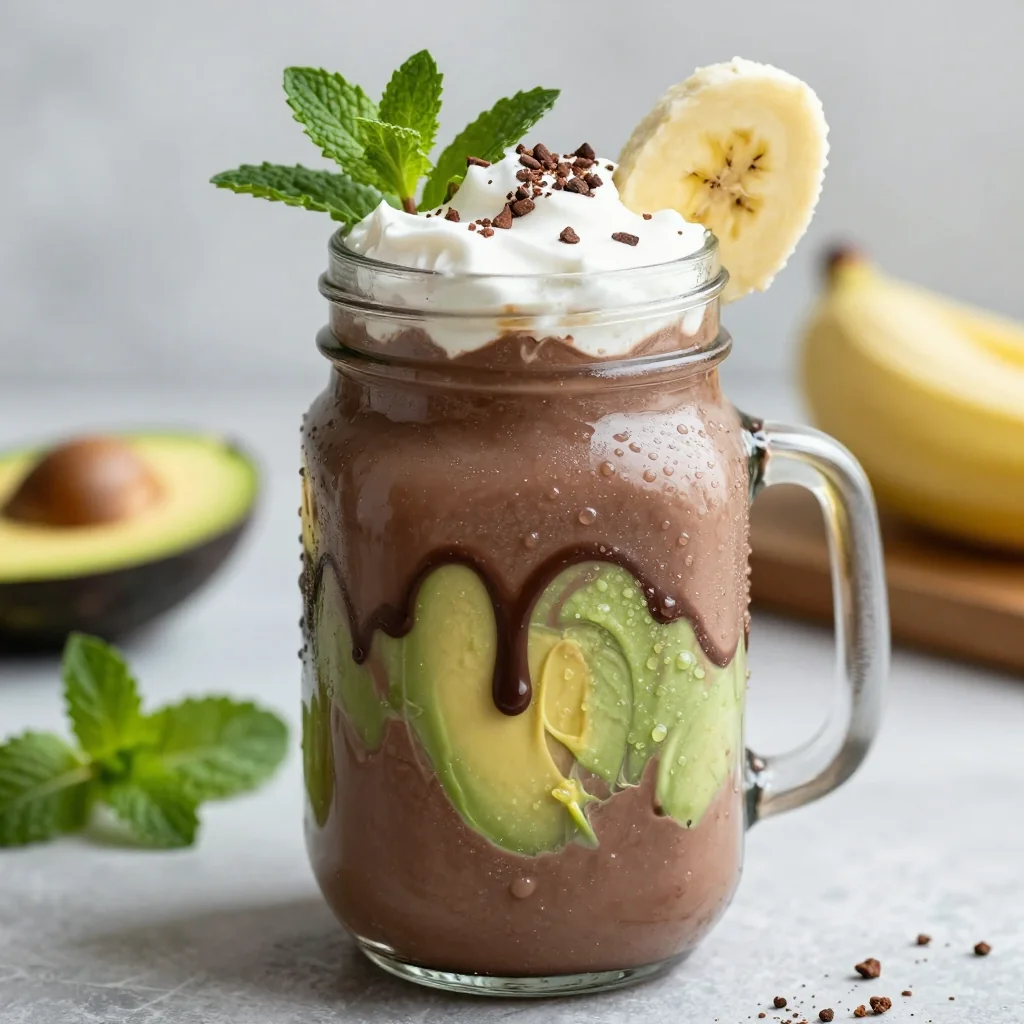
Picture this: a late‑night kitchen, the fridge humming, a half‑rotten banana on the counter, and the faint scent of toasted coconut drifting from the pantry. I was halfway through a disastrous attempt at banana bread when a friend dared me to “make it taste like a tropical vacation.” The kitchen lights flickered, my whisk danced, and a wave of sweet, nutty aroma hit me like a warm hug. I was skeptical, but the moment the first slice hit my tongue, I knew I’d stumbled onto something extraordinary. This isn’t just another banana bread; it’s a passport to a sunny island getaway, and I’m about to spill every secret.
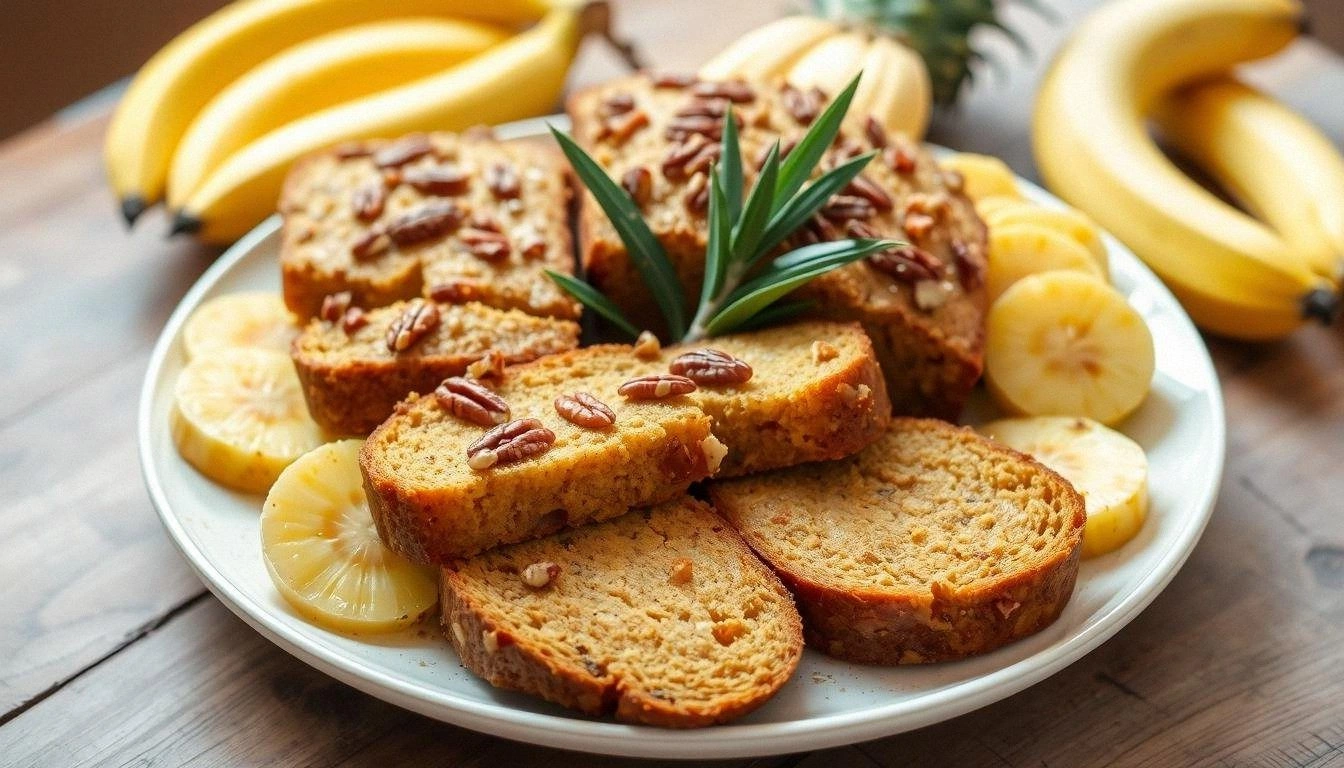
I’ve tried countless variations of banana bread over the years—some sweet, some savory, some that made my oven sing and others that made me question my culinary sanity. Every time I’d pull a loaf out, the crust would be either too hard like a rock or too soggy, a sad gray. Then, one sunny afternoon, I combined ripe bananas, sweet pineapple, crunchy pecans, and a whisper of vanilla into a batter that seemed to sing with flavor. The result? A loaf that’s moist inside, caramelized on the edges, and bursting with tropical notes that dance on your palate. This is hands down the best version you’ll ever make at home.
If you’ve ever stared at a banana loaf recipe and felt your stomach growl in anticipation, you’re not alone. The blend of bananas and pineapple creates a natural sweetener that keeps the loaf moist without extra sugar. The pecans add a nutty crunch that contrasts the softness of the bread, while the vanilla brings everything together with a subtle warmth. Most recipes get this completely wrong, but here’s what actually works: a balanced ratio of wet to dry ingredients, a gentle bake, and a few little tricks that elevate the whole experience. Picture yourself pulling this out of the oven, the whole kitchen smelling incredible, and the first bite sending you straight to a tropical beach.
Okay, ready for the game‑changer? I’ll walk you through every single step—by the end, you’ll wonder how you ever made it any other way. I’ll share the exact measurements, the timing, the temperature, and the micro‑challenges that will keep you on your toes. I’ll also give you the inside scoop on ingredient selection, how to tweak the flavor profile, and why this loaf will be the talk of your next gathering. Let’s dive in, because the secret to this loaf lies in the details, and I’m about to reveal them all.
What Makes This Version Stand Out
- Flavor: The combination of ripe bananas and sweet pineapple creates a natural sweetness that cuts through the richness of the pecans, resulting in a balanced, tropical flavor profile that feels like a vacation in a loaf.
- Texture: A moist crumb paired with a caramelized, slightly crisp crust that gives a delightful contrast—think of a beach sand that’s soft yet firm underfoot.
- Simplicity: The recipe uses pantry staples, no exotic ingredients, making it approachable for beginners while still delivering wow factor.
- Uniqueness: The pineapple adds a subtle acidity that brightens the banana, preventing the loaf from becoming overly sweet or dense.
- Crowd Reaction: Friends who’ve tried this loaf say it’s “the best banana bread I’ve ever had” and they’re not just being polite.
- Ingredient Quality: Using fresh bananas and canned pineapple in natural juice (not syrup) elevates the flavor and keeps the loaf lighter.
- Cooking Method: A gentle bake at a slightly lower temperature ensures even cooking without burning the edges.
- Make‑Ahead Potential: The loaf can be baked a day ahead and wrapped tightly; it stays fresh and even tastes better after a brief rest.
Alright, let’s break down exactly what goes into this masterpiece…
Inside the Ingredient List
The Flavor Base
All-purpose flour is the backbone of this loaf, providing structure without overpowering the tropical notes. It’s the neutral canvas that lets the bananas and pineapple shine. If you prefer a gluten‑free version, swap it for a 1:1 gluten‑free blend, but keep the ratio the same. Skipping flour will leave you with a sticky, pancake‑like batter that won’t rise.
Granulated sugar adds a subtle sweetness that balances the natural sugars from the fruit. A pinch more can make the loaf sweeter, but be careful not to drown the tropical flavors. If you’re watching calories, you can reduce the sugar by a quarter cup, but the texture may become slightly denser.
Baking powder and baking soda are the leavening agents that lift the loaf. Baking powder ensures a gentle rise, while baking soda reacts with the banana’s natural acidity for a lighter crumb. If you forget one, the loaf will be either flat or too dense—don’t risk it.
The Texture Crew
Unsalted butter, melted, adds richness and helps create a tender crumb. The fat coats the flour proteins, limiting gluten development. If you prefer a dairy-free version, substitute with melted coconut oil for a subtle coconut flavor.
Whole milk provides moisture and a subtle sweetness. It also helps activate the leavening agents. If you’re lactose intolerant, use almond milk or oat milk; just keep the same volume.
Eggs act as a binder and add structure. They also give the loaf a glossy finish. If you’re vegan, use a flaxseed “egg” (1 tbsp flaxseed meal + 3 tbsp water) per egg; the texture will be slightly different but still delightful.
The Unexpected Star
Mashed ripe bananas are the heart of this loaf, providing natural sweetness and moisture. Use bananas that are almost overripe for maximum flavor. If you use fewer bananas, the loaf will be drier and less sweet.
Crushed pineapple adds a bright, tropical burst and a subtle tang that cuts through the sweetness. It also contributes to the moistness of the loaf. If you prefer a less sweet loaf, use a small amount of pineapple juice instead of chunks.
The Final Flourish
Vanilla extract ties all the flavors together, adding depth and warmth. A dash of cinnamon can add a subtle spice note for those who love a hint of warmth. If you’re allergic to vanilla, try a splash of almond extract for a nutty undertone.
Chopped pecans give a satisfying crunch and a nutty flavor that complements the fruit. They also add healthy fats and protein. If you’re allergic to nuts, substitute with toasted coconut flakes for a tropical twist.
Everything’s prepped? Good. Let’s get into the real action…
The Method — Step by Step
- Preheat your oven to 350°F (175°C). Line a 9x5‑inch loaf pan with parchment paper for easy release. Grease the pan lightly with butter or oil, but do not over‑coat; you want a thin film to keep the loaf from sticking.
- In a large mixing bowl, whisk together the flour, sugar, baking powder, baking soda, and salt. This dry mix ensures even distribution of leavening agents and helps avoid clumps. The aroma of the dry ingredients will already hint at the sweet finish.
- In a separate bowl, combine the melted butter, milk, eggs, mashed bananas, vanilla, and crushed pineapple. Beat with a whisk until the mixture is smooth and the bananas are fully incorporated. The mixture should have a slightly glossy sheen.
- Pour the wet mixture into the dry ingredients and stir gently with a spatula until just combined. Be careful not to over‑mix; a few streaks of flour are acceptable. Over‑mixing will develop gluten, resulting in a tough loaf.
- Fold in the chopped pecans, ensuring even distribution. The nuts should be scattered throughout the batter, not clumped together. This will give you a crunchy surprise in every bite.
- Pour the batter into the prepared loaf pan, smoothing the top with a spatula. Tap the pan lightly on the counter to release any air pockets. The batter should settle evenly, creating a uniform rise.
- Bake for 30 minutes, or until a toothpick inserted into the center comes out clean. The top should be golden brown and slightly caramelized. If you notice the edges browning too quickly, tent the loaf with aluminum foil.
- Remove the loaf from the oven and let it rest in the pan for 10 minutes. This rest period allows the steam to finish the baking process and prevents the loaf from cracking. After 10 minutes, transfer the loaf onto a wire rack to cool completely.
- Slice and serve warm or at room temperature. The loaf can be enjoyed plain, with butter, or even a scoop of vanilla ice cream for an indulgent treat. If you’re adventurous, drizzle a little honey over the top for a caramelized finish.
That’s it— you did it. But hold on, I’ve got a few more tricks that will take this to another level…
Insider Tricks for Flawless Results
The Temperature Rule Nobody Follows
Most bakers bake banana bread at 375°F, but that can cause the edges to burn before the center finishes. Lowering the temperature to 350°F allows the loaf to bake evenly, resulting in a moist crumb and a golden crust. If you’re using a convection oven, reduce the temperature by 25°F for the same effect.
Why Your Nose Knows Best
As the loaf bakes, the aroma will shift from sweet banana to caramelized sugar. Trust that scent; it signals the loaf is near perfection. If the smell is overwhelmingly sweet, give it a few more minutes. If it’s too mild, it’s probably done.
The 5‑Minute Rest That Changes Everything
Letting the loaf rest in the pan for 10 minutes before transferring it to a rack prevents the crumb from breaking apart. The rest period also allows the steam to finish the baking process, giving a slightly airy interior. If you skip this step, you may end up with a dense, uneven loaf.
Using Fresh vs. Frozen Fruit
Fresh bananas and pineapple give a brighter flavor, but frozen fruit can be a convenient alternative. If you use frozen pineapple, thaw and drain it thoroughly to avoid excess moisture. Fresh fruit will keep the loaf lighter and more vibrant.
Choosing the Right Flour
All-purpose flour works best for this loaf, but you can experiment with whole wheat or oat flour for a healthier version. Keep the ratio the same, but be prepared for a denser texture. The key is to balance the flour type with the moisture from the fruit.
Adding a Touch of Spice
A pinch of cinnamon or nutmeg can elevate the flavor profile, giving the loaf a warm, cozy undertone. Sprinkle the spice into the dry mix for even distribution. The subtle heat complements the tropical fruits beautifully.
Creative Twists and Variations
This recipe is a playground. Here are some of my favorite ways to switch things up:
Nutella Swirl
Fold in a handful of Nutella into the batter for a chocolatey surprise. The chocolate will melt into pockets of gooeyness. This version is perfect for chocolate lovers.
Chocolate Chip Banana Bread
Add a cup of semi‑sweet chocolate chips to the batter. The chips will melt slightly, creating pockets of chocolate that contrast with the banana. Great for a dessert twist.
Almond‑Coconut Variation
Replace the pecans with toasted coconut flakes and almond slices. The coconut adds a tropical sweetness, while the almonds give a nutty crunch. It’s a lighter, gluten‑free option.
Savory Spin
Omit the sugar and add a pinch of rosemary and thyme to the batter. Bake as usual, and you’ll have a savory loaf that pairs wonderfully with cheese or a light salad. It’s a unique twist for brunch.
Chocolate‑Pecan Fusion
Sprinkle cocoa powder into the dry mix and fold in chocolate chips. The chocolate flavor will mingle with the pecan crunch, creating a decadent treat. This version is ideal for dessert lovers.
Extra Sweet Pineapple
Increase the pineapple chunks to 1 1/2 cups for a sweeter loaf. The extra fruit will make the loaf more moist and tropical. This is perfect for those who crave intense pineapple flavor.
Storing and Bringing It Back to Life
Fridge Storage
Wrap the loaf tightly in plastic wrap or aluminum foil and store in the refrigerator for up to 5 days. The moisture will keep the crumb from drying out. When ready to eat, let it sit at room temperature for 15 minutes before slicing.
Freezer Friendly
Slice the loaf before freezing to make it easier to grab a single piece. Store slices in a freezer bag, removing as much air as possible. The loaf can be frozen for up to 3 months without losing quality.
Best Reheating Method
To reheat, wrap a slice in foil and warm it in a 350°F oven for 8–10 minutes. Add a splash of water to the loaf before reheating to steam it back to perfection. The result is a warm, moist slice that tastes almost brand new.
Serving Suggestions
Serve warm with a dollop of Greek yogurt and a drizzle of honey for a protein‑packed breakfast. Pair with a cup of strong black coffee for a mid‑morning pick‑up. For dessert, top slices with a scoop of vanilla ice cream and a drizzle of chocolate sauce. Slice thin and serve with a side of fresh berries for a refreshing, fruit‑filled snack.
Health Benefits
Bananas are a powerhouse of potassium, which helps regulate blood pressure and supports heart health. Pineapple contains bromelain, an enzyme that aids digestion and reduces inflammation. Pecans are rich in healthy monounsaturated fats, which promote healthy cholesterol levels. The whole loaf provides a balanced mix of carbohydrates, protein, and healthy fats, making it a satisfying meal for any time of day.
History & Origin
Banana bread first appeared in the United States during the 1930s, as a way to use overripe bananas. It quickly became a staple in American households, especially during the Great Depression when resourcefulness was key. Over the decades, countless variations emerged—some with nuts, some with chocolate, others with spices. The addition of pineapple and pecans is a modern innovation that reflects the global fusion of flavors in contemporary baking.
Common Mistakes & How to Avoid Them
Many bakers over‑mix the batter, which leads to a tough loaf. Use a gentle fold to keep the batter light. If you use too much liquid, the loaf will be soggy; measure carefully. Some forget to grease the pan, causing sticking—always line and lightly grease.
Another common error is opening the oven too early. The sudden drop in temperature can cause the loaf to sink. Keep the door closed for the first 20 minutes. Also, using an old oven thermometer can lead to inaccurate temperatures; invest in a reliable one.
Skipping the rest period can result in a crumb that breaks apart when sliced. Allow the loaf to rest in the pan for 10 minutes. If you skip this step, you’ll likely end up with a dense, uneven loaf.
Using canned pineapple in syrup can add too much sweetness and moisture. Always drain and rinse the pineapple to keep the batter balanced. If you’re vegan, remember to replace eggs with flaxseed or chia seeds; the texture will change slightly.
Finally, not preheating the oven can cause the loaf to bake unevenly. Preheat to the correct temperature before placing the pan inside. A properly preheated oven is the foundation of a perfect loaf.
Final Thoughts
I’ve spent countless hours tweaking this loaf, and each tweak has brought it closer to perfection. The combination of banana, pineapple, and pecan creates a flavor profile that is both comforting and adventurous. The texture is moist inside, with a caramelized crust that gives a satisfying bite. This loaf is a versatile addition to any meal—breakfast, snack, or dessert. The best part? It’s simple enough for beginners, yet sophisticated enough to impress the most discerning palates.
I dare you to taste this and not go back for seconds. I’ll be honest— I ate half the batch before anyone else got to try it. Picture the aroma, the crunch, the burst of tropical sweetness, and the warm, buttery crumb. This loaf is the kind of comfort food that makes you feel like you’re on a beach, even if you’re just in your kitchen. Trust me, once you try it, you’ll wonder how you ever lived without it.