I never thought a simple Sunday lunch could turn into a culinary revelation. The moment I tossed a bag of brussels sprouts into a pan, the kitchen erupted in a symphony of sizzling, caramelizing, and the faint scent of garlic. My friend, a seasoned chef, challenged me to turn that humble vegetable into a showstopper, and I was ready to prove the challenge wrong. The result? A pasta dish that feels like a warm hug and a daring adventure all at once.
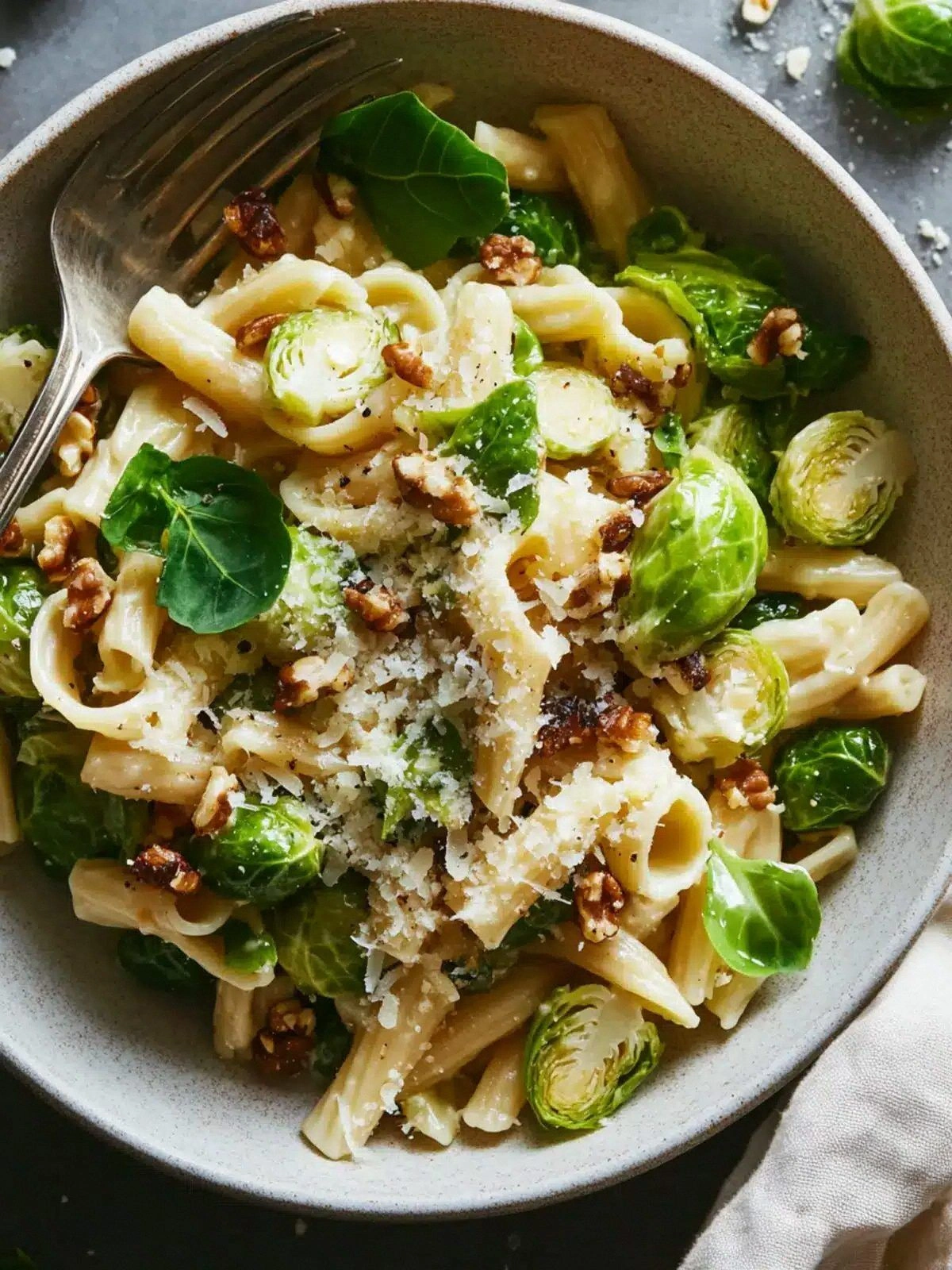
Picture this: a golden-brown, peppery crust on the sprouts, the silky bite of rigatoni, and a buttery sauce that coats each strand like velvet. The hot Italian sausage crackles as it releases its savory juices, while pecans add a satisfying crunch that shatters like thin ice. Every bite is a layered experience—sweetness, spice, salt, and a hint of acidity that lifts the flavors. If you’ve ever felt underwhelmed by a veggie side, this dish will make you rethink your entire approach to greens.
What sets this version apart is not just the bold flavors, but the meticulous balance of textures and the clever use of pantry staples. I dare you to taste this and not go back for seconds—once you experience the buttery pecan crunch, you’ll crave it again. The sauce isn’t just a coating; it’s a character, with a depth that only a slow sauté of garlic and red wine vinegar can deliver. My secret? A splash of vinegar at the very end that brightens the dish and prevents the pecans from becoming cloyingly sweet.
By the end of this post, you’ll wonder how you ever made it any other way. From the first sizzle to the final garnish, every step is a moment of pure culinary magic. I’ll walk you through each detail, sharing the small tweaks that make a big difference. Let’s dive in and turn a simple pot of pasta into a memorable feast that will have everyone asking for your recipe.
What Makes This Version Stand Out
- Taste: The combination of sweet, smoky, and savory flavors creates a complex profile that satisfies every palate. The subtle tang from red wine vinegar cuts through the richness, keeping the dish balanced.
- Texture: Crispy brussels sprouts, tender rigatoni, and crunchy pecans provide a satisfying contrast in each bite. The buttery sauce glides over the pasta, preventing it from drying out.
- Ingredient Quality: Using fresh, high‑quality sausage and fresh pecans elevates the dish beyond a standard weeknight dinner. The pecans are toasted just enough to release their oils without burning.
- Speed: Despite its depth, the recipe completes in under an hour, making it perfect for busy evenings. The prep time is short, and the cooking steps flow seamlessly.
- Make‑ahead Potential: The sauce can be prepared a day ahead, allowing the flavors to meld and intensify. The pasta is best served fresh, but leftovers keep well for a quick lunch.
- Versatility: The recipe accommodates dietary tweaks—swap sausage for turkey, use gluten‑free rigatoni, or add a handful of spinach for extra greens.
- Visual Appeal: The dish boasts a vibrant green base, golden-brown edges, and a glossy, buttery finish that looks as good as it tastes.
Alright, let's break down exactly what goes into this masterpiece...
Inside the Ingredient List
The Flavor Base
The foundation of this dish is the aromatic blend of garlic, olive oil, and red wine vinegar. Garlic, when sautéed just until fragrant, releases a sweet, mellow flavor that underpins the entire sauce. Olive oil provides a smooth, buttery canvas that allows the other flavors to mingle. A splash of vinegar adds acidity, cutting through the richness of the sausage and butter. Together, they create a sauce that’s both comforting and sophisticated.
If you skip the vinegar, the dish will taste heavy and one‑dimensional. The acidity is essential for balancing the sweet pecans and the savory sausage. You can experiment with white wine vinegar for a milder punch, but the classic red wine vinegar gives a deeper, almost fruity undertone. The key is to add the vinegar at the very end of the cooking process to preserve its bright flavor.
The Texture Crew
Brussels sprouts are the star of the show, offering a firm bite and a slightly bitter note that pairs beautifully with sweet pecans. They’re sliced thinly to ensure quick cooking and even caramelization. Rigatoni, with its ridged interior, captures the sauce and holds it against the pasta’s surface, preventing a watery texture. The pecans add a crunchy counterpoint, providing a satisfying snap that breaks up the silky sauce.
If you cut the sprouts too thick, they’ll take longer to cook and may become mushy. Conversely, too thin slices can burn quickly, so aim for a uniform thickness. Rigatoni’s size is ideal for this dish, but feel free to experiment with penne or fusilli if you prefer a different shape. The key is to cook the pasta al dente; otherwise, it will soak up too much sauce and become soggy.
The Unexpected Star
Hot Italian sausage adds a smoky, spicy dimension that elevates the dish beyond a standard pasta. Its fat content keeps the sauce luscious, while the peppery seasoning introduces a subtle heat that plays off the crushed red pepper flakes. The sausage’s texture contrasts nicely with the tender rigatoni, creating a dynamic mouthfeel. For a milder version, substitute sweet Italian sausage or reduce the amount of pepper flakes.
If you don’t have sausage on hand, try using ground chicken or turkey seasoned with Italian herbs. The key is to maintain a balance between savory and spicy; too much heat can overwhelm the delicate flavors of the sprouts and pecans. The sausage also helps bind the dish together, making it feel cohesive rather than a collection of disparate elements.
The Final Flourish
Unsalted butter is the secret weapon that gives this sauce its rich, silky mouthfeel. It coats the pasta and sprouts, allowing the flavors to cling to every bite. Pecorino cheese, grated finely, adds a salty, nutty depth that rounds out the sauce’s profile. Red pepper flakes provide a subtle kick that is felt without overpowering the dish. Together, these ingredients create a sauce that is both luxurious and approachable.
If you’re lactose intolerant, you can replace Pecorino with a vegan cheese or a sprinkle of nutritional yeast for a cheesy flavor. The butter can also be swapped with olive oil for a lighter version, but the texture will change slightly. The key is to keep the sauce smooth and cohesive; a thick, buttery consistency is essential for the dish’s signature feel.
Everything’s prepped? Good. Let’s get into the real action...
The Method — Step by Step
- Heat a large skillet over medium heat and add the olive oil. Let the oil warm until it shimmers, then toss in the sliced brussels sprouts. Cook, stirring frequently, until they develop a golden-brown crust, about 8 minutes. The key is to keep the heat moderate to avoid burning. Once browned, transfer them to a plate and set aside.
- In the same skillet, add the sausage, breaking it up with a wooden spoon. Cook until browned and crumbly, about 5 minutes. The fat from the sausage will render, creating a flavorful base for the sauce. Drain excess fat if desired, but leave some to keep the dish moist.
- Add the minced garlic to the skillet, sautéing until fragrant, about 30 seconds. Be careful not to burn the garlic; a quick stir keeps it from turning bitter. Once the garlic is golden, stir in the crushed red pepper flakes, letting them toast for an additional 10 seconds.
- Pour in the red wine vinegar, scraping up any browned bits from the bottom of the pan. The vinegar should sizzle slightly, signaling that the acidity is ready to mingle with the savory elements. Let it reduce by half, which concentrates the flavor and thickens the sauce.
- Return the browned brussels sprouts to the skillet, tossing them in the sauce so they’re fully coated. Add the pecans and stir to combine. The pecans will toast further, releasing their oils and adding a nutty aroma. This step is the moment of truth—watch the mixture transform into a glossy, velvety sauce.
- Meanwhile, bring a large pot of salted water to a boil. Add the rigatoni and cook until al dente, following the package instructions. Reserve 1 cup of pasta water before draining; it will be used to adjust the sauce consistency.
- Add the cooked rigatoni to the skillet, tossing to coat each piece in the sauce. If the mixture feels too thick, pour in a splash of the reserved pasta water, one tablespoon at a time, until you reach your desired consistency. The pasta should feel silky, not sticky.
- Finish the dish with a generous handful of grated Pecorino, stirring until it melts into the sauce. Season with freshly ground pepper and a pinch of kosher salt, adjusting to taste. The Pecorino should add a salty, nutty finish that ties all the flavors together.
- Serve immediately, garnished with a few extra pecan halves and a sprinkle of freshly ground pepper. The dish should be warm, with a glossy, buttery finish and a pleasant crunch from the pecans. The aroma of caramelized sprouts and savory sausage will fill your kitchen, making the experience truly unforgettable.
- That’s it — you did it. But hold on, I've got a few more tricks that'll take this to another level. Keep reading to discover how to elevate this dish further with a few simple adjustments.
Insider Tricks for Flawless Results
The Temperature Rule Nobody Follows
Maintaining the right heat is crucial for caramelizing the sprouts without burning them. Start with medium heat, then lower to medium‑low once they begin to brown. This steady heat ensures the sugars in the sprouts break down evenly, creating a deep, sweet crust. If you’re cooking on a gas stove, use the middle burner and keep the flame low. The result is a tender, flavorful base that sets the tone for the entire dish.
Why Your Nose Knows Best
Before adding the Pecorino, pause and sniff the sauce. A bright, buttery aroma indicates the butter has melted correctly. If it smells metallic, the cheese is overcooked. The scent is a reliable indicator that the sauce is ready for the final touch. Trust your nose; it’s the most accurate judge of flavor balance.
The 5‑Minute Rest That Changes Everything
Once the pasta is tossed in the sauce, let it rest for 5 minutes off the heat. During this brief rest, the pasta continues to absorb the sauce, resulting in a more cohesive bite. The rest also allows the flavors to meld, creating a richer taste profile. If you’re in a rush, skip this step, but you’ll miss the subtle depth it adds.
Pecan Perfection
To avoid soggy pecans, toast them in a dry pan until fragrant, then add them at the last minute of cooking. This preserves their crunch and releases a nutty aroma that enhances the dish’s overall fragrance. If you prefer a softer texture, toast them longer, but watch carefully to avoid burning.
Sausage Swap
If you’re watching calories, opt for a leaner sausage or substitute ground turkey seasoned with Italian herbs. The lean sausage still delivers the smoky flavor but with reduced fat content. Keep the seasoning consistent to maintain the dish’s integrity. This swap keeps the dish light yet flavorful.
Sauce Consistency
If the sauce feels too thick, add reserved pasta water in small increments until it reaches a silky consistency. The starch in the pasta water helps bind the sauce, preventing it from becoming greasy. Conversely, if it’s too thin, continue cooking on low heat, allowing the excess liquid to evaporate. Balance is key.
Creative Twists and Variations
This recipe is a playground. Here are some of my favorite ways to switch things up:
Mediterranean Boost
Swap the hot sausage for sun‑dried tomato crumbles and add a handful of Kalamata olives. The briny olives complement the sweet pecans, while the sun‑dried tomatoes add a chewy texture. Finish with a sprinkle of chopped fresh oregano. This version feels like a summer picnic in a bowl.
Spicy Cajun Kick
Replace the Italian sausage with Andouille sausage and add a dash of Cajun seasoning. The smoky, peppery flavor pairs beautifully with the brussels sprouts. Add a pinch of cayenne for an extra punch. This twist transforms the dish into a hearty, soulful meal.
Vegan Delight
Use plant‑based sausage or lentils for protein, and replace the butter with a drizzle of high‑quality olive oil. Use nutritional yeast instead of Pecorino for a cheesy flavor. Add a splash of lemon juice for brightness. This version is both compassionate and delicious.
Pecan‑Free Version
If you’re allergic to nuts, swap pecans for toasted pumpkin seeds. The seeds offer a similar crunch and a mild, sweet flavor. Keep the rest of the recipe unchanged, and you’ll still enjoy a satisfying, nutty finish.
Cheesy Twist
Add a handful of shredded mozzarella or provolone to the sauce for a gooey, melty texture. The cheese adds a creamy layer that contrasts with the buttery sauce. Sprinkle extra Pecorino on top for a salty finish. This variation feels like a decadent comfort dish.
Herb‑Infused Finale
Finish the dish with a handful of fresh basil or parsley, tossing it in at the last minute. The fresh herbs add a burst of color and a bright, herbal note that lifts the overall flavor. This simple addition gives the dish a fresh, garden‑fresh finish.
Storing and Bringing It Back to Life
Fridge Storage
Cool the pasta completely before transferring it to an airtight container. Store in the refrigerator for up to 3 days. The sauce will thicken as it cools, so add a splash of water or pasta water when reheating to restore its silky texture. Keep the container sealed to preserve freshness.
Freezer Friendly
For longer storage, place the cooked pasta in a freezer‑safe bag or container, leaving a small space for expansion. Freeze for up to 2 months. When ready to eat, thaw overnight in the refrigerator, then reheat gently with a splash of water. The flavor remains robust, and the texture stays firm.
Best Reheating Method
Reheat the dish in a skillet over medium heat, adding a tablespoon of water or broth to keep it moist. Stir frequently until hot and bubbly. If the sauce has thickened too much, add a bit more liquid until it reaches the desired consistency. Serve immediately for the best experience.