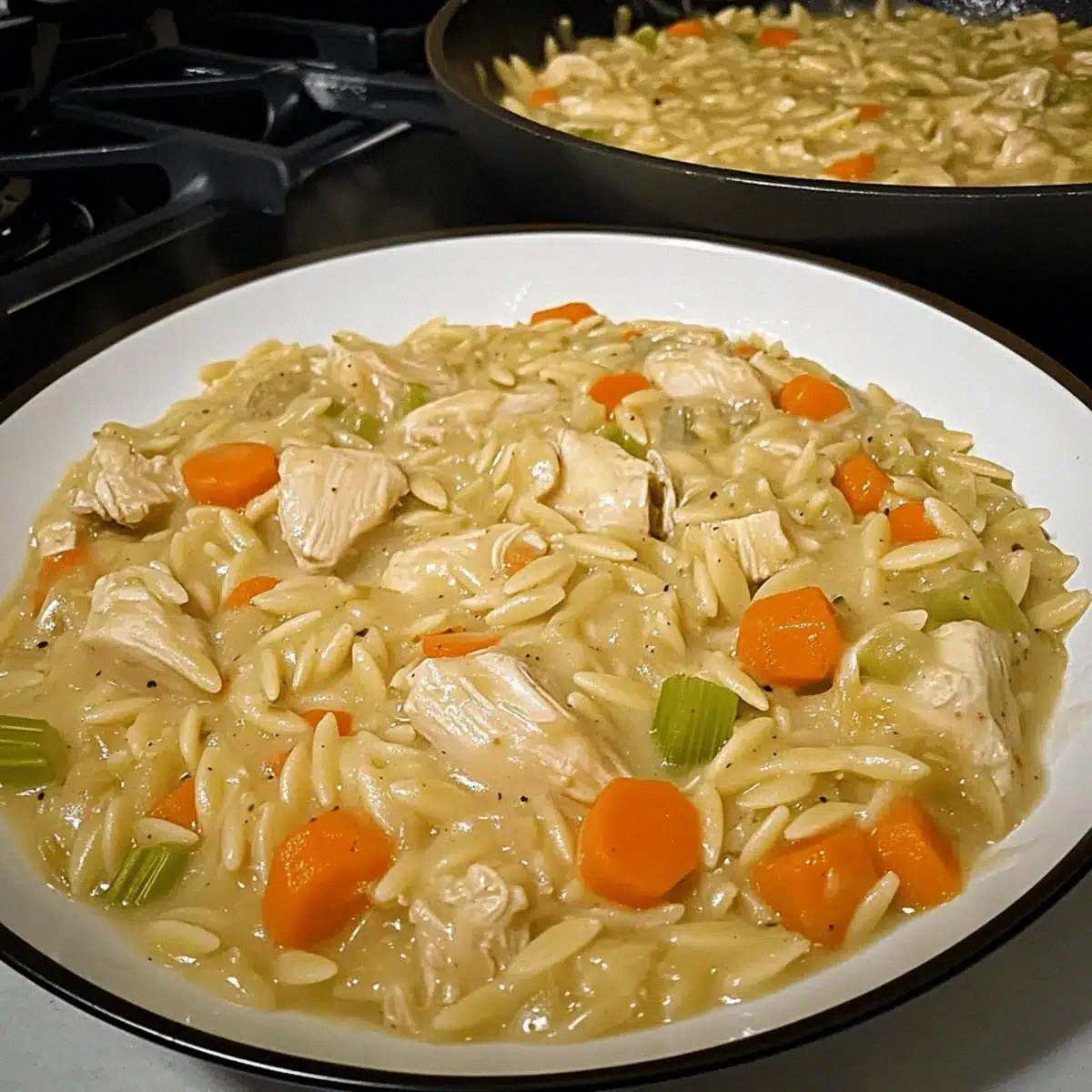
I’ll be honest — I ate half the batch before anyone else got to try it, and that’s because this dish is a straight‑up love‑letter to comfort food. It all started on a rainy Tuesday when my oven decided to quit mid‑roast, leaving me with a pan of raw chicken and a craving that screamed “something creamy, something hearty, something that hugs you from the inside.” I tossed the chicken into a pot, added whatever veggies were lurking in the fridge, and reached for a box of orzo that was practically begging to be the star. The result? A single‑pot wonder that tastes like a pot‑pie and feels like a warm blanket on a cold day.
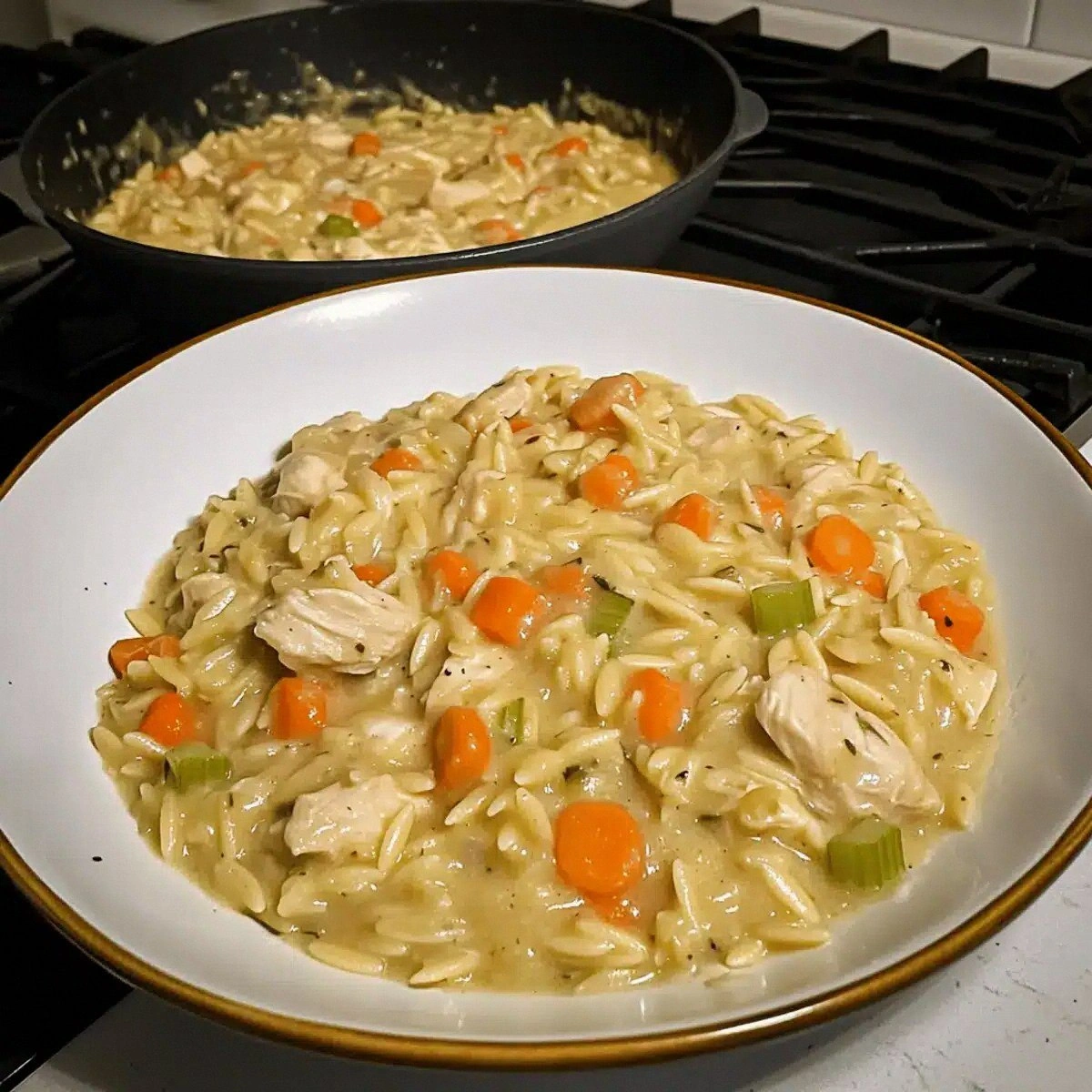
Picture yourself pulling this out of the pot, the whole kitchen smelling incredible, the steam curling around the countertops like a soft sigh. The orzo is perfectly al dente, the chicken is tender enough to fall apart with a fork, and the sauce? Oh, the sauce coats the pasta like velvet, with a buttery richness that makes every bite feel like a celebration. I dare you to taste this and not go back for seconds; the combination of creamy broth and subtle herbs is so addictive you’ll be counting the minutes until dinner.
Most recipes get this completely wrong. They either over‑cook the pasta, leaving it mushy, or they skimp on the sauce, resulting in a dry, sad dish that looks like a sad excuse for a casserole. Here’s what actually works: a roux that’s cooked just enough to lose its raw flour edge, a splash of heavy cream that adds silkiness, and a splash of chicken bouillon that injects depth without the need for a stock cube. The secret ingredient that most cooks overlook is the butter‑olive oil combo, which creates a flavor base that sings louder than any pre‑made sauce could.
Okay, ready for the game‑changer? We’re going to use orzo instead of traditional pie crust, which means you get all the comforting, buttery crunch without the extra work of rolling dough. This technique is pure magic, and it keeps the dish in one pot, so cleanup is practically nonexistent. Let me walk you through every single step — by the end, you’ll wonder how you ever made it any other way.
What Makes This Version Stand Out
- Flavor Explosion: The blend of butter, olive oil, and chicken bouillon creates a depth that feels like a slow‑cooked stew, yet it comes together in under an hour.
- Texture Triumph: Orzo stays perfectly al dente, while the sauce clings to each grain, delivering a creamy bite with just enough bite.
- Simplicity: One pot, one pan, and a handful of pantry staples — no fancy equipment, no separate sauce pan.
- Unique Twist: Replacing the traditional crust with orzo gives you the comforting feel of a pot pie without the heaviness of pastry.
- Crowd‑Pleaser: I’ve served this at family gatherings and watched grown‑ups fight over the last spoonful; it’s that good.
- Ingredient Quality: Fresh chicken breasts and crisp vegetables keep the dish bright, while the heavy cream adds luxurious richness.
- Cooking Method: The stovetop‑only approach means you can make this in apartments without ovens, and it’s perfect for winter evenings.
- Make‑Ahead Potential: This dish stores beautifully, and the flavors meld even more after a night in the fridge.
Alright, let's break down exactly what goes into this masterpiece...
Inside the Ingredient List
The Flavor Base
Butter and olive oil are the dynamic duo that kickstarts the flavor journey. The butter brings a nutty, caramelized note, while the olive oil raises the smoke point, ensuring the vegetables don’t burn. If you skip the butter, you’ll lose that buttery richness that makes the sauce feel like a hug. As a swap, you can use ghee for a slightly nuttier profile, but keep the olive oil for that silky mouthfeel.
Onion, celery, and carrots form the classic mirepoix, the holy trinity of savory dishes. The yellow onion adds sweetness once it caramelizes, the celery contributes a crisp, aromatic crunch, and the carrots bring a subtle earthiness. If you’re out of carrots, try parsnips for a similar texture with a hint of spice. When selecting carrots, look for firm, bright orange roots—those are the sweetest.
The Texture Crew
Orzo pasta is the star of the show, delivering that comforting bite you expect from a pot pie crust. It cooks quickly, about 8‑10 minutes, and its shape allows the sauce to cling beautifully. If you can’t find orzo, try pearl couscous or even small ditalini; the texture will be slightly different but still delightful.
Chicken breasts provide lean protein that stays moist when cooked gently in the broth. The key is to cut them into bite‑size pieces before cooking so they absorb the flavors instantly. For a richer taste, you could substitute thigh meat, which adds a bit more fat and juiciness without altering the overall balance.
The Unexpected Star
Heavy whipping cream is the secret weapon that turns a simple broth into a velvety, indulgent sauce. It adds a luxurious mouthfeel and balances the salt from the bouillon. If you’re watching calories, you can halve the cream and replace the rest with half‑and‑half, but the texture will be a shade lighter.
Chicken bouillon powder is a concentrated flavor booster. A single teaspoon is enough to deepen the broth without making it salty. If you’re on a low‑sodium diet, use a low‑sodium version or a pinch of dried thyme and rosemary to achieve a similar depth.
The Final Flourish
All‑purpose flour creates the roux that thickens the sauce, giving it that luscious, spoon‑coating quality. It’s crucial to cook the flour just until it’s lightly golden; undercooking leaves a raw flour taste, while overcooking can make it taste bitter. If you’re gluten‑free, substitute with rice flour or a gluten‑free blend—just be aware the thickening power may vary slightly.
Everything's prepped? Good. Let's get into the real action...
The Method — Step by Step
Heat a large, heavy‑bottomed pot over medium heat and add the tablespoon of olive oil followed by the two tablespoons of butter. As the butter melts, you’ll hear a gentle sizzle—listen for that “pop” that tells you the fat is hot enough but not burning. Once the butter foam subsides, add the diced onion, celery, and carrots. Cook, stirring occasionally, until the vegetables soften and the onion turns translucent, about 5‑6 minutes. That aromatic base is the foundation of our flavor, so don’t rush it.
Push the softened veggies to the side of the pot and add the chicken pieces. Let them sear for 2‑3 minutes without moving them; you’ll see the edges start to turn golden. This step builds a caramelized crust that locks in juices. Stir everything together, allowing the chicken to brown evenly. If you notice any bits sticking, deglaze with a splash of chicken broth, scraping up those flavorful browned bits.
Now sprinkle the quarter‑cup of all‑purpose flour over the meat and vegetables. Stir constantly for about 2 minutes; this cooks the flour and eliminates any raw taste. You’ll notice the mixture turning a light, sandy color—this is your roux forming. Watch Out: If the heat is too high, the flour can burn, giving the sauce a bitter aftertaste. Keep the temperature moderate and keep stirring.
Gradually pour in the two cups of chicken broth while whisking vigorously. The liquid will thicken almost immediately, creating a glossy, velvety base. Add the teaspoon of chicken bouillon powder now, dissolving it completely. Let the mixture come to a gentle simmer; you’ll see tiny bubbles forming around the edges of the pot.
Stir in the one cup of orzo, making sure each grain is coated with the creamy broth. Reduce the heat to low, cover the pot, and let the orzo cook for about 8‑10 minutes. Check the texture after 8 minutes—if the orzo is still firm, give it another minute or two. The goal is al dente, with a slight bite that will hold up when mixed with the sauce.
When the orzo reaches perfection, lower the flame and pour in the cup of heavy whipping cream. The sauce will instantly become richer and smoother; you’ll see it swirl like silk across the surface. Stir gently to combine, then taste for seasoning. If it needs a pinch of salt or a dash of pepper, add it now—remember, the bouillon already contributed saltiness.
Let the pot simmer uncovered for another 3‑4 minutes, allowing the sauce to thicken further. You’ll notice the edges of the pot starting to pull away from the mixture—a clear sign that the sauce is thick enough to coat the orzo without being runny. This is the moment of truth; if the sauce looks too thick, add a splash of broth or water, but be cautious—too much liquid will dilute the flavor.
Turn off the heat and let the pot sit for a minute. This brief rest lets the flavors meld and the heat distribute evenly, preventing hot spots. Give the dish a final stir, then garnish with a handful of fresh parsley or a drizzle of melted butter for extra shine. Serve directly from the pot, letting everyone ladle their own generous portions.
That's it — you did it. But hold on, I've got a few more tricks that'll take this to another level...
Insider Tricks for Flawless Results
The Temperature Rule Nobody Follows
Most home cooks crank the heat up to speed through the cooking process, but that ruins the delicate balance of a creamy sauce. Keep the heat at a gentle simmer once the broth is added; this prevents the cream from curdling and ensures the roux stays smooth. I once tried a high‑heat method and ended up with a grainy texture that resembled overcooked gravy. Trust the low‑and‑slow approach, and you’ll get that silky mouthfeel every single time.
Why Your Nose Knows Best
Your nose is the secret sous‑chef. When the onions start to caramelize, you’ll smell a sweet, almost nutty aroma—that’s your cue to add the chicken. Later, as the broth simmers, a faint, savory perfume signals that the flavors are marrying. If you ever feel uncertain, just follow the scent; it’s a reliable indicator of doneness.
The 5‑Minute Rest That Changes Everything
After you turn off the heat, let the pot sit, covered, for five minutes. This rest allows the starches in the orzo to fully absorb the sauce, creating a cohesive, creamy texture. I once served the dish immediately and the sauce was a bit thin; after the rest, it thickened beautifully. This tiny pause makes the difference between “good” and “restaurant‑level.”
Seasoning in Layers
Instead of dumping all the salt at once, season at three key points: after sautéing the veggies, after adding the broth, and finally after the cream. This layered approach builds depth and prevents the dish from tasting flat. One of my friends tried adding all the salt at the end and ended up with a bland sauce that needed a rescue mission.
The Secret of Fresh Herbs
Fresh parsley or thyme added at the very end injects a bright, herbaceous pop that cuts through the richness. Dried herbs lose their potency after prolonged cooking, so keep them for the early stages and switch to fresh for the finish. If you don’t have fresh herbs, a teaspoon of dried Italian seasoning works, but the flavor won’t be as vibrant.
Creative Twists and Variations
This recipe is a playground. Here are some of my favorite ways to switch things up:
Mushroom Medley
Swap half of the chicken for sliced cremini or shiitake mushrooms. The earthy umami pairs beautifully with the creamy sauce, and you’ll get a slightly firmer bite that adds texture variety. Ideal for vegetarians who still crave that comforting richness.
Spicy Southwest
Add a teaspoon of smoked paprika and a dash of chipotle powder, then stir in a cup of frozen corn and black beans. The smoky heat and sweet corn create a surprising twist that feels like a Tex‑Mex comfort casserole.
Herby Lemon Zest
Finish the dish with the zest of one lemon and a tablespoon of fresh dill. The citrus brightens the heavy cream, while dill adds a fresh garden note. This version is perfect for spring evenings when you want something light yet indulgent.
Cheesy Bake
Transfer the finished pot to a baking dish, sprinkle a generous layer of grated Gruyère or sharp cheddar, and broil for 3‑4 minutes until golden and bubbly. The cheese crust adds a crunchy contrast to the creamy interior—think pot pie meets mac and cheese.
Whole‑Grain Upgrade
Replace orzo with whole‑grain farro or barley for a nuttier flavor and extra fiber. You’ll need to increase the cooking liquid by about a half‑cup and extend the simmering time by 5‑7 minutes. The result is a heartier, more rustic version that still feels cozy.
Storing and Bringing It Back to Life
Fridge Storage
Allow the pot pie orzo to cool to room temperature, then transfer it to an airtight container. It keeps beautifully for up to 4 days. When reheating, add a splash of chicken broth or water—about a tablespoon per serving—to revive the sauce’s silkiness.
Freezer Friendly
Portion the cooled dish into freezer‑safe bags or containers, leaving a little headspace for expansion. It freezes well for up to 3 months. To reheat, thaw overnight in the fridge, then warm gently on the stovetop, stirring in a bit of broth until the sauce regains its glossy texture.
Best Reheating Method
The stovetop is king for reheating. Place the desired amount in a saucepan over low heat, add a tablespoon of water or broth, and stir continuously until heated through. Avoid the microwave if you can; it can cause the sauce to separate and the orzo to become gummy.