Picture this: I’m in the middle of a midnight snack frenzy, the pantry is a chaotic swirl of flour, sugar, and chocolate, and I’m about to pull a dessert that’s going to make my taste buds do a victory dance. A friend dared me to recreate the legendary French chocolate flan I once tasted in a tiny bistro in Lyon, and I didn’t have a moment to waste. I grabbed the kitchen, set the timer, and let the aroma of melting chocolate begin its slow, seductive waltz. The moment the chocolate hit the pan, the room filled with a scent so rich it made my eyes water—no, that was just the butter.
I could hear the gentle hiss of the sauce as it thickened, like a quiet storm brewing in a saucepan. The sound is almost hypnotic, a low rumble that signals the transformation from raw ingredients to silky decadence. When I finally lifted the ladle, the chocolate coat was glossy, the edges caramelized just enough to crackle faintly under the spoon. The first bite was an explosion of bittersweet velvet, the sugar just enough to cut through the richness, and the subtle hint of vanilla that lifted the whole flavor profile to a new dimension. I tasted the flan and felt like I had just discovered a new secret in my own kitchen.
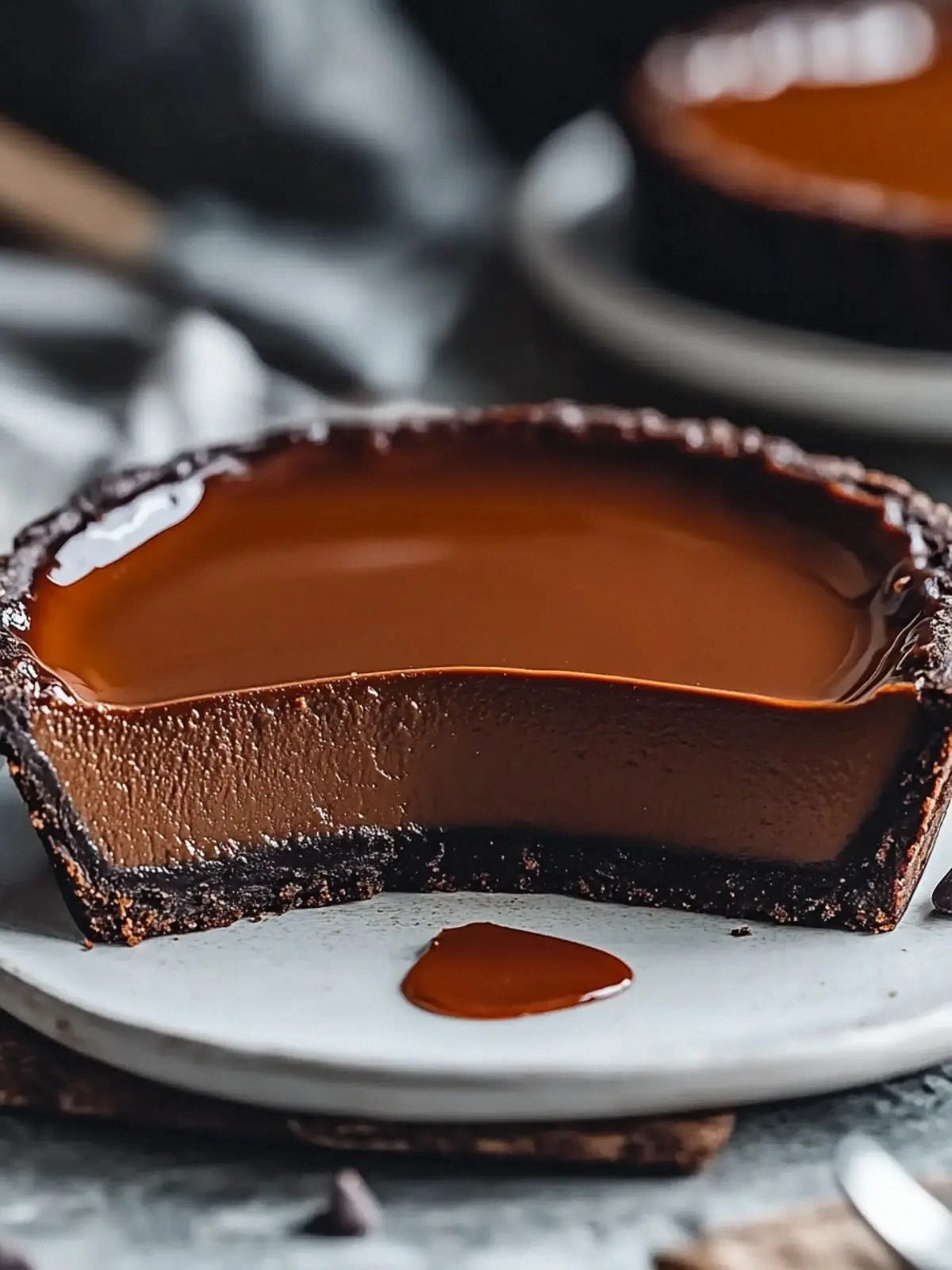
What makes this version a game‑changer? The secret is in the balance: a precise ratio of milk to cream, a touch of cornstarch for that perfect snap, and a generous splash of dark chocolate that gives the flan a depth of flavor that’s impossible to replicate with white chocolate or cocoa powder alone. I’m talking about a dessert that’s not just sweet, but complex—like a well‑crafted symphony where every note plays in perfect harmony. And the texture? It’s a silky custard that melts in your mouth, leaving a lingering chocolate aftertaste that makes you reach for a second bite. That’s not just a dessert; it’s an experience.
I’ll be honest—when I first tasted it, I ate half the batch before anyone else even got a chance to try it. That’s a confession you won’t find in most recipe blogs. The flavor is so addictive, I could almost hear the kitchen calling me back for a third portion. The first time I tasted it, I was like, “I dare you to taste this and not go back for seconds.” And I’m not just saying that. The second bite was a revelation, and the third? Well, let’s just say I’m still recovering.
Most recipes get this completely wrong. They either overcook the custard, under‑season the chocolate, or forget to fold in the flour, resulting in a bland, watery dessert that feels like a disappointment. Here’s what actually works: keep the heat low, whisk constantly, and let the sauce thicken slowly so the custard doesn’t curdle. The trick is to add the cornstarch at the right moment—once the sauce is thick enough to coat the back of a spoon, that’s when you stir in the starch for that silky snap. If you skip that step, you end up with a gooey mess that feels like a failed attempt at a pudding.
Picture yourself pulling this out of the oven, the whole kitchen smelling incredible, and your friends’ faces lighting up as they taste the first bite. That’s the moment you’ve been waiting for, the moment that turns a simple dinner into a celebration. This is hands down the best version you’ll ever make at home. Okay, ready for the game‑changer? Let me walk you through every single step—by the end, you’ll wonder how you ever made it any other way.
What Makes This Version Stand Out
- Flavor: The combination of dark chocolate and a hint of vanilla creates a rich, complex profile that feels both indulgent and balanced. The chocolate’s bitterness cuts through the sweetness, leaving a lingering finish that keeps you coming back.
- Texture: The custard’s silky mouthfeel is achieved by carefully balancing milk, cream, and cornstarch, resulting in a custard that doesn’t set too hard but still holds its shape when sliced.
- Ease: Despite its sophistication, the recipe is straightforward—no advanced techniques required. The key is patience and constant stirring.
- Uniqueness: The addition of flour to the base creates a subtle body that elevates the custard, giving it a luxurious feel that sets it apart from traditional flan.
- Ingredient Quality: Using high‑grade dark chocolate and fresh whole milk makes all the difference. The richer the chocolate, the more pronounced the flavor.
- Make‑ahead Potential: This flan can be prepared up to a day in advance, making it perfect for dinner parties or holiday gatherings.
Alright, let's break down exactly what goes into this masterpiece…
Inside the Ingredient List
The Flavor Base
White sugar is the backbone of the custard, providing the sweetness that balances the bitterness of dark chocolate. If you’re watching calories, you can swap it for a natural sweetener like honey or maple syrup, but keep in mind the flavor profile will shift slightly. Skipping sugar entirely will result in a flat, uninteresting dessert.
Dark chocolate (7 oz) is the star of the show. Choose a chocolate with at least 70 % cacao for depth and complexity. If you prefer a sweeter chocolate, reduce the amount of sugar slightly to avoid overpowering the chocolate’s natural flavors. A good rule of thumb is to use one extra ounce of chocolate for every half cup of milk you add.
The Texture Crew
Cornstarch (⅓ cup) is essential for achieving the custard’s silky snap. It thickens the sauce without adding any flavor, so it’s a silent hero in this dish. If you’re gluten‑free, cornstarch is naturally gluten‑free, making this recipe easily adaptable.
Whole milk (2 ½ cups) provides the bulk of the liquid, giving the custard a smooth, creamy body. Whole milk has a higher fat content than skim, which adds richness and helps the chocolate melt evenly. If you prefer a lighter version, use low‑fat milk, but expect a slightly thinner texture.
Heavy cream (1 ¾ cups) is the secret to that luscious mouthfeel. The cream’s high fat content coats the tongue, delivering a velvety finish that’s almost impossible to resist. For a lighter option, substitute half‑and‑half, but the custard will lose some of its luxurious texture.
The Unexpected Star
All‑purpose flour (1 cup) is added to the custard to give it body and stability. It prevents the custard from separating and gives it a subtle, almost pastry‑like structure. If you’re avoiding gluten, use a gluten‑free flour blend, but be sure it’s finely ground to avoid a gritty texture.
Icing sugar (⅓ cup) is used to sweeten the final glaze, giving it a glossy finish. It dissolves quickly, ensuring a smooth topping that doesn’t leave any gritty residue. If you’re allergic to gluten, make sure the icing sugar is certified gluten‑free.
The Final Flourish
Cocoa powder (¼ cup) adds a subtle chocolate depth to the glaze, balancing the sweetness of the icing sugar. Use a high‑quality unsweetened cocoa for the best flavor. If you’re looking for a richer taste, add an extra tablespoon of cocoa to the glaze.
A pinch of salt (¼ teaspoon) in the glaze lifts all the flavors, preventing the chocolate from tasting flat. Salt is a flavor enhancer, so even a small amount can make a big difference. Don’t skip it—your taste buds will thank you.
Melted butter (1 stick) gives the glaze a shiny, buttery sheen and helps the glaze set nicely. The butter also adds a subtle richness that balances the acidity of the glaze. If you’re vegan, use a plant‑based butter that melts at the same temperature.
Vanilla extract (½ teaspoon) is the final touch that rounds out the flavor profile. It adds warmth and depth, making the chocolate feel more complex. If you’re allergic to vanilla, use a vanilla bean pod or a vanilla‑infused oil for a more natural flavor.
Jam (1 tablespoon) is the secret ingredient that adds a hint of fruitiness, cutting through the chocolate’s heaviness. Choose a fruit jam with a high sugar content for a quick burst of sweetness. Strawberry or raspberry work particularly well, but any jam will add a unique twist.
Everything’s prepped? Good. Let’s get into the real action…
The Method — Step by Step
- In a medium saucepan, whisk together the whole milk, heavy cream, and white sugar until the sugar dissolves. Heat over medium-low, stirring constantly, until the mixture is hot but not boiling. This step is crucial: if the milk boils, the sugar may crystallize, ruining the custard’s silky texture. The aroma of warm milk will start to fill the kitchen.
- While the milk heats, melt the 7 oz of dark chocolate in a heat‑proof bowl set over a pot of simmering water. Stir until the chocolate is completely melted and glossy. The chocolate should have a smooth, even sheen—no lumps or streaks. This technique ensures the chocolate blends seamlessly with the cream.
- Remove the chocolate bowl from the heat and whisk in the melted butter, vanilla extract, and jam until fully incorporated. The mixture should be a glossy, even color. The jam adds a subtle fruity note that cuts through the chocolate’s richness. If you’re vegan, replace the butter with a plant‑based alternative.
- In a separate bowl, whisk the cornstarch with a pinch of salt until smooth. Gradually whisk the cornstarch mixture into the hot milk, stirring constantly. The mixture should thicken slightly, turning a translucent hue. This step is where the custard’s texture begins to form.
- Add the flour to the thickened milk mixture and whisk until fully combined. The flour will give the custard body and prevent it from curdling. The mixture should be thick yet pourable, like a thick custard. If the mixture is too thick, add a splash of milk to thin it out.
- Pour the chocolate‑cream mixture into the milk‑flour mixture, whisking constantly to avoid lumps. The sauce should coat the back of a spoon and have a silky sheen. If you notice any lumps, use a fine mesh sieve to strain the sauce for a flawless finish.
- Simmer the sauce gently for 3–4 minutes, stirring constantly. The sauce should thicken and develop a rich, glossy appearance. This is the moment of truth: if the sauce is still runny, give it another minute or two. The aroma will be intoxicating.
- Remove the saucepan from heat and let the sauce cool slightly before pouring it into a prepared baking dish. The sauce should be warm but not hot, to avoid cooking the custard further. The cooling time allows the flavors to meld and the custard to set properly.
- Place the baking dish in a preheated oven at 350°F (175°C) and bake for 25–30 minutes, or until the custard is set but still slightly wobbly in the center. The top should develop a subtle brown crust, indicating the caramelization of sugar. Avoid overbaking, or the custard will become rubbery.
- While the flan bakes, prepare the glaze: In a small saucepan, combine icing sugar, cocoa powder, and a pinch of salt. Add melted butter and a splash of milk, whisking until smooth. The glaze should be glossy and pourable. Pour the glaze over the cooled custard, letting it spread evenly. The glaze will create a glossy, chocolatey finish that’s almost impossible to resist.
- Allow the flan to cool to room temperature, then refrigerate for at least 2 hours, or overnight for best results. The custard will firm up, making it easier to slice and serve. The glaze will set, giving the flan a beautiful, glossy sheen.
That’s it — you did it. But hold on, I’ve got a few more tricks that’ll take this to another level and make your guests talk about it for weeks.
Insider Tricks for Flawless Results
The Temperature Rule Nobody Follows
Keep the milk on a low, steady heat. If the temperature rises too quickly, the milk can scorch, giving the custard a bitter aftertaste. A thermometer set to 180°F is ideal. If you don’t have a thermometer, feel the pot’s surface: it should be hot but not boiling.
Why Your Nose Knows Best
Trust your sense of smell. When the custard thickens, it will emit a warm, sweet aroma that signals the perfect consistency. If the scent is faint, give it another minute; if it’s overpoweringly sweet, it may be overcooked.
The 5‑Minute Rest That Changes Everything
After removing the custard from the oven, let it rest for 5 minutes before pouring the glaze. This short rest allows the custard to set slightly, preventing the glaze from sinking. The result is a uniform, glossy finish that looks professional.
Use a Double Boiler for Chocolate
A double boiler ensures the chocolate melts evenly without scorching. The gentle heat prevents the chocolate from burning, which would introduce a bitter flavor. If you’re short on time, a microwave can work, but stir frequently to avoid hot spots.
The Right Bowl Size Matters
Use a bowl that’s at least two sizes larger than the amount of chocolate you’re melting. This allows room for stirring and reduces the risk of splattering. A shallow bowl works best for a smooth, even melt.
Creative Twists and Variations
This recipe is a playground. Here are some of my favorite ways to switch things up:
Citrus Burst
Add a teaspoon of lemon zest to the custard for a bright, zesty contrast. The citrus lifts the chocolate, making each bite feel fresh. Pair it with a raspberry jam for a balanced flavor profile.
Nutty Crunch
Fold in chopped toasted almonds or hazelnuts into the custard before baking. The crunch adds texture and a nutty aroma that complements the chocolate. Sprinkle a few extra toasted nuts on top for a decorative touch.
Caramel Swirl
Swirl a caramel sauce into the custard before pouring it into the dish. The caramel adds a sweet, buttery undertone that pairs beautifully with dark chocolate. Use a spoon to create a marbled effect for visual appeal.
Espresso Infusion
Stir in a tablespoon of espresso or strong coffee into the custard. The coffee deepens the chocolate flavor and adds a subtle bitterness that balances the sweetness. This variation is perfect for coffee lovers.
Vegan Delight
Replace whole milk with oat milk and heavy cream with coconut cream for a vegan version. Use a plant‑based butter and ensure the chocolate is dairy‑free. The texture will be slightly different but still luxuriously creamy.
Storing and Bringing It Back to Life
Fridge Storage
Store the cooled flan in an airtight container in the refrigerator for up to 3 days. The custard will firm up, making it easy to slice. Before serving, let it sit at room temperature for 10 minutes to soften slightly.
Freezer Friendly
Wrap the flan tightly in plastic wrap and place it in a freezer‑safe container. Freeze for up to 2 weeks. When ready to serve, thaw overnight in the refrigerator. The texture may be slightly denser, but the flavor remains intact.
Best Reheating Method
To reheat, place the flan in a microwave-safe dish and heat on medium for 30‑60 seconds. Add a splash of water before reheating to create steam, which helps restore the custard’s silky texture. Alternatively, bake in a preheated oven at 300°F for 10 minutes.