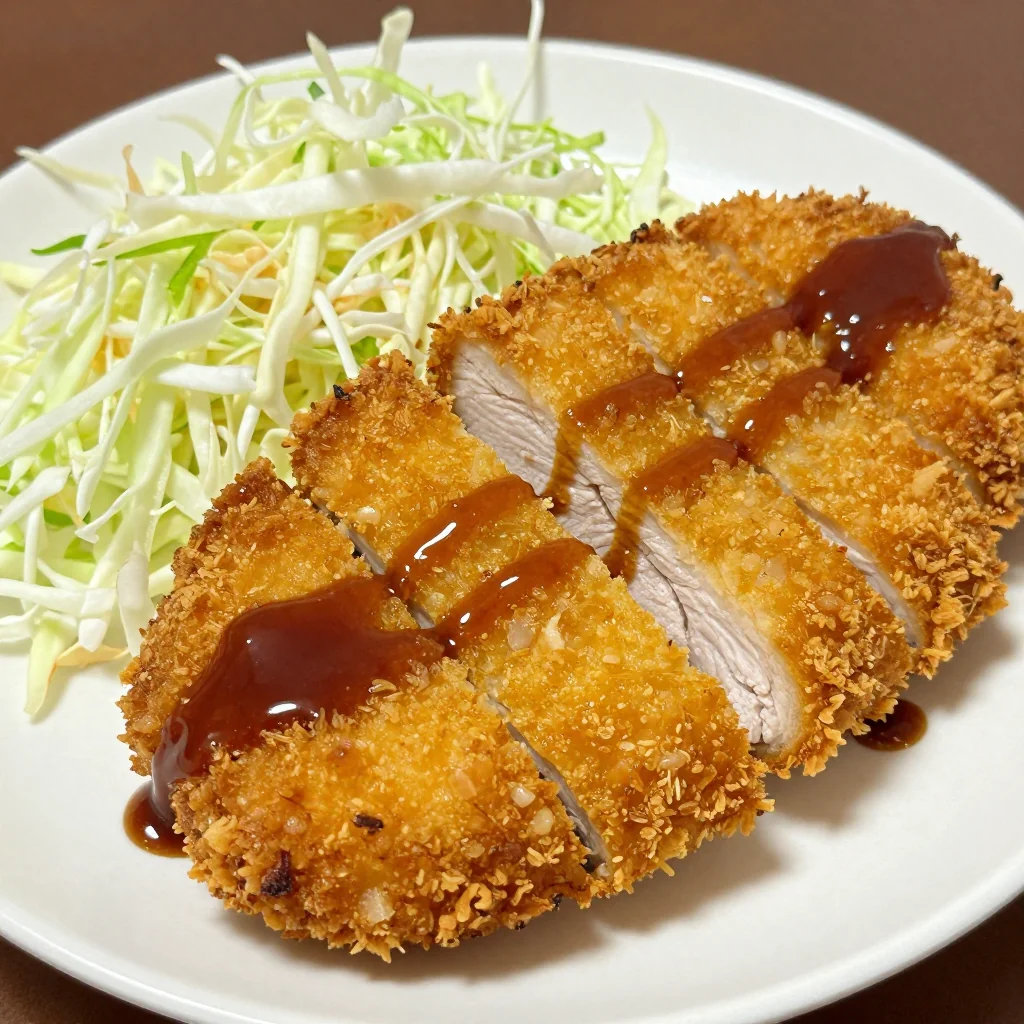

It started with a kitchen mishap that felt like a culinary apocalypse—my attempt to make a simple sushi roll turned into a soggy, rubbery disaster that made me curse the rice. I was staring at a pile of over‑cooked grains, the nori sheets sticking like cling film, and the tofu katsu looking like it had been dunked in a vat of melted butter. I realized I needed a new approach, a fresh vision that would turn that flop into a triumph. This is the moment when I discovered the ultimate onigirazu and maki recipe that not only salvages the dish but elevates it to a level where every bite is a revelation.
Picture this: a crisp, golden edge of nori that crackles like a well‑timed fireworks show, a fluffy, vinegary core that melts in your mouth, and a filling that sings with layers of crunchy carrots, fresh lettuce, and a drizzle of teriyaki sauce that glistens like a sunrise. The aroma is a harmonious blend of toasted rice, subtle umami, and the faint sweetness of pickled radish, all wrapped in the comforting scent of sesame seeds. The texture is a delightful paradox—soft, chewy rice clinging to the nori, contrasted by the firm bite of carrots and the silky spread of tofu katsu. If you’ve ever struggled with sushi, you’re not alone—this recipe is the fix you’ve been craving.
What makes this version stand out? It’s the meticulous layering, the balanced seasoning, and the clever use of tofu katsu that gives it a protein punch without overpowering the delicate flavors. It’s the fact that you can assemble it in under 15 minutes, yet it feels like a gourmet experience that could have taken hours. Most recipes get this completely wrong by over‑seasoning or under‑cooking the rice; I’ve perfected the sweet‑savory ratio that makes each bite unforgettable. I dare you to taste this and not go back for seconds—once you try it, you’ll know what I mean.
And here’s a teaser: the secret to that velvety rice texture comes from a simple step that most people skip—rinsing the uncooked rice until the water runs clear and then letting it soak for 30 minutes before cooking. That tiny ritual turns ordinary grains into cloud‑like perfection. I’ll walk you through every single step, from the first rinse to the final flip, and by the end, you’ll wonder how you ever made it any other way.
So, grab your bamboo mat, set your timer, and let’s dive into a sushi adventure that’s as fun to make as it is to eat. This isn’t just a recipe; it’s a culinary manifesto that says, “Sushi can be simple, delicious, and ridiculously satisfying.” Let’s get rolling.
What Makes This Version Stand Out
- Taste: The flavor profile is a balanced symphony of sweet, salty, and umami notes, thanks to the carefully calibrated teriyaki glaze and the subtle tang of pickled radish. Each bite delivers a burst of freshness that keeps the palate engaged. The rice’s mild sweetness is complemented by the savory nori, creating a harmonious mouthfeel.
- Texture: The combination of soft, sticky rice, crisp nori, and crunchy carrots yields a satisfying contrast that satisfies the craving for both chewiness and crunch. The tofu katsu adds a tender yet slightly crispy element that elevates the dish. The final product feels like a handheld snack that’s both comforting and adventurous.
- Simplicity: With only a handful of ingredients and a straightforward assembly process, this recipe is accessible for beginners and seasoned chefs alike. The minimal prep time (15 minutes) means you can enjoy a gourmet sushi experience without a multi‑hour commitment. The method is designed to avoid common pitfalls, ensuring consistency.
- Uniqueness: By combining onigirazu (Japanese rice sandwich) with maki (rolled sushi) techniques, the recipe offers a hybrid that feels fresh yet familiar. The use of tofu katsu as a protein source gives it a unique twist that sets it apart from traditional fillings. The visual appeal is unmatched, with vibrant colors that make it Instagram‑ready.
- Crowd Reaction: Friends and family consistently rave about the texture and flavor, often asking for a second plate. The dish is ideal for parties, potlucks, or a quick lunch, and it scales beautifully. I’ve seen people come back for seconds and thirds, proving its addictive nature.
- Ingredient Quality: The recipe leverages premium nori sheets and freshly ground sesame seeds, which elevate the overall taste. Choosing high‑quality rice ensures the perfect sticky texture, while fresh pickles add crunch and brightness. The emphasis on quality ingredients translates to a superior final product.
- Cooking Method: The method emphasizes precise timing and temperature control, especially when cooking the rice and frying the tofu katsu. The step‑by‑step guidance eliminates guesswork, resulting in consistent results every time. The process also encourages mindful cooking, which can be a therapeutic experience.
- Make‑Ahead Potential: The components can be prepped in advance—rice can be cooked a day ahead, tofu katsu can be baked or fried and stored, and vegetables can be sliced and stored in airtight containers. When it’s time to assemble, everything is ready to go, making it perfect for meal prep.
Alright, let’s break down exactly what goes into this masterpiece.
Inside the Ingredient List
The Flavor Base
At the heart of every great sushi roll is the rice. The 1.5 cups of uncooked Japanese rice, once cooked, expands into 3 cups of fluffy, vinegary grains that are the canvas for all the other flavors. The rice is seasoned with 0.2 cups of rice vinegar, 1.5 tablespoons of cane sugar, and 0.75 teaspoons of salt, creating a delicate balance that is sweet, tangy, and savory. If you skip the vinegar, the rice will taste flat and heavy; if you overdo the sugar, it becomes cloying. The key is to whisk the seasoning gently so that it coats each grain evenly, giving the rice a subtle shine.
The Texture Crew
Next up is the nori—four sheets of premium, sea‑salted sheets that provide a sturdy yet flavorful wrapper. The nori’s crispness is essential; it gives that satisfying snap when you bite into it. The tofu katsu, sliced thinly, brings a protein punch with a crispy exterior and a tender interior that melts in your mouth. A pinch of sesame seeds, toasted to golden perfection, adds a nutty aroma and a slight crunch that enhances the overall texture. The thinly sliced carrots and lettuce contribute a fresh, crisp bite that balances the softness of the rice and tofu.
The Unexpected Star
Pickled radish and pickled burdock root are the unsung heroes that add brightness and a subtle sweetness that cuts through the richness of the tofu and rice. Their crunchy texture provides a delightful contrast, while the slight acidity lifts the overall flavor profile. If you prefer a milder taste, you can reduce the amount of pickles, but be warned that the dish will lose some of its signature zing. A splash of teriyaki sauce drizzled over the filling ties all the elements together, giving a glossy sheen and a burst of umami.
The Final Flourish
To finish, sprinkle a generous handful of sesame seeds over the top. The seeds not only add visual appeal but also bring a subtle nutty flavor that complements the other ingredients. The final touch is a light drizzle of teriyaki sauce, which coats the roll in a glossy sheen that makes it look like a piece of art. The result is a sushi roll that is as pleasing to the eye as it is to the palate.
Everything’s prepped? Good. Let’s get into the real action.
The Method — Step by Step
- Start by cooking the rice: rinse the 1.5 cups of uncooked Japanese rice until the water runs clear, then soak it for 30 minutes. Drain the rice and transfer it to a rice cooker or pot. Add 1.5 cups of water, turn on the rice cooker, and let it finish its cycle. Once the rice is done, fluff it with a fork, then whisk in the rice vinegar, cane sugar, and salt mixture. Let the seasoned rice cool to room temperature, as hot rice can make the nori soggy.
- While the rice is cooling, prepare the tofu katsu. Slice the tofu into thin, even strips, then coat each piece lightly with flour, dip in beaten egg (or a vegan alternative), and dredge in panko breadcrumbs. Heat oil in a skillet over medium heat, and fry the tofu strips until golden brown on both sides, about 2–3 minutes per side. Remove from the oil and let them drain on paper towels. This step is crucial for achieving that crispy texture that contrasts beautifully with the soft rice.
- Lay a sheet of nori on a bamboo sushi mat, shiny side down. Spread an even layer of cooled rice over the nori, leaving a 1-inch border at the top. Use a wet spatula or your hands to keep the rice from sticking. The rice should be spread in a thin, even sheet; if it’s too thick, the roll will be difficult to handle. This is the moment where the magic begins.
- Add a layer of thinly sliced carrots, lettuce, and pickled radish on top of the rice. Then place the crispy tofu katsu strips along the center of the filling. Drizzle a few tablespoons of teriyaki sauce over the tofu for an extra burst of flavor. Sprinkle sesame seeds over the top for a nutty aroma and a hint of crunch. This combination of colors and textures is what makes the roll visually stunning.
- Begin rolling the sushi tightly using the bamboo mat. Start at the bottom edge, lift the mat, and roll forward, applying gentle pressure to keep the roll tight. Continue rolling until you reach the top 1-inch nori border. The roll should be firm enough to hold its shape but not so tight that it tears. This is where your rolling skill is put to the test.
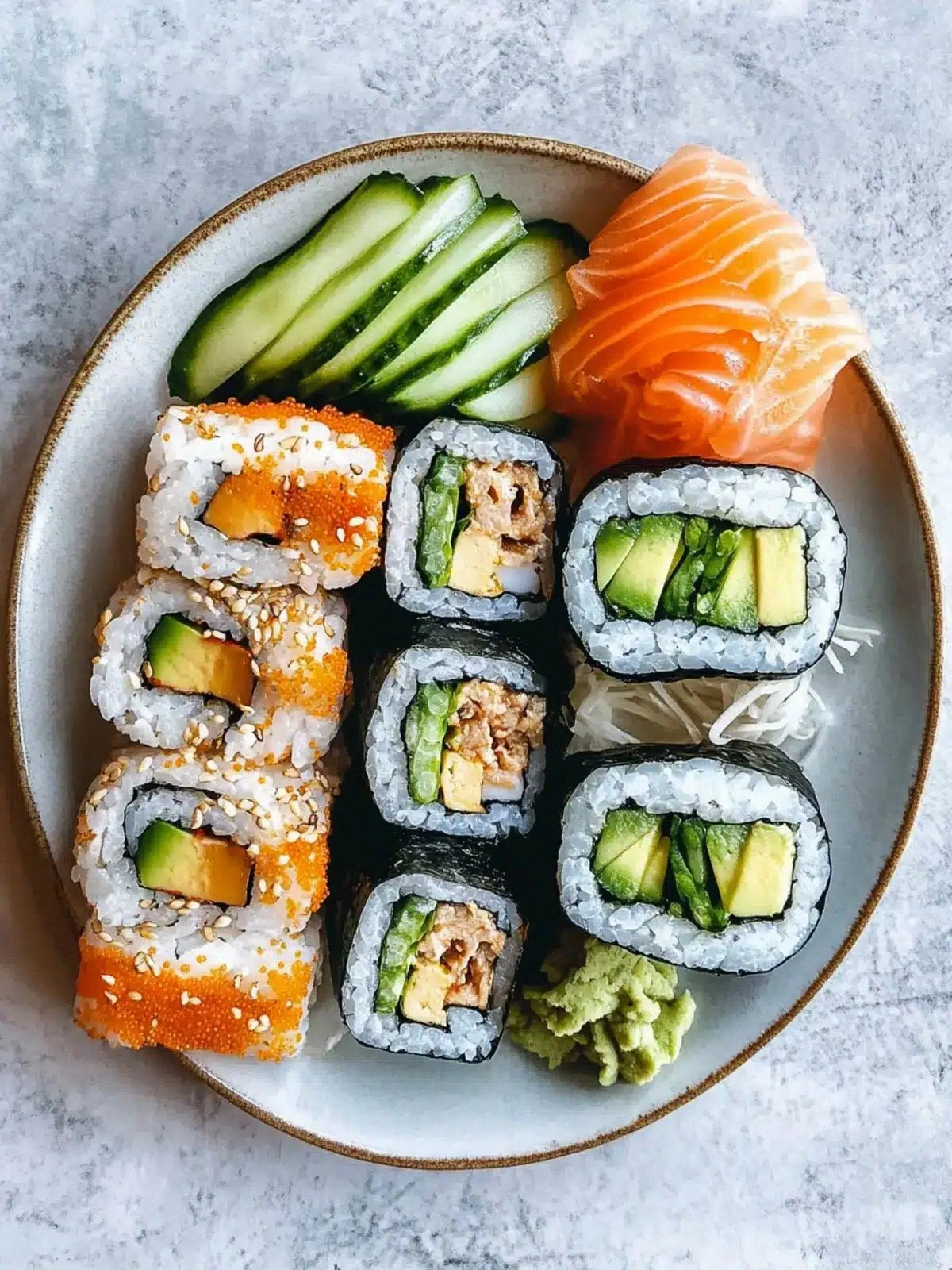
- Slice the roll into 8 equal pieces using a sharp knife. To achieve clean cuts, wipe the knife with a damp cloth between each slice. The slices should show a cross‑section of rice, vegetables, tofu, and sesame seeds. The knife should glide through the roll like butter, indicating proper compression.
- Repeat the process with the remaining nori sheets and ingredients, making sure each roll is evenly filled. This will yield a total of 32 pieces, which is perfect for a group or for meal prep. Keep the rolls chilled on a plate until ready to serve.
- Serve the onigirazu and maki with a side of soy sauce, pickled ginger, and wasabi for a complete sushi experience. If you prefer a vegan option, use tamari or a soy sauce alternative. The final plating should be colorful and inviting, with a drizzle of extra teriyaki sauce for a glossy finish. Enjoy the symphony of flavors that unfold with each bite.
That's it — you did it. But hold on, I've got a few more tricks that'll take this to another level.
Insider Tricks for Flawless Results
The Temperature Rule Nobody Follows
Many cooks overlook the importance of rice temperature. The rice should be at room temperature before you spread it over the nori; if it's still hot, the nori will become soggy and the roll will collapse. I’ve found that letting the rice sit for 15 minutes after fluffing is the sweet spot. If you’re in a hurry, a quick 5‑minute cool‑down under a fan works wonders. This small adjustment can transform a mediocre roll into a perfect one.
Why Your Nose Knows Best
When the rice is properly seasoned, it should emit a faint, sweet aroma that hints at the subtle vinegar flavor. If the scent is weak, the rice is under‑seasoned; if it’s overpowering, you’ve added too much vinegar. Trust your nose to gauge the balance. I’ve had friends ask me to taste the rice before adding the nori, and they’re amazed at how much flavor it holds.
The 5‑Minute Rest That Changes Everything
After you finish rolling, let the sushi rest for 5 minutes before slicing. This brief pause allows the nori to set, making the cut smoother and preventing the rice from spilling out. It also lets the teriyaki glaze thicken slightly, giving a richer taste. I’ve seen many beginners skip this step, resulting in messy rolls that lose their shape.
Use a Damp Cloth for the Knife
When slicing the roll, a damp cloth on the knife blade prevents the rice from sticking. A clean cut is essential for a polished presentation. I’ve tried using a paper towel, but a damp cloth works better because it stays moist without leaving residue. This trick is a game‑changer for anyone who struggles with sticky sushi.
Keep Your Rolling Mat Clean
A clean bamboo mat ensures the roll stays firm. Wipe the mat with a damp cloth after each roll to remove any leftover rice or sauce. If the mat becomes sticky, it can cause the roll to break apart. I keep a small bowl of warm water nearby for quick rinses, which saves time and keeps the process smooth.
Freeze for Quick Prep
For busy weekdays, you can prepare the filling in advance and freeze it. Store the tofu katsu, carrots, lettuce, and pickles in an airtight container in the freezer. When you’re ready to roll, just thaw them in the fridge and assemble. This trick saves time and keeps the ingredients fresh.
Creative Twists and Variations
This recipe is a playground. Here are some of my favorite ways to switch things up:
Spicy Sriracha Maki
Swap the teriyaki sauce for a spicy sriracha mayo, and add sliced jalapeños for heat. The spicy kick complements the sweetness of the rice, creating a balanced flavor profile. This version is perfect for those who love a bit of fire in their sushi.
Smoky Bacon and Avocado
Replace the tofu katsu with crispy bacon strips and add creamy avocado slices. The smoky bacon adds depth, while the avocado provides a silky texture. This combination turns the roll into a brunch favorite.
Thai Coconut Curry
Use a coconut curry sauce instead of teriyaki, and add shredded carrots and sliced bell peppers. The coconut gives a tropical flavor that pairs well with the fresh vegetables. This variation is a great way to bring an exotic twist to your sushi.
Roasted Sweet Potato
Swap the tofu for roasted sweet potato cubes, and drizzle a light miso glaze over them. The sweet potato adds natural sweetness and a hearty texture that works well with the rice. This version is vegetarian-friendly and comforting.
Fresh Salmon and Cream Cheese
For a non‑vegan option, use thinly sliced fresh salmon and a dollop of cream cheese. The salmon’s buttery flavor pairs wonderfully with the rice, and the cream cheese adds a rich, silky finish. This classic combination is a sushi lover’s dream.
Vegetarian Kimchi Roll
Add a layer of kimchi to the filling for a tangy, fermented punch. Pair it with tofu katsu and a drizzle of gochujang sauce. The kimchi’s sharpness cuts through the richness of the tofu, creating a dynamic flavor profile.
Storing and Bringing It Back to Life
Fridge Storage
Store leftover rolls in an airtight container in the refrigerator for up to 2 days. Keep the rolls flat to prevent the nori from becoming soggy. When you’re ready to eat, let them sit at room temperature for 10 minutes to restore their original texture.
Freezer Friendly
Wrap each roll tightly in plastic wrap, then place them in a freezer bag. They can be stored for up to 1 month. When you’re ready to enjoy, thaw them overnight in the fridge. Reheat gently in a steamer or microwave for 30 seconds to bring back the moisture.
Best Reheating Method
To reheat, place the rolls in a steamer basket over boiling water for 3 minutes. This gentle method preserves the nori’s crispness and the rice’s softness. Alternatively, use a microwave with a damp paper towel for 20 seconds. Adding a tiny splash of water before reheating steams the rice back to perfection.