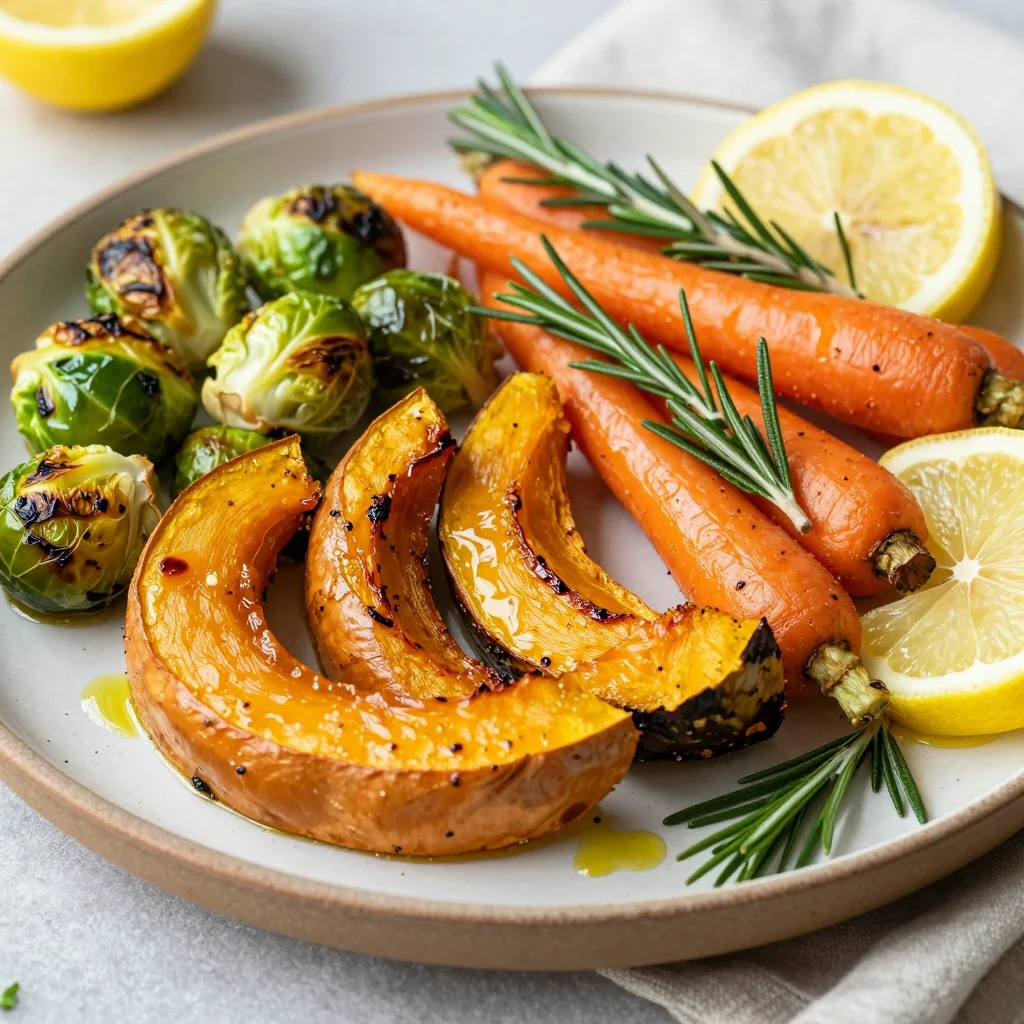
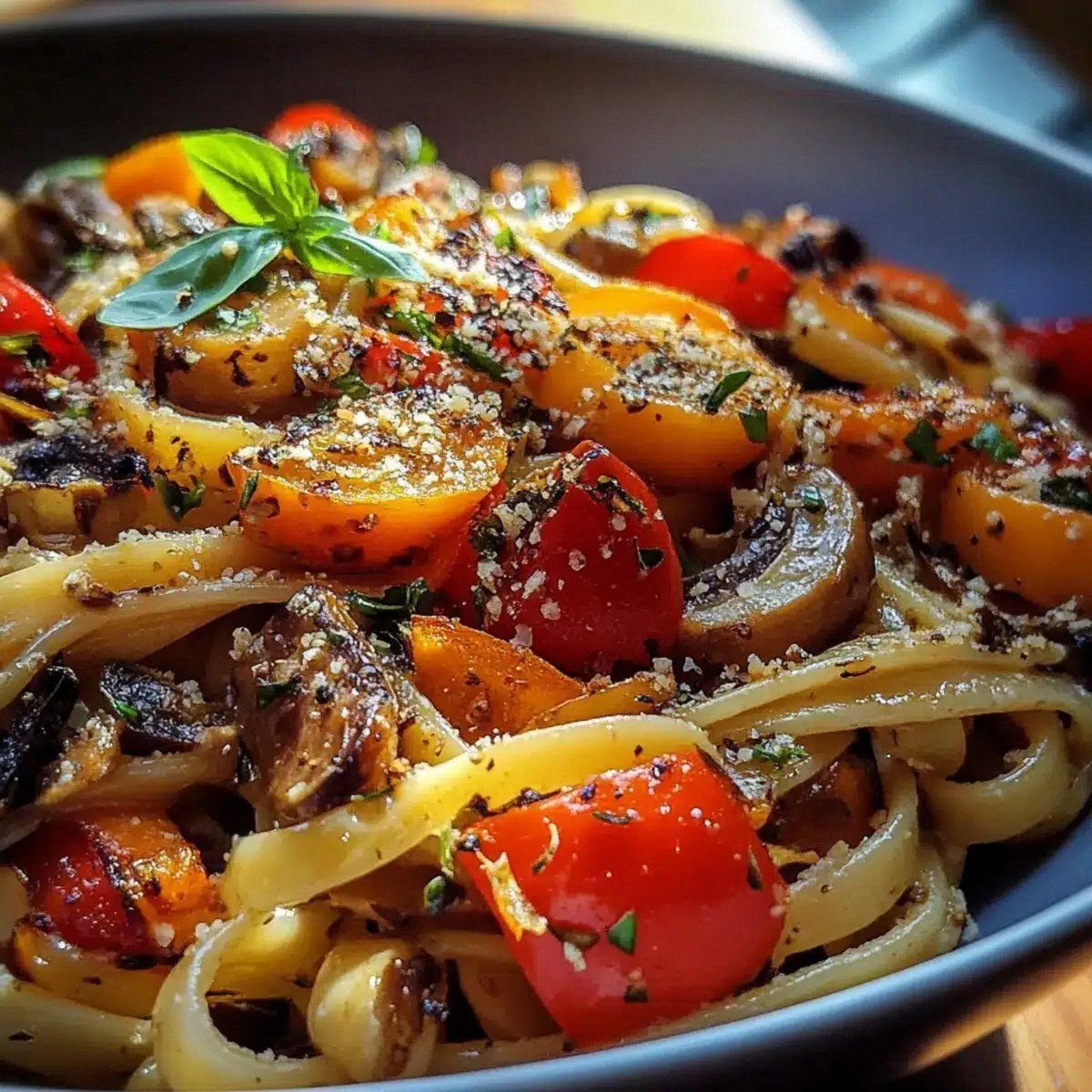
Picture this: I’m standing in a cramped kitchen, the oven preheated to a blistering 425°F, and a bowl of colorful vegetables sitting on the counter. The bell pepper slices glint like tiny jewels, the zucchini is a bright emerald, and the cherry tomatoes burst with ruby juice. My friend dared me to create a dish that could outshine any restaurant’s pasta, and I answered with a grin that said, “I dare you to taste this and not go back for seconds.” The aroma that rises when the veggies hit the sheet pan—sweet, smoky, slightly caramelized—prepares your senses for a flavor explosion. I’m not just cooking; I’m setting a new benchmark for what a simple roasted vegetable linguine can be.
This isn’t your typical “mix veggies and pasta” recipe. The secret lies in the roasting technique that locks in sweetness while creating those crisp, blistered edges that shatter like thin ice. The olive oil isn’t just a binder; it’s a flavor conduit that carries the basil’s bright green notes into every strand of linguine. And the Parmesan? It melts into a silky coating that makes the sauce feel like velvet draped over pasta. I’ll be honest—after the first bite, I ate half the batch before anyone else even had a chance to try it. That’s how powerful this sauce is.
Most recipes get this completely wrong by tossing raw veggies with pasta or using a heavy cream sauce that drowns the freshness. Here, the vegetables are the star, roasted to caramelized perfection, then blended into a light, herb‑infused sauce that lets the pasta shine. The result is a dish that’s hands down the best version you’ll ever make at home, with a balance of sweet, savory, and herbaceous notes that dance on your palate. The best part? It’s so simple that even a novice can master it, and it’s ready in less than an hour. If you’ve ever struggled with pasta that sticks or vegetables that turn mushy, you’re not alone—and I’ve got the fix.
And now the fun part: I’ll walk you through every single step, from prep to plate, so by the end of this post you’ll wonder how you ever made it any other way. Picture yourself pulling this out of the oven, the whole kitchen smelling incredible, and your guests swooning as they taste the silky sauce that coats the pasta like velvet. Ready? Let’s dive in.
What Makes This Version Stand Out
- Roasted Perfection: The high‑heat roasting caramelizes the vegetables, creating a depth of flavor that sautéed or boiled veggies simply can’t match. The result is a sweet, smoky undertone that pairs beautifully with the bright basil. This technique turns ordinary produce into a star ingredient.
- Light, Velvet Sauce: By reserving pasta water and adding Parmesan, the sauce achieves a silky consistency without heaviness. The olive oil acts as a flavor bridge, while the basil provides a fresh, aromatic lift. It’s a sauce that coats the pasta like velvet, not a cloying gravy.
- Texture Contrast: The blistered edges of roasted veggies contrast with the al dente linguine, giving each bite a satisfying crunch followed by tender pasta. This textural play keeps the dish exciting and prevents it from becoming mushy.
- Ingredient Quality: Fresh, seasonal produce is the cornerstone of this dish. Using ripe tomatoes, crisp peppers, and fragrant basil ensures every bite bursts with flavor. Quality ingredients mean the dish tastes like a gourmet experience.
- Time Efficiency: While it sounds fancy, the entire meal takes less than 45 minutes from start to finish. The veggies roast while the pasta cooks, saving valuable kitchen time.
- Make‑Ahead Friendly: The dish can be prepped ahead of time, and the flavors actually deepen overnight. When you’re ready to serve, a quick reheat is all it takes.
Alright, let's break down exactly what goes into this masterpiece. The key to its success lies in the balance of flavors, textures, and timing.
Inside the Ingredient List
The Flavor Base
Bell peppers, zucchini, cherry tomatoes, and red onion form the vibrant heart of this dish. They provide a spectrum of colors and a range of flavors—from sweet to slightly acidic. Skipping any of these would diminish the dish’s visual appeal and depth of taste. For a lighter version, reduce the onion by half and keep the rest intact.
The Texture Crew
Garlic cloves add a pungent punch that balances the sweetness of the roasted vegetables. The cloves are minced to release their oils, ensuring even distribution. If you’re sensitive to raw garlic, blanch the cloves briefly before adding them to the pan. The garlic’s bite is essential; without it, the sauce feels flat.
The Unexpected Star
Fresh basil isn’t just a garnish; it’s a flavor powerhouse that lifts the entire dish. The leaves are torn to release essential oils, creating a bright, herbal aroma that complements the roasted vegetables. If basil is out of season, try parsley or a handful of arugula for a peppery twist.
The Final Flourish
Parmesan cheese melts into a silky coating that binds the sauce together. It also adds a subtle nutty flavor that rounds out the dish. A sprinkle of freshly grated Parmesan on top before serving adds a touch of elegance. If you prefer a dairy‑free version, a sprinkle of nutritional yeast can mimic the cheesy note.
Everything's prepped? Good. Let's get into the real action.
The Method — Step by Step
- Preheat your oven to 425°F (220°C). This high temperature is crucial for caramelizing the vegetables, giving them that sweet, slightly charred flavor that’s the hallmark of this dish.
- Cut the bell peppers into bite‑sized strips, slice the zucchini into half‑moon shapes, halve the cherry tomatoes, quarter the red onion, and mince the garlic cloves. Uniform pieces ensure even roasting and a consistent flavor profile.
- In a large bowl, toss the vegetables with 2 tablespoons of extra virgin olive oil, 1 teaspoon of salt, 1 teaspoon of pepper, and a pinch of red pepper flakes if you like a hint of heat. The oil not only prevents sticking but also carries the flavors deep into the veggies.
- Spread the seasoned vegetables evenly on a baking sheet lined with parchment paper. A single layer prevents steaming and encourages crisp edges.
- Roast for 20–22 minutes, stirring halfway through, until the edges are blistered and the vegetables are tender. The aroma that fills your kitchen at this point is a promise of the dish’s final glory.
- While the veggies roast, bring a large pot of salted water to a rolling boil. The water should be seasoned like a broth to give the pasta a savory base.
- Add 12 ounces of linguine and cook for 9–10 minutes until al dente. Drain, reserving ½ cup of pasta water to help create a silky sauce later.
- Return the drained linguine to the pot, add the roasted vegetables, 1 cup of fresh basil, and ¼ cup of grated Parmesan. Toss vigorously so that the pasta is evenly coated and the cheese melts into a velvety sauce.
- If the sauce feels too thick, add a splash of the reserved pasta water until you reach your desired consistency. Season with additional salt and pepper to taste, then serve immediately, garnished with extra basil if desired.
That's it—you did it. But hold on, I've got a few more tricks that'll take this to another level. The next section is all about insider tips that will make your dish shine even brighter.
Insider Tricks for Flawless Results
The Temperature Rule Nobody Follows
While most people set the oven to 400°F, the secret to caramelization is 425°F. The higher heat ensures the vegetables develop those blistered edges that shatter like thin ice. If you’re using a convection oven, reduce the temperature by 25°F to avoid over‑roasting.
Why Your Nose Knows Best
The aroma that rises when the veggies hit the pan is a clear indicator of readiness. If you smell a sweet, slightly smoky scent, you’re on the right track. This sensory checkpoint saves you from over‑cooking or under‑cooking the vegetables.
The 5-Minute Rest That Changes Everything
After draining the pasta, let it rest in the pot for 5 minutes before tossing with the sauce. This brief pause allows the pasta to firm up slightly, preventing it from becoming mushy when combined with the sauce. It also gives the sauce a chance to thicken as the pasta reabsorbs some moisture.
The Cheese Trick
Grating Parmesan finely ensures it melts evenly and creates a silky coating. If you prefer a stronger cheese flavor, add a tablespoon of grated Pecorino Romano. The key is to add the cheese while the pasta is still hot, so it emulsifies into the sauce.
The Basil Timing
Add basil at the end of cooking. Adding it too early can cause it to wilt and lose its bright green color and fresh flavor. Tossing it in just before serving keeps the basil vibrant and aromatic.
The Resting Pasta Water
Reserve ½ cup of pasta water and add it gradually to the sauce. The starchy water helps the sauce cling to the linguine, creating a silky, cohesive coating that doesn’t separate.
Creative Twists and Variations
This recipe is a playground. Here are some of my favorite ways to switch things up:
Mediterranean Medley
Swap the cherry tomatoes for roasted eggplant cubes and add a handful of Kalamata olives. The smoky eggplant and briny olives create a Mediterranean vibe. Serve with a drizzle of lemon vinaigrette for an extra zing.
Spicy Sriracha Kick
Add a tablespoon of Sriracha to the sauce for a spicy, sweet heat that pairs perfectly with the roasted vegetables. The heat is balanced by the sweetness of the caramelized peppers. A squeeze of lime afterward brightens the dish.
Pesto Power
Replace the basil with a swirl of homemade or store‑bought pesto. The basil’s fresh flavor is replaced with a robust, nutty pesto that coats the pasta beautifully. This variation is especially good for a quick weeknight dinner.
Gluten-Free Twist
Use gluten‑free linguine or spiralized zucchini noodles to keep the dish gluten‑free. The flavors remain the same, and the texture is still satisfying. This is a great option for guests with dietary restrictions.
Summer BBQ Flavor
Add a splash of barbecue sauce to the roasted vegetables before tossing with the pasta. The sweet, smoky sauce complements the caramelized veggies and adds a new layer of flavor. Finish with a sprinkle of chopped cilantro for a fresh finish.
Cheesy Broccoli Bonanza
Swap the zucchini for a handful of broccoli florets and add extra Parmesan. The broccoli adds a mild, slightly bitter note that balances the sweetness of the roasted peppers. The extra cheese creates a richer, more indulgent sauce.
Storing and Bringing It Back to Life
Fridge Storage
Store leftovers in an airtight container in the refrigerator for up to 3 days. The pasta may firm up slightly, so a quick reheating in a skillet with a splash of water will revive its silky texture. Keep the sauce separate if you prefer to reheat them together.
Freezer Friendly
Freeze the dish in a freezer‑safe container for up to 2 months. When you’re ready to enjoy, thaw overnight in the fridge and reheat in a pan with a splash of pasta water. The sauce will thicken slightly, so add a bit more water if needed.
Best Reheating Method
Reheat on the stovetop over medium heat, stirring frequently. Add a tiny splash of water or broth to prevent the sauce from drying out. Reheat until the dish is steaming hot, about 5–7 minutes.