Love this? Pin it for later! 📌
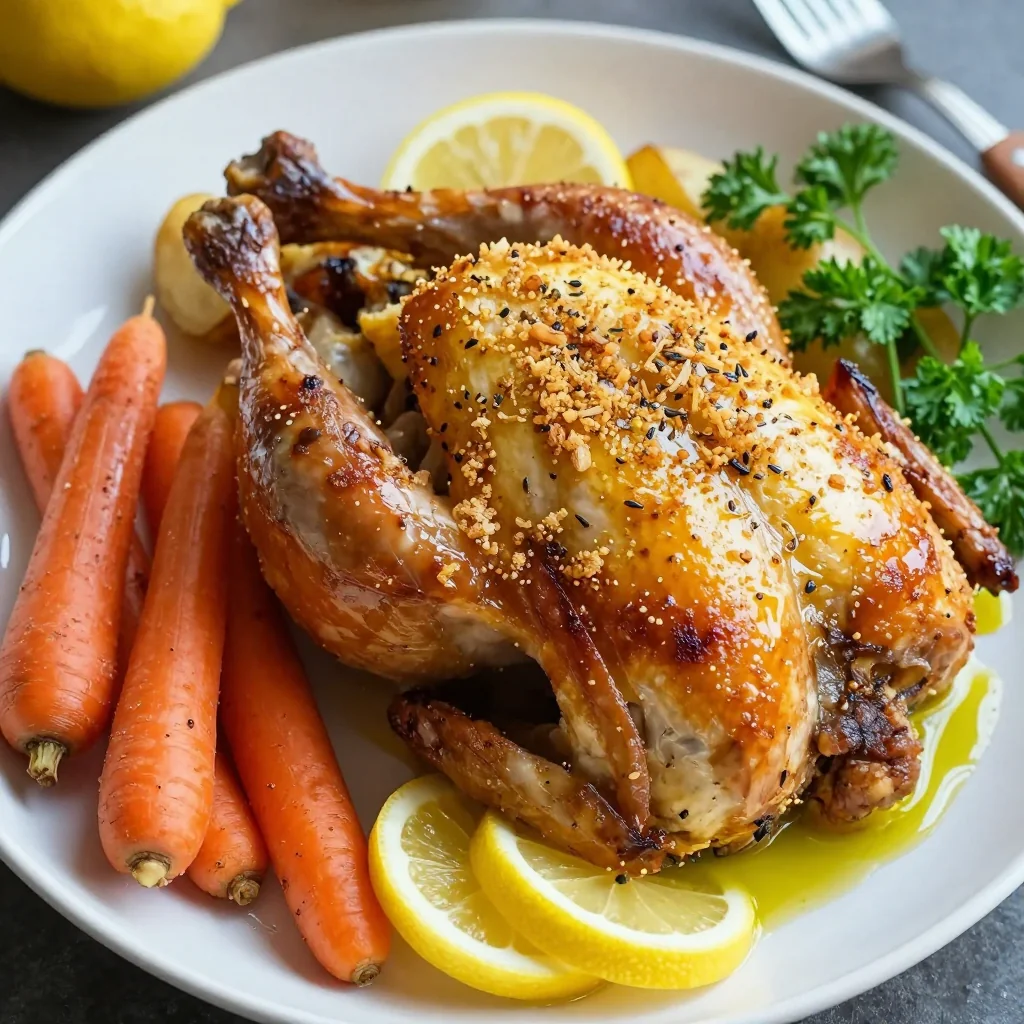
Fresh Lemon & Herb Roasted Chicken with Winter Carrots and Potatoes
There's something magical about the way lemon and herbs transform a simple roast chicken into a symphony of flavors. This recipe has been my Sunday dinner hero for over five years now, evolving from a basic roast into what I confidently call my signature dish. The first time I made it, my neighbor knocked on my door asking what smelled so incredible—and that moment sealed the deal. This isn't just dinner; it's the kind of meal that creates memories around your table.
What makes this recipe truly special is how it celebrates winter's bounty. Those humble carrots and potatoes, often overlooked as mere side dishes, become caramelized treasures when roasted alongside the chicken, absorbing all those glorious lemon-herb juices. The best part? It's surprisingly hands-off once it goes in the oven, giving you time to set the table, pour a glass of wine, and maybe sneak a few tastes of those crispy potato edges. Whether you're hosting a dinner party or simply treating your family to something extraordinary, this recipe delivers restaurant-quality results with minimal fuss.
Why This Recipe Works
- Intense flavor layering: The chicken is seasoned both under and over the skin, ensuring every bite is perfectly seasoned.
- One-pan wonder: Everything cooks together on a single sheet pan, making cleanup a breeze.
- Perfect timing: The vegetables are added at just the right moment to achieve golden perfection without overcooking.
- Herb-forward brightness: Fresh herbs and lemon zest create an aromatic profile that cuts through the richness.
- Crispy skin guarantee: A simple technique ensures shatteringly crisp skin every single time.
- Leftover magic: The remaining chicken makes incredible sandwiches, salads, and soups throughout the week.
- Beginner-friendly: Clear instructions and timing make this achievable for cooks of any skill level.
Ingredients You'll Need
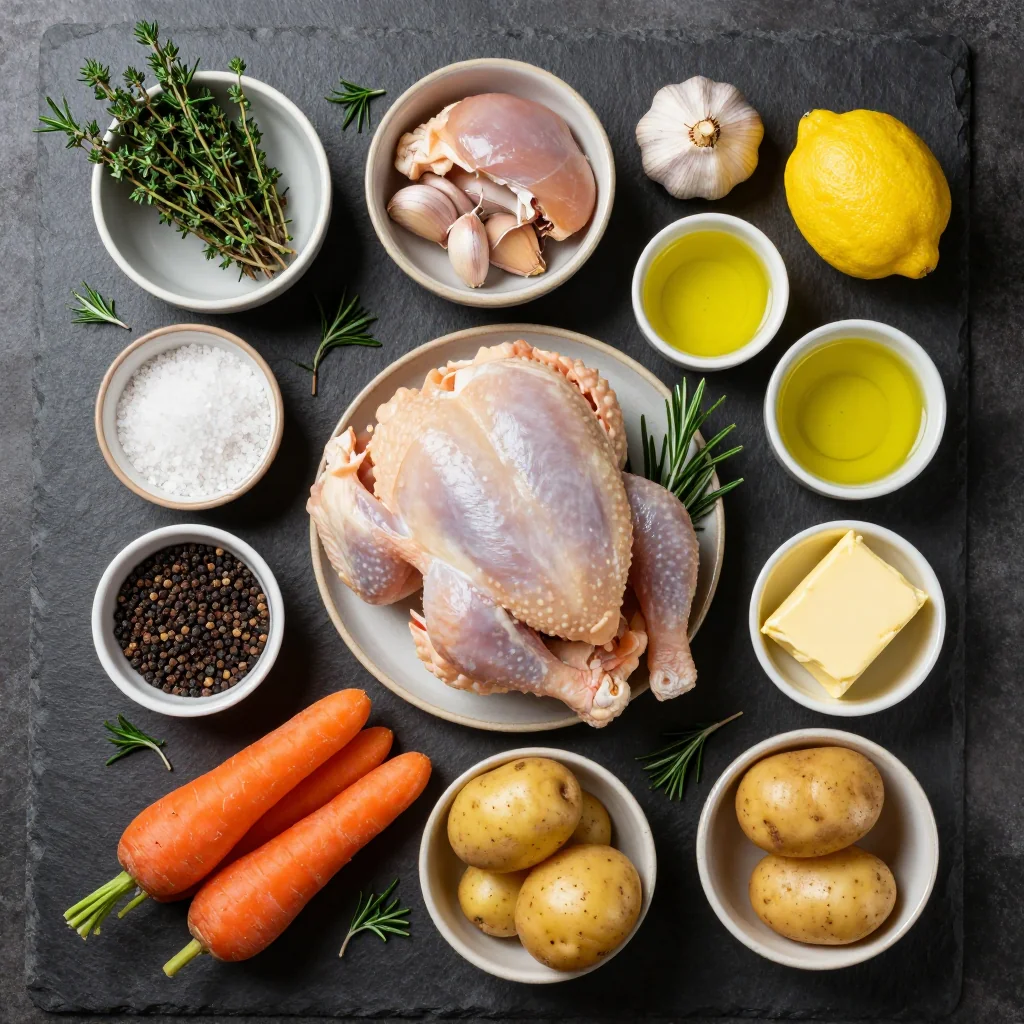
The beauty of this recipe lies in its simplicity—just a handful of quality ingredients that work together to create something extraordinary. Let's break down what you'll need and why each component matters.
For the Chicken:
Whole chicken (4-5 pounds): Look for a plump bird with smooth, unblemished skin. Organic or free-range chickens have superior flavor and texture. If your chicken is frozen, ensure it's completely thawed before cooking—this is crucial for even cooking.
Fresh lemons (2 large): The star of our show! Choose lemons that feel heavy for their size with smooth, thin skin. Avoid any with soft spots or wrinkles. We'll use both the zest and juice for maximum lemon impact.
Fresh herb medley: A combination of rosemary, thyme, and parsley creates the perfect aromatic base. Fresh herbs are non-negotiable here—dried herbs won't provide the same bright, vibrant flavor. If you have an herb garden, this is the time to show it off!
Garlic (6 cloves): Fresh garlic, smashed and roughly chopped, infuses the chicken with savory depth. Don't be tempted by pre-minced garlic—it simply doesn't compare to the real thing.
Butter (4 tablespoons): European-style butter with higher fat content creates the richest flavor and helps achieve that coveted golden-brown skin.
For the Vegetables:
Winter carrots (1½ pounds): Those fat, stubby winter carrots are perfect here. They're sweeter and more flavorful than their baby carrot counterparts. Look for carrots with bright, firm skin and no soft spots.
Baby potatoes (2 pounds): A mix of red and gold varieties creates visual appeal and varied textures. Their thin skins mean no peeling required—a time-saving bonus!
Red onion (1 large): Cut into thick wedges, red onion becomes sweet and caramelized during roasting, adding beautiful color and flavor complexity.
Olive oil (¼ cup): A good quality extra-virgin olive oil makes all the difference. It should smell fresh and fruity, never rancid.
How to Make Fresh Lemon and Herb Roasted Chicken with Winter Carrots and Potatoes
Prep the Chicken (30 minutes before cooking)
Remove your chicken from the refrigerator 30 minutes before cooking—this is crucial for even cooking. Pat the chicken completely dry with paper towels, both inside and out. Moisture is the enemy of crispy skin! Season the cavity generously with salt and pepper. In a small bowl, mix softened butter with lemon zest, minced herbs, minced garlic, salt, and pepper. Gently loosen the skin over the breasts and thighs using your fingers, being careful not to tear it. Spread half the herb butter under the skin, pressing gently to distribute evenly. This creates a flavored layer right next to the meat.
Create the Lemon-Herb Marinade
In the same bowl (no need to wash it), combine the remaining herb butter with the juice of one lemon, 2 tablespoons olive oil, and a pinch of salt and pepper. This creates a flavorful basting liquid. Quarter the second lemon and place it inside the chicken cavity along with a few herb sprigs and smashed garlic cloves. These aromatics will steam from the inside, infusing the meat with incredible flavor.
Truss and Season
Truss the chicken by tying the legs together with kitchen twine—this helps the bird cook evenly and maintains its shape. Tuck the wing tips under the body to prevent burning. Rub the outside of the chicken with the remaining herb butter mixture, ensuring every inch is covered. Season generously with salt and freshly ground black pepper. The salt helps draw out moisture from the skin, contributing to that coveted crispiness.
Prepare the Vegetable Base
Preheat your oven to 425°F (220°C). While it heats, prep your vegetables. Cut carrots into 2-inch pieces, halving any thick ends so everything cooks evenly. Halve the baby potatoes, or quarter if large. Cut the red onion into thick wedges, keeping the root end intact so they stay together. In a large bowl, toss the vegetables with olive oil, salt, pepper, and a handful of fresh herbs. The key is ensuring each piece is lightly coated—too much oil will make them soggy.
The Initial Roast
Place the chicken breast-side up on a rack in a large roasting pan. If you don't have a rack, create a bed with thick carrot slices. This elevates the chicken, allowing hot air to circulate underneath for even cooking. Pour 1 cup of chicken broth or water into the pan—this prevents drippings from burning and creates steam for moist meat. Roast for 25 minutes. This high-heat start helps render the fat and begin crisping the skin.
Add the Vegetables
After 25 minutes, quickly remove the pan from the oven. Working efficiently to maintain oven temperature, scatter the prepared vegetables around the chicken. Baste the chicken with pan juices and return to the oven. Reduce temperature to 375°F (190°C) and continue roasting for 45-60 minutes more, depending on your chicken's size. The lower temperature ensures the vegetables cook through without burning while the chicken finishes perfectly.
Baste and Monitor
Every 20 minutes, baste the chicken and vegetables with pan juices. This bastes adds flavor and helps achieve that gorgeous golden color. If the vegetables or chicken skin begin to brown too quickly, tent loosely with foil. The chicken is done when a meat thermometer inserted into the thickest part of the thigh reads 165°F (74°C), and the juices run clear when pierced. The vegetables should be tender and caramelized.
The Final Touch
Once cooked, transfer the chicken to a cutting board and tent loosely with foil. Let it rest for 15-20 minutes—this is non-negotiable! Resting allows juices to redistribute throughout the meat, ensuring every slice is moist and flavorful. While the chicken rests, return the vegetables to the oven if they need more browning, or keep them warm in the turned-off oven. Skim excess fat from the pan juices, then serve these glorious juices alongside the carved chicken.
Expert Tips
Temperature Matters
Invest in a reliable meat thermometer. Guessing doneness leads to dry chicken. The thickest part of the thigh should read 165°F, but remove it from the oven when it hits 160°F—it will continue cooking as it rests.
Pat Dry is Key
Moisture is crispy skin's worst enemy. Pat your chicken dry with paper towels, then let it air-dry uncovered in the refrigerator for 2-4 hours before cooking for maximum crispiness.
Room Temperature Rule
Always let your chicken come to room temperature before roasting. Cold chicken straight from the fridge won't cook evenly, resulting in overdone exterior and undercooked interior.
Baste Strategically
Baste quickly to avoid losing too much oven heat. Keep the door closed as much as possible. Every time you open it, the temperature drops by 25-50 degrees, extending cooking time.
Vegetable Size Consistency
Cut vegetables to similar sizes so they cook evenly. If using different vegetables with varying cooking times, add them to the pan at appropriate intervals rather than all at once.
Don't Discard Pan Juices
Those golden pan juices are liquid gold! Skim excess fat, then serve them alongside the chicken or whisk with a bit of lemon juice and olive oil for an instant sauce.
Variations to Try
Citrus Swap
Replace lemon with orange or grapefruit for a different citrus profile. Blood oranges create a stunning color and slightly sweeter flavor that pairs beautifully with the herbs.
Mediterranean Twist
Add olives, cherry tomatoes, and artichoke hearts during the last 30 minutes of cooking. Sprinkle with feta cheese before serving for a Greek-inspired feast.
Spicy Version
Add 1 teaspoon smoked paprika and ½ teaspoon cayenne pepper to the herb butter. Include sliced jalapeños with the vegetables for a spicy kick that complements the lemon beautifully.
Root Vegetable Medley
Swap out some carrots and potatoes for parsnips, turnips, or sweet potatoes. Each brings its own unique sweetness and texture, creating a more complex vegetable profile.
Storage Tips
Proper storage ensures you can enjoy this delicious meal throughout the week. Here's how to keep everything fresh and flavorful:
Refrigeration
Let the chicken cool completely before storing. Carve the remaining meat from the bones and store in an airtight container with some pan juices to keep it moist. The vegetables should be stored separately in a sealed container. Both will keep for up to 4 days in the refrigerator.
For best results, store chicken and vegetables in separate containers to prevent the vegetables from becoming soggy from the chicken juices.
Freezing
While the chicken freezes beautifully, the vegetables don't maintain their texture as well. Freeze carved chicken in portion-sized packages with some cooking liquid for up to 3 months. Thaw overnight in the refrigerator and reheat gently with a splash of chicken broth.
For best quality, freeze the chicken within 2 days of cooking. Label packages with the date and contents for easy identification.
Make-Ahead Options
The herb butter can be made up to 1 week in advance and stored in the refrigerator. You can also prep the vegetables (except potatoes, which may discolor) up to 2 days ahead. Store them submerged in cold water in the refrigerator to maintain freshness.
For maximum efficiency, season the chicken with salt the night before cooking. This dry-brining technique results in incredibly flavorful, juicy meat.
Frequently Asked Questions
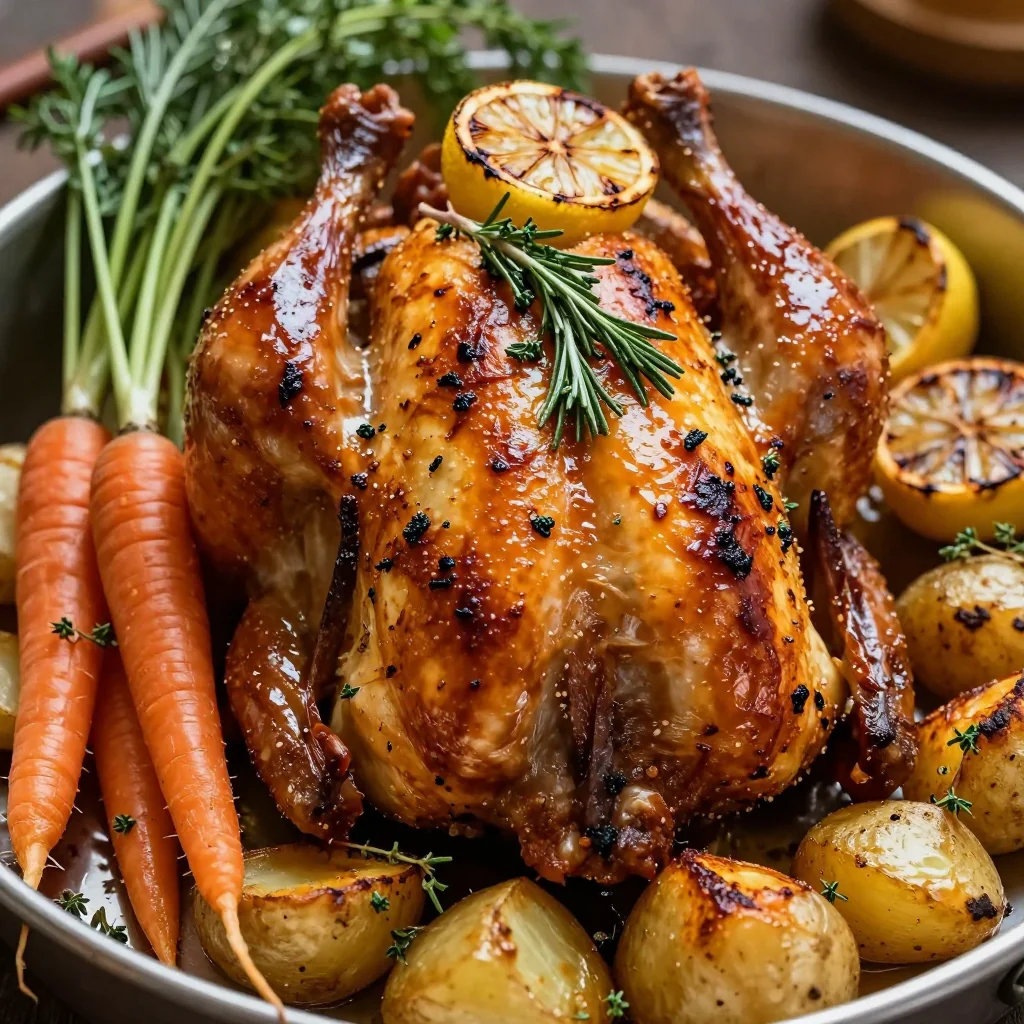
Fresh Lemon & Herb Roasted Chicken with Winter Carrots and Potatoes
Ingredients
Instructions
- Prep the chicken: Remove chicken from refrigerator 30 minutes before cooking. Pat completely dry with paper towels. Season cavity with salt and pepper.
- Make herb butter: Combine softened butter with lemon zest, half the minced herbs, 2 cloves minced garlic, salt, and pepper. Mix well.
- Season chicken: Gently loosen skin and spread half the herb butter underneath. Rub remaining butter over outside. Season generously with salt and pepper.
- Preheat and prep: Preheat oven to 425°F. Quarter one lemon and place inside chicken cavity with herb sprigs and 2 smashed garlic cloves.
- Initial roast: Place chicken on rack in roasting pan. Pour broth into pan. Roast for 25 minutes.
- Add vegetables: Toss vegetables with olive oil, remaining herbs, salt, and pepper. Add to pan around chicken. Reduce heat to 375°F.
- Continue roasting: Roast for 45-60 minutes more, basting every 20 minutes, until thermometer reads 165°F in thickest part of thigh.
- Rest and serve: Let chicken rest 15-20 minutes before carving. Serve with roasted vegetables and pan juices.
Recipe Notes
For extra crispy skin, let the chicken air-dry uncovered in the refrigerator for 2-4 hours before cooking. If vegetables brown too quickly, tent loosely with foil. Save the carcass for making homemade chicken stock!