Love this? Pin it for later! 📌
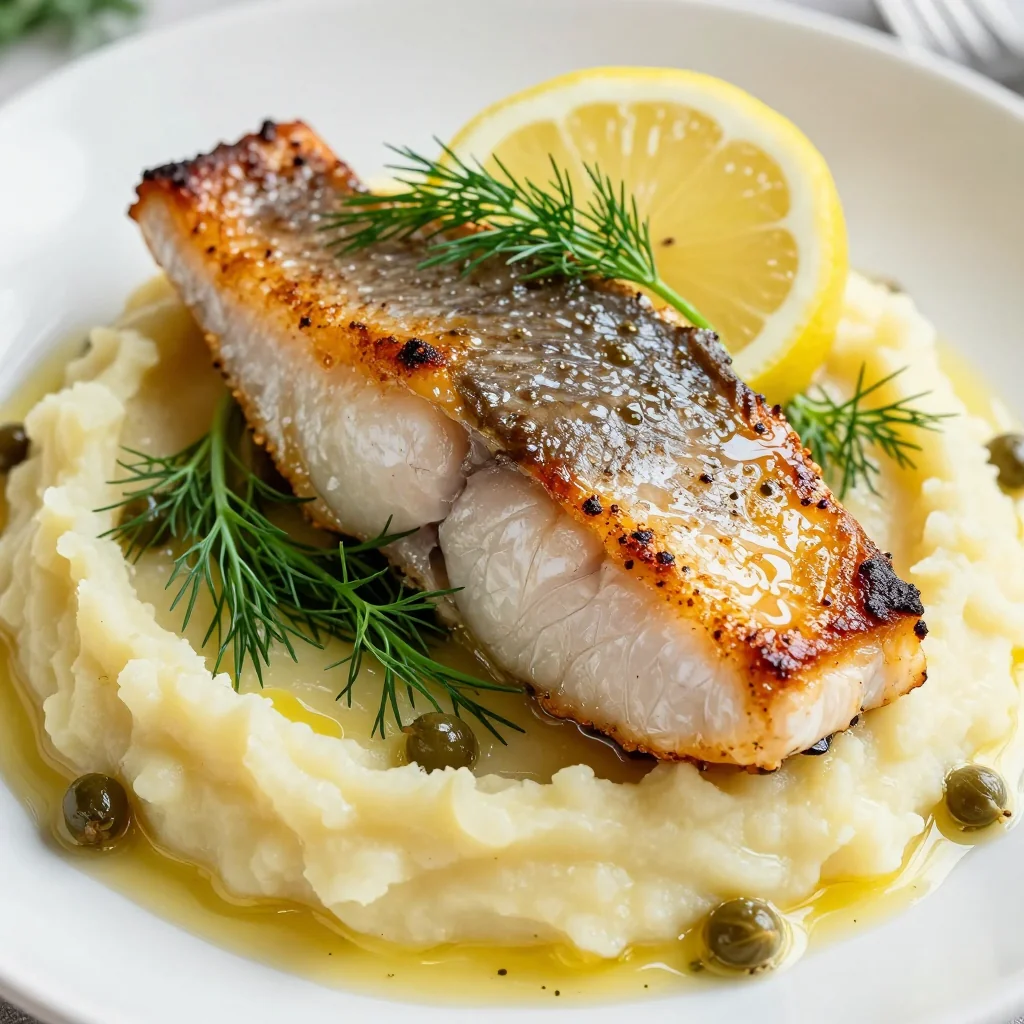
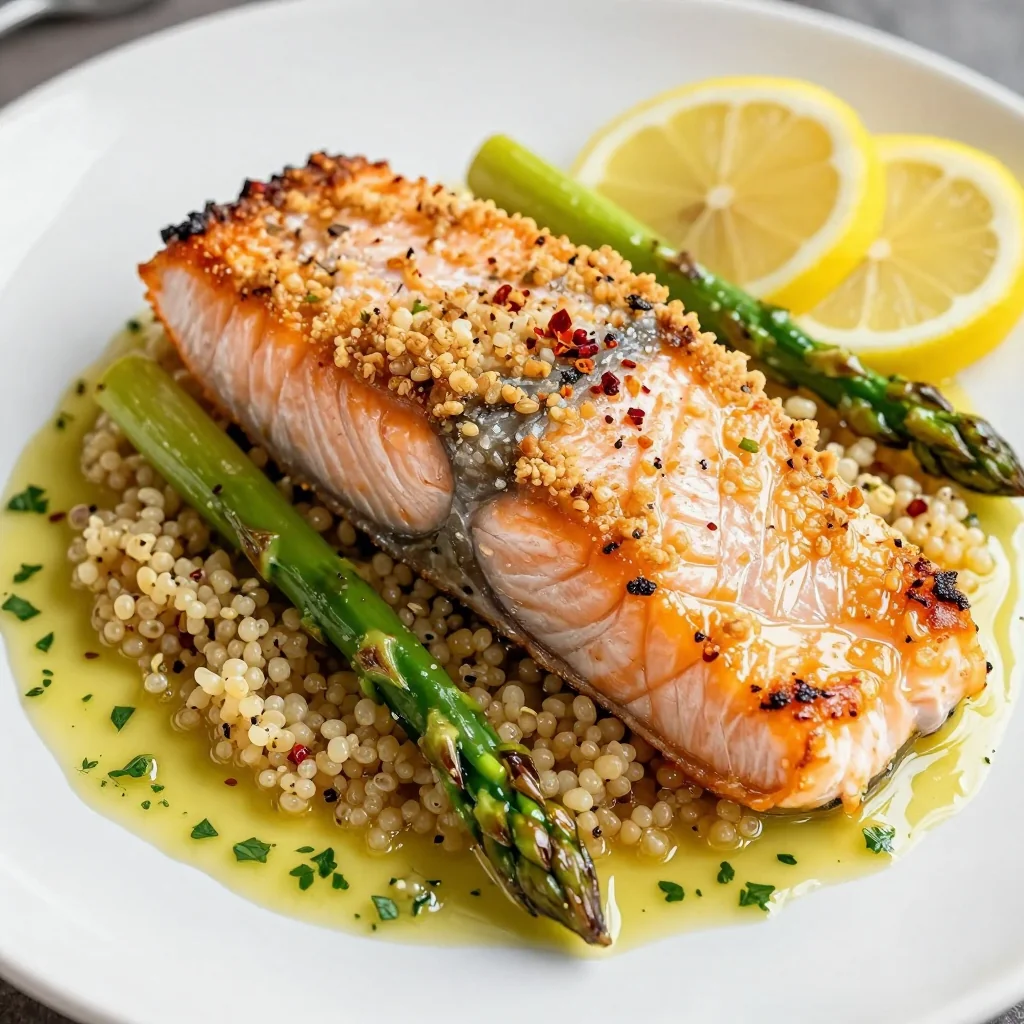
There are afternoons when the clock is ticking, your stomach is rumbling, and you need something that feels like a spa-day on a plate—without the spa-day price tag or timeline. That’s exactly when I reach for this 15-minute lemon-garlic salmon. The first time I made it, I was working from home between Zoom calls, staring at a sad desk salad and thinking, “There has to be a better way.” I pulled a frozen salmon fillet from the freezer, zested the lone lemon rolling around the crisper, and minced the last clove of garlic like my life depended on it. Eight minutes later my kitchen smelled like a Mediterranean bistro and I was eating flaky, citrus-kissed fish that powered me through three more meetings—no post-lunch slump, no take-out guilt. Since then, this recipe has become my weekday secret weapon: it’s fast enough for a toddler nap-time sprint, elegant enough for last-minute guests, and nutritious enough to make you feel like you’ve got your life together—even if the laundry mountain says otherwise.
Why This Recipe Works
- One-pan wonder: A single skillet means minimal dishes and even fewer excuses.
- Flash-marinated flavor: Lemon juice + garlic + 5 minutes = restaurant-level brightness without an overnight wait.
- Omega-3 power lunch: 30 g of protein and 1.5 g EPA/DHA to keep your brain humming through afternoon brainstorms.
- From freezer to fork: Works with fresh or fully frozen fillets—no thaw drama.
- Meal-prep friendly: Double the batch, tuck leftovers into salads, wraps, or grain bowls all week.
- Low-carb & gluten-free: Naturally keto, paleo, and Whole30 compliant without trying too hard.
- Scalable for solo or family: Recipe multiplies perfectly—whether you’re feeding one or your entire pod.
Ingredients You'll Need
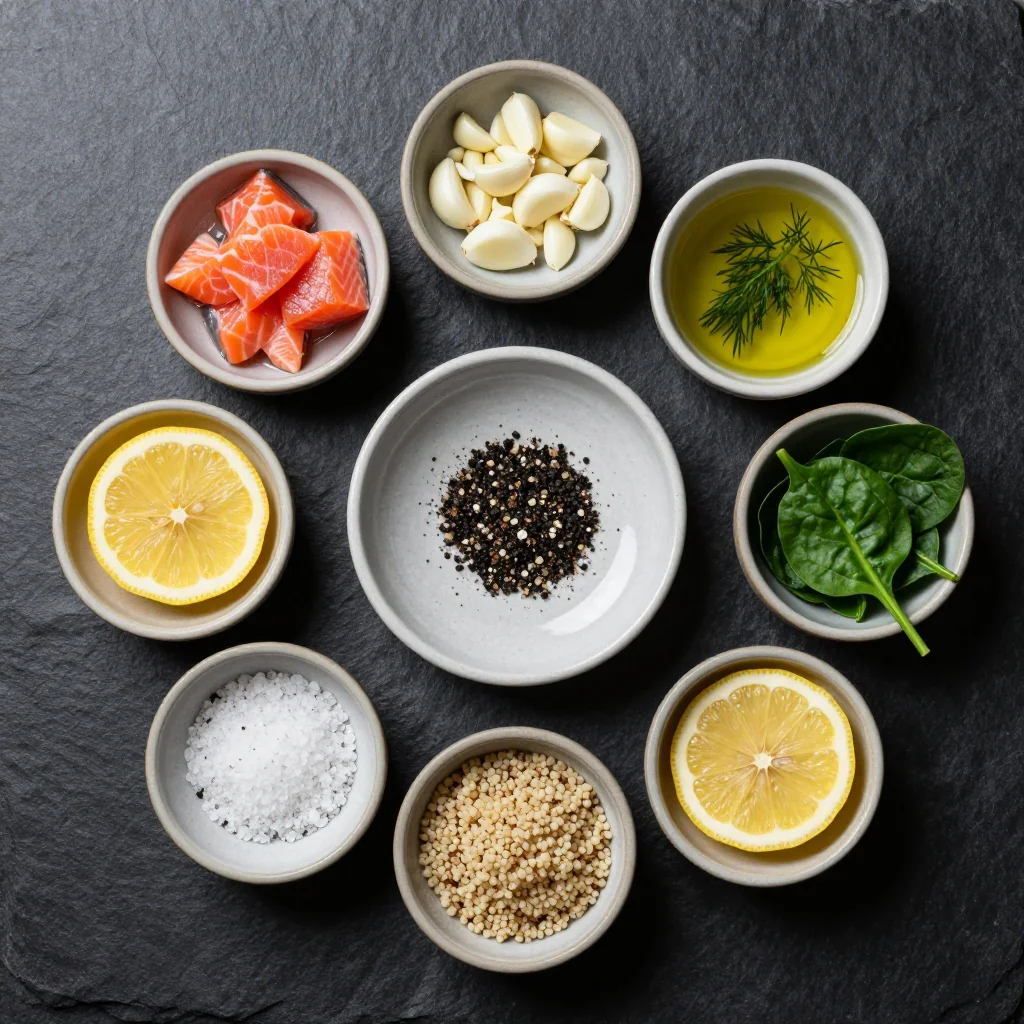
Great salmon starts at the seafood counter—or the freezer aisle—so let’s talk quality first. Look for fillets that are vibrant coral with no fishy smell; if they’re pre-packaged, the wrapper should be dry and clear, not milky. I prefer center-cut portions that are 1¼–1½ inches thick so they stay juicy under high heat. If sustainability matters to you (and it should), choose Alaskan sockeye or coho certified by the Marine Stewardship Council; both are lower in contaminants and responsibly harvested.
Salmon: Four 6-oz portions, skin-on or skin-off. Skin-on protects the flesh from direct heat and crisps beautifully if you like salmon crackling. If you only have a 1½-lb side of salmon, leave it whole and increase cook time by 2 minutes per side.
Lemon: One large, unwaxed lemon for both zest and juice. The zest holds the essential oils—where the true perfume lives—so don’t skip it. Roll the lemon on the counter before cutting to maximize juice yield. In a pinch, substitute lime for a tropical twist or Meyer lemon for a sweeter, floral note.
Garlic: Three plump cloves, finely minced. Fresh garlic mellows into sweet, nutty pockets as it hits the hot oil; jarred purée can scorch and turn bitter. If you’re sensitive to pungency, smash the cloves and let them sit in the lemon juice for 5 minutes; it tames the bite.
Olive oil: Two tablespoons extra-virgin. You want something fruity but not overpowering—look for labels from Chile or Australia for affordable everyday bottles with high smoke points. Avocado oil or ghee work for higher-heat searing if you’ve set off your smoke alarm one too many times.
Honey: One teaspoon balances acidity and encourages caramelization. Omit for strict keto or swap with maple syrup if you’re veganizing the glaze for tofu steaks.
Sea salt & pepper: I use flaky sea salt for the final flourish and kosher salt for seasoning the flesh. Freshly cracked rainbow peppercorns add subtle complexity, but regular black pepper is perfectly fine.
Optional but lovely: A pinch of red-pepper flakes for gentle heat, a tablespoon of chopped parsley for color, or a handful of toasted almonds for crunch. None are required, but they each add a layer of personality.
How to Make Healthy Lemon Garlic Salmon for a Quick Lunch
Pat & Score
Remove salmon from the fridge 10 minutes early so it cooks evenly. Place fillets skin-side down on paper towels and blot the tops dry—moisture is the enemy of sear. If your salmon still has pin-bones, run your finger along the flesh; use tweezers to pull them out at a 45° angle so you don’t shred the meat.
Whisk the Quick Marinade
In a small bowl, whisk lemon zest, lemon juice, minced garlic, honey, olive oil, salt, and pepper until emulsified. The honey acts as a bridge, helping the water-based lemon juice and oil combine into a glossy sauce that clings to the fish.
Flash-Marinate
Lay the salmon in a shallow dish and spoon two tablespoons of the marinade over the top, reserving the rest for finishing. Let sit 5 minutes while you heat the pan. Flip once halfway so both sides get a kiss of flavor. Even this short soak penetrates enough acid to brighten the fish without curing it.
Preheat Smart
Place a heavy stainless or cast-iron skillet over medium-high heat for 90 seconds. Add a drop of oil; when it shimmers like quicksilver, you’re ready. Too low and the salmon stews; too high and the garlic burns before the center is opaque.
Sear Presentation-Side Down
Slide the fillets flesh-side down into the pan—hear that confident sizzle. Press gently with a spatula so the entire surface kisses the metal; this prevents curling and guarantees an even crust. Cook 3 minutes without moving; the edges will turn opaque two-thirds of the way up the sides.
Flip & Glaze
Turn the fillets with a thin fish spatula. Immediately pour the remaining marinade over the top; it will bubble and reduce into a glossy garlic-lemon syrup. Cook 2–3 minutes more, basting occasionally by tilting the pan and spooning the juices back over the fish. Salmon is done when it flakes but still has a faint translucent center (carry-over heat will finish it).
Rest & Brighten
Transfer salmon to plates and tent loosely with foil for 2 minutes. This pause relaxes the proteins so every bite is buttery. Just before serving, squeeze a few extra drops of fresh lemon and scatter parsley or zest on top for a color pop.
Expert Tips
Thermometer Truth
Salmon turns from moist to chalky in a heartbeat. Pull it at 125 °F for medium or 130 °F for medium-well. Remember it climbs 5 degrees while resting.
Frozen-to-Flavor
Rinse fillets under cool water for 30 seconds to remove ice glaze, then pat dry. Add 1 extra minute per side; no need to thaw overnight.
Avoid the Smoke Alarm
If your stove runs hot, drop the heat to medium after the first flip. The honey wants to caramelize, not carbonize.
Cast-Iron Bonus
A well-seasoned skillet adds subtle iron depth and keeps the garlic from sticking. Rub a cut lemon over the surface afterward to keep it pristine.
Crispy-Skin Hack
Start skin-side down, press with a spatula the first 30 seconds, and resist flipping until the skin releases itself—then it shatters like potato chips.
Make-Ahead Marinade
Whisk a quadruple batch, pour into ice-cube trays, and freeze. Pop a cube into a zip-bag with salmon for instant flavor on the busiest Tuesday.
Variations to Try
-
Orange-Ginger Salmon
Swap lemon for orange juice and stir in 1 tsp grated fresh ginger plus a splash of reduced-sodium soy for an Asian vibe. Sprinkle with sesame seeds.
-
Herb Garden Explosion
Add 1 tbsp each chopped dill, chives, and tarragon to the glaze. Finish with edible viola blossoms for a spring brunch show-stopper.
-
Spicy Cajun
Whisk ½ tsp smoked paprika, ¼ tsp cayenne, and ¼ tsp dried thyme into the salt. Serve over dirty-cauliflower-rice for a low-carb Louisiana fix.
-
Maple-Mustard Glaze
Replace honey with maple syrup and add 1 tsp whole-grain mustard. The sweet-piquant crust pairs beautifully with roasted Brussels sprouts.
-
Dairy-Free Cream Sauce
After searing, pour in ½ cup canned coconut milk and simmer 2 minutes. Finish with lemon and capers for a luxe sauce minus the dairy.
-
Sheet-Pan Veg Combo
Nestle salmon among asparagus spears and cherry tomatoes; drizzle everything with the same glaze. Roast at 425 °F for 10 minutes for a hands-off meal.
Storage Tips
Refrigerate: Cool leftovers completely, then store in an airtight container up to 3 days. To reheat, place salmon in a skillet with a splash of water, cover, and warm over medium-low for 4 minutes—steam keeps it moist. Microwave works in a pinch: 30-second bursts at 50 % power.
Freeze: Wrap each fillet tightly in parchment, then foil, then a freezer bag; freeze up to 2 months. Thaw overnight in the fridge or dunk the sealed bag in cold water for 30 minutes. Note: texture softens slightly after freezing, so previously frozen fish is best flaked into salads or pasta.
Make-ahead: Whisk the marinade up to 5 days ahead and keep refrigerated. You can also pre-portion raw salmon in zip-bags with marinade, squeeze out air, and freeze flat. Grab a bag in the morning; it’ll be ready to sear by lunch.
Frequently Asked Questions
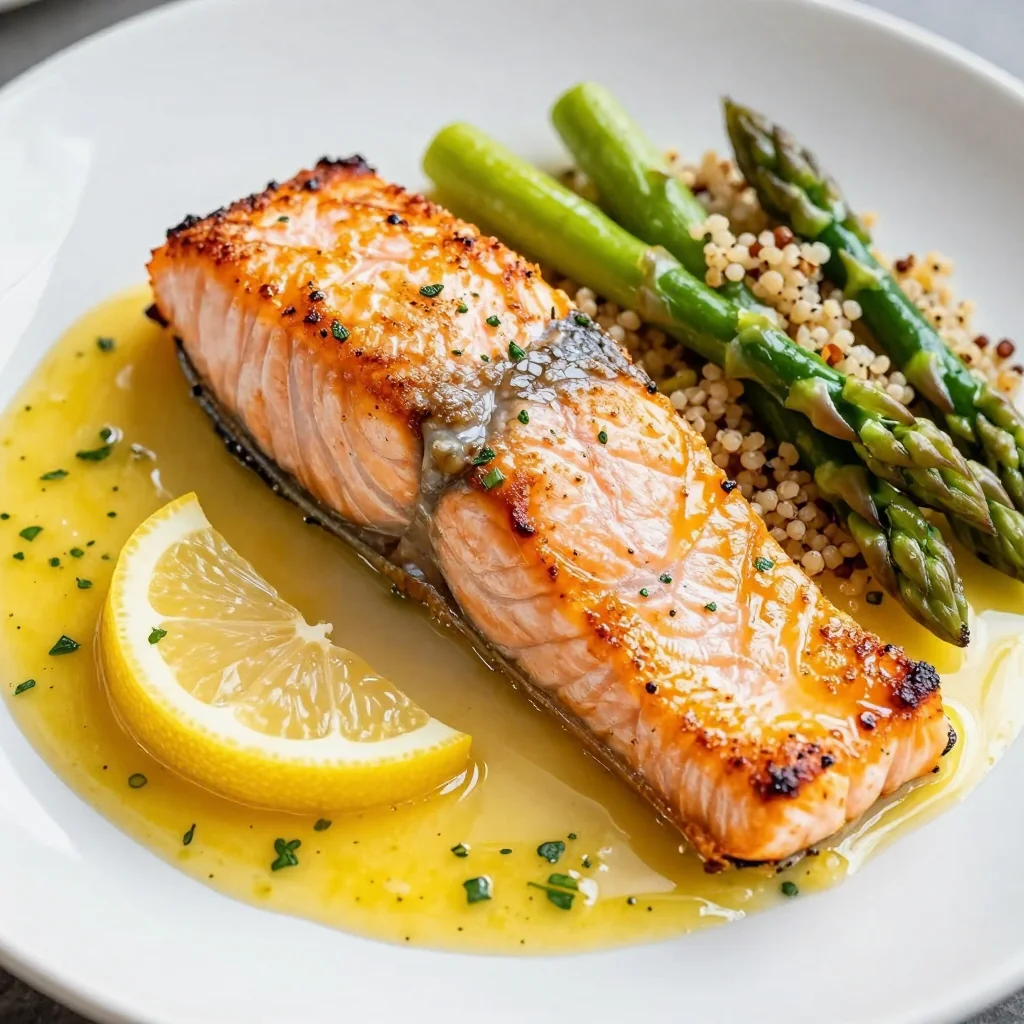
Healthy Lemon Garlic Salmon for a Quick Lunch
Ingredients
Instructions
- Prep salmon: Pat fillets dry, remove pin-bones, and let stand 10 minutes to take the chill off.
- Make marinade: Whisk lemon zest, juice, garlic, olive oil, honey, salt, pepper, and pepper flakes.
- Marinate: Spoon 2 tbsp of mixture over salmon; reserve the rest. Rest 5 minutes, flip once.
- Heat skillet: Place pan over medium-high heat until a drop of oil shimmers.
- Sear: Cook salmon flesh-side down 3 minutes; press gently for even contact.
- Flip & glaze: Turn fillets, pour remaining marinade into pan, cook 2–3 minutes more, spooning glaze over top until salmon reaches desired doneness.
- Rest: Transfer to plates, tent with foil 2 minutes, garnish with parsley and extra lemon.
Recipe Notes
For crispy skin, start skin-side down and resist flipping until it releases easily. Internal temp should read 125–130 °F for moist results.