Love this? Pin it for later! 📌
Herb-Crusted Roast Chicken with Root Vegetables for Christmas Eve
There's something undeniably magical about Christmas Eve dinner. The twinkling lights, the anticipation of tomorrow's celebrations, and the aroma of a perfectly roasted bird wafting through your home—it's pure holiday bliss. After years of experimenting with various centerpiece dishes for our Christmas Eve feast, I've finally perfected what I believe is the ultimate comfort food: a golden, herb-crusted roast chicken surrounded by caramelized root vegetables that taste like they've been kissed by winter itself.
What makes this recipe so special isn't just its stunning presentation (though your guests will definitely be reaching for their cameras). It's the way the crispy herb crust locks in all those glorious juices, creating meat so tender it practically falls off the bone. The root vegetables roast underneath, soaking up all those flavorful drippings until they transform into sweet, earthy morsels that might just steal the show. Trust me when I say this will become your new Christmas Eve tradition—it's become ours, and I wouldn't have it any other way.
Why This Recipe Works
- Butter-herb magic: A compound butter with fresh rosemary, thyme, and sage creates an aromatic crust that keeps the chicken incredibly moist
- One-pan wonder: Everything cooks together on a single sheet pan, meaning less cleanup and more time with family
- Perfect timing: The vegetables are added at just the right moment to achieve caramelization without burning
- Make-ahead friendly: The herb butter can be prepared up to 3 days in advance
- Impressive yet economical: A whole chicken feeds 6-8 people for a fraction of the cost of prime rib or turkey
- Leftover goldmine: Any remaining meat transforms into incredible sandwiches, soups, or pot pies for the week ahead
Ingredients You'll Need
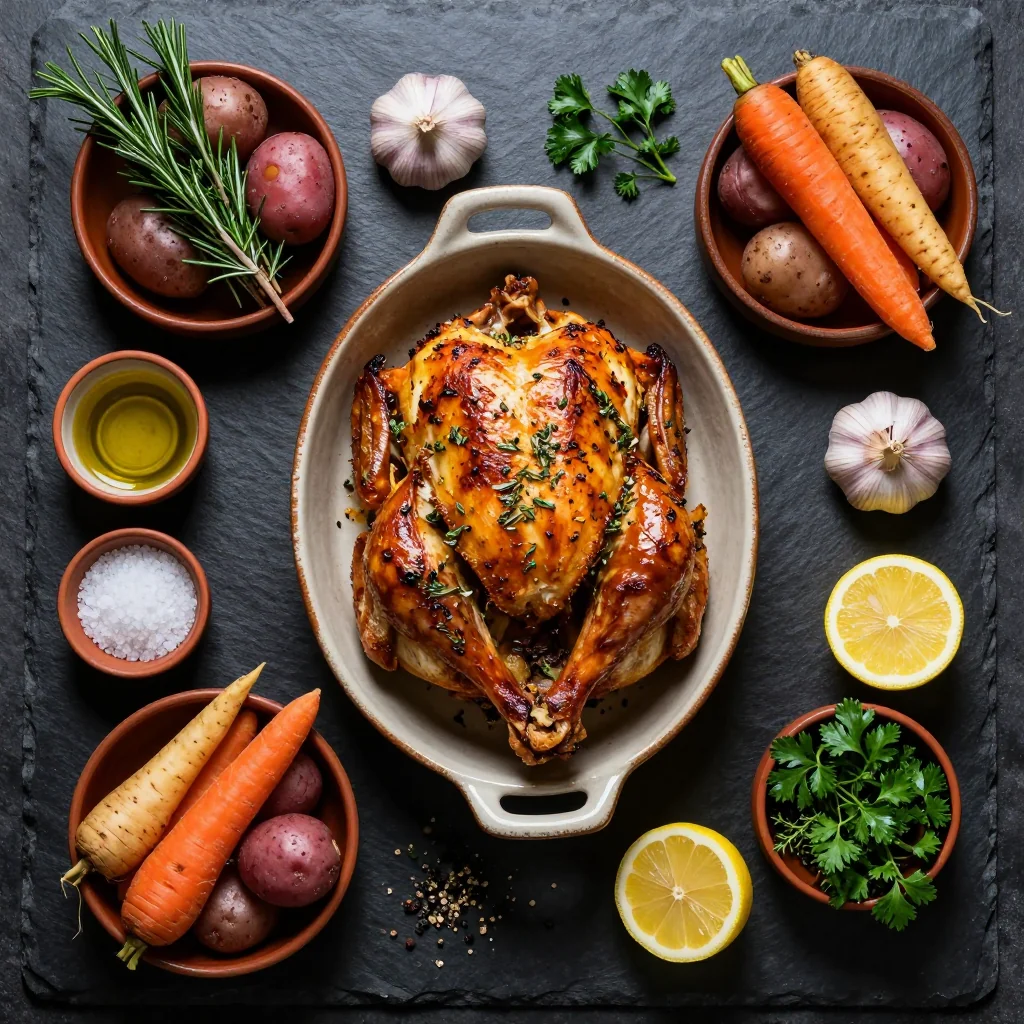
Before we dive into the cooking process, let's talk about each ingredient and why it matters. Quality ingredients are especially important for holiday cooking, and I've learned that splurging on a few key items makes all the difference between a good roast chicken and an unforgettable one.
The Star: A 4-5 pound whole chicken - Look for an air-chilled, organic bird if possible. The air-chilling process (versus water-chilled) results in crispier skin and better flavor. Make sure to remove the giblets from the cavity and pat the chicken very dry with paper towels. Moisture is the enemy of crispy skin!
Unsalted butter - I always use European-style butter for its higher fat content and richer flavor. It needs to be very soft so it can be easily mixed with the herbs and spread under the skin. If you forget to take it out ahead of time, cut it into small pieces and let it sit near (not on) the warm stove.
Fresh herbs - This is non-negotiable for Christmas Eve dinner. Fresh rosemary, thyme, and sage create an aromatic symphony that dried herbs simply cannot replicate. If you must substitute, use one-third the amount of dried herbs, but I highly encourage a trip to the store. The herbs should smell fragrant and vibrant, not musty or stale.
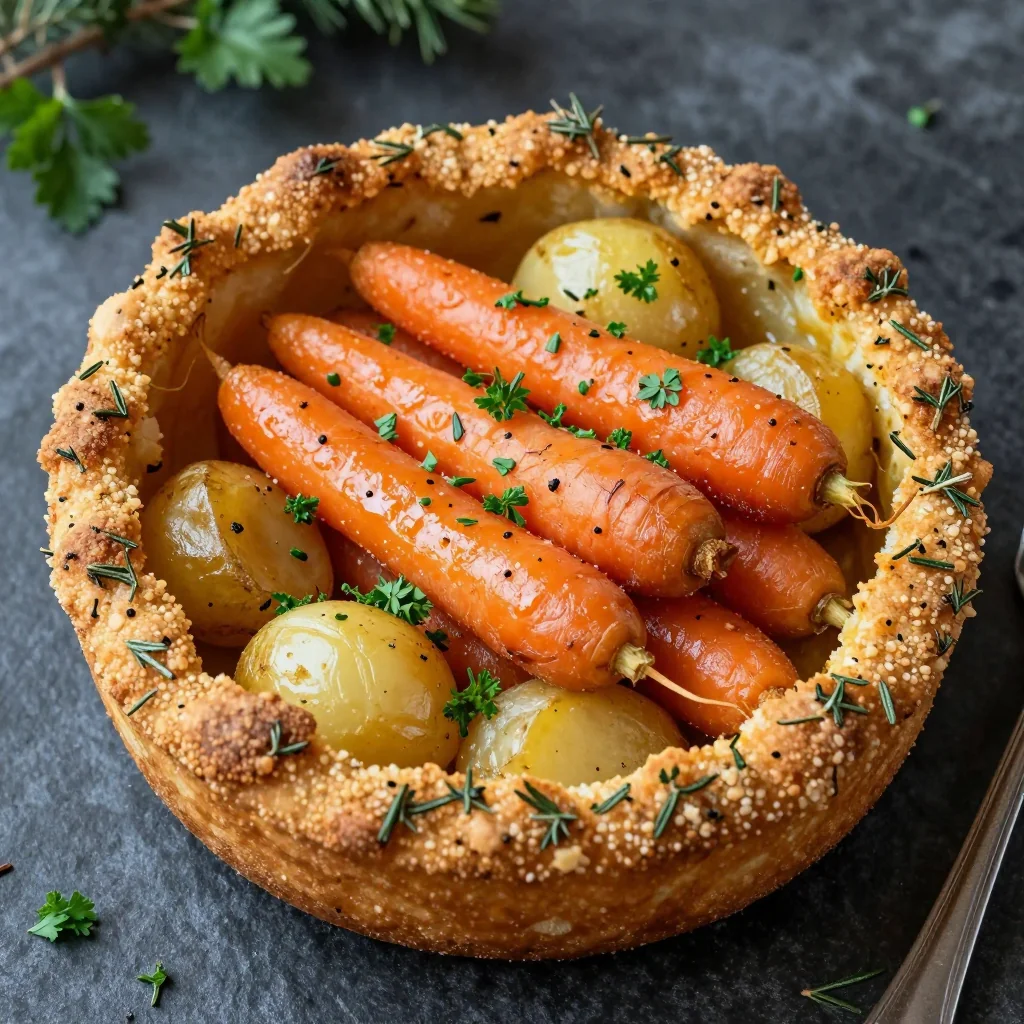
Root vegetables - I use a combination of rainbow carrots, parsnips, baby potatoes, and golden beets. The key is cutting them into uniform sizes so they cook evenly. Feel free to add turnips, rutabaga, or sweet potatoes based on your family's preferences. Avoid red beets unless you want everything to turn pink!
Lemon and garlic - These aromatic additions go inside the cavity, infusing the chicken from the inside out with bright, fresh flavors. The lemon also helps balance the richness of the herb butter.
White wine and chicken stock - This combination creates incredible pan juices for basting and prevents the vegetables from drying out. Use a wine you'd actually drink—cooking wine from the grocery store will ruin your beautiful dish.
How to Make Herb-Crusted Roast Chicken with Root Vegetables for Christmas Eve
Prepare the Herb Butter
In a small bowl, combine 8 tablespoons of very soft unsalted butter with 2 tablespoons finely chopped fresh rosemary, 1 tablespoon fresh thyme leaves, 1 tablespoon finely chopped fresh sage, 2 minced garlic cloves, 1 teaspoon kosher salt, and ½ teaspoon black pepper. Mash everything together with a fork until well combined. This can be made up to 3 days ahead and stored covered in the refrigerator. Bring to room temperature before using.
Prep the Chicken
Remove your chicken from the refrigerator 45 minutes before cooking. Pat it completely dry with paper towels, inside and out. This is crucial for crispy skin! Gently loosen the skin from the breast and thighs by sliding your fingers underneath, being careful not to tear it. Season the cavity generously with salt and pepper, then stuff with one quartered lemon and 4 smashed garlic cloves.
Apply the Herb Butter
Using your fingers or a small spoon, distribute about two-thirds of the herb butter under the skin, spreading it evenly over the breast and thighs. Massage from the outside to distribute evenly. Rub the remaining butter all over the outside of the chicken. Truss the legs with kitchen twine and tuck the wing tips under the body. Season the outside generously with salt and pepper. Let the chicken sit at room temperature while you prep the vegetables.
Prepare the Root Vegetables
Preheat your oven to 425°F (220°C). In a large bowl, toss 1 pound baby potatoes (halved), 4 large rainbow carrots (cut into 2-inch pieces), 2 medium parsnips (peeled and cut into 2-inch pieces), and 2 medium golden beets (peeled and cut into wedges) with 3 tablespoons olive oil, 2 teaspoons kosher salt, 1 teaspoon pepper, and 2 teaspoons fresh thyme. The key is cutting everything to roughly the same size so they cook evenly.
Set Up for Roasting
Arrange the vegetables in a single layer on a large rimmed baking sheet or roasting pan. Pour ½ cup dry white wine and ½ cup chicken stock into the pan, avoiding the vegetables (you want them to roast, not steam). Place a roasting rack or a bed of celery stalks over the vegetables. Position the chicken breast-side up on the rack. This setup allows the vegetables to catch all the delicious drippings while staying elevated enough to caramelize.
Roast the Chicken
Place the pan in the preheated oven and roast for 20 minutes. Reduce the temperature to 375°F (190°C) and continue roasting for about 1 hour and 15 minutes more, or until a meat thermometer inserted into the thickest part of the thigh reads 165°F (74°C). Baste the chicken with the pan juices every 20-30 minutes. If the skin browns too quickly, tent loosely with foil. The vegetables should be tender and caramelized.
Rest and Serve
Once done, transfer the chicken to a cutting board and tent loosely with foil. Let it rest for 15-20 minutes—this is crucial for juicy meat! The internal temperature will continue to rise by about 5°F. While the chicken rests, give the vegetables a good stir and return them to the oven if they need more time. Skim excess fat from the pan juices and serve them alongside the carved chicken.
Carve and Present
Remove the kitchen twine and carve the chicken into serving pieces. I like to arrange the carved meat on a large platter with the roasted vegetables arranged around it, garnished with fresh herb sprigs. The presentation is stunning, and the combination of crispy skin, tender meat, and caramelized vegetables creates the perfect Christmas Eve centerpiece.
Expert Tips
Invest in a Good Thermometer
An instant-read thermometer is your best friend for perfectly cooked chicken. Insert it into the thickest part of the thigh, avoiding bone. The temperature should read 165°F when done, but remember it will continue to rise while resting.
Dry Skin = Crispy Skin
After applying the herb butter, let the chicken air-dry in the refrigerator for up to 24 hours. This extra step removes moisture from the skin, resulting in unbelievably crispy perfection.
Don't Skip the Basting
Those pan juices are liquid gold! Basting every 20-30 minutes not only keeps the chicken moist but also helps develop that gorgeous golden-brown color we all love.
Rest is Best
I cannot stress this enough—let your chicken rest! Those 15-20 minutes allow the juices to redistribute throughout the meat. Cut too early and they'll all run out, leaving you with dry chicken.
Variations to Try
Citrus-Herb Version
Add the zest of one orange and one lemon to your herb butter. Replace the wine with orange juice for a brighter, citrus-forward profile that pairs beautifully with the root vegetables.
Perfect for those who prefer lighter flavors
Mediterranean Style
Swap the herbs for oregano, basil, and marjoram. Add Kalamata olives and cherry tomatoes to the vegetables, and use white wine with a splash of ouzo for an unexpected twist.
Great with a Greek salad on the side
Spicy Cajun Version
Add 2 teaspoons Cajun seasoning and ½ teaspoon cayenne to your herb butter. Include andouille sausage chunks with the vegetables and use beer instead of wine for authentic bayou flavor.
Perfect for those who like it hot!
Asian-Inspired Twist
Replace herbs with ginger, garlic, and cilantro. Use soy sauce instead of salt, rice wine instead of white wine, and add baby bok choy to the vegetables for the last 15 minutes.
Serve with steamed jasmine rice
Storage Tips
One of the best things about this roast chicken is how well it stores and reheats. Whether you're planning for leftovers or want to prep components ahead, here are my tried-and-true storage methods:
Refrigerating leftovers: Store carved chicken and vegetables in separate airtight containers in the refrigerator for up to 4 days. The chicken stays moist when stored with some of the pan juices poured over it. Pro tip: Don't slice all the meat off the carcass—keeping some on the bone helps retain moisture.
Freezing for later: Both the chicken and vegetables freeze beautifully. Wrap portions tightly in plastic wrap, then aluminum foil, and freeze for up to 3 months. Thaw overnight in the refrigerator and reheat covered at 325°F until warmed through. The vegetables might lose some texture but will still taste delicious.
Make-ahead components: The herb butter can be prepared up to 3 days ahead and stored covered in the refrigerator. The vegetables can be chopped and stored in zip-top bags with a damp paper towel for up to 2 days. You can even season the chicken with salt up to 24 hours ahead—this dry-brining method actually improves the flavor and texture.
Transforming leftovers: Don't let anything go to waste! The carcass makes incredible stock for soup. Simply simmer it with onions, carrots, and celery for 4-6 hours. Leftover meat is perfect for chicken salad, enchiladas, or my favorite—creamy chicken pot pie.
Frequently Asked Questions
Absolutely! For a 6-7 pound chicken, increase the cooking time by about 30-45 minutes. The key is monitoring the internal temperature rather than the clock. Some larger chickens may need their legs covered with foil if they brown too quickly while the breast finishes cooking.
While fresh herbs are ideal for this special occasion, you can substitute dried herbs in a pinch. Use one-third the amount (so 2 teaspoons dried rosemary instead of 2 tablespoons fresh). The flavor won't be as vibrant, but it'll still be delicious. Better yet, check the produce section for "poultry blend" herb packs often available during the holidays.
Yes! Convection is actually fantastic for roast chicken as it promotes even browning and crispy skin. Reduce the temperature by 25°F and start checking for doneness about 15 minutes earlier. The circulating air means faster cooking, so keep a close eye on it.
Vegetables burn when they're too close to the heating element or when there's not enough liquid in the pan. Make sure to add the wine and stock as directed, and if your oven runs hot, you can add the vegetables halfway through cooking instead. Also, cut larger pieces for slower cooking.
For food safety reasons, I don't recommend stuffing the chicken with traditional bread stuffing. The stuffing may not reach a safe temperature even when the chicken is done, creating a food safety risk. Instead, bake your stuffing separately and use just the lemon and garlic in the cavity as directed. If you must stuff it, make sure the stuffing also reaches 165°F.
Besides the thermometer reading 165°F in the thickest part of the thigh, look for these signs: the juices should run clear when you pierce the thigh, the leg should move easily in its joint, and the meat should no longer be pink. When in doubt, temp it in multiple spots. Better to overcook slightly than serve undercooked poultry!
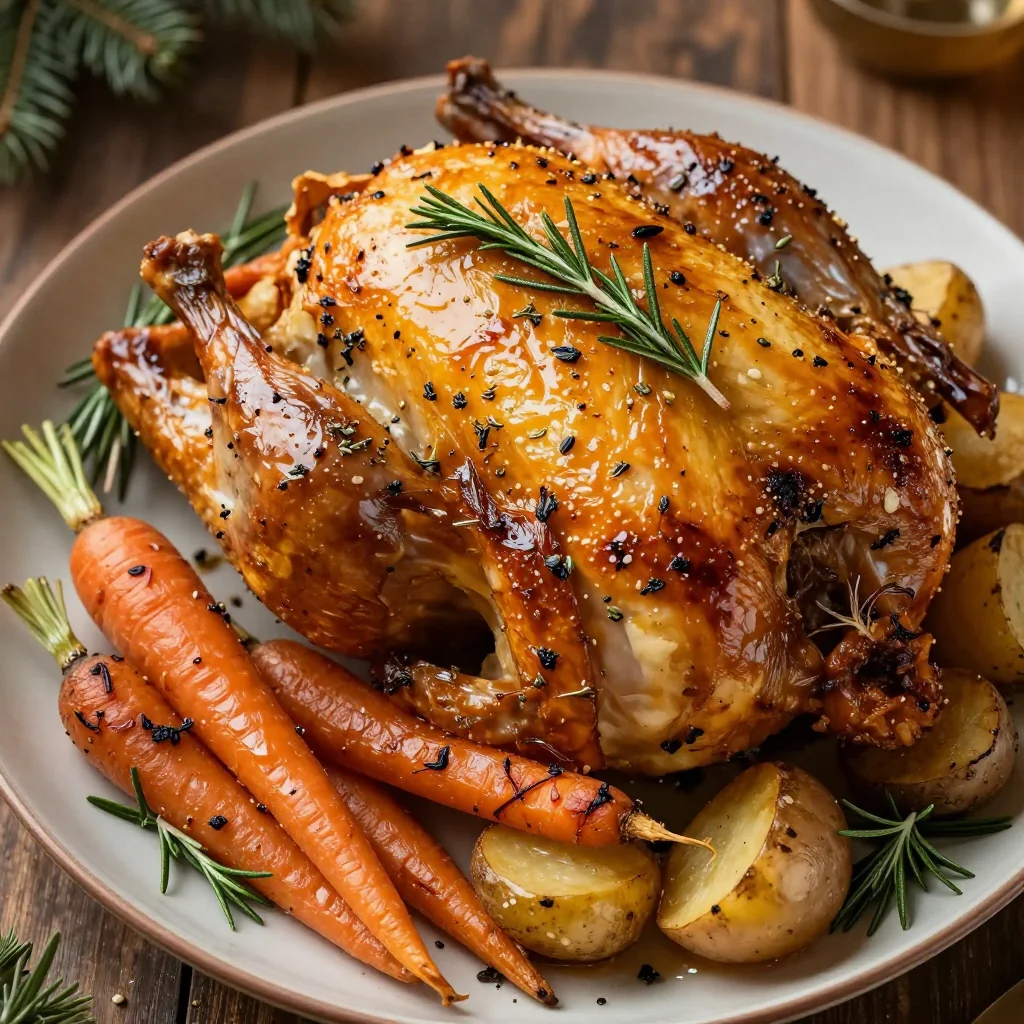
Herb-Crusted Roast Chicken with Root Vegetables for Christmas Eve
Ingredients
Instructions
- Make herb butter: Combine soft butter with chopped rosemary, thyme, sage, 2 minced garlic cloves, salt, and pepper until well mixed.
- Prep chicken: Pat chicken dry inside and out. Loosen skin from breast and thighs. Season cavity with salt and pepper, stuff with lemon quarters and 4 smashed garlic cloves.
- Apply butter: Spread two-thirds of herb butter under skin, remaining on outside. Truss legs and tuck wing tips. Season with salt and pepper.
- Prep vegetables: Toss all vegetables with olive oil, salt, pepper, and thyme until well coated.
- Roast setup: Arrange vegetables in single layer on large rimmed baking sheet. Pour wine and stock around vegetables. Place rack over vegetables and set chicken on top.
- Cook: Roast at 425°F for 20 minutes, then reduce to 375°F and continue roasting 1 hour 15 minutes more, basting every 20-30 minutes, until thermometer reads 165°F in thigh.
- Rest and serve: Let chicken rest 15-20 minutes before carving. Stir vegetables and return to oven if needed while chicken rests.
Recipe Notes
For extra crispy skin, let the seasoned chicken air-dry in the refrigerator uncovered for up to 24 hours. The herb butter can be made up to 3 days ahead. If vegetables brown too quickly, tent with foil. Always use a meat thermometer to ensure doneness.