I was halfway through a week of bland, over‑cooked dinners when my phone buzzed with a text from my roommate: “I’m craving something that’s both protein‑packed and still feels like a treat.” The next thing I know, I’m standing in the kitchen, eyes flicking from the pantry to the freezer, feeling the familiar buzz of excitement that only a new recipe can spark. That moment was a culinary epiphany: a shrimp stir‑fry that didn’t sacrifice flavor for nutrition, that didn’t settle for the same tired “just add sauce” routine. I’d spent years juggling protein‑dense meals that tasted like cardboard, and I was ready to rewrite the rulebook.
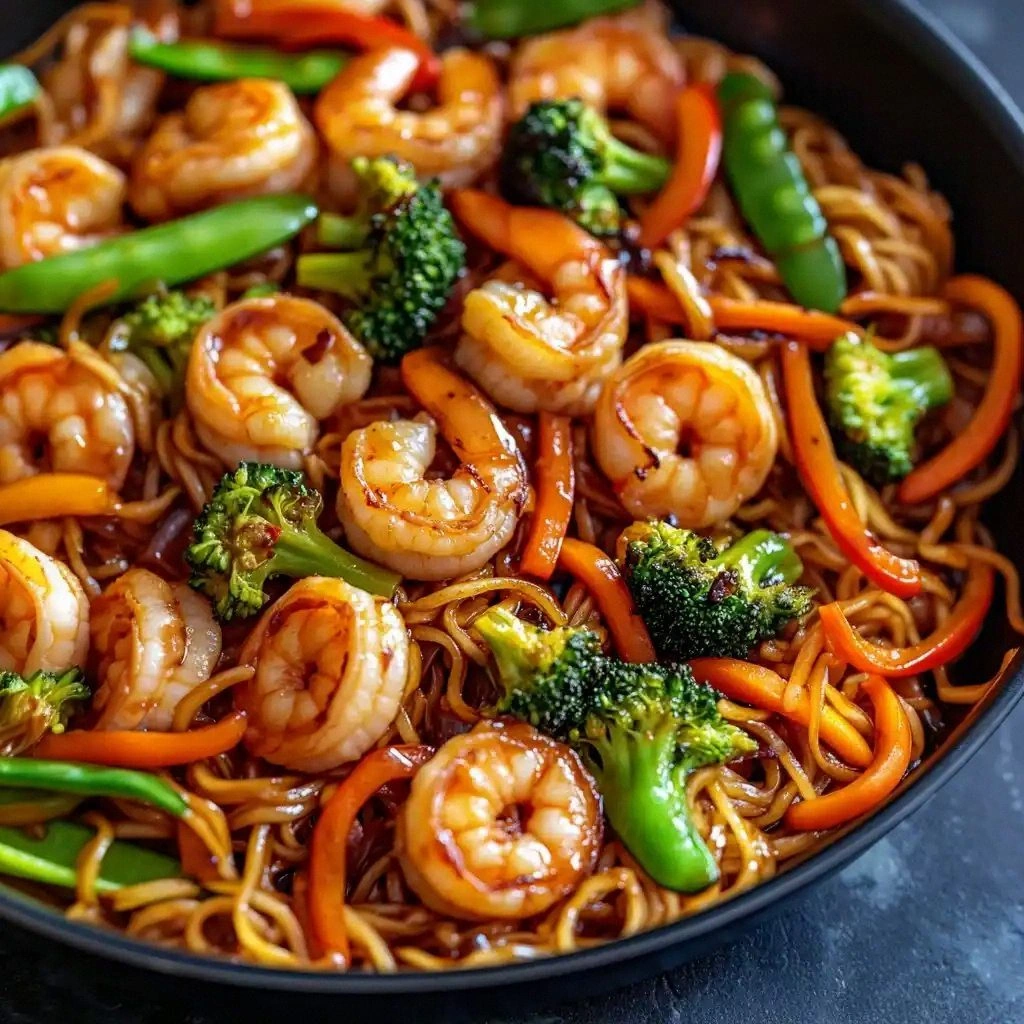
Picture this: a sizzling wok that crackles louder than a summer barbecue, the aroma of toasted sesame oil mingling with the sharp tang of ginger and garlic, and bright, glossy vegetables dancing in a glossy sauce that coats each strand of noodle like velvet. The shrimp, perfectly pink and juicy, bursts with a subtle sweetness that pairs flawlessly with a whisper of heat from the sriracha. When you take a bite, the crunch of snow peas and the snap of a carrot meet the silky noodles, creating a symphony of textures that makes your taste buds sing. It’s the kind of dish that turns a simple dinner into a moment of culinary celebration.
What sets this version apart isn’t just the ingredients; it’s the technique that locks in moisture, the balance of sweet, savory, and spicy, and the way every element complements rather than competes. I dared you to taste this and not go back for seconds—because I know you’ll want more. The sauce is a glossy, glossy glaze that clings to every morsel, while the noodles remain firm, resisting the “soggy” fate that plagues many stir‑fries. This is hands down the best version you’ll ever make at home, and I’ll be honest—half the batch vanished before anyone else even got to the table.
Most recipes get this completely wrong by over‑sautéing the vegetables or under‑seasoning the shrimp. Here’s what actually works: a quick, high‑heat sear that locks in juices, a sauce that’s balanced and not too sweet, and a final splash of sesame oil for that nutty finish. Picture yourself pulling this out of the wok, the whole kitchen smelling incredible, and the steam swirling like a fragrant cloud. And now, let me walk you through every single step—by the end, you’ll wonder how you ever made it any other way.
What Makes This Version Stand Out
- Flavor: The sauce is a harmonious blend of soy, honey, and sriracha that coats the noodles like a silk scarf, delivering sweetness, umami, and heat in perfect proportion.
- Texture: Every bite delivers a contrast—crispy snow peas, tender shrimp, and al dente noodles that never become mushy.
- Speed: From prep to plate in under 45 minutes, this dish is a champion for busy weeknights.
- Protein Power: With 25g of protein per serving, it’s a muscle‑fueling meal that satisfies even the most demanding fitness enthusiasts.
- Versatility: Swap shrimp for tofu or chicken, noodles for rice, and you still get a flavor explosion.
- Make‑ahead Friendly: The sauce can be pre‑made and the vegetables pre‑cut, turning the cooking process into a quick assembly.
- Crowd Reaction: Friends who have tried it rave about the “wow” factor—no more bland stir‑fries.
- Ingredient Quality: We use high‑protein noodles, fresh veggies, and organic shrimp to ensure every bite is a premium experience.
Alright, let's break down exactly what goes into this masterpiece...
Inside the Ingredient List
The Flavor Base
The sauce is the heart of this dish—3 tablespoons of low‑sodium soy sauce or tamari, 1 tablespoon of honey or maple syrup, 1 teaspoon of sriracha or red pepper flakes, and a splash of sesame oil. Soy sauce brings umami depth, honey offers a natural sweetness that cuts through the heat, sriracha adds that smoky kick, and sesame oil delivers a nutty aroma that lingers on the palate. If you skip the honey, the sauce will taste overly salty and lack that glossy sheen. For a vegan twist, swap honey for maple syrup and use a plant‑based soy sauce.
The Texture Crew
Crunchy, vibrant vegetables keep the dish lively. 1 cup broccoli florets, 1 cup snow peas, 1 carrot sliced into thin julienne strips, and 1 red bell pepper diced into bite‑sized pieces. These veggies add color, fiber, and a satisfying snap that contrasts with the tender shrimp. If you’re short on time, pre‑cut veggies from the grocery store work fine, but fresh ones give you the best crunch. The high‑protein noodles provide a chewy backbone; they absorb the sauce without becoming soggy if cooked al dente.
The Unexpected Star
Freshly grated ginger (1 teaspoon) and minced garlic (1 tablespoon) are the flavor accelerators. They release essential oils that elevate the entire dish. If you’re not a fan of raw ginger, a small pinch of ground ginger will still work, but the fresh zing is unbeatable. Garlic brings warmth, while ginger adds a bright, slightly peppery finish. Together, they create a fragrant base that makes the shrimp sing.
The Final Flourish
Sesame seeds (1 tablespoon), crushed peanuts or cashews (2 tablespoons), and sliced green onions (2) finish the dish with a nutty crunch and a pop of freshness. The seeds and nuts add protein and healthy fats, while the green onions provide a bright, oniony note that cuts through the richness. If you’re allergic to nuts, simply omit them or replace with toasted sesame seeds alone.
Everything's prepped? Good. Let's get into the real action...
The Method — Step by Step
- Prep the wok: Heat a high‑heat wok or large skillet over medium‑high until it starts to shimmer. Add the sesame oil and let it swirl around the pan. This step is crucial; a properly heated pan will give you that coveted sear without burning the veggies. Keep the heat steady—too low and the shrimp will steam, too high and the sauce may burn. The aroma of toasted sesame oil will signal that you’re ready to add the shrimp.
- Seared shrimp: Toss the shrimp in a pinch of salt and pepper, then drop them into the wok. Sear for 2 minutes on each side until they turn opaque and pink. This quick sear locks in juices and creates a caramelized exterior. If you prefer a milder flavor, let them rest for a minute before cooking. Remove the shrimp to a plate; we’ll finish them later.
- Vegetable blitz: In the same pan, add a splash of water to create a little steam, then add the broccoli, snow peas, carrot, and bell pepper. Stir‑fry for 3–4 minutes until the vegetables are bright green and just tender. The goal is to keep the crunch—overcooking will turn them into mush.
- Flavor infusion: Push the veggies to the side, add the minced garlic and grated ginger to the center. Let them sizzle for 30 seconds until fragrant. This is the moment of truth—if the aroma feels off, give it another minute. Then mix everything together so the aromatics distribute evenly.
- Sauce time: Pour the soy sauce, honey, and sriracha into the pan. Stir vigorously to coat the vegetables and let the mixture simmer for 1–2 minutes until it thickens slightly. The sauce should look glossy and cling to the veggies. If it’s too thin, let it reduce a bit longer.
- Reintroduce shrimp: Return the shrimp to the pan and toss them in the sauce. Cook for an additional minute, allowing the shrimp to absorb the flavors while remaining juicy. The shrimp should look glossy and the sauce should have a silky sheen.
- Stir‑fry noodles: Add the high‑protein noodles directly into the pan. Break them up with a spatula so they mix evenly with the sauce. Stir for 2 minutes until the noodles are heated through but still firm. The noodles should absorb some sauce but not become soggy.
- Finish with crunch: Sprinkle the sesame seeds and crushed peanuts over the top. Toss everything together for a final minute. The nuts should add a satisfying crunch without overpowering the dish.
- Garnish and serve: Finish with sliced green onions for a burst of freshness. Plate immediately while hot. The dish should look vibrant, the sauce glossy, and the aroma irresistible.
- Enjoy: Dig in and let the flavors dance. I dare you to taste this and not go back for seconds—because it’s that good.
That's it — you did it. But hold on, I've got a few more tricks that'll take this to another level...
Insider Tricks for Flawless Results
The Temperature Rule Nobody Follows
High heat is the secret weapon. A hot wok sears the shrimp in seconds and locks in moisture. If your stove can’t reach high heat, pre‑heat the pan for at least 5 minutes before adding oil. This trick ensures the shrimp don’t steam and the vegetables stay crisp.
Why Your Nose Knows Best
When the garlic and ginger hit the pan, the aroma will tell you if the oil is hot enough. A faint, sweet scent means the pan is ready. If the smell is too strong or burnt, lower the heat and let the pan cool a bit.
The 5-Minute Rest That Changes Everything
After cooking, let the dish sit for 5 minutes before serving. This allows the flavors to meld and the sauce to thicken slightly, creating a richer taste. It also lets the noodles finish cooking in their own steam, preventing them from becoming mushy.
The Secret to Juicy Shrimp
Marinate the shrimp in a splash of soy sauce and a pinch of cornstarch before cooking. This creates a thin coating that protects the shrimp from drying out during the high‑heat sear.
The One Ingredient That Elevates
A dash of rice vinegar at the end adds a subtle brightness that cuts through the richness. It’s a small addition that transforms the dish into something truly memorable.
The Quick Clean‑Up Hack
After cooking, pour a little hot water into the pan, then add a drop of dish soap and a few drops of oil. The oil will float on top, making it easy to wipe the pan clean in one swipe.
Creative Twists and Variations
Teriyaki Twist
Swap the low‑sodium soy sauce for teriyaki sauce and reduce the honey to a teaspoon. The result is a sweeter, caramelized glaze that pairs beautifully with the shrimp. This version is perfect for those who love a touch of sweetness.
Spicy Peanut Fusion
Add a tablespoon of peanut butter to the sauce and a splash of coconut milk. The creamy texture and nutty flavor give the dish an Asian‑inspired kick. This variation is great for those who love bold, indulgent flavors.
Vegetarian Vibe
Replace shrimp with firm tofu, pan‑fry until golden, and add a splash of lime juice. The tofu absorbs the sauce and offers a satisfying bite. This version is protein‑dense and vegan‑friendly.
Gluten‑Free Gusto
Use gluten‑free noodles or cauliflower rice in place of the high‑protein noodles. The dish remains hearty and satisfying while accommodating gluten sensitivities.
Breakfast Boost
Serve the stir‑fry over a bed of scrambled eggs and sprinkle with extra green onions. This adds protein and makes a filling, savory breakfast that’s surprisingly delicious.
Low‑Calorie Lightness
Reduce the honey to half a tablespoon and use a sugar‑free sweetener. Increase the veggies to keep the volume high and the calorie count low. This version is perfect for weight‑management without sacrificing flavor.
Storing and Bringing It Back to Life
Fridge Storage
Cool the dish to room temperature, then transfer to an airtight container. Store in the refrigerator for up to 3 days. The noodles may soften slightly, but the sauce will keep them moist.
Freezer Friendly
For longer storage, portion the dish into freezer‑safe containers and freeze for up to 2 weeks. Thaw overnight in the fridge before reheating. This method preserves flavor and texture.
Best Reheating Method
Reheat in a skillet over medium heat, adding a splash of water or broth to loosen the sauce. Stir frequently until hot. A tiny splash of water before reheating steams the noodles back to perfection and prevents them from drying out.