It was a Tuesday night, the kind of evening where the only thing you wanted was a quick dinner that didn’t involve a trip to the grocery store. I stared at the fridge, the empty shelves glaring back, and then, in a moment of culinary desperation, I pulled out a handful of ingredients I already had: a few salmon fillets, some fresh dill, and a lemon. My friend, who’s always up for a challenge, dared me to turn that simple pantry list into something that would make us both brag about our cooking skills. And so, the quest for the ultimate lemon dill baked salmon began.
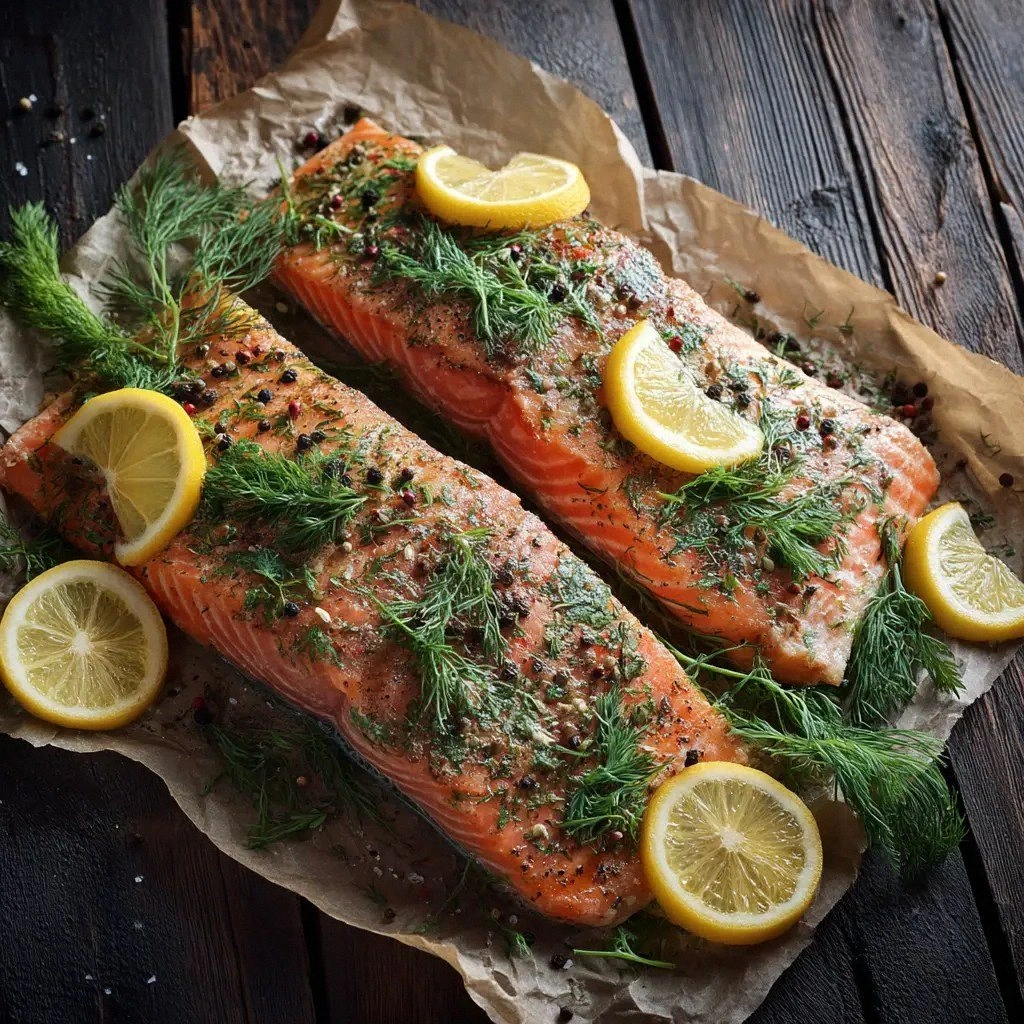
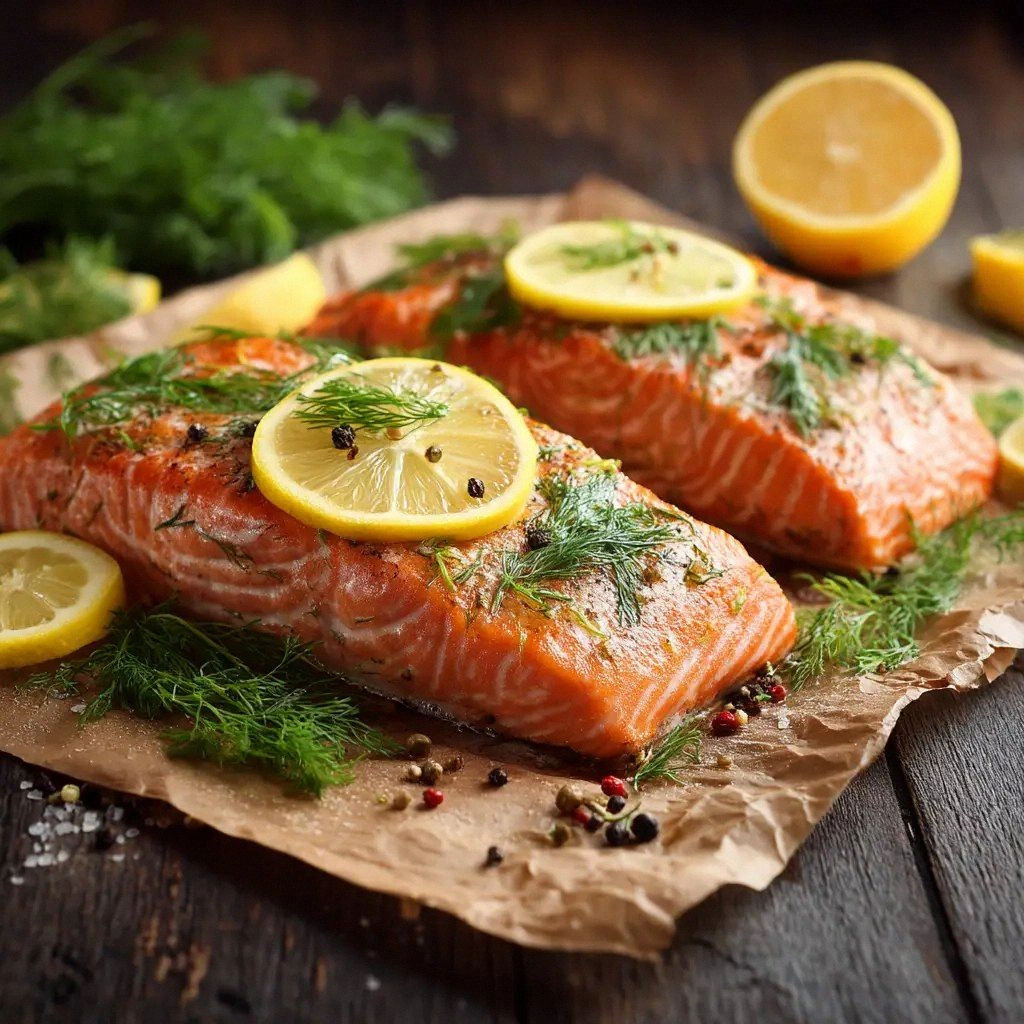
Picture this: the bright orange of the lemon slicing into the fillets, the green flecks of dill scattered like confetti, and the faint, buttery aroma that rises as the salmon starts to bake. The sound of the oven preheating is a low, comforting hum, while the kitchen lights cast a warm glow over the cutting board. As I drizzle olive oil over the fillets, the liquid gleams, reflecting the kitchen’s gentle illumination. The anticipation builds, and I can already taste the bright, citrusy tang that will kiss the tender fish.
What makes this version stand out is not just the freshness of the ingredients, but the way they harmonize. The butter creates a silky coating that locks in moisture, the dill adds a herbaceous punch that’s both earthy and bright, and the lemon zest delivers a citrus burst that cuts through the richness of the salmon. It’s a symphony of flavors that feels both indulgent and wholesome, a recipe that turns a simple dinner into a memorable experience.
I’m about to reveal a technique that most recipes overlook: a quick butter glaze that transforms the fillets into a glossy, golden masterpiece. It’s a simple step that takes a minute but adds a depth of flavor that feels like a culinary secret. You’ll see why this is hands down the best version you’ll ever make at home.
Let me walk you through every single step — by the end, you’ll wonder how you ever made it any other way. I dare you to taste this and not go back for seconds.
What Makes This Version Stand Out
- Flavor: The bright citrus of lemon and the aromatic dill create a layered taste that is both fresh and comforting.
- Texture: The butter glaze gives the salmon a silky, almost velvety finish that melts in your mouth.
- Simplicity: With only nine ingredients, this dish is a breeze to assemble, making it perfect for busy nights.
- Uniqueness: The combination of garlic and lemon zest in a butter base sets this recipe apart from typical baked salmon.
- Crowd Reaction: Friends who’ve tried this rave about the buttery crunch and the burst of lemon.
- Ingredient Quality: Using fresh dill and high‑quality butter elevates the dish to restaurant‑level flavor.
Inside the Ingredient List
The Flavor Base
Olive oil is the first layer that prevents the salmon from sticking and adds a subtle fruity note. It’s the unsung hero that keeps the fillets moist as they bake. Without it, the fish can dry out or become unevenly cooked.
The Texture Crew
Unsalted butter is the star of the show, creating a glossy, buttery coating that caramelizes slightly on the surface. When melted, it forms a tender crust that locks in the salmon’s natural juices. Skip the butter, and the dish loses that luscious mouthfeel.
The Unexpected Star
Fresh dill might seem like a simple herb, but its bright, slightly piney flavor cuts through the richness of the salmon. If you can’t find fresh dill, dried dill will work, but use only half the amount to avoid overpowering the dish.
The Final Flourish
Lemon zest and juice are the finishing touches that brighten the entire plate. The zest provides a concentrated burst of citrus aroma, while the juice adds a tangy brightness that balances the buttery richness. Removing them would leave the dish feeling flat and heavy.
Everything’s prepped? Good. Let’s get into the real action.
The Method — Step by Step
- Preheat your oven to 400°F (200°C). Line a baking sheet with parchment paper or lightly oil it to prevent sticking. This step ensures a consistent bake and makes cleanup a breeze.
- Pat the salmon fillets dry with paper towels. Removing surface moisture allows the olive oil and butter glaze to adhere better, creating a more pronounced crust.
- Drizzle the olive oil over the fillets, then season each side with ½ teaspoon of salt and ¼ teaspoon of black pepper. The salt draws out moisture, while the pepper adds a subtle heat that balances the citrus.
- In a small saucepan over low heat, melt the 4 tablespoons of unsalted butter. Add the minced garlic and cook for 30 seconds, just until fragrant. This step infuses the butter with garlic flavor without burning it.
- Watch Out: Do not let the butter burn. If it starts to brown too quickly, lower the heat and stir constantly. Burnt butter can ruin the delicate flavor profile of this dish.
- Stir in the fresh dill, lemon zest, and 2 tablespoons of lemon juice. The combination of herbs and citrus will create a vibrant glaze that coats the fillets.
- Brush the glaze generously over each fillet, making sure the butter mixture covers the top and sides. The glaze should coat the fish like a glossy coat of paint.
- Bake for 12–15 minutes, or until the salmon flakes easily with a fork. The internal temperature should reach 145°F (63°C) for optimal safety and texture. When the edges begin to pull away from the parchment, it’s a sign that the fish is done.
- Remove the salmon from the oven and let it rest for 3 minutes. This allows the juices to redistribute, keeping the fillets moist and tender.
- Serve immediately, garnished with a wedge of lemon and a sprinkle of fresh dill. Pair with a light salad or steamed veggies for a balanced meal.
That’s it — you did it. But hold on, I’ve got a few more tricks that will take this to another level.
Insider Tricks for Flawless Results
The Temperature Rule Nobody Follows
Many chefs bake salmon at 425°F, but this can dry it out. A slightly lower 400°F allows the fillets to cook evenly while keeping the interior moist. I’ve tried higher temperatures and the fillets felt like rubber.
Why Your Nose Knows Best
The aroma of garlic and lemon in the butter glaze is a signal that the flavors are perfectly balanced. If you notice a sharp, burnt scent, the butter is overcooked. Trust your nose to guide you.
The 5-Minute Rest That Changes Everything
Letting the salmon rest after baking allows the juices to settle, preventing a dry bite. I’ve seen people skip this step and end up with a flaky, uneven texture. The rest is a small investment for a big payoff.
The “Flip” Trick for Even Cooking
If your fillets are thick, flip them halfway through baking to ensure even exposure to heat. This trick prevents one side from becoming overcooked while the other remains underdone.
The Quick Cooling Trick
After baking, place the salmon on a wire rack for a minute before serving. This step keeps the bottom from becoming soggy and preserves the crispness of the glaze.
Creative Twists and Variations
This recipe is a playground. Here are some of my favorite ways to switch things up:
Herb Swap: Basil and Lime
Replace dill with fresh basil and swap lemon zest for lime zest. The result is a bright, slightly sweet flavor that pairs well with Mediterranean sides.
Spicy Kick: Chili Flakes
Add a pinch of red pepper flakes to the butter glaze for a subtle heat that complements the citrus. This variation is great for those who like a bit of spice.
Smoky Flavor: Chipotle Butter
Melt the butter with a tablespoon of chipotle in adobo sauce. The smoky undertone adds depth and is a hit with grill‑loving crowds.
Citrus Mix: Orange and Ginger
Use orange zest and a splash of ginger juice in place of lemon. The sweet and slightly spicy profile transforms the dish into a tropical delight.
Seafood Fusion: Shrimp and Salmon
Add peeled shrimp to the baking sheet. They’ll cook quickly and soak up the buttery glaze, creating a hearty, seafood‑rich entrée.
Storing and Bringing It Back to Life
Fridge Storage
Cool the salmon to room temperature, then place it in an airtight container. Store in the refrigerator for up to 2 days. The buttery glaze may firm slightly, but a quick warm‑up will restore its softness.
Freezer Friendly
Wrap each fillet in parchment paper and then in foil before freezing. The fillets can stay in the freezer for up to 3 months. Thaw overnight in the refrigerator before reheating.
Best Reheating Method
Reheat in a preheated oven at 350°F (175°C) for 8–10 minutes, or until warmed through. Add a splash of water or a drizzle of olive oil before reheating to keep the salmon moist. Finish with a quick drizzle of fresh lemon juice for a bright finish.