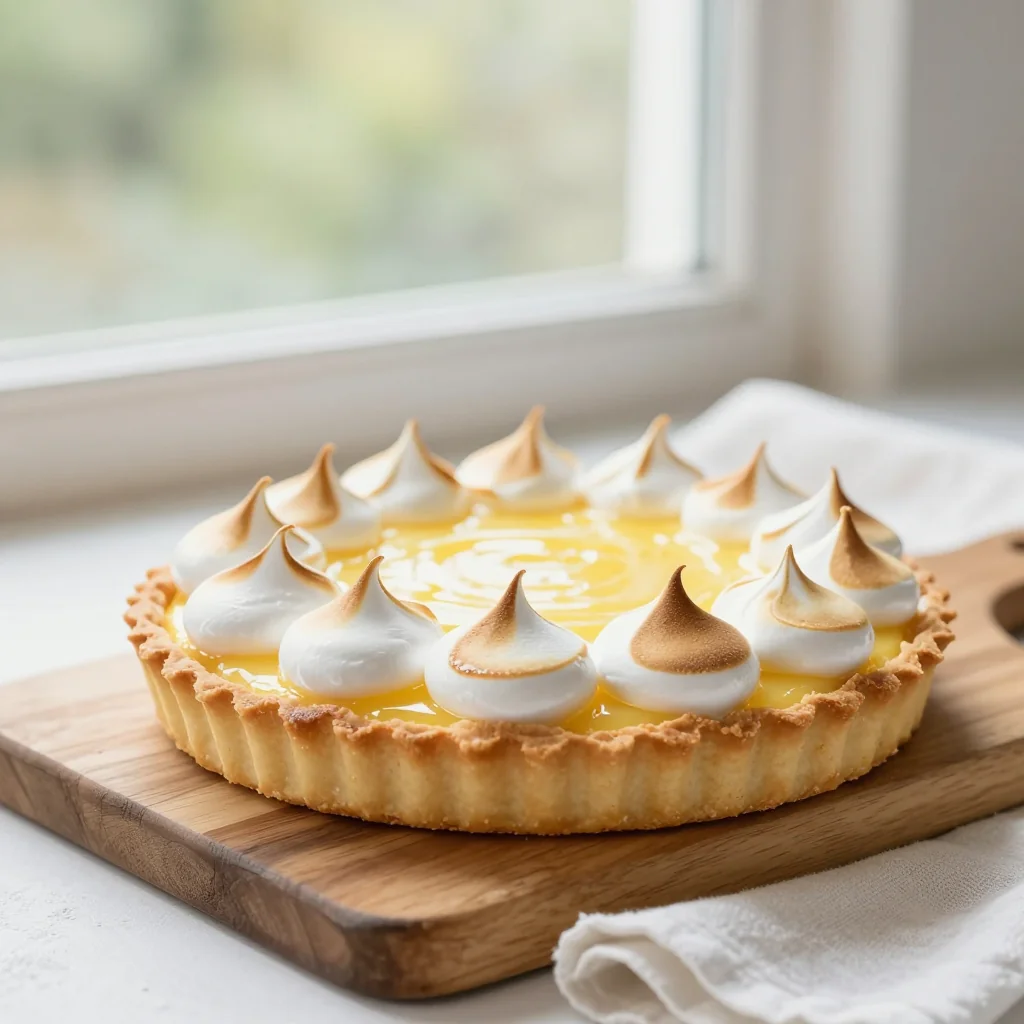
A bright, buttery tart that balances tart lemon curd with a cloud of sweet, toasted meringue.
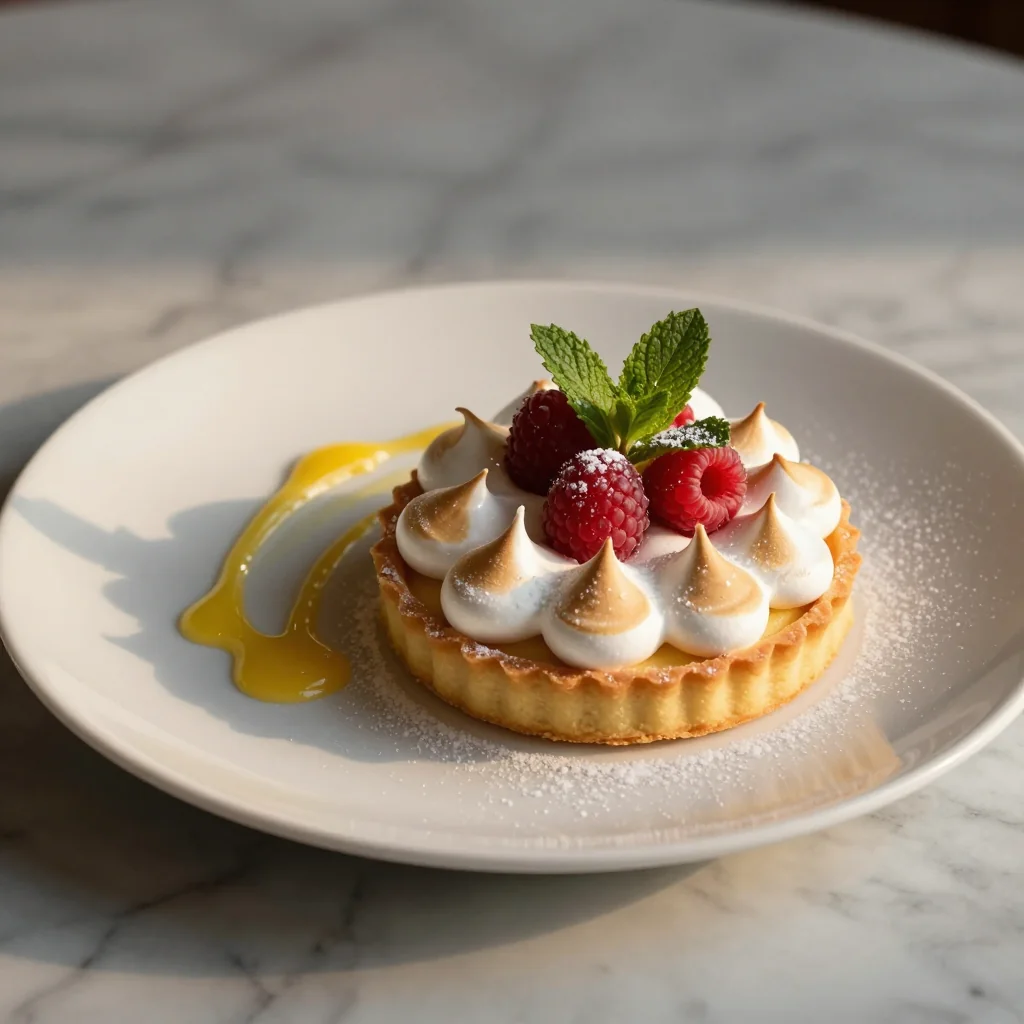
When I was a child, the first time my grandmother sliced a fresh lemon tart, the citrus perfume filled the kitchen and the golden meringue shimmered like sunrise on a summer sea. I still remember the crackle of the shortbread crust as I broke off a piece, the tartness of the lemon curd dancing with the sweet, airy peaks of meringue. That memory sparked my lifelong love for desserts that combine texture and flavor in perfect harmony.
This Lemon Meringue Tart hails from classic French patisserie, yet it has become a beloved staple in bakeries worldwide. The shortbread base offers a buttery, crumbly foundation that holds the tangy lemon curd and the lofty meringue together, creating a symphony of taste and texture that feels both elegant and comforting.
In this article, I’ll walk you through every step—from crafting a flawless shortbread crust to achieving glossy, stable meringue peaks—so you can recreate this show‑stopping dessert at home with confidence. You’ll learn the science behind lemon curd thickening, the secrets to a glossy meringue, and how to balance sweetness without overwhelming the palate.
Grab your whisk, preheat the oven, and let’s bring a slice of sunshine to your table.
🌟 Why This Recipe Will Capture Your Heart
From the buttery crunch of the crust to the silky tang of the lemon curd and the cloud‑like meringue, every bite tells a story of balance, texture, and pure joy.
- ✨ Perfect Balance of Sweet and Tart: The lemon curd’s bright acidity cuts through the sweet meringue, while the shortbread crust adds a buttery richness that grounds the flavors.
- ✨ Foolproof Shortbread Base: By using cold butter and minimal handling, the crust stays tender and crumbly without becoming tough.
- ✨ Glossy, Stable Meringue: Adding cream of tartar and gently folding in sugar ensures glossy peaks that hold their shape even after cooling.
- ✨ Visual Impact: The golden‑brown meringue peaks create a dramatic presentation that dazzles guests before the first forkful.
- ✨ Flexible Portioning: The built‑in portion adjuster lets you scale the recipe from a cozy family dessert to a party‑size showpiece.
- ✨ All‑Year Appeal: Whether you’re celebrating a summer brunch or a winter holiday, the tart’s bright flavor feels festive any season.
🥗 Ingredients
📝 Complete Ingredient List
For the Shortbread Crust:
For the Lemon Curd:
For the Meringue:
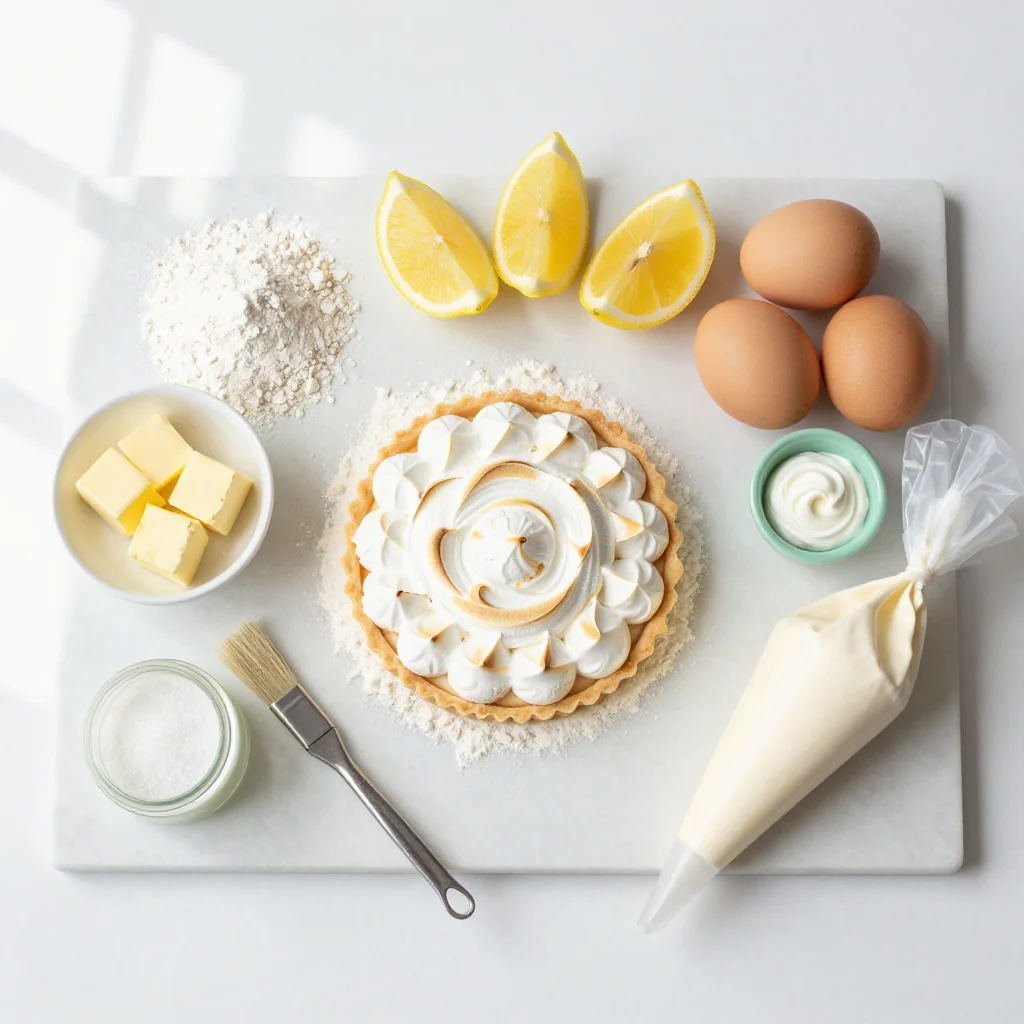
🔍 Focus on Key Ingredients
Unsalted Butter
Butter is the heart of both the crust and the curd. Using unsalted, high‑fat European butter provides a richer mouthfeel and prevents the crust from becoming overly salty. Keep the butter cold when cutting it into the flour for the crust; this creates tiny pockets of steam that give the shortbread its tender, crumbly texture.
Fresh Lemons
The acidity and aroma of fresh lemons are irreplaceable. Look for lemons that feel heavy for their size and have a bright, glossy skin. Zest the lemons before juicing to capture the essential oils; the zest adds a fragrant lift that pure juice alone cannot provide.
Egg Whites
Egg whites form the structure of the meringue. Use room‑temperature whites for maximum volume, and ensure no yolk contaminates them. Cream of tartar stabilizes the foam, allowing the meringue to hold its peaks during baking and cooling.
🔄 Quick Substitutions
| If you don’t have... | Use instead... |
|---|---|
| All‑purpose flour | Gluten‑free flour blend (same amount) |
| Unsalted butter | Salted butter (reduce added salt by 1/4 tsp) |
| Fresh lemons | 1 tbsp bottled lemon juice + 1 tsp lemon zest |
👨🍳 Step‑by‑Step Instructions
Follow these detailed steps to create a flawless tart that looks as good as it tastes. Patience and attention to detail are the keys to success.
📋 Phase 1: Preparation & Mise en Place
Gather and prep all components before you begin baking.
Prepare the Shortbread Crust
In a food processor, pulse the flour, powdered sugar, and salt until combined. Add the cold, diced butter and pulse until the mixture resembles coarse crumbs—tiny pea‑size pieces of butter should still be visible. This texture ensures a flaky crust after baking. Transfer the dough to a 23 cm (9‑inch) tart pan with removable bottom, pressing it evenly into the base and up the sides. Prick the bottom with a fork to prevent bubbling. Refrigerate for 15 minutes to firm the butter.
Pre‑heat the Oven
Set the oven to 180 °C (350 °F). Place a baking sheet on the middle rack to catch any drips from the crust. While the oven warms, line the chilled crust with parchment paper and fill with baking beans or uncooked rice. This blind‑baking method ensures the crust stays flat and doesn’t puff up.
🔥 Phase 2: Baking & Assembly
Bake the crust, cook the curd, and create the meringue.
Blind‑Bake the Crust
Bake the crust with the parchment and beans for 12 minutes. Remove the beans and parchment, then return the crust to the oven for an additional 8 minutes, or until lightly golden. The edges should be firm but not dark. Let the crust cool completely on a wire rack before adding the filling.
Make the Lemon Curd
In a medium saucepan, whisk together the eggs, sugar, lemon juice, and zest. Cook over medium heat, stirring constantly, until the mixture thickens and coats the back of a spoon (about 8‑10 minutes). Remove from heat and whisk in the melted butter until fully incorporated. Strain through a fine‑mesh sieve to eliminate any curdled bits, then pour the curd into the cooled crust, smoothing the top with a spatula.
Whip the Meringue
In a clean, dry bowl, begin beating the egg whites on medium speed until frothy. Add the cream of tartar and a pinch of salt, then increase to high speed. When soft peaks form, gradually add the granulated sugar, one tablespoon at a time, allowing each addition to dissolve before adding the next. Continue beating until glossy, stiff peaks form—when you lift the whisk, the peaks should stand straight without drooping.
✨ Phase 3: Finishing & Serving
Create the final golden finish and serve.
Spread the Meringue
Using a spatula, dollop the meringue onto the lemon curd, spreading it to the edges of the crust to seal the filling. Create decorative peaks with the back of a spoon or a piping bag for an elegant presentation.
Bake the Meringue
Place the tart back in the oven, lowering the temperature to 150 °C (300 °F). Bake for 12‑15 minutes, or until the meringue turns a light golden brown. Keep a close eye; the meringue can go from perfect to burnt quickly.
Cool and Set
Allow the tart to cool on the rack for 20 minutes, then transfer it to the refrigerator for at least 2 hours. The cooling time lets the lemon curd set fully and the meringue firm slightly, making slicing easier.
Slice and Plate
Using a hot, wet knife, cut clean wedges. Serve each slice on a chilled dessert plate. Garnish with a light dusting of powdered sugar and a thin lemon zest curl for visual flair.
Enjoy!
Take a moment to appreciate the contrast of textures before indulging. Pair with a crisp white wine or a hot tea for a balanced finish.
💡 Expert Tips & Tricks
🛒 Choosing the Right Ingredients
When selecting lemons, look for bright yellow skins without blemishes; the zest contains essential oils that give depth to the curd. For butter, European-style varieties contain about 82 % butterfat, producing a richer crust. Fresh, large eggs provide the most stable whites for meringue; older eggs may separate more easily.
🔪 Preparation Techniques
Keep all butter and dough components cold until the crust goes into the oven. This prevents the butter from melting prematurely, which would make the crust tough. When whisking the curd, constant stirring prevents the eggs from scrambling and ensures a silky texture.
🌡️ Mastering the Cooking Process
Blind‑bake the crust on parchment and beans to avoid air pockets. For the curd, use a candy thermometer if you’re unsure—aim for 80 °C (176 °F). The meringue should be baked at a lower temperature to dry it out gently without burning.
🍽️ Presentation & Service
Before serving, lightly torch the meringue peaks for a caramelized finish if you have a kitchen torch. A small garnish of fresh mint leaves adds a pop of color and a hint of freshness that balances the richness.
🏆 Pro Tips
Professional bakers differentiate themselves through precision, timing, and understanding the science behind each component.
- 🎯 Control Moisture in the Crust: Add a teaspoon of ice water to the dough only if it feels dry. Too much liquid will make the crust soggy, while too little will cause it to crumble.
- 🎯 Use a Double Boiler for the Curd: Gentle, indirect heat reduces the risk of curdling and yields a smoother texture.
- 🎯 Stabilize Meringue with Acid: Cream of tartar not only stabilizes the foam but also lowers the pH, preventing sugar crystals from forming on the surface.
- 🎯 Avoid Over‑Beating Egg Whites: Once stiff peaks form, stop beating. Over‑beating can cause the proteins to tighten, leading to a dry, grainy meringue.
- 🎯 Cool the Tart Gradually: Sudden temperature changes cause the meringue to contract and crack. Transfer the tart from the oven to a cooling rack, then to the fridge.
- 🎯 Slice with a Hot Knife: Dip a long chef’s knife in hot water, wipe dry, and slice. This technique prevents the meringue from sticking and creates clean, elegant wedges.
"A perfect meringue is the result of patience, precise technique, and respect for the chemistry of egg whites." — Pierre Hermé, Pastry Chef
🔄 Variations & Adaptations
The core of this tart is versatile. Feel free to experiment with flavors, dietary needs, or seasonal twists.
🥬 Vegetarian / Vegan Version
Replace butter with a 1:1 ratio of vegan margarine for the crust. Use aquafaba (the liquid from canned chickpeas) in place of egg whites, whipping it with cream of tartar and sugar to achieve a stable meringue. Substitute the lemon curd with a coconut‑milk based curd thickened with agar‑agar for a dairy‑free alternative.
- Vegan butter (200 g) for crust
- 120 ml aquafaba, whipped with 1/4 tsp cream of tartar
- Coconut milk curd: 200 ml coconut milk, 80 g sugar, 1 tsp agar‑agar, lemon juice
🌶️ Flavor Variations
Play with complementary flavors to give the tart a new personality.
Spicy Lime Version:
Swap half of the lemon juice for fresh lime juice and add a pinch of finely ground cayenne pepper to the curd. The heat pairs beautifully with the sweet meringue.
Mediterranean Herb Version:
Infuse the shortbread crust with 1 tsp dried thyme and a zest of orange. Top the meringue with a drizzle of honey and toasted almond slivers for a nutty finish.
Asian Matcha Version:
Blend 1 tsp matcha powder into the shortbread dough, and add a teaspoon of yuzu juice to the curd. Finish with a dusting of matcha on the meringue for a subtle earthiness.
⚠️ Dietary Adaptations
Gluten‑Free:
Use a 1:1 gluten‑free flour blend for the crust. Ensure it contains xanthan gum to mimic the elasticity of wheat flour.
Lactose‑Free:
Swap butter for lactose‑free margarine and use a plant‑based butter alternative in the curd, such as coconut oil, while keeping the same weight.
Low‑Calorie:
Reduce sugar in the curd by 30 % and replace half of the butter in the crust with a light spread. Use a sugar substitute like erythritol for the meringue, remembering it may affect the glossy finish.
👶 Kid‑Friendly Version
Kids love the sweet meringue. To make it less tangy, increase the sugar in the curd to 250 g and add a splash of orange juice. Serve with a drizzle of chocolate sauce for extra excitement.
📦 Storage & Reheating
🧊 Conservation
In the Refrigerator:
- Duration: 3 days
- Recommended container: airtight glass tart pan
- Tip: Place a sheet of parchment over the meringue to prevent moisture absorption.
In the Freezer:
- Duration: 1 month
- Method: Freeze the tart without the meringue; store the meringue separately in a zip‑lock bag.
- Defrosting: Thaw the crust and curd in the fridge overnight, then re‑apply freshly whipped meringue and torch.
💡 For optimal texture, consume within 48 hours of baking. The meringue can become soggy if stored too long.
♨️ Reheating
🔥 Oven (Recommended):
- Preheat to 150 °C (300 °F).
- Cover the tart loosely with aluminum foil.
- Reheat for 10 minutes.
- Remove foil and bake an additional 5 minutes to re‑crisp the meringue.
⚡ Microwave (Quick):
- Place a microwave‑safe cover over the tart.
- Heat on medium power for 30 seconds.
- Check and repeat in 15‑second bursts if needed.
🍳 Stovetop (If Needed):
Gently warm the crust in a non‑stick skillet over low heat, then add the meringue on top and toast with a kitchen torch.
🍷 Perfect Pairings
🥗 Side Dishes
- Fresh Berry Salad: A mix of strawberries, blueberries, and mint adds a refreshing contrast.
- Light Arugula Salad: Tossed with shaved Parmesan and a lemon vinaigrette mirrors the tart’s citrus notes.
- Vanilla‑Infused Yogurt: A dollop on the side balances the tart’s richness.
🍷 Wine & Beverage Pairings
- Sauvignon Blanc: Its crisp acidity accentuates the lemon curd while cutting through the butter.
- Moscato d'Asti: A lightly sparkling, sweet wine mirrors the meringue’s sweetness.
- Non‑Alcoholic: Sparkling elderflower water with a twist of lemon.
🍰 Complementary Courses
Begin with a light citrus‑infused gazpacho or a chilled cucumber soup, then serve this tart as the main dessert. Follow with a simple vanilla ice cream or a dollop of mascarpone to round out the meal.
❓ Frequently Asked Questions
Q: Can I make the crust ahead of time?
Yes. Prepare and blind‑bake the crust up to step 3, then let it cool and store it wrapped in plastic wrap. It will keep in the refrigerator for up to two days. Add the lemon curd and meringue when you’re ready to bake the final tart.
Q: How do I prevent the meringue from weeping?
Weeping occurs when moisture is trapped beneath the meringue. Ensure the lemon curd is fully set and the crust is completely cool before adding the meringue. Baking at a lower temperature (150 °C) helps dry the meringue without over‑cooking the curd.
Q: What if I don’t have a kitchen torch?
You can achieve a similar golden finish by placing the tart under a broiler for 1‑2 minutes, watching closely to avoid burning. Alternatively, skip the torch and serve the meringue as is; it will still taste wonderful.
Q: Can I use a different type of citrus?
Absolutely. Lime, orange, or grapefruit can replace lemon for a unique twist. Adjust the sugar level to balance the new fruit’s acidity and sweetness.
Q: How do I scale the recipe for a larger tart pan?
Use the portion adjuster on the recipe card. For a 12‑inch pan (approximately 12 servings), click the plus button twice. The script will automatically recalculate each ingredient’s quantity based on the new serving count.
Q: Is it safe to freeze the meringue?
Freezing meringue can cause it to become soggy upon thawing. It’s best to store the meringue separately, freeze it, and re‑toast with a torch after thawing. For best texture, bake fresh meringue each time.
🎉 To Your Oven!
This Lemon Meringue Tart with Shortbread Crust embodies the perfect marriage of buttery crust, silky lemon curd, and airy meringue. By mastering each component—crisp shortbread, velvety curd, and glossy meringue—you’ll gain confidence to tackle more advanced pastries. The recipe’s built‑in portion adjuster means you can effortlessly scale it for intimate family gatherings or larger celebrations.
Remember, the secret lies in temperature control, precise measurements, and a gentle hand when folding the meringue. I hope you enjoy the process as much as the final bite. Share your results, ask questions, and let the community celebrate your success.
Have you tried this recipe?
Leave a comment and rating below! Share your photos on Instagram with #LemonMeringueJoy for a chance to be featured.
Lemon Meringue Tart with Shortbread Crust
A buttery shortbread base topped with tangy lemon curd and fluffy toasted meringue.
📝 Ingredients
Shortbread Crust
Lemon Curd
Meringue
👨🍳 Instructions
- 1
Combine crust ingredients, press into a tart pan, chill, then blind‑bake.
- 2
Prepare lemon curd on the stovetop, thicken, strain, and pour into the cooled crust.
- 3
Whip egg whites with cream of tartar and sugar to stiff peaks.
- 4
Spread meringue over the curd, creating peaks.
- 5
Bake at low temperature until meringue is lightly golden.
- 6
Cool, refrigerate, then slice with a hot knife.
- 7
Serve with optional garnish of powdered sugar and lemon zest.
- 8
Enjoy with a glass of crisp white wine or tea.
- 9
Store leftovers according to the storage guidelines.
- 10
Share your creation on social media using #LemonMeringueJoy.
🥗 Nutrition per Serving
*Nutritional values are estimates based on standard ingredients.
📚 You Might Also Like
Raspberry Tart with Almond Crust
Silky Chocolate Mousse