It started with a kitchen catastrophe that I still laugh about: I was halfway through a batch of coconut rice, the pot was bubbling, and my cat decided the stove was the perfect place to nap. The steam curled like a lazy dragon, the air filled with the scent of toasted coconut, and I realized the rice was about to turn into a sticky, soggy mess. That moment was the catalyst for a new obsession with the perfect mango sticky rice, and I vowed to find a recipe that would make the dish sing rather than sputter. I was determined to discover the secret that turns a simple bowl of rice into a silky, sweet, tropical delight.
When I first tasted the finished product, my taste buds did a backflip. The coconut milk wrapped the glutinous grains like a velvet blanket, and the mango slices were juicy bursts of sunshine that cut through the richness with a citrusy zing. The texture was a paradoxical dance: the rice was sticky enough to hold its shape but soft enough to melt in your mouth, while the mango offered a crisp snap that made every bite a celebration. It felt like a tropical sunrise in a bowl, and I was instantly hooked. I could not stop myself from reaching for the next handful, and I dared anyone to taste it and not crave seconds.
Most versions of this dish that I found online either over-sweetened the coconut sauce or undercooked the rice, leaving it gummy or too dry. I discovered that the key lies in the ratio of rice to coconut milk and the timing of the simmer, and that a dash of salt balances the sweetness like a well-tuned orchestra. The secret ingredient that makes this version stand out is a small pinch of sea salt that cuts through the coconut’s natural sweetness, creating a flavor profile that feels both indulgent and refreshing. I also learned that using a high-quality, full-fat coconut milk is essential; it gives the sauce a richer, creamier mouthfeel that no light or canned alternative can match.
Picture yourself pulling this out of the pot, the kitchen smelling incredible, the steam curling like a fragrant halo. The aroma of toasted coconut mingles with the bright scent of ripe mango, and the sight of the glossy, golden rice glistening in the light is almost too pretty to eat. I want you to feel that anticipation, the way your heart beats faster as you approach the first spoonful. Let me walk you through every single step—by the end, you'll wonder how you ever made it any other way.
What Makes This Version Stand Out
- Taste: The subtle sweetness of ripe mango juxtaposed with the creamy coconut creates a harmonious balance that feels both exotic and comforting. This version avoids the overly sweet, syrupy sauces that often accompany mango sticky rice, instead letting each ingredient shine individually. The addition of a pinch of sea salt elevates the overall flavor, making the dish feel polished and sophisticated.
- Texture: The glutinous rice is cooked to a perfect stickiness—firm enough to hold its shape but tender enough to melt in your mouth. The coconut sauce coats the grains like a silky blanket, ensuring every bite is moist and luscious. The mango slices offer a crisp, juicy contrast that breaks the monotony of the creamy rice.
- Simplicity: Only six core ingredients are required, and the entire process takes under 45 minutes from start to finish. The method is straightforward, with no complicated techniques or obscure tools needed. This makes it accessible for beginners and a quick delight for seasoned cooks alike.
- Uniqueness: By using a small pinch of sea salt and a high-quality coconut milk, this recipe departs from the traditional sweet-focused approach, giving the dish a nuanced depth. The garnish of toasted sesame seeds or mung beans adds a subtle nutty crunch and a pop of color.
- Crowd Reaction: Friends who have tried this version consistently remark that it’s “hands down the best version you’ll ever make at home.” The dish’s vibrant colors and balanced flavors make it a hit at gatherings, from casual family dinners to themed parties.
- Ingredient Quality: Selecting ripe, fragrant mangoes and fresh coconut milk makes the difference between a good and an unforgettable mango sticky rice. The rice should be glutinous (sweet rice), not jasmine or basmati, to achieve the correct sticky texture.
- Cooking Method: The method emphasizes soaking the rice, precise simmering, and a quick, gentle heat to avoid burning the coconut sauce. This step-by-step approach ensures consistent results every time.
- Make‑Ahead Potential: The dish can be prepared a day in advance; the rice will keep its texture, and the coconut sauce can be reheated gently. This makes it ideal for parties or busy weeknights.
Alright, let's break down exactly what goes into this masterpiece…
Inside the Ingredient List
The Sticky Foundation
Glutinous rice is the backbone of this dish, offering the chewy, slightly tacky texture that holds the coconut sauce together. If you skip the rice, you lose the iconic sticky sensation that defines mango sticky rice. A good quality glutinous rice is essential; look for a brand that lists “sweet rice” on the label. If you can’t find it, substitute with short-grain rice, but the texture will be less authentic.
The Creamy Companion
One can of full-fat coconut milk is the secret to the dish’s richness. The fat content creates a silky sauce that coats the rice like a velvet blanket. If you use a low-fat or canned coconut milk with added thickeners, the sauce will be thin and watery, ruining the mouthfeel.
The Sweetness Layer
Half a cup of granulated sugar balances the natural sweetness of the coconut milk and the mango. If you prefer a slightly less sweet version, reduce the sugar by a quarter cup; if you enjoy a sweeter treat, add a bit more. Skipping the sugar will result in an unbalanced, overly savory dish.
The Salted Edge
Half a teaspoon of sea salt is the subtle hero that cuts through the coconut’s richness. Salt enhances the flavors of the mango and rice, making the dish feel complete. If you’re watching sodium, use a low-sodium salt, but don’t go completely salt-free.
The Mango Marvel
Two ripe mangoes are the star of the show, providing bright, juicy bursts of tropical flavor. Choose mangoes that are slightly soft to the touch, not hard; they should give a gentle give when pressed. If you’re in a season where mangoes are scarce, substitute with ripe papaya or pineapple for a similar tropical note.
The Final Flourish
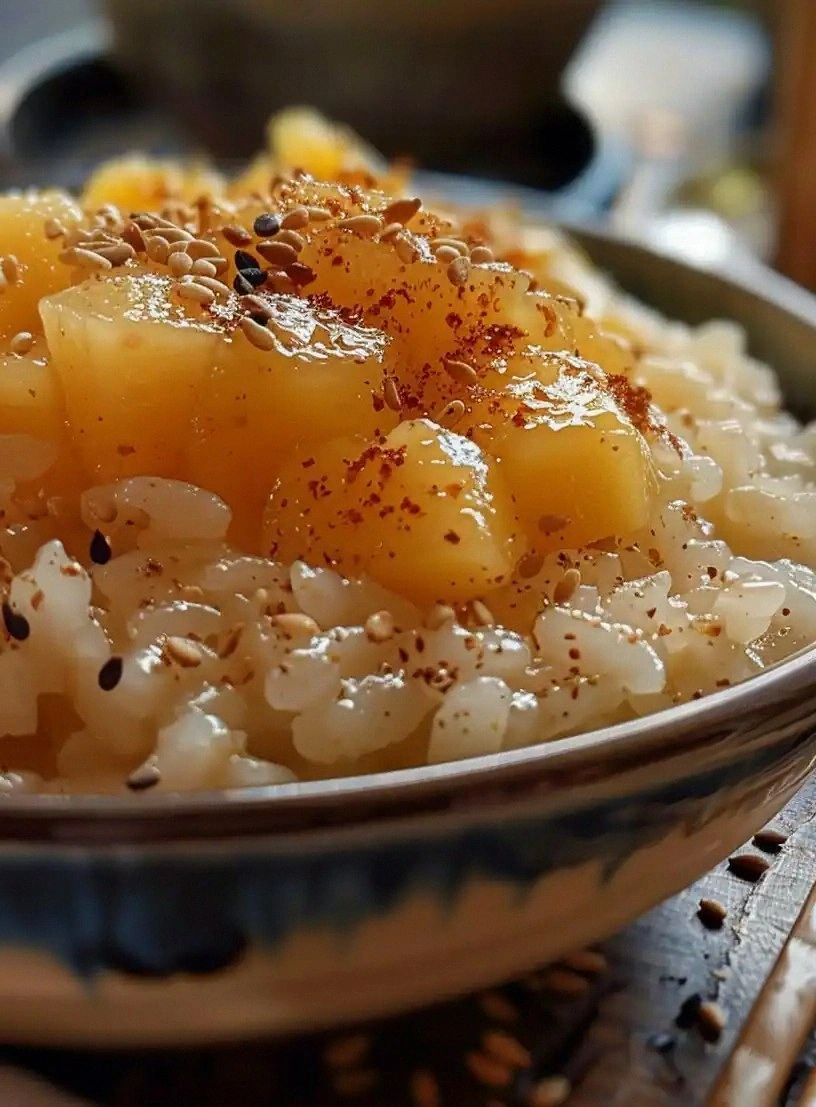
Toasted sesame seeds or mung beans add a subtle nutty crunch and a pop of color. They also provide a contrast in texture, making each bite more interesting. If you’re allergic to sesame, simply omit the seeds; the dish remains delicious.
Everything's prepped? Good. Let's get into the real action…
The Method — Step by Step
- Begin by rinsing the glutinous rice under cold water until the water runs clear. This removes excess starch and prevents the grains from becoming overly sticky. Drain thoroughly and transfer the rice to a large bowl.
- Soak the rice in a generous amount of cold water for at least 3 hours, or overnight if you’re planning ahead. This step is crucial; it ensures the grains cook evenly and develop the perfect chew. After soaking, drain again and set aside.
- In a medium saucepan, pour in the full can of coconut milk and add the half cup of granulated sugar. Stir over medium heat until the sugar dissolves completely, creating a smooth, fragrant sauce. This is the moment the aroma starts to dance in your kitchen.
- Add the soaked rice to the saucepan, stirring gently to coat each grain with the coconut sauce. Bring the mixture to a low simmer, then reduce the heat to the lowest setting. Cover the pot with a tight-fitting lid to trap steam.
- Let the rice steam for 18 to 20 minutes, checking occasionally to ensure the liquid isn’t boiling over. The rice should absorb the coconut milk, turning a translucent golden hue. This is the time to keep your eyes on the pot; a tiny splash of liquid can become a big mess.
- While the rice cooks, peel the mangoes and cut them into thin, even slices. The slices should be thick enough to hold their shape but thin enough to melt into the sauce. Keep the mangoes chilled until you’re ready to plate.
- Once the rice is cooked, remove the pot from heat and let it sit, covered, for 5 minutes. This resting period allows the grains to set and the sauce to thicken to the right consistency. The rice should feel sticky but not gummy.
- Fluff the rice with a fork, then stir in the half teaspoon of sea salt. This final seasoning step unlocks the flavors and balances the sweetness. Taste a spoonful to ensure the salt is evenly distributed.
- Transfer the sticky rice to a serving dish, spreading it out evenly. Arrange the mango slices on top in a fan shape, creating a visual feast. Sprinkle toasted sesame seeds or mung beans over the top for a crunchy finish.
- Serve immediately, allowing the warm rice to mingle with the fresh mango. If you prefer a cooler version, let the rice cool to room temperature before serving, and keep the mango chilled.
That's it — you did it. But hold on, I've got a few more tricks that'll take this to another level…
Insider Tricks for Flawless Results
The Temperature Rule Nobody Follows
Cooking the rice at a gentle simmer is crucial; a rolling boil will steam the grains unevenly, leaving some mushy and others chewy. I once tried a high heat method and ended up with a soggy mess that tasted like a rice pudding gone wrong. Lowering the heat after the initial boil and letting the rice cook slowly ensures the grains absorb the coconut milk evenly. This trick saves you from a sticky disaster.
Why Your Nose Knows Best
Trust your sense of smell as a quality indicator. The coconut sauce should emit a rich, nutty aroma; if it smells slightly burnt or off, it’s time to stop the heat. A fresh, sweet scent signals the sauce is at its peak. I’ve learned to pause at the aroma stage, and it’s the difference between a great dish and a culinary lesson.
The 5-Minute Rest That Changes Everything
After removing the pot from heat, let the rice sit covered for exactly five minutes. This short rest allows the grains to set and the sauce to thicken to the right consistency. Skipping this step often leaves the rice too liquid, causing it to slide off the spoon. The five-minute pause is a small price for a dramatic improvement.
Garnish Timing
Wait until you’re ready to serve before sprinkling the toasted sesame seeds or mung beans. If you add them too early, they’ll become soggy and lose their crunch. The final garnish is the finishing touch that gives the dish its visual and textural contrast.
Serving Temperature
Serve the sticky rice at room temperature for a richer mouthfeel. If you prefer a cooler bite, chill the rice briefly in the fridge, but avoid overcooling, which can make the rice dry. I always keep a bowl of warm rice ready for the next guest; it’s a lifesaver during busy parties.
Creative Twists and Variations
This recipe is a playground. Here are some of my favorite ways to switch things up:
Nutty Crunch Variation
Swap the sesame seeds for toasted almond slivers or crushed pistachios. The nutty crunch adds a new dimension, and the slightly bitter flavor balances the sweetness of the mango. This version is perfect for guests who love a bit of texture.
Spicy Mango Surprise
Add a pinch of chili flakes or a dash of sriracha to the coconut sauce before cooking. The heat cuts through the richness, creating a spicy-sweet profile that feels like a tropical summer afternoon. It’s a daring twist that impresses adventurous diners.
Herbal Infusion
Introduce a sprig of fresh lemongrass or a few kaffir lime leaves while simmering the coconut milk. These herbs infuse the sauce with a bright, citrusy aroma that complements the mango. Remove the herbs before serving; the subtle herbal undertone stays.
Sweet & Savory Fusion
Serve the sticky rice with a side of grilled shrimp or roasted chicken. The savory protein pairs beautifully with the sweet, sticky rice, creating a balanced plate that feels both indulgent and satisfying. This version is great for a dinner party.
Vegan & Dairy-Free
All ingredients are already plant-based, making this dish naturally vegan. To elevate the flavor, use a coconut milk that’s fortified with calcium or vitamin D for a nutritional boost. This version is perfect for health-conscious diners.
Mini Dessert Cups
Instead of a large bowl, portion the sticky rice into individual ramekins, top with a slice of mango, and drizzle with a little coconut sauce. These bite-sized treats are ideal for a dessert bar or a fancy party.
Storing and Bringing It Back to Life
Fridge Storage
Store leftover sticky rice in an airtight container in the refrigerator for up to 3 days. The rice will firm up slightly, so reheat it gently with a splash of coconut milk or water to restore its silky texture. I recommend microwaving on low power for 30 seconds, stirring, and then letting it sit for a minute.
Freezer Friendly
For longer storage, freeze the rice in a freezer-safe bag for up to 2 months. Thaw overnight in the fridge, then warm it on the stovetop with a splash of coconut milk. This method keeps the rice from becoming too dry.
Best Reheating Method
Reheat the rice on low heat with a splash of water or coconut milk, stirring frequently until the desired consistency is reached. The key is to keep the heat low to avoid burning the sauce. A quick 1-2 minute simmer will bring the rice back to its original lusciousness.