Love this? Pin it for later! 📌
Why This Recipe Works
- One Pan Wonder: Sheet-prep means minimal dishes and more time for resolutions.
- 30-Minute Miracle: From fridge to fork faster than you can fold a fitted sheet.
- Omega-3 Power: Wild salmon boosts brain health—perfect for goal-setting season.
- Detox-Friendly: Naturally gluten-free, dairy-free, and low-carb without tasting like “diet food.”
- Prep-Ahead Hero: Chop veggies and whisk marinade the night before.
- Flavor Layering: Quick marinade + finishing citrus drizzle = restaurant-level depth.
- Scalable: Easily doubles for a crowd or halves for a mindful solo supper.
Ingredients You'll Need
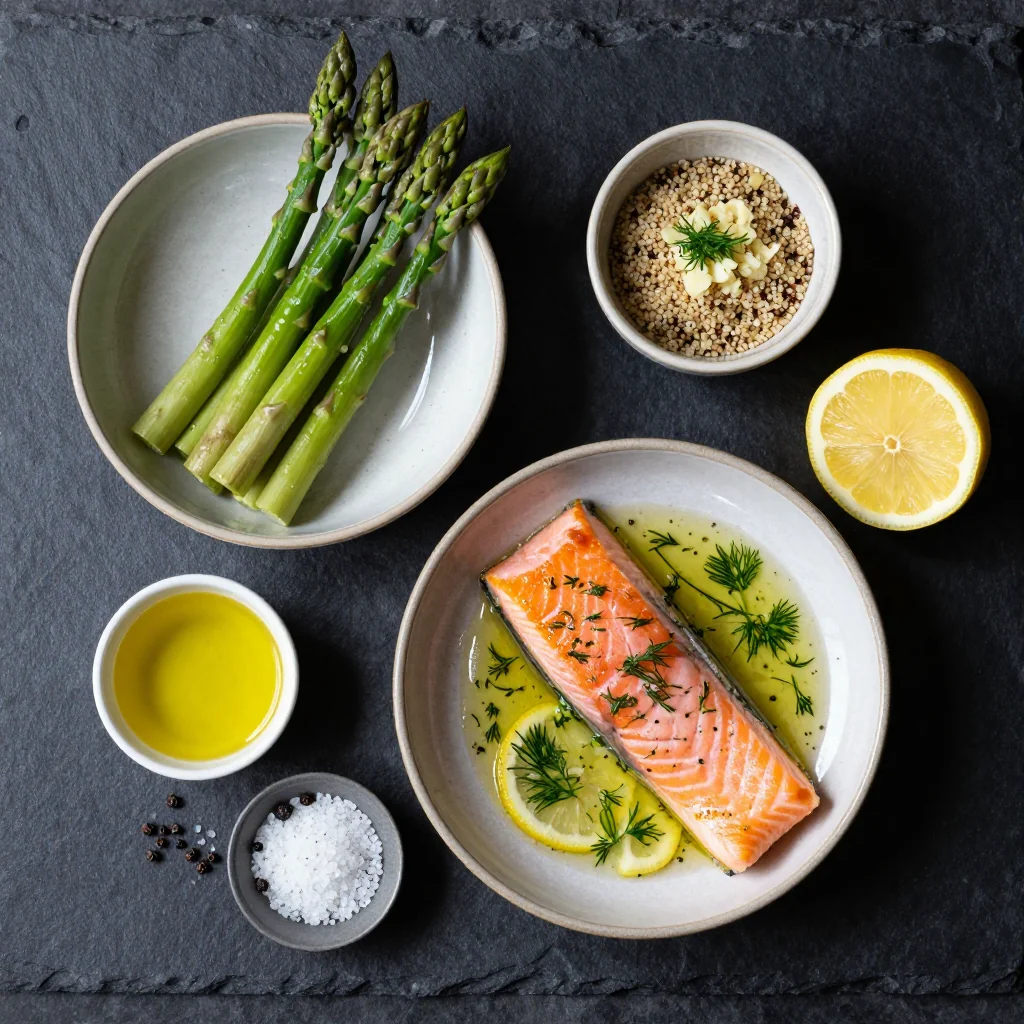
Great seafood starts at the source. If you can, buy your salmon from the fish counter that sells out daily—ask for center-cut fillets that are at least 1¼ inches thick so they stay juicy under high heat. Wild-caught Coho or King is my go-to for special occasions, but sustainably farmed Atlantic works in a pinch. Look for flesh that bounces back when pressed and smells like an ocean breeze, not “fishy.”
For asparagus, choose spears that are bright green with tightly closed tips. Pencil-thin stalks cook faster; jumbo ones stay snappier—pick your vibe. I aim for medium thickness so I can skip peeling. Keep them cold and upright in a jar with an inch of water if you’re shopping ahead.
Extra-virgin olive oil is the fat here, so use something you’d happily dip bread into. The lemon and lime give double-citrus complexity; zest them before juicing to capture the fragrant oils. Garlic mellows beautifully when roasted at high heat, but if you’re not a fan, swap in ½ teaspoon granulated onion. Pure maple syrup balances the acid with subtle caramel notes—honey works but cooks faster, so watch the glaze. Finally, smoked paprika adds whisper-thin campfire vibes without overpowering the fish.
How to Make New Year Reset Salmon with Asparagus Recipe
Prep the Marinade
In a medium bowl, whisk together 3 tablespoons olive oil, lemon zest, lime zest, lemon juice, maple syrup, minced garlic, smoked paprika, salt, and pepper. Reserve 2 tablespoons of this liquid gold in a small jar for drizzling later.
Pat & Place
Blot salmon very dry with paper towels—moisture is the enemy of sear. Arrange fillets skin-side down in a shallow dish and spoon half of the remaining marinade over the top, ensuring every nook is glossy. Marinate 15 minutes at room temp while the oven preheats to 425 °F (220 °C). Any longer and the acid will start to cure the fish.
Season the Sheet
Line a rimmed baking sheet with parchment for fuss-free cleanup. Toss asparagus with remaining tablespoon of oil, a pinch of salt, and a few grinds of pepper. Spread stalks in a single layer down the center, creating a little “nest” for the salmon so air can circulate.
Position for Success
Move the oven rack to the upper-middle slot—about 6 inches from the top element. Slide the sheet pan in to heat for 3 minutes; a screaming-hot surface jump-starts caramelization and prevents sticking.
Sear & Roast
Carefully remove the pan, lay salmon fillets skin-side down atop the asparagus, and drizzle any leftover marinade over everything. Roast 9–11 minutes, depending on thickness. The fish is ready when the thickest part registers 125 °F (52 °C) for medium or flakes with gentle pressure.
Broil for Finish
Switch the oven to broil for 1–2 minutes to intensify the glaze and give the asparagus tips a lacy char. Stay nearby—ovens broil at lightning speed.
Rest & Drizzle
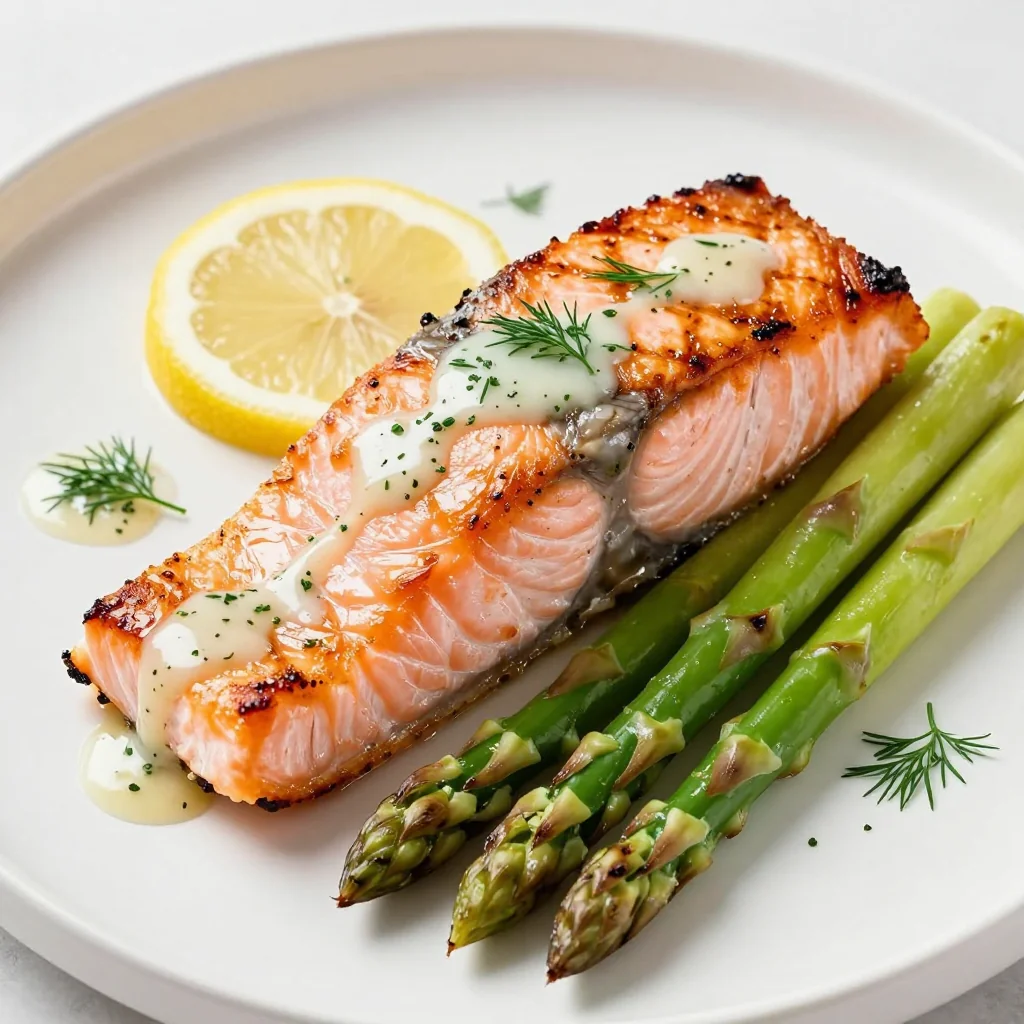
Transfer fillets to a warm platter and tent loosely with foil for 3 minutes—the internal temp will climb to a perfect 130 °F. Whisk the reserved citrus mixture and spoon it over the salmon just before serving for a fresh pop of flavor.
Plate & Prosper
Serve straight from the sheet pan family-style, or plate individually over a smear of herbed Greek yogurt, cauliflower mash, or nutty farro. Garnish with extra citrus wedges and a confetti of chopped parsley because we eat with our eyes first—even in January.
Expert Tips
Buy an Oven Thermometer
Home ovens can drift 25 °F either way. Accurate heat prevents overcooked edges and raw centers.
Dry = Crisp Skin
Let salmon air-dry, uncovered, on a rack in the fridge for 30 minutes if time allows. Moisture evaporates, skin sears better.
Test Early
Fish continues cooking after you pull it. Begin checking at 8 minutes; remember carryover heat.
Reuse the Marinade
Boil leftover juices for 1 minute and drizzle over grains or salad greens for zero-waste flavor.
Skin-On vs. Skinless
Skin protects delicate flesh from direct heat. If you dislike eating it, simply slide the fillet off after cooking—still use skin-on for roasting.
Broiler Safety
Keep the oven door ajar when broiling electric models; it helps regulate heat and prevents accidental fish jerky.
Variations to Try
-
Spicy Kick: Whisk 1 teaspoon sriracha or ½ teaspoon chipotle powder into the marinade. Finish with a sprinkle of toasted sesame seeds and scallions.
-
Mediterranean Vibes: Swap citrus for red-wine vinegar, add 1 teaspoon dried oregano, and top with chopped olives and cherry tomatoes before roasting.
-
Green Veg Swap: Use broccolini or haricots verts; both roast in the same timeframe as asparagus.
-
Pescatarian Delight: Replace salmon with Arctic char or trout fillets—both cook similarly and offer equally buttery texture.
-
Low-FODMAP: Infuse oil with garlic cloves for 10 minutes then discard cloves before whisking marinade—flavor without fructans.
-
Cooking for Two: Halve ingredients and roast in a pre-heated 10-inch cast-iron skillet for extra-seared edges.
Storage Tips
Leftover salmon keeps up to 3 days in an airtight container in the coldest part of the fridge. For best texture, reheat gently: place fillets in a skillet with a splash of water, cover, and warm over medium-low for 4 minutes. Microwaves work in a pinch—use 50 % power and cover with a damp paper towel to prevent rubbery results. Asparagus can be chopped and added to salads cold; reheated spears soften, so embrace them in omelets or grain bowls.
Cooked salmon freezes well for 2 months. Flash-freeze individual fillets on a tray, then transfer to a freezer bag with parchment between layers. Thaw overnight in the fridge and proceed with gentle reheating. The glaze may appear cloudy after thawing but tastes just as bright.
Marinade (without fish) can be made 5 days ahead and stored covered in the fridge; bring to room temp and whisk before using. Raw salmon should not sit in acid longer than 30 minutes if you desire a soft texture—otherwise you’ll end up with ceviche.
Frequently Asked Questions
New Year Reset Salmon with Asparagus Recipe
Ingredients
Instructions
- Make the marinade: Whisk 2 tablespoons olive oil, citrus zests, lemon juice, maple syrup, garlic, paprika, salt, and pepper. Reserve 2 tablespoons for finishing.
- Marinate salmon: Pat fillets dry, coat with half of remaining marinade, and rest 15 minutes.
- Heat oven: Preheat to 425 °F (220 °C). Place rack in upper-middle position.
- Prep asparagus: Toss with remaining 1 tablespoon oil, salt, and pepper.
- Preheat pan: Line rimmed baking sheet with parchment; heat empty pan 3 minutes.
- Roast: Place salmon skin-side down on hot pan, surround with asparagus, drizzle leftover marinade. Roast 9–11 minutes to desired doneness.
- Broil: Broil 1–2 minutes for charred tips. Rest salmon 3 minutes, drizzle with reserved marinade, garnish, and serve.
Recipe Notes
Thicker fillets may need an extra 1–2 minutes. An instant-read thermometer is your insurance policy against overcooking.