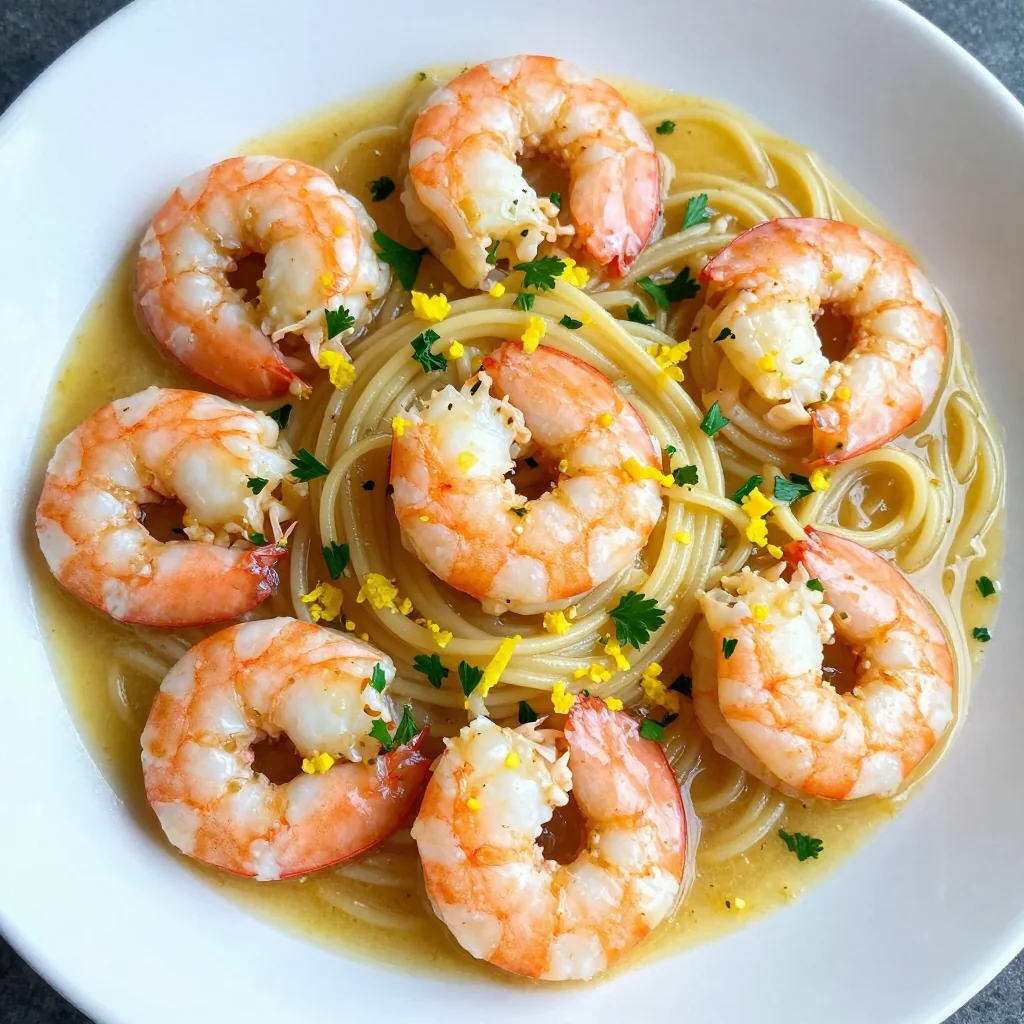
Love this? Pin it for later! 📌
There's something magical about turning a handful of pantry staples into a restaurant-worthy dinner in under 20 minutes. This Pantry Clean-Out Shrimp Scampi has become my go-to recipe for those "what's for dinner?" moments when the fridge is looking sparse but I still want something that feels special.
Last Tuesday, I found myself staring into my pantry at 6:30 PM, stomach growling, with a bag of frozen shrimp and not much else. My usual grocery day had been pushed back, and I was convinced I'd have to settle for boring pasta. Instead, I pulled out a few basics—garlic, lemon, that half-used box of spaghetti—and created something so delicious that my husband actually asked if I'd been secretly taking cooking classes.
What makes this recipe special isn't just how quickly it comes together (though that's certainly a perk). It's how the bright lemon cuts through the rich garlic butter, how the pasta water creates this silky sauce that clings to every strand, and how a sprinkle of red pepper flakes adds just enough heat to make things interesting. Whether you're cooking for date night, feeding hungry teenagers, or just treating yourself after a long day, this shrimp scampi proves that you don't need fancy ingredients to create something memorable.
Why This Recipe Works
- One-Pan Wonder: Everything cooks in a single skillet, meaning fewer dishes and more flavor as the garlic butter picks up all those delicious browned bits.
- Pantry Perfect: Uses ingredients you probably already have on hand—no special grocery trips required.
- Restaurant Quality: The technique of emulsifying pasta water with butter creates a glossy, professional sauce.
- Weeknight Winner: From pantry to plate in 25 minutes or less, perfect for those busy weeknights.
- Customizable: Easy to adapt based on what you have—linguine, angel hair, or even rice work beautifully.
- Protein-Packed: One serving delivers an impressive 28 grams of protein, keeping you satisfied for hours.
Ingredients You'll Need
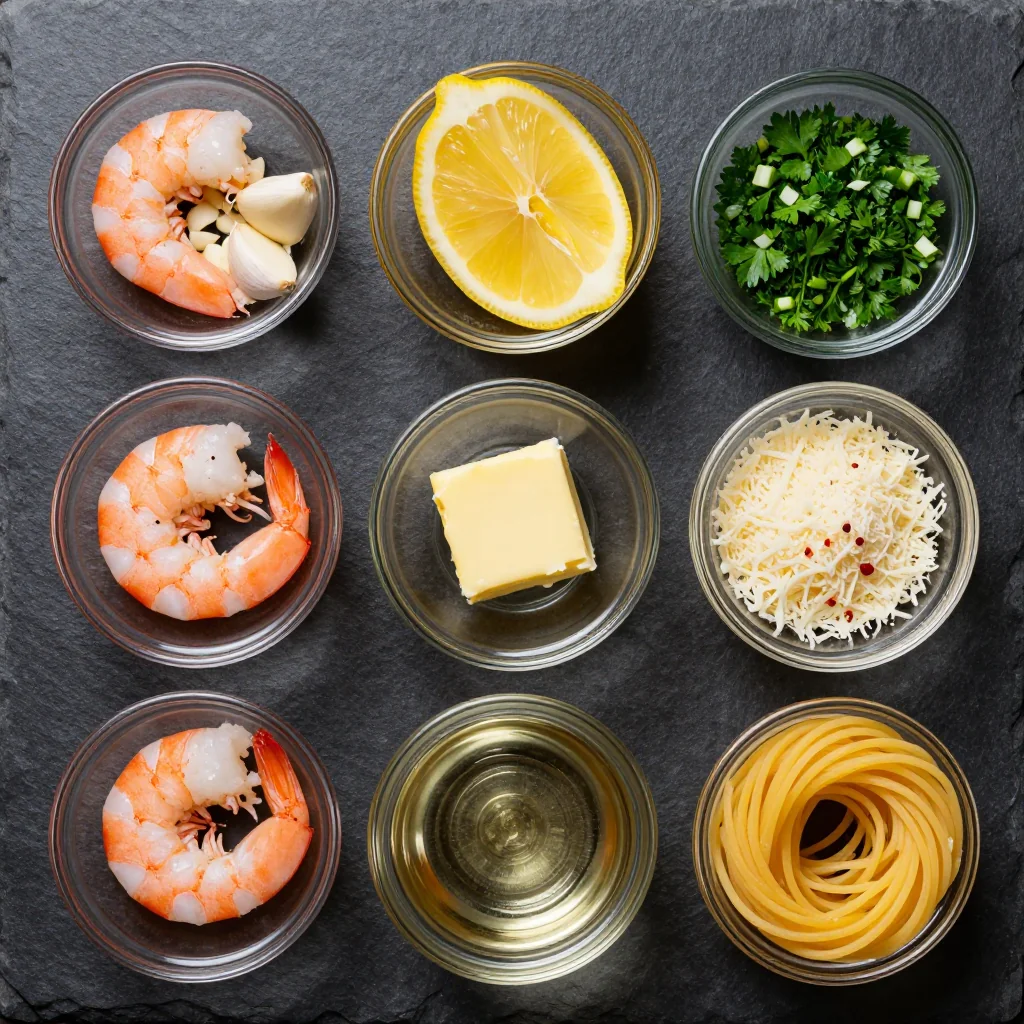
Before we dive into cooking, let's talk about what makes each ingredient shine. Understanding your ingredients is the secret to turning good cooking into great cooking.
The Shrimp
I always keep a bag of frozen shrimp in my freezer for emergencies. For this recipe, medium or large shrimp work perfectly—look for 26-30 count per pound. The beauty of using frozen shrimp is that they're flash-frozen at peak freshness, often making them fresher than the "fresh" shrimp at your fish counter. Just make sure they're peeled and deveined to save yourself prep time. If you can find wild-caught, they have a sweeter, more pronounced flavor than farm-raised, but honestly, use what you have and what fits your budget.
The Pasta
While traditional scampi often uses linguine, I love how spaghetti's round shape captures the garlic butter sauce. That said, this is your pantry clean-out moment—angel hair, fettuccine, or even short pastas like penne work wonderfully. The key is cooking it al dente since it'll get a second cooking in the garlic butter. Pro tip: Save that pasta water! The starch is liquid gold for creating silky sauces.
Garlic, Glorious Garlic
This recipe calls for 6 cloves, and I mean it. Don't let anyone tell you that's too much garlic. When you sauté it gently in butter, it becomes sweet and mellow rather than sharp. Fresh garlic makes all the difference here—skip the jarred stuff. If you're out of fresh garlic, garlic powder can work in a pinch (use 1 teaspoon), but fresh is worth the extra two minutes of prep.
The Lemon Factor
Both the zest and juice go into this dish for maximum lemon impact. The zest delivers those fragrant oils that make the dish taste bright and fresh, while the juice provides the acid that balances the richness of the butter. Always zest your lemon before juicing—it's nearly impossible to zest a juiced lemon. If you're out of fresh lemons, bottled juice works, but add it at the very end since it's more acidic than fresh.
Butter vs. Olive Oil
I use both here because they each bring something special. Butter provides richness and helps create that silky sauce, while olive oil prevents the butter from burning and adds its own fruity flavor. If you're dairy-free, you can use all olive oil—just add an extra tablespoon to compensate for the butter's richness.
How to Make Pantry Clean-Out Shrimp Scampi with Lemon and Garlic
Prep Your Ingredients
Start by mincing your garlic (the smaller, the better), zesting and juicing your lemon, and measuring out your butter and olive oil. If your shrimp are frozen, place them in a bowl of cold water for about 10 minutes while you prep everything else. Pat them completely dry with paper towels—this is crucial for getting that beautiful sear. Season them generously with salt and pepper on both sides.
Start the Pasta
Bring a large pot of salted water to a boil (I use about 1 tablespoon of salt per quart of water). Add your spaghetti and cook until just al dente—usually 2 minutes less than package directions. Before draining, ladle out 1½ cups of that starchy pasta water into a measuring cup or bowl. This is your secret weapon for the sauce. Drain the pasta but don't rinse it—the starch helps the sauce adhere.
Sear the Shrimp
Heat 1 tablespoon each of butter and olive oil in your largest skillet over medium-high heat. When the butter stops foaming and starts to smell nutty, add the shrimp in a single layer. Don't crowd the pan—if necessary, cook in batches. Let them cook undisturbed for 2 minutes until they develop a golden crust, then flip and cook another 1-2 minutes until just pink and curled. Remove to a plate immediately—they'll finish cooking in the sauce later.
Create the Garlic Butter Base
Reduce heat to medium and add the remaining butter and olive oil to the same skillet (don't wipe it out—those browned bits are flavor gold). Add the minced garlic and red pepper flakes, stirring constantly for 30-45 seconds. You want the garlic fragrant and just starting to turn golden, not brown. Burnt garlic is bitter and will ruin the whole dish, so keep it moving and watch carefully.
Build the Sauce
Pour in ½ cup of the reserved pasta water and let it bubble for 30 seconds, scraping up all those flavorful bits from the bottom of the pan. Add the lemon zest and half the lemon juice. The starch in the water will start to emulsify with the butter, creating a glossy sauce. If it looks too thick, add more pasta water a splash at a time.
Marry the Pasta and Sauce
Add the drained pasta to the skillet and toss everything together with tongs for 1-2 minutes. The pasta will finish cooking and absorb all that garlicky, lemony flavor. If the sauce seems dry, add more pasta water. You're looking for a silky consistency that coats the pasta but isn't swimming in liquid.
Return the Shrimp
Add the seared shrimp back to the skillet along with any juices from the plate. Toss gently for 30 seconds to rewarm the shrimp without overcooking them. Taste and adjust seasoning—add more lemon juice if you like it bright, more pasta water if it needs thinning, or a pinch more salt if it tastes flat.
Finish and Serve
Remove from heat and add the chopped parsley, tossing to combine. The residual heat will wilt it perfectly. Serve immediately in warm bowls with extra parsley and lemon wedges on the side. For the full restaurant experience, add a final drizzle of good olive oil and a shower of freshly cracked black pepper.
Expert Tips
Temperature Matters
Don't add cold pasta water to your hot pan—it can cause the sauce to break. Keep your reserved pasta water warm by leaving it near the stove.
Don't Overcook the Shrimp
Shrimp go from perfect to rubbery in seconds. As soon as they form a C-shape and turn pink, they're done. Overcooked shrimp curl into tight O-shapes.
Use the Good Stuff
This dish has few ingredients, so each one matters. Use real butter (not margarine), fresh lemon, and decent olive oil for best results.
Prep Everything First
This recipe moves fast once you start cooking. Have everything measured and chopped before you turn on the stove.
Thaw Shrimp Quickly
Forgot to thaw your shrimp? Place them in a sealed bag and submerge in cold water for 10-15 minutes, changing the water if it gets warm.
Make It a Meal
Stretch this meal further by adding a handful of baby spinach or cherry tomatoes in the last minute of cooking.
Variations to Try
Low-Carb Version
Swap the pasta for zucchini noodles or hearts of palm pasta. Cook the zoodles for just 1-2 minutes so they don't get watery.
Creamy Dreamy
Add ¼ cup of heavy cream or cream cheese to the sauce for a luxurious, creamy version that feels extra indulgent.
Spicy Kick
Double the red pepper flakes or add a diced fresh chili. A squeeze of Sriracha at the end adds another layer of heat.
Mediterranean Style
Add capers, Kalamata olives, and sun-dried tomatoes. Finish with fresh oregano instead of parsley for a Greek twist.
Storage Tips
Refrigeration
Store leftovers in an airtight container in the refrigerator for up to 3 days. The pasta will absorb some of the sauce, so when reheating, add a splash of water or broth to loosen it up. Reheat gently in a skillet over medium-low heat, stirring frequently, or in the microwave at 50% power in 30-second intervals.
Freezing
While you can freeze this dish for up to 2 months, the texture of both the shrimp and pasta will suffer. If you must freeze it, undercook the pasta slightly and remove it from the freezer the night before, thawing in the refrigerator. Reheat with extra liquid and a pat of butter to restore some richness.
Make-Ahead Components
Cook the shrimp ahead of time and store separately. Make the garlic butter sauce and refrigerate for up to 3 days. When ready to serve, reheat the sauce, cook fresh pasta, and combine everything. This method gives you the convenience of prep-ahead without compromising texture.
Frequently Asked Questions
You can, but with caution. Add the pre-cooked shrimp only in the final step, just to warm through—about 30 seconds. Any longer and they'll become rubbery. You'll miss out on the flavor from searing them, so consider adding a pinch of smoked paprika for depth.
In a pinch, you can create a substitute by mixing ½ teaspoon of cornstarch with 1 cup of water, or use chicken/vegetable broth with a pinch of salt. The starch is what helps emulsify the sauce, so don't skip this step entirely.
The key is temperature control and constant stirring. Keep the heat at medium (not medium-high), mince the garlic finely so it cooks evenly, and don't walk away. As soon as it becomes fragrant and just starts to turn golden, add your liquid to stop the cooking process.
Absolutely! Use all olive oil instead of butter, and add an extra tablespoon for richness. For a buttery flavor without dairy, try vegan butter or add a tablespoon of nutritional yeast for umami depth. The sauce won't be quite as glossy, but it'll still be delicious.
Your sauce has broken, likely from heat that's too high or adding cold liquid to hot fat. Lower the heat and whisk vigorously while adding warm pasta water a little at a time. If it's already broken, try adding a splash of cream and whisking constantly over low heat to bring it back together.
A crisp, unoaked white wine is perfect—think Pinot Grigio, Sauvignon Blanc, or a dry Riesling. The bright acidity complements the lemon, while the mineral notes enhance the shrimp's sweetness. If you're adding the wine to the dish itself, use the same wine you'll be drinking.
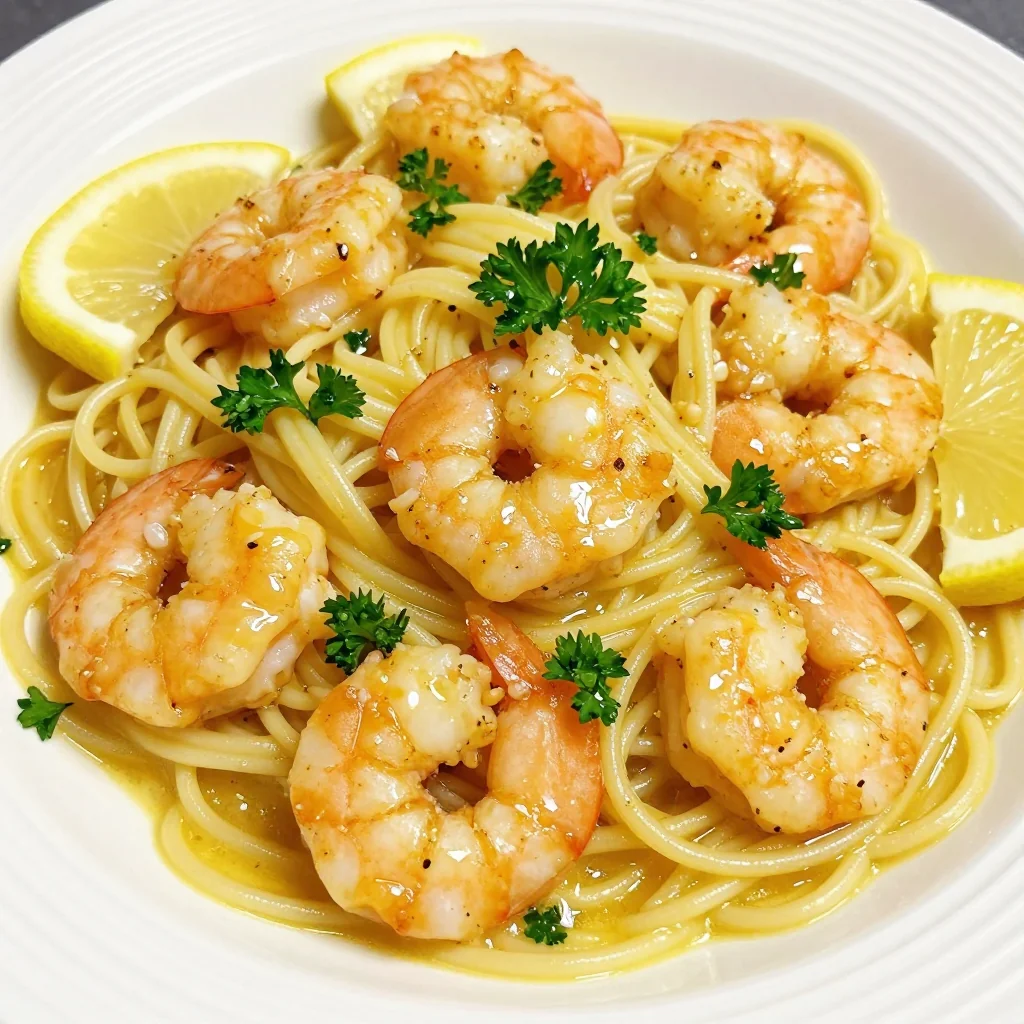
Pantry Clean-Out Shrimp Scampi with Lemon and Garlic
Ingredients
Instructions
- Cook the pasta: Boil spaghetti in salted water until al dente. Reserve 1½ cups pasta water, then drain.
- Prep the shrimp: Pat shrimp dry and season with salt and pepper on both sides.
- Sear the shrimp: Heat 1 tablespoon each butter and oil in a large skillet over medium-high heat. Sear shrimp 2 minutes per side, then remove to a plate.
- Make the sauce: In the same skillet, melt remaining butter with oil. Add garlic and red pepper flakes, cooking 30-45 seconds until fragrant.
- Build the scampi: Add ½ cup pasta water and lemon zest, stirring to scrape up browned bits. Add lemon juice.
- Combine everything: Add drained pasta to the skillet, tossing to coat. Return shrimp and any juices, tossing to combine.
- Finish and serve: Remove from heat, add parsley, and toss. Serve hot with extra lemon wedges.
Recipe Notes
This recipe moves quickly once you start cooking, so have everything prepped before you begin. Don't skip drying the shrimp—it's essential for proper searing. If your sauce seems dry, add more warm pasta water a splash at a time.