When the kitchen was on fire that night—literally, a rogue garlic clove had ignited the oil in my pan—my friends were laughing at my culinary chaos. I was left with a charred mess, a half‑cooked noodle bowl, and a craving that wouldn’t quit. That disaster became a spark, a dare, and an experiment that turned into the most addictive savory chilli garlic noodles I’ve ever made. I’m not going to lie: I tasted it, I devoured half the batch before anyone else even saw the bowl, and the after‑taste lingered like a secret promise. If you think you’ve seen every version of this dish, think again.
Picture this: a bowl steaming with noodles that feel silky yet hold a gentle bite, a sauce that glistens like a dark velvet curtain, and a chorus of aromas—roasted garlic, sharp black vinegar, and a whisper of coriander. The first spoonful hits you with a burst of heat that’s balanced by a subtle sweetness from a teaspoon of white sugar, and the finish is a lingering umami that makes you want to reach for the next bite. The texture is a dance between the crisp edges of the sautéed garlic and the tender noodles, all wrapped in a sauce that coats each strand without clumping. Every element feels intentional, as if the chef had mapped out a symphony and I’m just the audience. I dare you to taste this and not go back for seconds—trust me, you’ll be surprised.
What makes this version stand out isn’t just the ingredients; it’s the process, the timing, and the tiny tweaks that elevate it from a simple stir‑fry to a dish that feels like a celebration. I’ve spent nights tweaking the ratio of soy sauce to vinegar, experimenting with different oil types, and even testing how the noodles’ texture changes when you let them sit in hot water before cooking. The result is a dish that’s both comforting and exciting, with a flavor profile that’s richer than any takeout I’ve ever ordered. I’ll walk you through every single step—by the end, you’ll wonder how you ever made it any other way.
Let’s start by breaking down why this recipe is the gold standard for savory chilli garlic noodles. I’m not just going to list ingredients; I’m going to give you the “why” behind each choice, the science of heat, the art of balance, and the little secrets that make every bite a revelation. Ready? Let’s dive in.
What Makes This Version Stand Out
- Flavor Complexity: The combination of black vinegar, soy sauce, and a pinch of sugar creates a layered taste that’s both savory and subtly sweet. This depth of flavor turns a simple noodle dish into a memorable experience.
- Texture Harmony: The noodles are cooked al dente and tossed with a quick sauté of garlic and chilli that gives them a slight crunch, while the sauce remains silky. The result is a satisfying bite that doesn’t feel heavy.
- Speed: With a prep time of just ten minutes and cooking time of five, this dish is a perfect quick‑fire solution for busy nights, yet it feels gourmet.
- Ingredient Quality: Using neutral tasting oil and fresh Chinese black vinegar elevates the dish beyond the usual pantry staples, giving it an authentic, restaurant‑style flavor.
- Versatility: The recipe is a blank canvas that can be customized with protein, vegetables, or different noodle types without compromising its core taste.
- Audience Appeal: It’s the kind of dish that turns skeptics into believers—whether you’re a seasoned chef or a kitchen rookie, the results are impressive.
- Make‑Ahead Potential: The sauce can be prepared in advance and stored, and the noodles can be boiled ahead of time, making this dish a great option for meal prep.
- Health Conscious Twist: By using a neutral oil and limiting added sugars, the dish stays relatively low in fat while still delivering on flavor.
Alright, let's break down exactly what goes into this masterpiece…
Inside the Ingredient List
The Flavor Base
The foundation of this dish is a simple yet powerful sauce that marries the savory depth of soy sauce with the sharp, almost citrusy tang of Chinese black vinegar. The vinegar is what gives the dish its distinctive bite; it cuts through the oil and balances the heat of the chilli. If you skip the vinegar, the sauce becomes flat and the noodles lose that bright, almost citrusy zing that makes the dish pop. I recommend using a high‑quality, unfiltered black vinegar for the best flavor profile. If you’re in a pinch, a splash of rice vinegar can mimic the acidity, but it won’t have the same depth.
The Texture Crew
200 grams of dried wheat noodles are the star of this section. The noodles bring the bulk and chewiness that makes the dish satisfying. Fresh noodles would give a different mouthfeel, but the dried ones hold up better against the quick stir‑fry method and absorb the sauce beautifully. If you prefer a gluten‑free option, swap for rice noodles; just be sure to cook them slightly longer to avoid mushiness. The key is to keep them al dente—overcooked noodles will become a soggy mess.
The Unexpected Star
One teaspoon of chilli powder or flakes might seem like a minor detail, but it’s the secret weapon that gives the dish its fiery kick. I like to use a blend of dried red chilli flakes and a pinch of Sichuan peppercorns for an extra layer of heat and a subtle numbing sensation. If you’re heat‑averse, reduce the amount or omit it entirely, but you’ll lose a lot of the dish’s signature personality. A good rule of thumb: taste as you go, and adjust the heat level to match your preference.
The Final Flourish
Two tablespoons of neutral tasting oil, such as grapeseed or canola, provide the canvas for sautéing garlic and chilli. The oil’s high smoke point ensures that the garlic doesn’t burn, preserving its sweet, nutty flavor. After the garlic and chilli finish, I add a teaspoon of sesame oil to finish the dish. The sesame oil adds a nutty aroma that rounds out the sauce and gives the noodles an irresistible sheen. If you’re allergic to sesame, a dash of toasted rice oil will work as a substitute.
Everything's prepped? Good. Let's get into the real action…
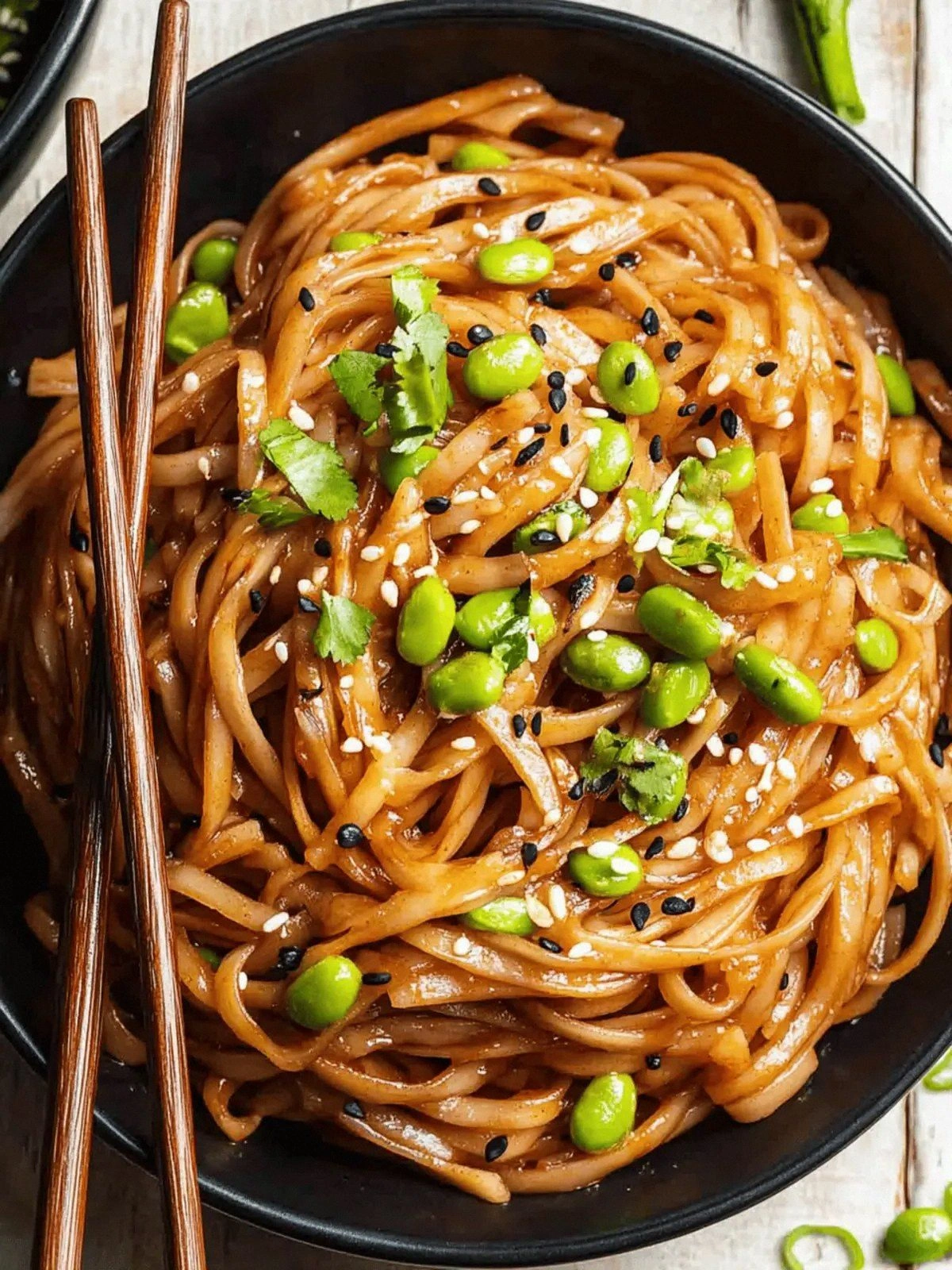
The Method — Step by Step
- Bring a large pot of salted water to a rolling boil. Add the dried wheat noodles and cook according to the package instructions, usually around 8 minutes. Once they’re al dente, drain them and rinse under cold water to stop the cooking process. This step ensures the noodles stay firm and can soak up the sauce later.
- While the noodles are cooking, heat the neutral oil in a large skillet over medium heat. Add the minced garlic and a pinch of chilli flakes. Sauté for 30 seconds until the garlic turns golden and aromatic. Watch the garlic closely; if it starts to darken, lower the heat—burnt garlic ruins the entire dish.
- Introduce the soy sauce, black vinegar, and white sugar to the pan. Stir quickly to combine, letting the sugar dissolve into the liquid. This quick combination creates a glossy sauce that will coat the noodles beautifully. The sugar also balances the acidity of the vinegar and the heat of the chilli.
- Add the drained noodles to the skillet, tossing them gently so they’re fully coated in the sauce. Let them cook together for 1–2 minutes, allowing the noodles to absorb some of the sauce while still retaining their firmness. The key is to keep the heat medium so the noodles don’t stick together.
- Stir in the chopped coriander and sliced spring onions. These fresh herbs add a bright, herbal note that cuts through the richness of the sauce. The spring onions also provide a subtle crunch that balances the silky noodles.
- Finish the dish by drizzling the teaspoon of sesame oil over the noodles. Toss everything again for a final minute. The sesame oil’s nutty aroma will envelop the bowl, giving it that restaurant‑style finish.
- Taste the noodles. If the sauce feels too thick, add a splash of water or a little extra soy sauce. If it’s too salty, a pinch more sugar can help balance it out. Remember, the sauce should be glossy, not sticky.
- Serve hot, garnished with a few extra coriander leaves or a sprinkle of toasted sesame seeds if you like. The dish is best enjoyed immediately, but if you need to hold it for a few minutes, cover it loosely with foil to keep the heat.
That's it — you did it. But hold on, I've got a few more tricks that'll take this to another level…
Insider Tricks for Flawless Results
The Temperature Rule Nobody Follows
Many cooks think that a high heat is always better for stir‑fry, but this dish thrives on medium heat. A moderate temperature allows the garlic to caramelize slowly, releasing its full flavor without burning. I’ve found that starting at medium and only bumping up to high for the final toss gives the noodles the perfect al dente bite. If you’re cooking on a gas stove, keep the flame low and let the pan heat gradually.
Why Your Nose Knows Best
Before you even taste the dish, the aroma will tell you if the sauce is balanced. If you smell a sharp, almost metallic tang, the vinegar is too strong and needs a touch of sugar or soy sauce. If the aroma is sweet and almost caramelized, the sugar may be too high. Use your nose as a guide; it’s a quick way to catch flavor imbalances before they become problematic.
The 5‑Minute Rest That Changes Everything
After cooking, let the noodles rest in the pan for 5 minutes with the heat off. This resting period allows the sauce to seep into the noodles, making each bite more flavorful. The noodles will continue to steam, absorbing any remaining liquid and locking in moisture. A friend once skipped this step and got a dry, unevenly flavored dish—lesson learned!
Silky Sauce, Not Sticky
If the sauce feels too thick, add a splash of hot water or a bit more soy sauce. The trick is to add the liquid gradually, stirring continuously, so the sauce doesn’t become watery. A thin sauce will cling to the noodles like a silk scarf, giving the dish that coveted glossy finish.
Freshness Is Key
Always use fresh garlic and spring onions. The fresher the ingredients, the brighter the flavors. If you’re using pre‑minced garlic, it often contains additives that can alter the taste. I prefer to crush the garlic with a mortar and pestle, which releases more aromatics and gives the dish a deeper, more authentic flavor.
Creative Twists and Variations
This recipe is a playground. Here are some of my favorite ways to switch things up:
Protein Power
Add diced chicken breast, shrimp, or tofu to the pan after the garlic has sautéed. Cook the protein until just done, then add the sauce and noodles. This turns the dish into a hearty, protein‑packed meal perfect for dinner.
Veggie Upgrade
Stir in sliced bell peppers, broccoli florets, or snow peas during the last minute of cooking. The vegetables add color, crunch, and a nutritional boost without overpowering the sauce.
Spicy Extra
Introduce a fresh sliced jalapeño or a dash of sriracha for an extra kick. The heat will intensify, making the dish suitable for those who love a fiery bite.
Asian Fusion
Swap the soy sauce for tamari or coconut aminos for a gluten‑free version. The flavor profile will shift slightly but remain deliciously balanced.
Breakfast Twist
Serve the noodles over a fried egg or a soft‑boiled egg for a savory breakfast. The yolk adds richness and turns the dish into a comforting morning meal.
Low‑Carb Edition
Use shirataki noodles or zucchini noodles instead of wheat noodles. Keep the sauce and seasonings the same for a low‑carb version that still delivers on flavor.
Storing and Bringing It Back to Life
Fridge Storage
Cool the noodles to room temperature before placing them in an airtight container. Store in the refrigerator for up to 2 days. When reheating, add a splash of water or broth to keep the noodles from drying out.
Freezer Friendly
For longer storage, portion the noodles into freezer‑safe bags and seal them tightly. They’ll keep for up to 3 months. Thaw in the refrigerator overnight and reheat with a splash of water to restore moisture.
Best Reheating Method
Reheat the noodles in a skillet over medium heat, stirring frequently. Add a teaspoon of water or broth and cover the pan with a lid for 2–3 minutes. The steam will bring the noodles back to their original texture and keep the sauce from thickening.