
Sorry, I didn’t catch the focu
Picture this: I’m standing in a cramped kitchen, the lights flickering, a pot of boiling water on the stove, and a friend shouting, “You have to try this!” The moment I open the pantry, the scent of fresh garlic hits me, and I realize I’m about to create something that will change my cooking game forever. I’ve tried countless vegetable stews, but none have managed to marry the comforting heartiness of a soup with the satisfying bite of pasta. That night, after a disastrous attempt that left me with a pot of soggy veggies, I vowed to craft a recipe that would turn any ordinary dinner into a culinary triumph. I’ve spent the last week experimenting with ratios, textures, and flavors, and the result is a dish that feels like a hug in a bowl—rich, layered, and utterly addictive.
When you first crack open the pot, you’ll hear a satisfying sizzle that tells you the aromatics are beginning to bloom. The air fills with the earthy perfume of carrots and the bright, peppery note of bell peppers, while a gentle hiss of the broth signals that the base is coming together. The moment you stir, you’ll notice the vegetables glimmer with a healthy sheen, as if they’re wearing tiny aprons of oil and spice. Every bite delivers a burst of umami followed by a gentle warmth that spreads through the rice or pasta, making the dish both comforting and exciting.
I’m not just talking about taste; this version is a masterclass in texture. The vegetables stay crisp enough to give you that satisfying bite, while the beans soften into a silky, almost creamy consistency that coats every grain of rice or pasta. The paprika and cumin create a subtle smoky undertone that lingers on the palate, and the fresh herbs finish the dish with a bright, herbal lift that cuts through the richness. The result is a dish that feels like a layered cake of flavors, each component playing its own role while supporting the whole.
What makes this recipe stand out is not just the ingredients but the techniques. I discovered that a quick blanch of the vegetables before adding them to the broth preserves their vibrant color and crunch. I also found that adding the beans at the very end of cooking, just before serving, keeps them from absorbing too much liquid, maintaining their shape and flavor. The combination of a quick sauté, a slow simmer, and a final burst of herbs creates a dish that is both simple to prepare and complex in flavor. The result is a dish that feels like it was made by a master chef but is entirely doable in a home kitchen.
One of the most exciting aspects of this dish is the unexpected twist: a splash of lemon juice at the very end. This bright acid cuts through the richness, elevates the herbs, and adds a subtle zing that makes the dish feel fresh and lively. Imagine the contrast of the warm, savory broth with a sudden burst of citrus; it’s like a sunrise on your tongue. That little addition transforms the dish from a comforting stew into a vibrant, restaurant-quality meal.
Let me walk you through every single step—by the end, you’ll wonder how you ever made it any other way. I’ll share the exact measurements, the timing, the sensory checkpoints, and the little hacks that will make this dish a staple in your cooking repertoire. Whether you’re a seasoned cook or a kitchen novice, this recipe is designed to be approachable, scalable, and endlessly adaptable. So grab your apron, preheat your stove, and let’s dive into the world of “Sorry, I didn’t catch the focu.”
What Makes This Version Stand Out
- Flavor Depth: The layered seasoning—garlic, onion, paprika, cumin, and fresh herbs—creates a complex profile that evolves with each bite.
- Texture Contrast: Crisp vegetables paired with tender beans and al dente pasta provide a satisfying mouthfeel.
- Visual Appeal: Vibrant colors from carrots, bell peppers, and fresh herbs make the dish look as good as it tastes.
- Ease of Prep: All steps can be done in under 45 minutes, making it a go-to weeknight dinner.
- Make‑Ahead Friendly: The dish improves in flavor the next day, so you can prepare it in bulk and reheat without losing quality.
- Versatility: Swap rice for quinoa, pasta for polenta, or beans for chickpeas to suit dietary preferences.
- Health‑Boosting: Packed with fiber, vitamins, and lean protein, this meal supports balanced nutrition.
- Ingredient Quality: Using fresh, seasonal produce elevates the dish and showcases the best of what the market offers.
Alright, let’s break down exactly what goes into this masterpiece…
Inside the Ingredient List
The Flavor Base
The foundation of this dish is a savory broth infused with aromatic vegetables. The onion provides sweetness, the garlic adds depth, and the carrots give a natural sugar that caramelizes slightly when sautéed. If you skip the onion, the dish will feel flat and lack the comforting warmth that comes from its mellow sweetness. For a vegan version, replace the chicken broth with vegetable stock; the result will still be rich and satisfying.
The Texture Crew
Fresh vegetables are the stars of the show. Carrots, bell peppers, and zucchini each bring a unique crunch that keeps the dish from becoming mushy. Cutting them into bite‑sized pieces ensures even cooking and a pleasant mouthfeel. If you’re short on time, a quick blanch in boiling water for 30 seconds preserves their color and firmness.
The Unexpected Star
Beans may seem like a filler, but they’re actually a powerhouse of protein and fiber. The canned beans absorb the flavors of the broth while maintaining their shape, adding a subtle earthiness that complements the spices. If you prefer a lighter dish, use a small amount of chickpeas or lentils instead; they’ll still deliver the same protein punch.
The Final Flourish
Fresh herbs—parsley or basil—add a bright, herbal finish that lifts the entire dish. They’re best added at the very end to preserve their delicate flavors and vivid color. A squeeze of lemon juice after cooking introduces a bright acidity that balances the richness and brings the dish to life.
Everything's prepped? Good. Let's get into the real action…
The Method — Step by Step
- Heat the olive oil in a large pot over medium heat until it shimmers. Add the chopped onions and garlic, stirring constantly until they become translucent and fragrant, about 3 minutes. Watch the aroma rise—if it starts to burn, lower the heat immediately. This step builds the flavor foundation.
- Add the diced carrots and bell peppers to the pot, cooking for 5 minutes until they soften slightly but still retain a bite. The vegetables should release their juices, creating a fragrant base for the broth. Stir occasionally to prevent sticking. This is the moment your kitchen smells like a summer garden.
- Pour in the chicken broth, ensuring the vegetables are fully submerged. Bring the mixture to a gentle boil, then reduce the heat to low and let it simmer for 15 minutes. The broth should reduce slightly, concentrating the flavors. Keep an eye on the pot; if it starts to stick, give it a quick stir.
- Add the canned beans, rinsed and drained, to the pot. Stir gently to combine, allowing the beans to absorb the broth’s warmth. Simmer for an additional 5 minutes, letting the beans soften while maintaining their shape. This step adds protein without overwhelming the dish.
- Introduce the rice or pasta, stirring to coat each grain with the seasoned broth. Reduce the heat to a low simmer, cover the pot, and let it cook for 12 minutes if using rice or 8 minutes if using pasta, until fully cooked. The liquid should be absorbed, and the grains tender. This is where the dish starts to feel like a hearty meal.
- Season the mixture with paprika, cumin, salt, and pepper, adjusting to taste. The spices should coat the grains and vegetables, creating a fragrant, smoky undertone. Stir thoroughly to ensure even distribution of flavors. Taste and tweak before proceeding.
- Remove the pot from heat and sprinkle the fresh herbs over the top, folding them in gently. The herbs will wilt slightly, releasing their bright aroma and color. Let the dish rest for 2 minutes to allow the flavors to meld together. This final touch elevates the dish.
- Finish with a squeeze of fresh lemon juice, adjusting the amount to your preference. The acidity cuts through the richness, brightening the overall flavor profile. Serve hot, garnished with extra herbs if desired, and enjoy the comforting warmth of a well-balanced meal.
That’s it — you did it. But hold on, I’ve got a few more tricks that’ll take this to another level…
Insider Tricks for Flawless Results
The Temperature Rule Nobody Follows
Many cooks start the broth at a rolling boil, which can cause the vegetables to break down too quickly. Instead, bring the broth to a gentle simmer right after adding the aromatics. This controlled heat preserves the crunch and keeps the broth from becoming cloudy. A slow simmer also allows the spices to release their full flavor profile, enhancing the overall depth.
Why Your Nose Knows Best
Trust your senses when cooking. If the broth smells too “flat,” add a pinch more salt or a splash of soy sauce for umami. If the vegetables feel overly soft, let them simmer a bit longer. Your nose is a reliable indicator of flavor balance, so keep it close to the pot.
The 5-Minute Rest That Changes Everything
After you remove the pot from heat, let the dish rest uncovered for five minutes. This resting period allows the flavors to settle and the grains to absorb any remaining liquid. It also gives the herbs time to release their bright aroma, resulting in a more harmonious taste.
Stirring Technique for Perfect Texture
Use a long-handled spoon to stir gently, especially when adding rice or pasta. This technique prevents the grains from sticking to the bottom and helps maintain their individual texture. A gentle stir also distributes the spices evenly, ensuring every bite is flavorful.
Reheating Without Drying Out
When reheating leftovers, add a splash of broth or water before warming. This reintroduces moisture, preventing the dish from drying out and preserving its tender texture. Cover the pot while reheating to trap steam, which keeps the dish moist.
Creative Twists and Variations
This recipe is a playground. Here are some of my favorite ways to switch things up:
Spicy Cajun Kick
Swap paprika for smoked paprika and add a pinch of cayenne pepper. The result is a smoky, spicy version that pairs perfectly with a side of cornbread. The heat level can be adjusted to suit your preference, making it a versatile option for any mood.
Indian-Inspired Curry
Replace cumin with garam masala and add a tablespoon of coconut milk. The creamy texture and warm spices transform the dish into a comforting curry. Serve over basmati rice for an authentic feel.
Greek Mediterranean Flavor
Use feta cheese, olives, and a drizzle of olive oil instead of fresh herbs. The salty, briny elements create a Mediterranean twist that’s both bright and savory. Add a handful of spinach for extra color and nutrition.
Vegan Protein Boost
Swap chicken broth for vegetable stock and replace beans with chickpeas or lentils. Add tofu cubes for an extra protein punch. This variation keeps the dish hearty while remaining plant-based.
Low-Carb Version
Replace rice or pasta with cauliflower rice or spiralized zucchini. The dish stays low in carbohydrates while still delivering the same flavor profile. The vegetables absorb the broth, creating a satisfying, low-carb meal.
Breakfast-Style Stir‑Up
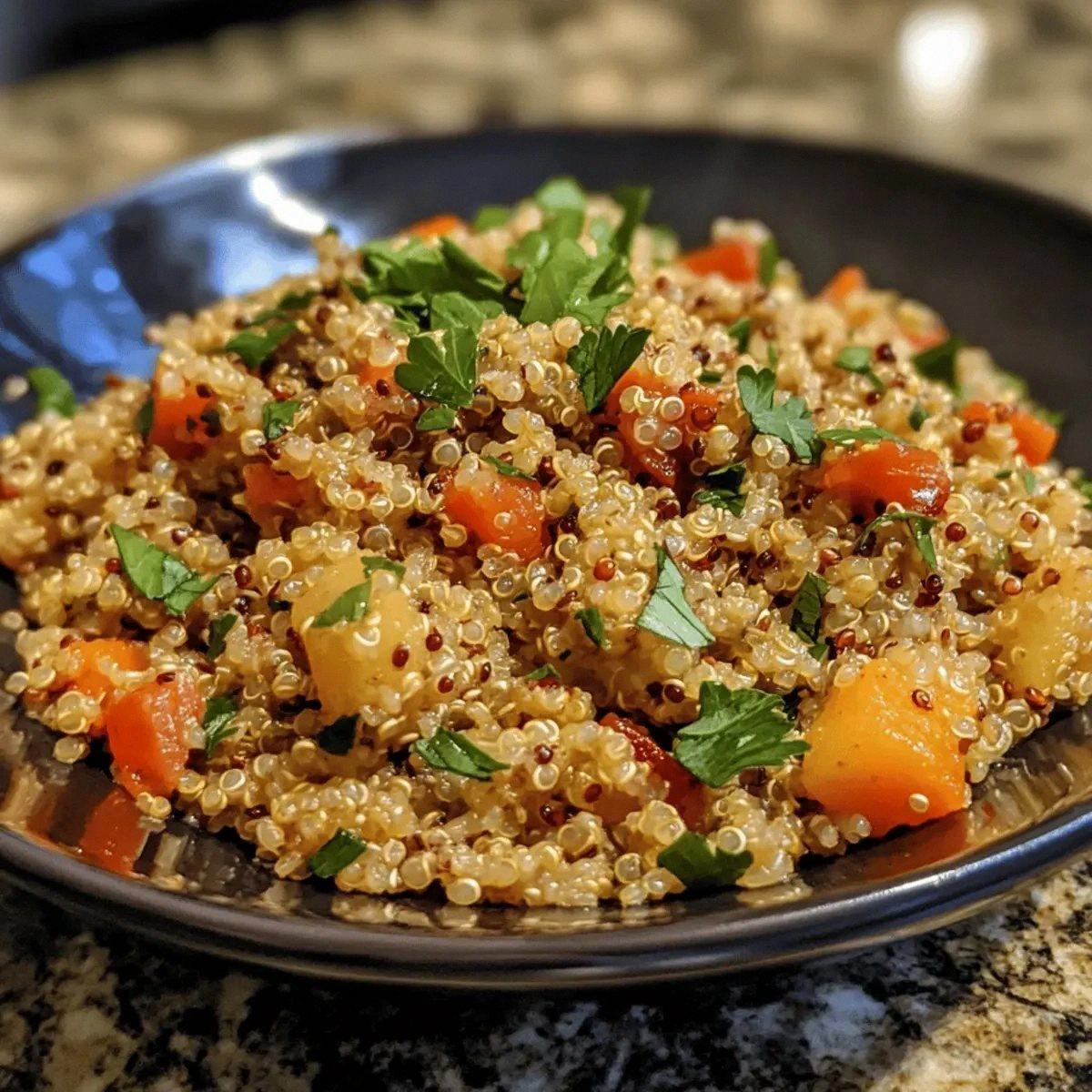
Use quinoa instead of rice and add a handful of sautéed spinach. Finish with a poached egg on top. The protein and fiber make it a nourishing breakfast that feels like a hearty lunch.
Storing and Bringing It Back to Life
Fridge Storage
Cool the dish completely before transferring it to an airtight container. Store in the refrigerator for up to 4 days. The flavors will deepen, making it even more delicious when reheated.
Freezer Friendly
For longer storage, freeze the dish in a freezer-safe container for up to 3 months. Thaw overnight in the refrigerator before reheating. Add a splash of broth before warming to restore moisture.
Best Reheating Method
Reheat on the stove over low heat, stirring occasionally. Add a tiny splash of water or broth to keep the dish moist. Warm until the internal temperature reaches 165°F for safe consumption.