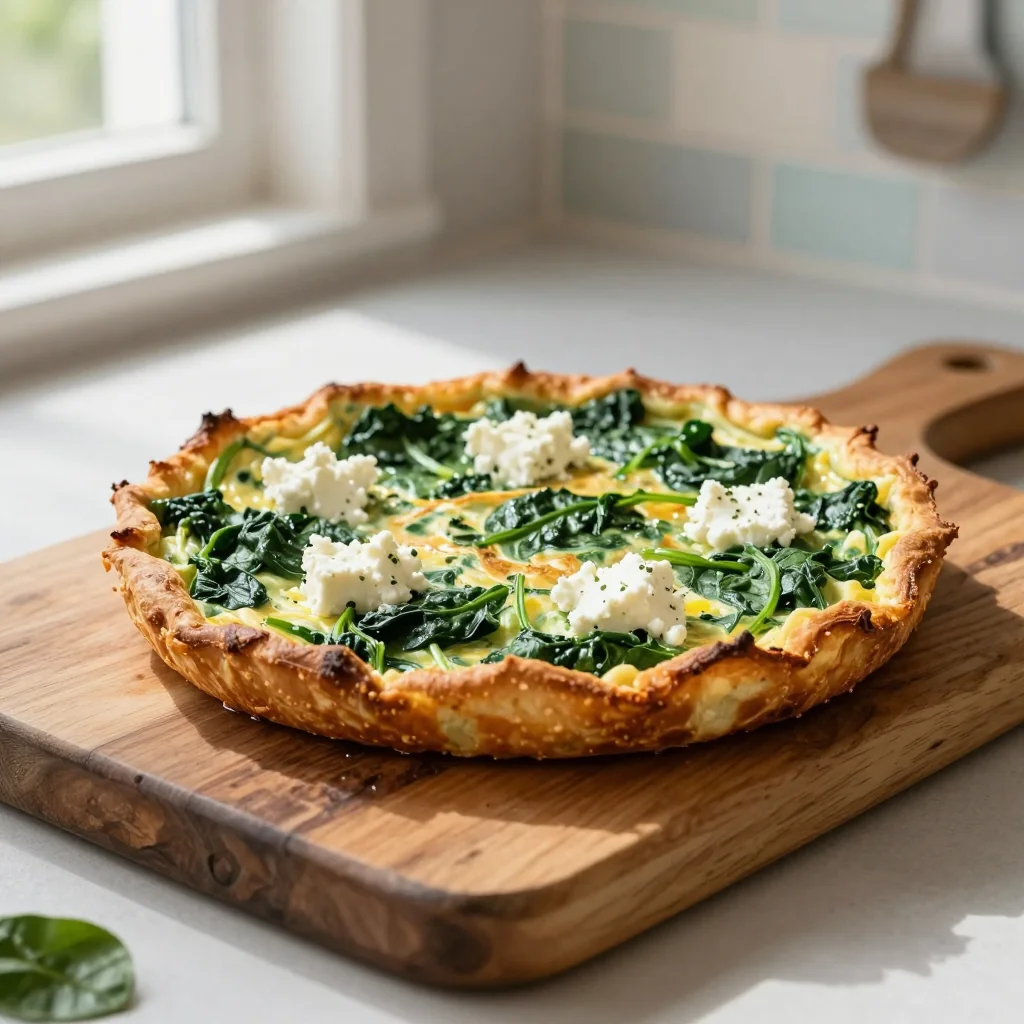
A bright, fluffy celebration of spring greens and tangy feta, perfect for brunch or a light dinner.
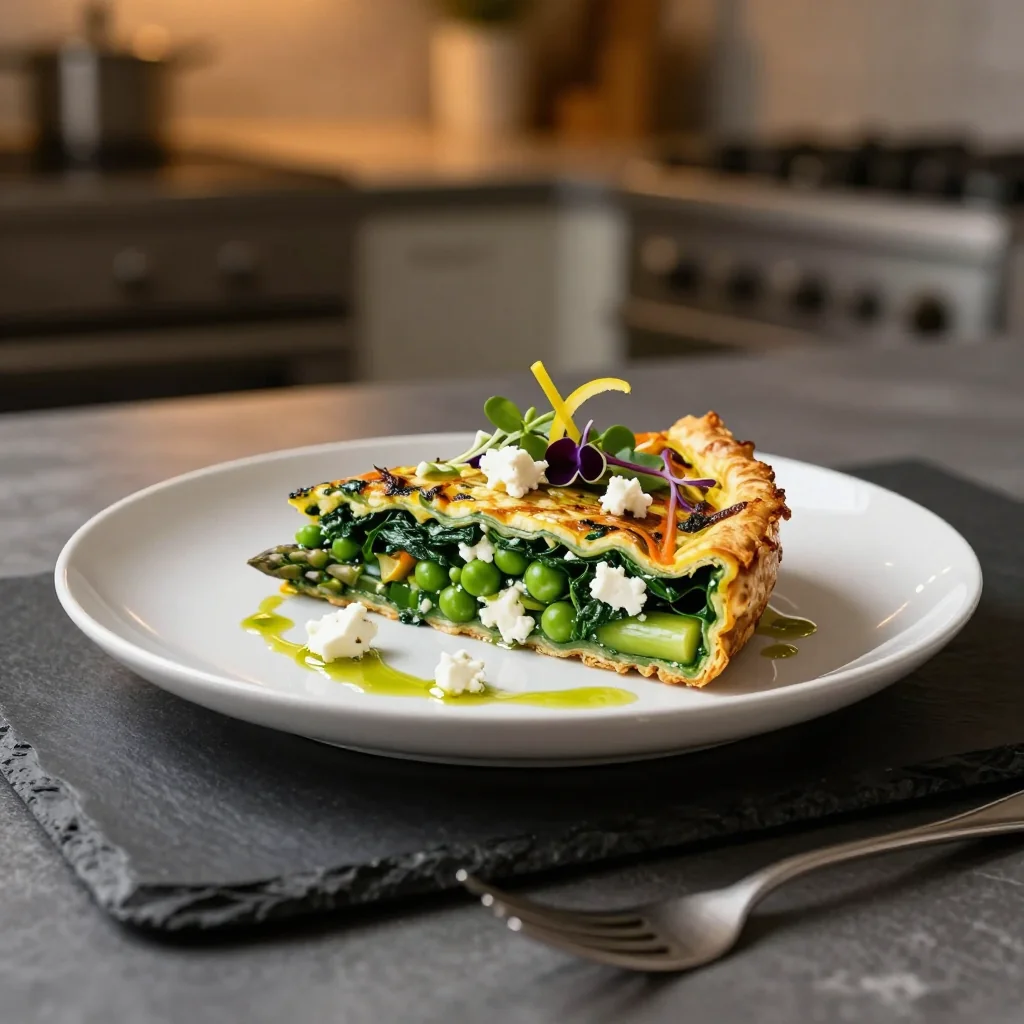
When the first shoots of asparagus peek through the soil, I’m reminded of my childhood garden in the English countryside, where my grandmother would pull fresh greens from the earth and whisk them into a simple egg bake. The scent of herbs and the bright green of young spinach always felt like a promise of new beginnings.
This frittata draws inspiration from that nostalgic memory, marrying the earthy sweetness of spring vegetables with the salty tang of feta. While frittatas are a staple of Italian cuisine, the version I’m sharing today embraces a more Mediterranean flair, using fresh herbs, a splash of lemon, and a drizzle of olive oil to highlight the season’s bounty.
In this guide, you’ll learn how to balance textures so the eggs stay fluffy, how to layer flavors for depth, and how to adapt the dish for any dietary need. By the end, you’ll feel confident serving a vibrant, wholesome meal that looks as beautiful as it tastes.
Let’s get our aprons on and dive into the garden-fresh goodness together!
🌟 Why This Recipe Will Captivate You
The Spring Vegetable Frittata is more than just a dish; it’s a celebration of seasonal produce, effortless cooking, and comforting flavors.
- ✨ Vibrant Color Palette : The combination of bright green spinach, orange carrots, and golden feta creates a visual feast that makes any table feel special.
- ✨ Nutrient-Packed Goodness : Eggs provide high‑quality protein, while the vegetables deliver fiber, vitamins, and antioxidants essential for a balanced diet.
- ✨ One‑Pan Simplicity : All steps happen in a single skillet, reducing cleanup and keeping flavors concentrated.
- ✨ Flexible Serving Options : Serve warm for brunch, at room temperature for a picnic, or chilled for a protein‑rich snack.
- ✨ Adaptable to Any Kitchen : Whether you’re a novice or seasoned cook, the recipe scales easily and tolerates ingredient swaps.
- ✨ Crowd‑Pleaser : Its mild yet tangy profile satisfies vegetarians and meat‑eaters alike, making it perfect for family gatherings.
🥗 Ingredients
📝 Complete Ingredient List
For the Egg Mixture:
- 8 large eggs
- 120 ml whole milk
- 100 g feta cheese, crumbled
- 2 tbsp fresh lemon juice
- 1 tbsp extra‑virgin olive oil
- 1 tsp sea salt
- ½ tsp black pepper
- a pinch of nutmeg (optional)
For the Vegetables:
- 200 g baby spinach
- 150 g asparagus, trimmed and cut into 2‑cm pieces
- 100 g green peas (fresh or frozen)
- 80 g carrots, grated
- 1 small red onion, finely diced
- to taste fresh herbs (parsley, chives, or dill), chopped
For the Garnish (optional):
- 1 tbsp extra‑virgin olive oil, drizzled
- to taste freshly cracked black pepper
- a handful of microgreens
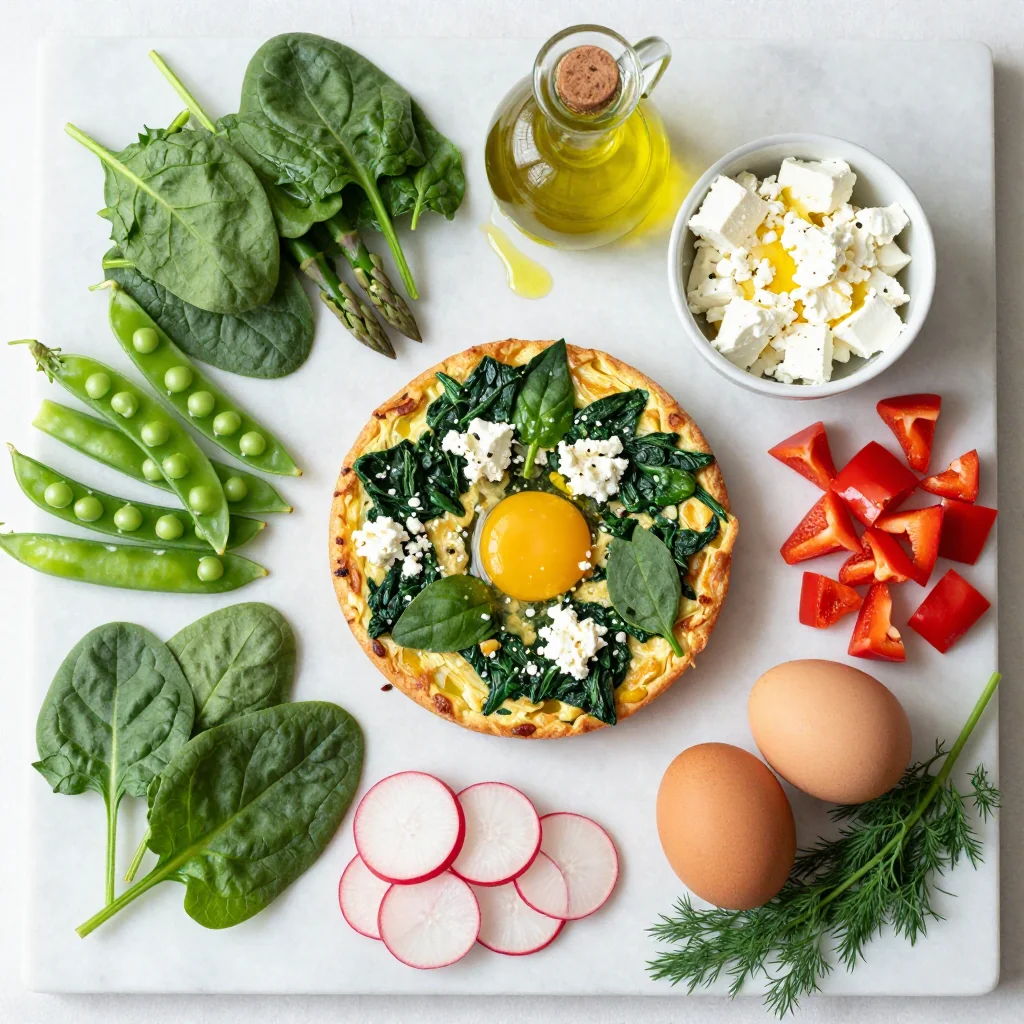
🔍 Focus on Key Ingredients
Spinach
Spinach brings a delicate earthiness and a vibrant green hue that instantly signals spring. When sautéed briefly, it wilts without losing its nutrients, especially iron and vitamin K. For the best texture, add it at the end of the vegetable sauté so it stays tender and bright.
Feta Cheese
Feta adds a salty, creamy contrast that cuts through the richness of the eggs. Choose a feta made from sheep’s milk for a sharper bite, or a milder cow’s milk version if you prefer a subtler flavor. Crumble it just before mixing with the eggs to ensure even distribution.
Asparagus
Asparagus provides a crisp bite and a subtle grassy flavor. Look for slender spears with tight tips; they cook quickly and stay tender. Blanching them for a minute before adding to the pan preserves their vivid color.
🔄 Quick Substitutions
| If you don’t have… | Use instead… |
|---|---|
| Feta | Goat cheese or ricotta |
| Asparagus | Broccoli florets or green beans |
| Spinach | Kale (stems removed) or Swiss chard |
👨🍳 Step‑by‑Step Instructions
Follow these detailed steps to create a perfectly puffed, golden‑brown frittata that’s both tender and flavorful.
📋 Phase 1: Preparation & Mise en Place
Gather, wash, and prep all ingredients before you start cooking.
Prepare the Vegetables
Rinse the spinach under cold water, spin dry, and set aside. Trim the woody ends off the asparagus and cut into 2‑centimeter pieces. Peel and grate the carrots, and dice the red onion finely. If using frozen peas, rinse them under warm water to thaw.
Whisk the Egg Mixture
In a large bowl, whisk together 8 large eggs, 120 ml whole milk, 1 tsp sea salt, ½ tsp black pepper, and a pinch of nutmeg until the mixture is uniform and slightly frothy. Stir in the crumbled feta, lemon juice, and a tablespoon of olive oil. Set aside for 5 minutes to allow the flavors to meld.
🔥 Phase 2: Cooking & Assembly
Combine the vegetables and egg mixture, then bake to perfection.
Sauté the Vegetables
Heat a 28‑cm (11‑inch) oven‑safe skillet over medium heat. Add 1 tbsp olive oil, then sauté the red onion for 2 minutes until translucent. Add the asparagus and carrots, cooking for another 3 minutes. Toss in the peas and spinach, stirring until the spinach wilts, about 1‑2 minutes. Season lightly with salt and pepper.
Combine with Egg Mixture
Evenly spread the sautéed vegetables across the skillet. Pour the egg‑feta mixture over the vegetables, tilting the pan to ensure even coverage. Let the edges set for about 2 minutes without stirring.
Bake the Frittata
Pre‑heat the oven to 190 °C (375 °F). Transfer the skillet to the oven and bake for 12‑15 minutes, or until the top is set and lightly golden. The center should jiggle slightly when the pan is gently shaken.
✨ Phase 3: Finishing & Plating
Finalize the dish and present it with style.
Check for Doneness
Insert a thin knife or skewer into the center; it should emerge clean or with just a few moist crumbs. If the top is not fully set, broil for an additional 1‑2 minutes, watching closely to avoid burning.
Dress and Garnish
Remove the skillet from the oven and let the frittata rest for 3 minutes. Drizzle a tablespoon of olive oil over the top, sprinkle fresh herbs, a pinch of black pepper, and scatter microgreens for a fresh finish.
Serve
Slice the frittata into wedges and serve warm, at room temperature, or chilled. Pair with a crisp green salad, toasted sourdough, or a light vinaigrette for a complete meal.
💡 Expert Tips & Tricks
🛒 Choosing the Right Ingredients
When shopping, look for spinach leaves that are deep green and glossy, indicating freshness. Avoid any that appear wilted or yellowed. For asparagus, the tips should be tight and the stalks firm—bending them should cause a clean snap. Opt for a feta that crumbles easily; if it feels too dry, a quick dip in warm water can revive its texture.
🔪 Preparation Techniques
Dice the onion uniformly to ensure even cooking; a fine dice releases more flavor. Grate carrots using the larger holes of a box grater for texture that holds up during baking. When handling the eggs, whisk just until the whites and yolks combine—over‑whisking can incorporate too much air, leading to a dry final product.
🌡️ Mastering the Cooking Process
The skillet must be hot enough to set the edges quickly, creating a protective crust. Using an oven‑safe skillet eliminates the need to transfer the mixture, preserving the delicate vegetable arrangement. Keep a close eye during the last minutes of baking; a golden top signals readiness, while over‑baking can cause a rubbery texture.
🍽️ Presentation & Service
For a restaurant‑style presentation, run a thin, flexible spatula around the edge before lifting the frittata onto a serving platter. Drizzle a thin line of olive oil in a zig‑zag pattern and scatter fresh herbs just before serving. This adds a pop of color and a fragrant finish that elevates the dish.
🏆 Pro Tips
Professional chefs focus on precision, texture, and balance to transform a simple frittata into a culinary masterpiece.
- 🎯 Temperature Control : Start the skillet on medium‑high heat for 30 seconds before adding oil; this prevents the vegetables from steaming and ensures a quick sear, locking in flavor.
- 🎯 Even Egg Distribution : After pouring the egg mixture, gently shake the pan in a circular motion to let the liquid flow into the gaps between vegetables, achieving a uniform thickness.
- 🎯 Layered Flavor Development : Sprinkle a tiny amount of feta on the vegetables before adding the egg mixture, then add the rest on top. This creates pockets of creamy saltiness throughout the frittata.
- 🎯 Resting Period : Allow the frittata to rest for 3‑5 minutes after baking; this lets the steam settle, making it easier to cut clean slices without crumbling.
- 🎯 Portion Scaling : When increasing servings, keep the egg‑to‑vegetable ratio constant (roughly 2 eggs per 100 g of vegetables) to maintain the perfect custard texture.
- 🎯 Final Finish : A quick broil (1‑2 minutes) at the end creates a beautifully caramelized top, reminiscent of a gratin, without drying the interior.
"A frittata is the ultimate canvas—simple ingredients, infinite creativity." — Massimo Bottura
🔄 Variations & Adaptations
The base recipe is versatile; feel free to experiment with different flavors, dietary needs, and presentation styles.
🥬 Vegetarian / Vegan Version
Replace the eggs with a chickpea flour batter (1 cup chickpea flour, 1 cup water, ¼ tsp turmeric) and swap feta for crumbled tofu marinated in lemon juice and nutritional yeast. The result is a protein‑rich, dairy‑free frittata with a similar texture.
- Chickpea batter adds a subtle nuttiness.
- Marinated tofu provides the salty tang traditionally offered by feta.
🌶️ Flavor Variations
Seasonal twists can turn this dish into a global experience.
Spicy Version
Add 1 tsp crushed red pepper flakes to the egg mixture and finish with a drizzle of harissa for a Mediterranean heat.
Mediterranean Version
Incorporate sun‑dried tomatoes, Kalamata olives, and a sprinkle of oregano. Use a mix of feta and grated Pecorino for depth.
Asian‑Inspired Version
Swap lemon juice for a splash of rice vinegar, add 1 tbsp soy sauce, and garnish with toasted sesame seeds and chopped scallions.
⚠️ Dietary Adaptations
Gluten‑Free
All ingredients are naturally gluten‑free; just ensure the feta and any pre‑packed items are labeled as such.
Lactose‑Free
Use lactose‑free cheese alternatives such as dairy‑free feta made from almond milk, or omit cheese and increase herbs for flavor.
Low‑Calorie
Replace whole milk with skim milk, reduce feta to 50 g, and increase the proportion of vegetables. This cuts calories while maintaining volume.
👶 Family / Kids Version
Kids love the mild flavor. Omit the pepper flakes, cut vegetables into fun shapes, and serve with a side of fruit yogurt. Adding a sprinkle of shredded mild cheddar can make it more appealing to picky eaters.
📦 Storage & Reheating
🧊 Conservation
Refrigerator
- Duration: 3 days
- Container: airtight glass or plastic container
- Tip: Place a paper towel on top to absorb excess moisture.
Freezer
- Duration: 2 months
- Method: Cool completely, cut into portions, wrap each piece in cling film, then place in a freezer bag.
- Defrost: Transfer to refrigerator overnight.
💡 Note: For best texture, reheat only the portion you intend to eat; refreezing can affect the custard consistency.
♨️ Reheating
🔥 Oven (Recommended)
- Preheat to 160 °C (320 °F).
- Cover with aluminum foil to retain moisture.
- Heat for 10‑12 minutes.
- Remove foil and bake an additional 3 minutes for a crisp top.
⚡ Microwave (Quick)
- Place a slice on a microwave‑safe plate.
- Cover with a microwave‑safe lid or vented wrap.
- Heat on medium power for 45‑60 seconds.
- Check and stir gently; repeat if needed.
🍳 Stovetop
Warm a non‑stick skillet over low heat, add a drizzle of oil, and heat the slice for 2‑3 minutes per side, pressing lightly to revive the crust.
🍷 Perfect Pairings
🥗 Side Dishes
- Arugula Lemon Salad: Peppery arugula tossed with lemon vinaigrette balances the richness of the frittata.
- Herbed Quinoa Pilaf: Lightly seasoned quinoa adds a nutty texture without overpowering the main.
- Roasted Cherry Tomatoes: Sweet, caramelized tomatoes bring a burst of acidity.
🍷 Wine & Beverage
- Vermentino (white): Its crisp acidity complements the feta and bright greens.
- Rosé (dry): Light fruit notes enhance the spring vegetables.
- Non‑alcoholic: Sparkling elderflower water with a slice of citrus.
🍰 To Complete the Meal
Start with a light avocado toast appetizer, follow the frittata with a citrus‑y yogurt parfait, and finish with a delicate lemon sorbet to cleanse the palate.
❓ Frequently Asked Questions
Q: Can I use a different cheese instead of feta?
A: Absolutely. Goat cheese offers a similar tang, while ricotta provides a milder, creamier texture. If you prefer a dairy‑free option, crumble firm tofu that’s been marinated in lemon juice and salt.
Q: How do I prevent the frittata from sticking to the pan?
A: Use a well‑seasoned cast‑iron or non‑stick skillet and ensure the oil is hot before adding the egg mixture. Adding a thin layer of parchment paper (cut to fit) can also act as a barrier for delicate pans.
Q: What if I don’t have a oven‑safe skillet?
A: Cook the vegetables and set the egg mixture in a regular skillet, then transfer the entire mixture to a greased baking dish before placing it in the oven. The texture will remain similar.
Q: My frittata turned out too dry—what went wrong?
A: Over‑baking is the most common cause. Ensure the oven temperature is accurate and check for doneness a few minutes before the suggested time. Adding a splash more milk to the egg mixture can also increase moisture.
Q: Can I make this recipe ahead of time for a brunch?
A: Yes. Prepare the frittata the night before, refrigerate, and reheat gently in the oven just before serving. The flavors often improve after a few hours of resting.
Q: How do I scale the recipe for 8 servings?
A: Double every ingredient quantity, especially the eggs (16 eggs) and vegetables (400 g spinach, 300 g asparagus, etc.). Keep the baking time similar, but add 2‑3 minutes if the pan is larger.
🎉 To Your Kitchen!
This Spring Vegetable Frittata brings together the freshness of early‑season produce with the comforting richness of eggs and feta. Its bright colors, airy texture, and balanced flavors make it a standout dish for any occasion—whether you’re hosting a brunch, feeding a family, or enjoying a quiet meal at home. By mastering the simple techniques outlined, you’ll be able to create a dish that looks restaurant‑ready yet feels home‑cooked.
Give it a try, experiment with the suggested variations, and let your creativity shine. I’d love to hear how your frittata turned out—share photos, ask questions, or leave a rating below. Your feedback helps the community grow and inspires new recipes.
Have you tried this recipe?
Leave a comment and rating below! Share your photos on Instagram with #SpringFrittata for a chance to be featured.
Spring Vegetable Frittata with Spinach and Feta
A bright, fluffy frittata packed with spring greens and tangy feta.
📝 Ingredients
Egg Mixture
Vegetables
👨🍳 Instructions
- 1 Prepare and sauté all vegetables as described in the main instructions.
- 2 Whisk the egg mixture with feta, lemon, and seasonings.
- 3 Combine vegetables and egg mixture in an oven‑safe skillet.
- 4 Bake at 190 °C (375 °F) for 12‑15 minutes until set.
- 5 Rest, garnish, and serve.
🥗 Nutritional Information (per serving)
*Values are estimates based on standard ingredient data.
📚 You Might Also Like
Asparagus and Goat Cheese Tart
Lemon Herb Quinoa Salad
Mediterranean Veggie Skillet




💬 Comments & Reviews
Leave a Comment
[Comments will appear here]