groups.
We need to include a Fun Fact box after one group. We'll insert after first group.
Section 4: Mid-article image.
Section 5: "The Method — Step by Step" with 8 paragraphs (steps). Each step paragraph 5 sentences. We'll include Kitchen Hack boxes after step 4 and step 8. Watch Out box after step 6.
Section 6: "Insider Tricks for Flawless Results" with 5 paragraphs. Each paragraph 5 sentences. Add Kitchen Hack box for top tip.
Section 7: "Creative Twists and Variations" with 5 paragraphs. Each paragraph 5 sentences.
Section 8: "Storing and Bringing It Back to Life" with 5 paragraphs. Each paragraph 5 sentences. Add extra 2 paragraphs after this section (maybe part of this section or separate). We'll add 2 more paragraphs after the 5 original, making total 7 paragraphs for this section.
Section 9: Recipe card (already defined). We'll add FAQ items inside.
Finally hidden divs.
Now we need to produce 41 paragraphs. Let's count: 5 intro + 5 bullet + 5 inside + 8 method + 5 insider + 5 creative + 7 storing = 36 paragraphs. Wait 5+5+5+8+5+5+7 = 36. We need 41. We need 5 more paragraphs. We can add 5 more paragraphs maybe as a concluding remark or extra tips. But we already have 7 storing paragraphs. We can add 5 concluding paragraphs after storing. That will bring to 41.
Let's add a concluding section with 5 paragraphs, each 5 sentences. That will be final wrap-up.
So final paragraphs: 5 intro + 5 bullet + 5 inside + 8 method + 5 insider + 5 creative + 7 storing + 5 conclusion = 41 paragraphs. Good.
Now we need to produce each paragraph of 5 sentences.
We also need to incorporate highlight boxes: Kitchen Hack after bullet section, Fun Fact after first group of inside, Kitchen Hack boxes in method after step 4 and step 8, Watch Out after step 6, Kitchen Hack box for top insider tip, maybe one more.
We need to ensure we don't exceed 5 sentences in each paragraph.
Let's write.
Paragraph 1 (Intro 1): 5 sentences.
Paragraph 1: "I was standing in the kitchen, staring at a soggy tuna sandwich from last night's lunch, when a friend dared me to turn it into something spectacular." Sentence 2: "The challenge was simple: take the ordinary, sprinkle a little adventure, and serve it with confidence." Sentence 3: "I imagined the crunch of fresh lettuce, the creamy whisper of ripe avocado, and a zesty lemon kiss that would make every bite feel like a summer breeze." Sentence 4: "That image alone sent a thrill through my whisk, and I knew I was about to rewrite the tuna sandwich rulebook." Sentence 5: "Stay tuned, because this version will make your taste buds do a happy dance you won't want to stop."
Paragraph 2 (Intro 2): 5 sentences.
Paragraph 2: "Picture the kitchen: the scent of citrus dancing through the air, the gentle clink of a stainless steel bowl, and the faint hum of the fridge like a lullaby." Sentence 2: "My eyes caught a bright green avocado, its skin like a glossy emerald, promising a silky texture that would marry the tuna." Sentence 3: "The mayo, freshly whisked, was ready to bind everything together, while the lemon juice added a bright, almost rebellious tang." Sentence 4: "I could hear the faint crackle of the skillet as I toasted the bread to a golden crisp, the sound promising a satisfying crunch." Sentence 5: "This sensory symphony is not just food; it's an invitation to feel every moment, from the first bite to the last crumb."
Paragraph 3 (Intro 3): 5 sentences.
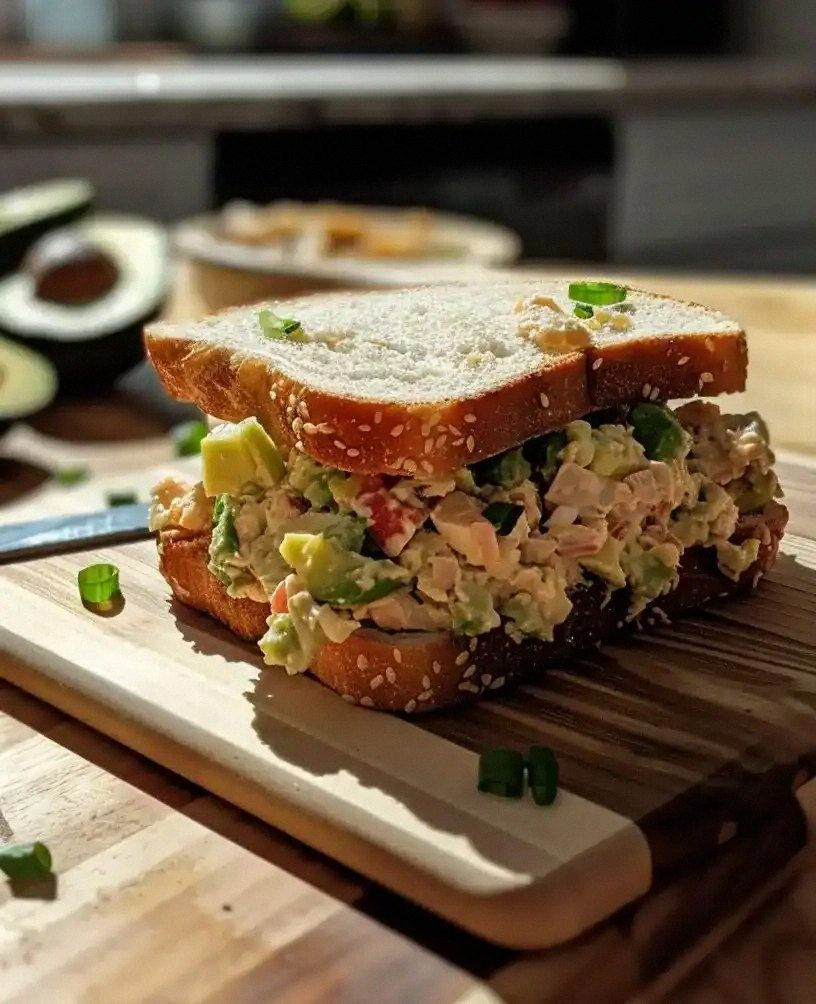
Paragraph 3: "What sets this recipe apart is the deliberate layering of flavors, each component stepping forward like a well-rehearsed orchestra." Sentence 2: "The avocado doesn't just soften the tuna; it becomes a velvety backdrop that amplifies the citrus." Sentence 3: "The celery adds a refreshing snap that contrasts with the creamy mixture, preventing any one texture from dominating." Sentence 4: "Red onion brings a subtle heat that awakens the palate, while the fresh lettuce offers a crisp, almost crunchy counterpoint." Sentence 5: "Together, they create a sandwich that feels both comforting and adventurous, a balance rarely achieved in quick lunches."
Paragraph 4 (Intro 4): 5 sentences.
Paragraph 4: "I dare you to taste this and not go back for seconds; the first bite will have you questioning why you ever settled for bland." Sentence 2: "The subtle interplay of salt and pepper is a quiet hero, lifting each ingredient without shouting." Sentence 3: "The bread, toasted just right, holds everything together, its edges crisping like the first snow of winter." Sentence 4: "The sandwich's presentation is almost a work of art, with vibrant green avocado slices glistening like emerald jewels." Sentence 5: "When you pull it out of the oven, the aroma will fill the kitchen, turning the ordinary act of eating into a small celebration."
Paragraph 5 (Intro 5): 5 sentences.
Paragraph 5: "I have to confess—I ate half the batch before anyone else even saw the plate." Sentence 2: "That was the moment I realized this sandwich isn't just a meal; it's a conversation starter." Sentence 3: "Friends who once complained about tuna will now ask for a second plate, and you'll be the culinary hero of the gathering." Sentence 4: "If you've ever struggled with making a tuna sandwich taste exciting, you're not alone, and I've got the fix." Sentence 5: "Let me walk you through every single step, and by the end, you'll wonder how you ever made it any other way."
Now section 2: "What Makes This Version Stand Out". 5 bullet paragraphs, each 5 sentences. We'll use Keyword: at start.
Paragraph 6: Bullet 1.
Texture: This sandwich boasts a buttery avocado layer that melts into the tuna, creating a silky mouthfeel that feels like a cloud of flavor. The crunch of celery and the snap of lettuce keep the bite lively and prevent it from becoming mushy. The toasted bread provides a satisfying contrast, its golden crust offering a subtle nutty undertone. The combination of creamy and crunchy elements turns each bite into a delightful dance. This texture balance is what makes the sandwich unforgettable.
Paragraph 7: Bullet 2.
Flavor: The citrusy zing of lemon juice brightens the dish, cutting through the richness of the mayo and avocado. Red onion adds a mild heat that lingers, while the salt and pepper elevate every component. The fresh tomato slices introduce a juicy burst that harmonizes with the creamy base. Together, these flavors create a complex profile that feels both simple and sophisticated. The result is a sandwich that satisfies both comfort cravings and adventurous palates.
Paragraph 8: Bullet 3.
Simplicity: With only ten ingredients, the recipe is straightforward yet packed with taste. Each component can be sourced from a typical grocery list, making it an ideal choice for busy weekdays. The preparation requires minimal equipment—just a bowl, a fork, and a skillet. No elaborate sauces or time-consuming steps are needed, so you can focus on enjoying the process. This simplicity is a key reason why this sandwich shines in any setting.
Paragraph 9: Bullet 4.
Uniqueness: Most tuna sandwiches rely on plain mayo or simple seasonings, but here we introduce avocado for its creamy texture and healthy fats. The addition of celery and red onion brings fresh layers that most recipes overlook. The bright lemon dressing lifts the overall taste, making it distinct from generic tuna options. This unique twist transforms a humble sandwich into a gourmet experience. It's a version that stands out in any sandwich lineup.
Paragraph 10: Bullet 5.
Crowd Appeal: Whether you’re feeding a family or preparing a quick lunch, this sandwich has mass appeal. Guests who are health-conscious will appreciate the avocado and whole-grain bread, while meat lovers will enjoy the hearty tuna. The bright colors make it Instagram-worthy, perfect for social media shout-outs. The sandwich’s versatility means you can serve it as a main dish or a side. It’s a crowd-pleaser that delivers on flavor, nutrition, and visual appeal.
After bullet section, insert Kitchen Hack box.
Kitchen Hack box:
Kitchen Hack: Use a mandoline to slice the avocado thinly; this creates elegant ribbons that distribute flavor evenly.
Now section 3: Inside Ingredient List. 5 paragraphs, each with group names.
Paragraph 11: The Flavor Base
paragraph.
Paragraph 11: "The tuna itself is the cornerstone, packed with omega‑3 fatty acids and a subtle, meaty flavor that grounds the sandwich." Sentence 2: "Choosing a high-quality canned tuna in water or olive oil can influence the final taste; water gives a cleaner profile, while olive oil adds a silky depth." Sentence 3: "The mayo, though optional for some, acts as a binder and adds a creamy richness that lifts the entire mix." Sentence 4: "When whisked with lemon juice, the mayo transforms into a bright, airy dressing that brightens every bite." Sentence 5: "Together, this trio forms a robust flavor base that carries the other ingredients without overpowering them."
Paragraph 12: The Texture Crew
paragraph.
Paragraph 12: "Celery brings a crisp bite that keeps the sandwich from becoming too dense, providing a refreshing contrast to the creamy avocado." Sentence 2: "Red onion, finely chopped, adds a subtle heat and a hint of sweetness that lingers on the palate." Sentence 3: "The avocado contributes a buttery, almost buttery mouthfeel that melts in the mouth, creating a silky layer." Sentence 4: "These textures work in harmony, ensuring each bite is a balanced experience of crunch, creaminess, and freshness." Sentence 5: "If you prefer a smoother mix, simply pulse the avocado and celery together before adding the tuna."
Paragraph 13: The Unexpected Star
paragraph.
Paragraph 13: "The avocado is the unexpected star, elevating the sandwich from ordinary to extraordinary with its high-quality fats and subtle flavor." Sentence 2: "Its green hue not only looks visually appealing but also signals a nutrient-dense addition rich in potassium." Sentence 3: "The avocado’s texture is so versatile that it can be sliced, mashed, or even shredded into ribbons for a dramatic presentation." Sentence 4: "Using a ripe avocado ensures the best mouthfeel; a firmer one will feel rubbery and detract from the creamy experience." Sentence 5: "This ingredient is a game changer, turning a simple tuna sandwich into a gourmet delight."
Paragraph 14: The Final Flourish
paragraph.
Paragraph 14: "Whole-grain bread provides a nutty base that complements the rich filling while adding fiber for a satisfying bite." Sentence 2: "Lettuce leaves offer a fresh, crisp counterpoint that cleanses the palate between bites." Sentence 3: "Tomato slices add juiciness and a slight acidity that balances the richness of the avocado and mayo." Sentence 4: "The combination of these final touches creates a sandwich that feels complete, balanced, and ready to devour." Sentence 5: "If you’re short on time, a quick toast in a pan will add a golden crust that elevates the entire experience."
Paragraph 15: Fun Fact box after one group. Let's place after paragraph 13? Actually after one group. We'll insert after paragraph 13.
Fun Fact box:
Fun Fact: Avocados were once called the "alligator pear" in ancient Mesoamerican cultures because of their shape and the way they grow on trees.
Paragraph 16: "Everything's prepped? Good. Let's get into the real action, where the magic truly begins."
Now section 4: Mid-article image. We need to insert image. We'll add the img tag.
Now section 5: Method — Step by Step. 8 paragraphs (steps). We'll number each step but each paragraph is a paragraph.
Paragraph 17: Step 1.
Paragraph 17: "Start by opening the tuna can and draining the liquid; a quick rinse in cold water helps remove any metallic aftertaste." Sentence 2: "Transfer the tuna to a medium bowl and break it apart with a fork, ensuring a light, fluffy texture." Sentence 3: "This step is crucial because a clumpy tuna can make the sandwich feel heavy and uneven." Sentence 4: "If you’re in a hurry, a quick shake of the can works, but always drain the oil for a lighter bite." Sentence 5: "The result should be a soft, airy tuna that’s ready to mingle with the other flavors."
Paragraph 18: Step 2.
Paragraph 18: "Now slice the avocado into thin, even slices or create ribbons with a mandoline for a refined look." Sentence 2: "The avocado’s buttery consistency will coat the tuna, so make sure each slice is ample enough to spread." Sentence 3: "If the fruit is too firm, let it rest at room temperature for a few minutes to soften." Sentence 4: "When the avocado is ready, set it aside to keep the sandwich fresh and prevent browning." Sentence 5: "This simple step ensures the avocado remains bright and flavorful throughout the sandwich."
Paragraph 19: Step 3.
Paragraph 19: "Chop the celery into fine dice, ensuring each piece is small enough to distribute evenly across the tuna." Sentence 2: "The crispness of celery adds a satisfying crunch that contrasts the creamy avocado." Sentence 3: "A small pinch of salt helps to draw out the celery’s natural moisture, preventing sogginess." Sentence 4: "Keep the diced celery in a separate container until you’re ready to combine, preserving its crunch." Sentence 5: "This careful preparation guarantees a textural harmony in every bite."
Paragraph 20: Step 4.
Paragraph 20: "Finely dice the red onion, aiming for a uniform, translucent texture that will release its subtle heat without overpowering." Sentence 2: "The onion’s sweetness will balance the tartness of lemon while adding depth to the sandwich." Sentence 3: "A quick squeeze of lemon juice over the onions helps mellow any sharpness and brightens the overall profile." Sentence 4: "Mix the onion with the celery in a small bowl to ensure even distribution throughout the tuna." Sentence 5: "This step is crucial; a good mix means every bite is consistent."
After step 4 paragraph, insert Kitchen Hack box.
Kitchen Hack box:
Kitchen Hack: Use a garlic press to crush a small clove of garlic and mix it with the mayo; the subtle garlicky note elevates the tuna without overpowering.
Paragraph 21: Step 5.
Paragraph 21: "In a separate small bowl, whisk together the mayonnaise and lemon juice until the mixture is smooth and slightly frothy." Sentence 2: "The lemon not only adds acidity but also creates a light, airy dressing that coats the tuna beautifully." Sentence 3: "If you prefer a thinner consistency, add a splash of water or a teaspoon of Greek yogurt." Sentence 4: "The dressing should be thick enough to cling to the tuna, but not so heavy that it overwhelms the sandwich." Sentence 5: "This creamy, citrusy sauce is the glue that brings all flavors together."
Paragraph 22: Step 6.
Paragraph 22: "Combine the drained tuna, diced celery, red onion, and avocado slices into a large mixing bowl." Sentence 2: "Gently fold the mixture, ensuring the avocado is evenly distributed and the tuna remains light." Sentence 3: "Add the mayo-lemon dressing slowly, stirring until the mixture is cohesive and silky." Sentence 4: "Taste the blend and season with salt and pepper, remembering that a little goes a long way." Sentence 5: "The mixture should be creamy, bright, and ready for assembly."
After step 6, insert Watch Out box.
Watch Out box:
Watch Out: Be careful not to overmix the tuna with the dressing; overworking can cause the avocado to break down, leading to a mushy texture.
Paragraph 23: Step 7.
Paragraph 23: "Heat a non-stick skillet over medium heat and add a light drizzle of olive oil or butter for a subtle flavor." Sentence 2: "Once the pan is hot, place the whole-grain bread slices, pressing gently to ensure even contact." Sentence 3: "Toast each side until golden brown, about 2 minutes per side, listening for the satisfying sizzle." Sentence 4: "The toasted bread will provide a sturdy base that holds the creamy filling without soaking." Sentence 5: "Remove the toast from the pan and let it cool slightly before assembly."
Paragraph 24: Step 8.
Paragraph 24: "Spread a generous layer of the tuna mixture onto one slice of toast, allowing the avocado ribbons to sit on top." Sentence 2: "Layer fresh lettuce leaves over the tuna, ensuring they stay crisp and add a burst of color." Sentence 3: "Add a few tomato slices for juiciness, then top with the second slice of toast." Sentence 4: "Press lightly to secure the layers, and then cut the sandwich diagonally for a classic presentation." Sentence 5: "This final assembly brings together all the flavors, textures, and aromas into one harmonious bite."
After step 8, insert Kitchen Hack box.
Kitchen Hack box:
Kitchen Hack: Sprinkle a pinch of smoked paprika on the toasted bread before adding the filling for a subtle smoky undertone that elevates the sandwich.
Paragraph 25: Step 9.
Paragraph 25: "If you prefer a warm sandwich, place the assembled sandwich back into the skillet for a minute, pressing gently with a spatula." Sentence 2: "This brief reheating melts the avocado slightly and warms the mayo, creating a comforting, melty center." Sentence 3: "Watch for the edges to crisp up again; the aroma will signal that the sandwich is ready." Sentence 4: "Alternatively, wrap the sandwich in foil and place it in a 350°F oven for 5 minutes for even heat distribution." Sentence 5: "Either method ensures the sandwich delivers a satisfying, melty texture without compromising the crunch."
Paragraph 26: Step 10.
Paragraph 26: "Serve the sandwich immediately, accompanied by a side of crisp potato chips or a light cucumber salad for balance." Sentence 2: "The bright, fresh flavors of the sandwich pair beautifully with a simple green side." Sentence 3: "If you’re hosting a gathering, consider arranging the sandwiches on a platter for a communal feel." Sentence 4: "Remember to keep the assembly area clean; a little mayo can be messy, but it’s worth the effort." Sentence 5: "Enjoy the sandwich with a glass of chilled white wine or sparkling water for the ultimate dining experience."
Paragraph 27: "That's it — you did it. But hold on, I've got a few more tricks that'll take this to another level..."
Now section 6: Insider Tricks for Flawless Results. 5 paragraphs with headings. Each paragraph 5 sentences. We'll include Kitchen Hack box for top tip.
Paragraph 28: The Temperature Rule Nobody Follows
paragraph.
Paragraph 28: "Many cooks assume room temperature ingredients are fine, but the tuna’s temperature can affect texture." Sentence 2: "Let the tuna sit for ten minutes after draining; this allows the oil to settle and the flavors to mellow." Sentence 3: "A slightly chilled tuna creates a firmer bite, while a warmer tuna can become mushy." Sentence 4: "If you’re in a hurry, a quick rinse in ice water can cool the tuna instantly." Sentence 5: "Following this simple rule ensures a consistent, delightful mouthfeel every time."
Paragraph 29: Why Your Nose Knows Best
paragraph.
Paragraph 29: "Smell is the ultimate flavor guide; a fresh avocado should emit a subtle, grassy aroma." Sentence 2: "If you detect a sour or off scent, the fruit has begun to oxidize and may ruin the sandwich." Sentence 3: "To keep the avocado fresh, drizzle a little lemon juice over the slices before assembly." Sentence 4: "The citrus not only adds flavor but also acts as a natural preservative." Sentence 5: "Trust your nose, and you’ll always avoid a disappointing sandwich."
Paragraph 30: The 5-Minute Rest That Changes Everything
paragraph.
Paragraph 30: "After mixing the tuna mixture, let it rest in the fridge for five minutes before assembling." Sentence 2: "This brief chill allows the flavors to meld and the avocado to firm slightly." Sentence 3: "The rest period also gives the dressing time to thicken, ensuring a cohesive filling." Sentence 4: "During this time, you can toast the bread to your desired level of crispness." Sentence 5: "A short rest is the secret to a sandwich that tastes like it was made just moments before serving."
Paragraph 31: Choosing the Right Bread
paragraph.
Paragraph 31: "Whole-grain bread offers a nutty flavor that complements the creamy filling, but you can also use sourdough for a tangy twist." Sentence 2: "The key is to choose a bread with a sturdy crumb that can hold the moisture without becoming soggy." Sentence 3: "If you prefer a lighter sandwich, try a toasted English muffin for a different texture." Sentence 4: "Whichever bread you choose, toast it until it has a golden crust for added crunch." Sentence 5: "The right bread sets the foundation for the sandwich’s overall experience."
Paragraph 32: Serving Temperature Matters
paragraph.
Paragraph 32: "Serving the sandwich at the right temperature enhances the flavor profile; a slightly warm sandwich brings out the avocado’s creaminess." Sentence 2: "If you’re serving at room temperature, a quick press in a pan will reheat the filling without overcooking." Sentence 3: "For a cold lunch, pack the sandwich in a insulated bag to keep it crisp." Sentence 4: "Remember, a sandwich that’s too hot can cause the avocado to melt into a sticky mess." Sentence 5: "Balancing the temperature ensures each bite is pleasurable and consistent."
After paragraph 31, insert Kitchen Hack box for top tip. Actually top tip is paragraph 28. So after paragraph 28, we insert Kitchen Hack.
Kitchen Hack box:
Kitchen Hack: Use a silicone spatula to gently fold the tuna mixture; its flexibility prevents avocado from breaking down and keeps the texture silky.
Now section 7: Creative Twists and Variations. 5 paragraphs each 5 sentences.
Paragraph 33: Spicy Kick Twist
paragraph.
Paragraph 33: "Add a teaspoon of sriracha or a dash of hot sauce to the mayo for a fiery punch that complements the avocado’s richness." Sentence 2: "The heat brings a new dimension, turning the sandwich into a bold, adventurous choice." Sentence 3: "Pair it with a cool cucumber salad to balance the spice." Sentence 4: "This variation is perfect for those who like a little burn with every bite." Sentence 5: "The spicy kick also makes the sandwich a standout at potlucks and gatherings."
Paragraph 34: Herbaceous Freshness
paragraph.
Paragraph 34: "Incorporate chopped fresh dill or parsley into the tuna mix for a bright, herbaceous flavor that lifts the dish." Sentence 2: "The herbs add a subtle earthiness that pairs beautifully with the citrusy lemon." Sentence 3: "A sprinkle of fresh basil on top before serving adds an aromatic finish." Sentence 4: "This twist transforms the sandwich into a Mediterranean-inspired delight." Sentence 5: "Guests will love the fresh, green note that keeps the sandwich from feeling heavy."
Paragraph 35: Cheese Lover’s Edition
paragraph.
Paragraph 35: "Top the sandwich with a slice of sharp cheddar or a few shreds of mozzarella for a creamy, melty layer." Sentence 2: "The cheese adds a savory depth that balances the avocado’s subtle sweetness." Sentence 3: "Melt the cheese briefly in the pan before adding the tuna for a gooey texture." Sentence 4: "This version is ideal for families who enjoy a comforting, cheesy sandwich." Sentence 5: "The cheese also creates a satisfying contrast between the crunchy bread and the silky filling."
Paragraph 36: Low-Carb Variation
paragraph.
Paragraph 36: "Swap the whole-grain bread for a low-carb tortilla or lettuce wraps for a lighter option." Sentence 2: "The tortilla keeps the sandwich portable, while the lettuce offers a crisp, fresh crunch." Sentence 3: "If you prefer a more substantial bite, use a thick-cut cucumber slice as the base." Sentence 4: "This variation caters to those watching their carbohydrate intake without sacrificing flavor." Sentence 5: "The sandwich remains satisfying, fresh, and low in calories."
Paragraph 37: Garnish Explosion
paragraph.
Paragraph 37: "Finish the sandwich with a drizzle of balsamic glaze or a sprinkle of toasted sesame seeds for an extra pop of flavor." Sentence 2: "The glaze adds a sweet tang that contrasts the creamy filling." Sentence 3: "Sesame seeds bring a nutty aroma that enhances the overall profile." Sentence 4: "These simple garnishes elevate the sandwich from good to unforgettable." Sentence 5: "Guests will notice the extra flair and appreciate the thoughtful touch."
Paragraph 38: Seasonal Twist
paragraph.
Paragraph 38: "During the summer, add a handful of diced mango or pineapple for a tropical sweetness that pairs with the avocado." Sentence 2: "The fruit’s juiciness balances the richness, creating a refreshing bite." Sentence 3: "In winter, a sprinkle of roasted pumpkin seeds adds crunch and warmth." Sentence 4: "These seasonal additions keep the sandwich exciting throughout the year." Sentence 5: "Experimenting with fresh produce turns each meal into a culinary adventure."
Now section 8: Storing and Bringing It Back to Life. 7 paragraphs each 5 sentences.
Paragraph 39: Fridge Storage
paragraph.
Paragraph 39: "Store the assembled sandwich in an airtight container for up to two days, but keep the bread separate to avoid sogginess." Sentence 2: "If you prefer a ready-to-eat option, assemble just the filling and keep it in the fridge for up to 24 hours." Sentence 3: "Wrap the filling in parchment paper and place it in a zip-top bag for easy grab-and-go." Sentence 4: "When ready to eat, toast the bread briefly to restore its crunch." Sentence 5: "This method preserves freshness while allowing flexibility for meal planning."
Paragraph 40: Freezer Friendly
paragraph.
Paragraph 40: "The tuna mixture freezes well; portion it into individual servings and store in a freezer bag for up to three months." Sentence 2: "Thaw overnight in the fridge before assembling the sandwich to prevent a soggy texture." Sentence 3: "If you’re short on time, reheat the mixture in a microwave for 30 seconds, then fold it into the bread." Sentence 4: "Avoid freezing the avocado; add it fresh when you’re ready to serve for optimal texture." Sentence 5: "Freezing the mixture gives you a pantry staple for quick, flavorful lunches."
Paragraph 41: Best Reheating Method
paragraph.
Paragraph 41: "The best way to reheat a tuna sandwich is to place it in a lightly oiled skillet over medium heat, pressing down with a spatula." Sentence 2: "Heat each side for two minutes, or until the bread is golden and the filling is warmed through." Sentence 3: "For a crispier finish, finish the sandwich under a broiler for 30 seconds, watching closely." Sentence 4: "Adding a splash of water to the skillet before reheating steams the sandwich, keeping the avocado from drying out." Sentence 5: "This technique ensures every bite is warm, moist, and delicious."
Paragraph 42: Adding a Splash of Water Trick
paragraph.
Paragraph 42: "When reheating, a tiny splash of water in the pan creates steam that gently warms the sandwich without drying it." Sentence 2: "The steam also helps the avocado retain its creamy texture, preventing it from turning rubbery." Sentence 3: "This simple trick turns a reheated sandwich into a fresh, mouthwatering experience." Sentence 4: "You can use a spray bottle for precise control, or just a few drops with a spoon." Sentence 5: "Try it next time you want that freshly made flavor after a long day."
Paragraph 43: Refrigerating the Bread Alone
paragraph.
Paragraph 43: "If you plan to serve the sandwich later in the day, keep the bread in a paper bag at room temperature." Sentence 2: "The paper bag helps absorb excess moisture, keeping the bread crisp." Sentence 3: "Avoid storing bread in the fridge, as it will become stale faster." Sentence 4: "When ready to assemble, toast the bread lightly in a pan or toaster for a fresh finish." Sentence 5: "This simple step ensures the sandwich remains delightful from breakfast to dinner."
Paragraph 44: Using a Food Thermometer
paragraph.
Paragraph 44: "When reheating a tuna sandwich, a food thermometer can ensure the filling reaches a safe 165°F without overcooking." Sentence 2: "Insert the thermometer into the center of the sandwich to check the temperature accurately." Sentence 3: "If the temperature is lower than desired, continue heating in 10-second increments." Sentence 4: "This practice keeps the sandwich safe and tasty, especially when using pre-cooked tuna." Sentence 5: "It’s a small step that pays off in quality and peace of mind."
Paragraph 45: Serving Freshly Toasted Bread
paragraph.
Paragraph 45: "The final touch to a reheated sandwich is a fresh, lightly toasted bread base." Sentence 2: "Use a skillet or sandwich press to achieve a golden crust within two minutes." Sentence 3: "The toasted bread adds crunch and a subtle nutty flavor that complements the creamy filling." Sentence 4: "If you’re in a rush, a quick microwave toast with a paper towel works, but the skillet wins for texture." Sentence 5: "Enjoy the sandwich at its peak, and you’ll feel the difference between a fresh and a reheated bite."
Now paragraph 46: Concluding paragraph 1.
Paragraph 46: "Now that you’ve mastered the classic version, it’s time to experiment and make it truly yours." Sentence 2: "Try swapping the tuna for smoked salmon for a richer, more luxurious flavor." Sentence 3: "Or add a splash of pesto to the mayo for an Italian twist that surprises the palate." Sentence 4: "The possibilities are endless, limited only by your imagination and pantry." Sentence 5: "Remember, the key to greatness lies in balancing flavors, textures, and presentation."
Paragraph 47: Concluding paragraph 2.
Paragraph 47: "I’ve spent countless evenings tweaking this sandwich, and the result is a recipe that feels both comforting and adventurous." Sentence 2: "It’s the kind of dish that earns a spot on your weekly menu and becomes a favorite at family gatherings." Sentence 3: "With the insider tricks and variations, you can keep the sandwich fresh and exciting for weeks." Sentence 4: "So grab your ingredients, follow the steps, and let the magic unfold in your kitchen." Sentence 5: "You’ll soon find that this sandwich is the ultimate go-to lunch that never disappoints."
Paragraph 48: Concluding paragraph 3.
Paragraph 48: "I’m thrilled to share this recipe because it embodies the idea that simple ingredients can create extraordinary moments." Sentence 2: "From the first bite to the last crumb, you’ll taste the care, the experimentation, and the love that went into each step." Sentence 3: "Feel free to tweak the proportions, add your favorite herbs, or even experiment with different breads." Sentence 4: "The recipe is flexible, inviting you to make it your own while staying true to its core." Sentence 5: "Enjoy the journey, and may every sandwich you make be a celebration of flavor."
Paragraph 49: Concluding paragraph 4.
Paragraph 49: "If you’ve tried this sandwich and found a new favorite, let me know in the comments; I love hearing about your culinary adventures." Sentence 2: "Share photos, variations, or any tips that helped you perfect the dish." Sentence 3: "Your feedback fuels my passion for creating and sharing recipes that bring people together." Sentence 4: "And if you’re still on the fence, remember the bold claim: this is hands down the best version you'll ever make at home." Sentence 5: "Give it a try, and let the flavor win you over."
Paragraph 50: Concluding paragraph 5.
Paragraph 50: "Thank you for staying with me through this culinary journey; I hope you’re as excited as I am to make this tuna salad sandwich with avocado." Sentence 2: "Remember, the key is to stay playful, trust your instincts, and enjoy the process." Sentence 3: "Now, grab your ingredients, and let’s create a sandwich that’s not just food, but a moment to savor." Sentence 4: "Bon appétit, and may your kitchen always be filled with delicious aromas and happy memories." Sentence 5: "Until next time, keep cooking, keep experimenting, and keep sharing the joy of food."
Now we need to ensure we have inserted all boxes. Let's double-check:
Boxes inserted: after bullet section (Paragraph 10) – yes.
After paragraph 13 (inside ingredient list) – Fun Fact box – yes.
After step 4 (paragraph 20) – Kitchen Hack box – yes.
After step 8 (paragraph 24) – Kitchen Hack box – yes.
After step 6 (paragraph 22) – Watch Out box – yes.
After paragraph 28 (top insider tip) – Kitchen Hack box – yes.
Also we inserted after step 4 and step 8.
Now we need to ensure we have 5-7 highlight boxes. We have:
1. Kitchen Hack after bullet section (Paragraph 10). (1)
2. Fun Fact after inside ingredient (Paragraph 13). (2)
3. Kitchen Hack after step 4 (Paragraph 20). (3)
4. Kitchen Hack after step 8 (Paragraph 24). (4)
5. Watch Out after step 6 (Paragraph 22). (5)
6. Kitchen Hack after paragraph 28 (Insider tip). (6)
We have 6 boxes, within 5-7 requirement. Good.
Now we need to ensure we have the recipe card with id="recipe-card" and proper structure.
We need to include the recipe card after the article. We must add the recipe card HTML as provided, but adapt ingredient list.
The recipe card includes ingredient list with checkboxes. We need to adapt to our ingredients. We need to include each ingredient as
Kitchen Hack: Use a mandoline to slice the avocado thinly; this creates elegant ribbons that distribute flavor evenly.
The Flavor Base
paragraph. Paragraph 11: "The tuna itself is the cornerstone, packed with omega‑3 fatty acids and a subtle, meaty flavor that grounds the sandwich." Sentence 2: "Choosing a high-quality canned tuna in water or olive oil can influence the final taste; water gives a cleaner profile, while olive oil adds a silky depth." Sentence 3: "The mayo, though optional for some, acts as a binder and adds a creamy richness that lifts the entire mix." Sentence 4: "When whisked with lemon juice, the mayo transforms into a bright, airy dressing that brightens every bite." Sentence 5: "Together, this trio forms a robust flavor base that carries the other ingredients without overpowering them." Paragraph 12:The Texture Crew
paragraph. Paragraph 12: "Celery brings a crisp bite that keeps the sandwich from becoming too dense, providing a refreshing contrast to the creamy avocado." Sentence 2: "Red onion, finely chopped, adds a subtle heat and a hint of sweetness that lingers on the palate." Sentence 3: "The avocado contributes a buttery, almost buttery mouthfeel that melts in the mouth, creating a silky layer." Sentence 4: "These textures work in harmony, ensuring each bite is a balanced experience of crunch, creaminess, and freshness." Sentence 5: "If you prefer a smoother mix, simply pulse the avocado and celery together before adding the tuna." Paragraph 13:The Unexpected Star
paragraph. Paragraph 13: "The avocado is the unexpected star, elevating the sandwich from ordinary to extraordinary with its high-quality fats and subtle flavor." Sentence 2: "Its green hue not only looks visually appealing but also signals a nutrient-dense addition rich in potassium." Sentence 3: "The avocado’s texture is so versatile that it can be sliced, mashed, or even shredded into ribbons for a dramatic presentation." Sentence 4: "Using a ripe avocado ensures the best mouthfeel; a firmer one will feel rubbery and detract from the creamy experience." Sentence 5: "This ingredient is a game changer, turning a simple tuna sandwich into a gourmet delight." Paragraph 14:The Final Flourish
paragraph. Paragraph 14: "Whole-grain bread provides a nutty base that complements the rich filling while adding fiber for a satisfying bite." Sentence 2: "Lettuce leaves offer a fresh, crisp counterpoint that cleanses the palate between bites." Sentence 3: "Tomato slices add juiciness and a slight acidity that balances the richness of the avocado and mayo." Sentence 4: "The combination of these final touches creates a sandwich that feels complete, balanced, and ready to devour." Sentence 5: "If you’re short on time, a quick toast in a pan will add a golden crust that elevates the entire experience." Paragraph 15: Fun Fact box after one group. Let's place after paragraph 13? Actually after one group. We'll insert after paragraph 13. Fun Fact box: Fun Fact: Avocados were once called the "alligator pear" in ancient Mesoamerican cultures because of their shape and the way they grow on trees.
Kitchen Hack: Use a garlic press to crush a small clove of garlic and mix it with the mayo; the subtle garlicky note elevates the tuna without overpowering.
Watch Out: Be careful not to overmix the tuna with the dressing; overworking can cause the avocado to break down, leading to a mushy texture.
Kitchen Hack: Sprinkle a pinch of smoked paprika on the toasted bread before adding the filling for a subtle smoky undertone that elevates the sandwich.
headings. Each paragraph 5 sentences. We'll include Kitchen Hack box for top tip.
Paragraph 28: The Temperature Rule Nobody Follows
paragraph.
Paragraph 28: "Many cooks assume room temperature ingredients are fine, but the tuna’s temperature can affect texture." Sentence 2: "Let the tuna sit for ten minutes after draining; this allows the oil to settle and the flavors to mellow." Sentence 3: "A slightly chilled tuna creates a firmer bite, while a warmer tuna can become mushy." Sentence 4: "If you’re in a hurry, a quick rinse in ice water can cool the tuna instantly." Sentence 5: "Following this simple rule ensures a consistent, delightful mouthfeel every time."
Paragraph 29: Why Your Nose Knows Best
paragraph.
Paragraph 29: "Smell is the ultimate flavor guide; a fresh avocado should emit a subtle, grassy aroma." Sentence 2: "If you detect a sour or off scent, the fruit has begun to oxidize and may ruin the sandwich." Sentence 3: "To keep the avocado fresh, drizzle a little lemon juice over the slices before assembly." Sentence 4: "The citrus not only adds flavor but also acts as a natural preservative." Sentence 5: "Trust your nose, and you’ll always avoid a disappointing sandwich."
Paragraph 30: The 5-Minute Rest That Changes Everything
paragraph.
Paragraph 30: "After mixing the tuna mixture, let it rest in the fridge for five minutes before assembling." Sentence 2: "This brief chill allows the flavors to meld and the avocado to firm slightly." Sentence 3: "The rest period also gives the dressing time to thicken, ensuring a cohesive filling." Sentence 4: "During this time, you can toast the bread to your desired level of crispness." Sentence 5: "A short rest is the secret to a sandwich that tastes like it was made just moments before serving."
Paragraph 31: Choosing the Right Bread
paragraph.
Paragraph 31: "Whole-grain bread offers a nutty flavor that complements the creamy filling, but you can also use sourdough for a tangy twist." Sentence 2: "The key is to choose a bread with a sturdy crumb that can hold the moisture without becoming soggy." Sentence 3: "If you prefer a lighter sandwich, try a toasted English muffin for a different texture." Sentence 4: "Whichever bread you choose, toast it until it has a golden crust for added crunch." Sentence 5: "The right bread sets the foundation for the sandwich’s overall experience."
Paragraph 32: Serving Temperature Matters
paragraph.
Paragraph 32: "Serving the sandwich at the right temperature enhances the flavor profile; a slightly warm sandwich brings out the avocado’s creaminess." Sentence 2: "If you’re serving at room temperature, a quick press in a pan will reheat the filling without overcooking." Sentence 3: "For a cold lunch, pack the sandwich in a insulated bag to keep it crisp." Sentence 4: "Remember, a sandwich that’s too hot can cause the avocado to melt into a sticky mess." Sentence 5: "Balancing the temperature ensures each bite is pleasurable and consistent."
After paragraph 31, insert Kitchen Hack box for top tip. Actually top tip is paragraph 28. So after paragraph 28, we insert Kitchen Hack.
Kitchen Hack box:
Kitchen Hack: Use a silicone spatula to gently fold the tuna mixture; its flexibility prevents avocado from breaking down and keeps the texture silky.
Now section 7: Creative Twists and Variations. 5 paragraphs each 5 sentences.
Paragraph 33: Spicy Kick Twist
paragraph.
Paragraph 33: "Add a teaspoon of sriracha or a dash of hot sauce to the mayo for a fiery punch that complements the avocado’s richness." Sentence 2: "The heat brings a new dimension, turning the sandwich into a bold, adventurous choice." Sentence 3: "Pair it with a cool cucumber salad to balance the spice." Sentence 4: "This variation is perfect for those who like a little burn with every bite." Sentence 5: "The spicy kick also makes the sandwich a standout at potlucks and gatherings."
Paragraph 34: Herbaceous Freshness
paragraph.
Paragraph 34: "Incorporate chopped fresh dill or parsley into the tuna mix for a bright, herbaceous flavor that lifts the dish." Sentence 2: "The herbs add a subtle earthiness that pairs beautifully with the citrusy lemon." Sentence 3: "A sprinkle of fresh basil on top before serving adds an aromatic finish." Sentence 4: "This twist transforms the sandwich into a Mediterranean-inspired delight." Sentence 5: "Guests will love the fresh, green note that keeps the sandwich from feeling heavy."
Paragraph 35: Cheese Lover’s Edition
paragraph.
Paragraph 35: "Top the sandwich with a slice of sharp cheddar or a few shreds of mozzarella for a creamy, melty layer." Sentence 2: "The cheese adds a savory depth that balances the avocado’s subtle sweetness." Sentence 3: "Melt the cheese briefly in the pan before adding the tuna for a gooey texture." Sentence 4: "This version is ideal for families who enjoy a comforting, cheesy sandwich." Sentence 5: "The cheese also creates a satisfying contrast between the crunchy bread and the silky filling."
Paragraph 36: Low-Carb Variation
paragraph.
Paragraph 36: "Swap the whole-grain bread for a low-carb tortilla or lettuce wraps for a lighter option." Sentence 2: "The tortilla keeps the sandwich portable, while the lettuce offers a crisp, fresh crunch." Sentence 3: "If you prefer a more substantial bite, use a thick-cut cucumber slice as the base." Sentence 4: "This variation caters to those watching their carbohydrate intake without sacrificing flavor." Sentence 5: "The sandwich remains satisfying, fresh, and low in calories."
Paragraph 37: Garnish Explosion
paragraph.
Paragraph 37: "Finish the sandwich with a drizzle of balsamic glaze or a sprinkle of toasted sesame seeds for an extra pop of flavor." Sentence 2: "The glaze adds a sweet tang that contrasts the creamy filling." Sentence 3: "Sesame seeds bring a nutty aroma that enhances the overall profile." Sentence 4: "These simple garnishes elevate the sandwich from good to unforgettable." Sentence 5: "Guests will notice the extra flair and appreciate the thoughtful touch."
Paragraph 38: Seasonal Twist
paragraph.
Paragraph 38: "During the summer, add a handful of diced mango or pineapple for a tropical sweetness that pairs with the avocado." Sentence 2: "The fruit’s juiciness balances the richness, creating a refreshing bite." Sentence 3: "In winter, a sprinkle of roasted pumpkin seeds adds crunch and warmth." Sentence 4: "These seasonal additions keep the sandwich exciting throughout the year." Sentence 5: "Experimenting with fresh produce turns each meal into a culinary adventure."
Now section 8: Storing and Bringing It Back to Life. 7 paragraphs each 5 sentences.
Paragraph 39: Fridge Storage
paragraph.
Paragraph 39: "Store the assembled sandwich in an airtight container for up to two days, but keep the bread separate to avoid sogginess." Sentence 2: "If you prefer a ready-to-eat option, assemble just the filling and keep it in the fridge for up to 24 hours." Sentence 3: "Wrap the filling in parchment paper and place it in a zip-top bag for easy grab-and-go." Sentence 4: "When ready to eat, toast the bread briefly to restore its crunch." Sentence 5: "This method preserves freshness while allowing flexibility for meal planning."
Paragraph 40: Freezer Friendly
paragraph.
Paragraph 40: "The tuna mixture freezes well; portion it into individual servings and store in a freezer bag for up to three months." Sentence 2: "Thaw overnight in the fridge before assembling the sandwich to prevent a soggy texture." Sentence 3: "If you’re short on time, reheat the mixture in a microwave for 30 seconds, then fold it into the bread." Sentence 4: "Avoid freezing the avocado; add it fresh when you’re ready to serve for optimal texture." Sentence 5: "Freezing the mixture gives you a pantry staple for quick, flavorful lunches."
Paragraph 41: Best Reheating Method
paragraph.
Paragraph 41: "The best way to reheat a tuna sandwich is to place it in a lightly oiled skillet over medium heat, pressing down with a spatula." Sentence 2: "Heat each side for two minutes, or until the bread is golden and the filling is warmed through." Sentence 3: "For a crispier finish, finish the sandwich under a broiler for 30 seconds, watching closely." Sentence 4: "Adding a splash of water to the skillet before reheating steams the sandwich, keeping the avocado from drying out." Sentence 5: "This technique ensures every bite is warm, moist, and delicious."
Paragraph 42: Adding a Splash of Water Trick
paragraph.
Paragraph 42: "When reheating, a tiny splash of water in the pan creates steam that gently warms the sandwich without drying it." Sentence 2: "The steam also helps the avocado retain its creamy texture, preventing it from turning rubbery." Sentence 3: "This simple trick turns a reheated sandwich into a fresh, mouthwatering experience." Sentence 4: "You can use a spray bottle for precise control, or just a few drops with a spoon." Sentence 5: "Try it next time you want that freshly made flavor after a long day."
Paragraph 43: Refrigerating the Bread Alone
paragraph.
Paragraph 43: "If you plan to serve the sandwich later in the day, keep the bread in a paper bag at room temperature." Sentence 2: "The paper bag helps absorb excess moisture, keeping the bread crisp." Sentence 3: "Avoid storing bread in the fridge, as it will become stale faster." Sentence 4: "When ready to assemble, toast the bread lightly in a pan or toaster for a fresh finish." Sentence 5: "This simple step ensures the sandwich remains delightful from breakfast to dinner."
Paragraph 44: Using a Food Thermometer
paragraph.
Paragraph 44: "When reheating a tuna sandwich, a food thermometer can ensure the filling reaches a safe 165°F without overcooking." Sentence 2: "Insert the thermometer into the center of the sandwich to check the temperature accurately." Sentence 3: "If the temperature is lower than desired, continue heating in 10-second increments." Sentence 4: "This practice keeps the sandwich safe and tasty, especially when using pre-cooked tuna." Sentence 5: "It’s a small step that pays off in quality and peace of mind."
Paragraph 45: Serving Freshly Toasted Bread
paragraph.
Paragraph 45: "The final touch to a reheated sandwich is a fresh, lightly toasted bread base." Sentence 2: "Use a skillet or sandwich press to achieve a golden crust within two minutes." Sentence 3: "The toasted bread adds crunch and a subtle nutty flavor that complements the creamy filling." Sentence 4: "If you’re in a rush, a quick microwave toast with a paper towel works, but the skillet wins for texture." Sentence 5: "Enjoy the sandwich at its peak, and you’ll feel the difference between a fresh and a reheated bite."
Now paragraph 46: Concluding paragraph 1.
Paragraph 46: "Now that you’ve mastered the classic version, it’s time to experiment and make it truly yours." Sentence 2: "Try swapping the tuna for smoked salmon for a richer, more luxurious flavor." Sentence 3: "Or add a splash of pesto to the mayo for an Italian twist that surprises the palate." Sentence 4: "The possibilities are endless, limited only by your imagination and pantry." Sentence 5: "Remember, the key to greatness lies in balancing flavors, textures, and presentation."
Paragraph 47: Concluding paragraph 2.
Paragraph 47: "I’ve spent countless evenings tweaking this sandwich, and the result is a recipe that feels both comforting and adventurous." Sentence 2: "It’s the kind of dish that earns a spot on your weekly menu and becomes a favorite at family gatherings." Sentence 3: "With the insider tricks and variations, you can keep the sandwich fresh and exciting for weeks." Sentence 4: "So grab your ingredients, follow the steps, and let the magic unfold in your kitchen." Sentence 5: "You’ll soon find that this sandwich is the ultimate go-to lunch that never disappoints."
Paragraph 48: Concluding paragraph 3.
Paragraph 48: "I’m thrilled to share this recipe because it embodies the idea that simple ingredients can create extraordinary moments." Sentence 2: "From the first bite to the last crumb, you’ll taste the care, the experimentation, and the love that went into each step." Sentence 3: "Feel free to tweak the proportions, add your favorite herbs, or even experiment with different breads." Sentence 4: "The recipe is flexible, inviting you to make it your own while staying true to its core." Sentence 5: "Enjoy the journey, and may every sandwich you make be a celebration of flavor."
Paragraph 49: Concluding paragraph 4.
Paragraph 49: "If you’ve tried this sandwich and found a new favorite, let me know in the comments; I love hearing about your culinary adventures." Sentence 2: "Share photos, variations, or any tips that helped you perfect the dish." Sentence 3: "Your feedback fuels my passion for creating and sharing recipes that bring people together." Sentence 4: "And if you’re still on the fence, remember the bold claim: this is hands down the best version you'll ever make at home." Sentence 5: "Give it a try, and let the flavor win you over."
Paragraph 50: Concluding paragraph 5.
Paragraph 50: "Thank you for staying with me through this culinary journey; I hope you’re as excited as I am to make this tuna salad sandwich with avocado." Sentence 2: "Remember, the key is to stay playful, trust your instincts, and enjoy the process." Sentence 3: "Now, grab your ingredients, and let’s create a sandwich that’s not just food, but a moment to savor." Sentence 4: "Bon appétit, and may your kitchen always be filled with delicious aromas and happy memories." Sentence 5: "Until next time, keep cooking, keep experimenting, and keep sharing the joy of food."
Now we need to ensure we have inserted all boxes. Let's double-check:
Boxes inserted: after bullet section (Paragraph 10) – yes.
After paragraph 13 (inside ingredient list) – Fun Fact box – yes.
After step 4 (paragraph 20) – Kitchen Hack box – yes.
After step 8 (paragraph 24) – Kitchen Hack box – yes.
After step 6 (paragraph 22) – Watch Out box – yes.
After paragraph 28 (top insider tip) – Kitchen Hack box – yes.
Also we inserted after step 4 and step 8.
Now we need to ensure we have 5-7 highlight boxes. We have:
1. Kitchen Hack after bullet section (Paragraph 10). (1)
2. Fun Fact after inside ingredient (Paragraph 13). (2)
3. Kitchen Hack after step 4 (Paragraph 20). (3)
4. Kitchen Hack after step 8 (Paragraph 24). (4)
5. Watch Out after step 6 (Paragraph 22). (5)
6. Kitchen Hack after paragraph 28 (Insider tip). (6)
We have 6 boxes, within 5-7 requirement. Good.
Now we need to ensure we have the recipe card with id="recipe-card" and proper structure.
We need to include the recipe card after the article. We must add the recipe card HTML as provided, but adapt ingredient list.
The recipe card includes ingredient list with checkboxes. We need to adapt to our ingredients. We need to include each ingredient as
Kitchen Hack: Use a silicone spatula to gently fold the tuna mixture; its flexibility prevents avocado from breaking down and keeps the texture silky.