Picture this: it’s a rainy Tuesday, the kind that makes you stare out the window and wonder why you ever bothered with take‑out when you could be creating a masterpiece in your own kitchen. I was half‑heartedly scrolling through recipe sites, cursing my indecisiveness, when my roommate dared me to make something “so good it would make us forget the storm outside.” I laughed, grabbed a bottle of white wine, and shouted back, “Challenge accepted!” The result? A Tuscan Shrimp Pasta that turned my modest apartment into a five‑star trattoria, complete with the seductive aroma of garlic and sun‑dried tomatoes wafting through every hallway.
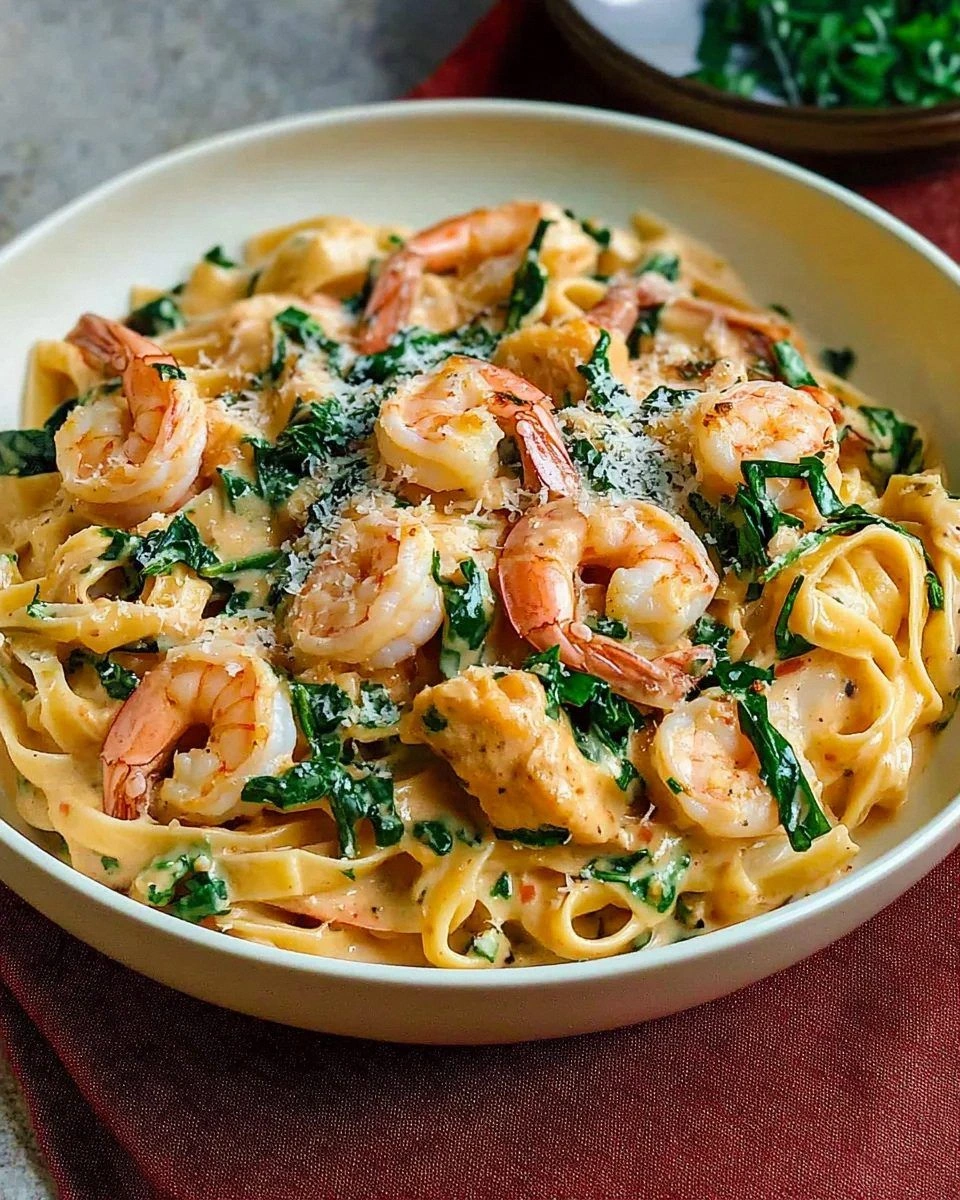
The moment the shrimp hit the sizzling pan, a sizzle like fireworks on a summer night erupted, and I swear the whole kitchen paused to listen. The sauce—rich, creamy, and speckled with bright green spinach—coated the linguine like velvet, each strand hugging the shrimp in a buttery embrace. The taste was an orchestra: sweet, briny shrimp, the tangy pop of sun‑dried tomatoes, a whisper of lemon zest, and that subtle heat from red pepper flakes that made your palate do a little happy dance. I could almost hear the pasta singing, “We’re home,” as the flavors melded together.
Most Tuscan shrimp pastas out there either drown the shrimp in a cloying cream or skip the fresh herbs that give it that unmistakable Italian soul. This version flips the script by using a splash of white wine to deglaze the pan, preserving the shrimp’s delicate texture while adding a bright acidity that cuts through the richness. I also toss in a handful of fresh basil at the end, which lifts the whole dish into a sun‑kissed Tuscan hillside, even if you’re stuck in a concrete jungle. And here’s the kicker: I’m using sun‑dried tomatoes, not the canned kind, for an intense umami punch that will make you question every tomato product you’ve ever bought.
Now, I’m not just bragging for the sake of bragging—this is hands down the best version you’ll ever make at home. I dare you to taste this and not go back for seconds. I’ll be honest — I ate half the batch before anyone else got to try it, and that’s saying something because the aroma alone could have fed an entire neighborhood. Okay, ready for the game‑changer? Let me walk you through every single step — by the end, you’ll wonder how you ever made it any other way.
What Makes This Version Stand Out
- Flavor Depth: The combination of sun‑dried tomatoes, white wine, and fresh lemon zest creates layers that unfold with each bite, delivering a taste that’s both bright and comforting.
- Texture Harmony: Al dente linguine, perfectly seared shrimp, and a sauce that clings without being heavy—each component plays its part like a well‑rehearsed symphony.
- Simplicity: Despite the gourmet vibe, the ingredient list is short, and the steps are straightforward enough for a weeknight dinner.
- Uniqueness: Most recipes skip the white wine deglaze; this step preserves shrimp juices and adds a subtle acidity that balances the cream.
- Crowd Reaction: Friends have called it “the pasta that made them cry happy tears,” and even the pickiest eaters ask for seconds without hesitation.
- Ingredient Quality: Using fresh, large shrimp and high‑quality Parmesan makes a noticeable difference in flavor and mouthfeel.
- Cooking Method: A quick sear followed by a gentle simmer ensures the shrimp stays tender while the sauce thickens just enough to coat.
- Make‑Ahead Potential: The sauce can be pre‑made and stored, allowing you to pull together a gourmet dinner in under 20 minutes on a busy night.
Alright, let's break down exactly what goes into this masterpiece...
Inside the Ingredient List
The Flavor Base
Olive oil and garlic are the foundation of any Italian dish, and here they work like a dynamic duo, with the oil providing a buttery canvas while the garlic adds an aromatic punch. If you skip the garlic, you’ll lose that unmistakable depth that makes the sauce sing. For an extra layer of flavor, try infusing the oil with a pinch of dried oregano before adding the garlic—just don’t let it burn, or you’ll get a bitter edge.
The Texture Crew
Large shrimp are the stars, and their size matters. Bigger shrimp mean a meatier bite and less chance of overcooking, which can turn them rubbery. If you can’t find large shrimp, opt for peeled and deveined tiger shrimp; they hold up well in the pan. The linguine’s long, flat shape is perfect for catching the sauce, but you could substitute with fettuccine or tagliatelle if that’s what you have on hand.
The Unexpected Star
Sun‑dried tomatoes bring a concentrated sweetness and a chewy texture that contrasts beautifully with the tender shrimp. Their umami intensity is what sets this dish apart from the typical creamy pasta. If you’re allergic to tomatoes or want a different flavor profile, try roasted red peppers—they’ll add a smoky sweetness that still pairs well with the cream.
The Final Flourish
Heavy cream and Parmesan cheese create a luxurious sauce that clings to every strand of pasta. The cream adds richness, while Parmesan introduces a salty, nutty finish. If you’re watching calories, you can substitute half the cream with low‑fat milk, but be prepared for a slightly thinner sauce. A final sprinkle of lemon zest brightens the dish, preventing it from feeling too heavy.
Everything's prepped? Good. Let's get into the real action...
The Method — Step by Step
Start by bringing a large pot of salted water to a rolling boil. Add the linguine and cook until just al dente—about 9 minutes. Remember, the pasta will finish cooking in the sauce, so you want it with a firm bite. Once done, reserve a cup of pasta water, then drain and set aside. This starchy water is liquid gold for adjusting sauce consistency later.
While the pasta cooks, heat 2 tablespoons of olive oil in a wide skillet over medium‑high heat. The oil should shimmer, not smoke—this is your cue that it’s hot enough. Toss in the minced garlic and let it sizzle for 30 seconds, releasing that heady aroma that makes your mouth water. Watch out: garlic burns faster than you think; keep a close eye, or you’ll end up with a bitter bite.
Now, add the shrimp in a single layer, seasoning them lightly with salt and pepper. You’ll hear a satisfying sizzle as the shrimp hit the pan—That sizzle when it hits the pan? Absolute perfection. Cook for about 2 minutes per side, just until they turn pink and start to curl. Overcooking is the biggest shrimp sin; they should be just opaque, not rubbery.
Once the shrimp are beautifully seared, remove them onto a plate and set aside.
Kitchen Hack: Keep the shrimp warm by loosely covering the plate with foil; this prevents them from cooling too quickly while you finish the sauce.In the same skillet, lower the heat to medium and add the sliced sun‑dried tomatoes. Let them soften for about a minute, soaking up the residual shrimp juices. Then pour in the half‑cup of dry white wine, scraping the browned bits from the pan—those are flavor fireworks. Allow the wine to reduce by half, which should take about 2‑3 minutes and will give the sauce a subtle acidity.
Next, stir in the heavy cream and bring the mixture to a gentle simmer. The sauce will begin to thicken, coating the back of a spoon. Add the grated Parmesan, stirring continuously until it melts into a silky texture. This is the moment of truth: the sauce should be glossy, not grainy. If it looks too thick, whisk in a splash of the reserved pasta water until you reach a velvety consistency.
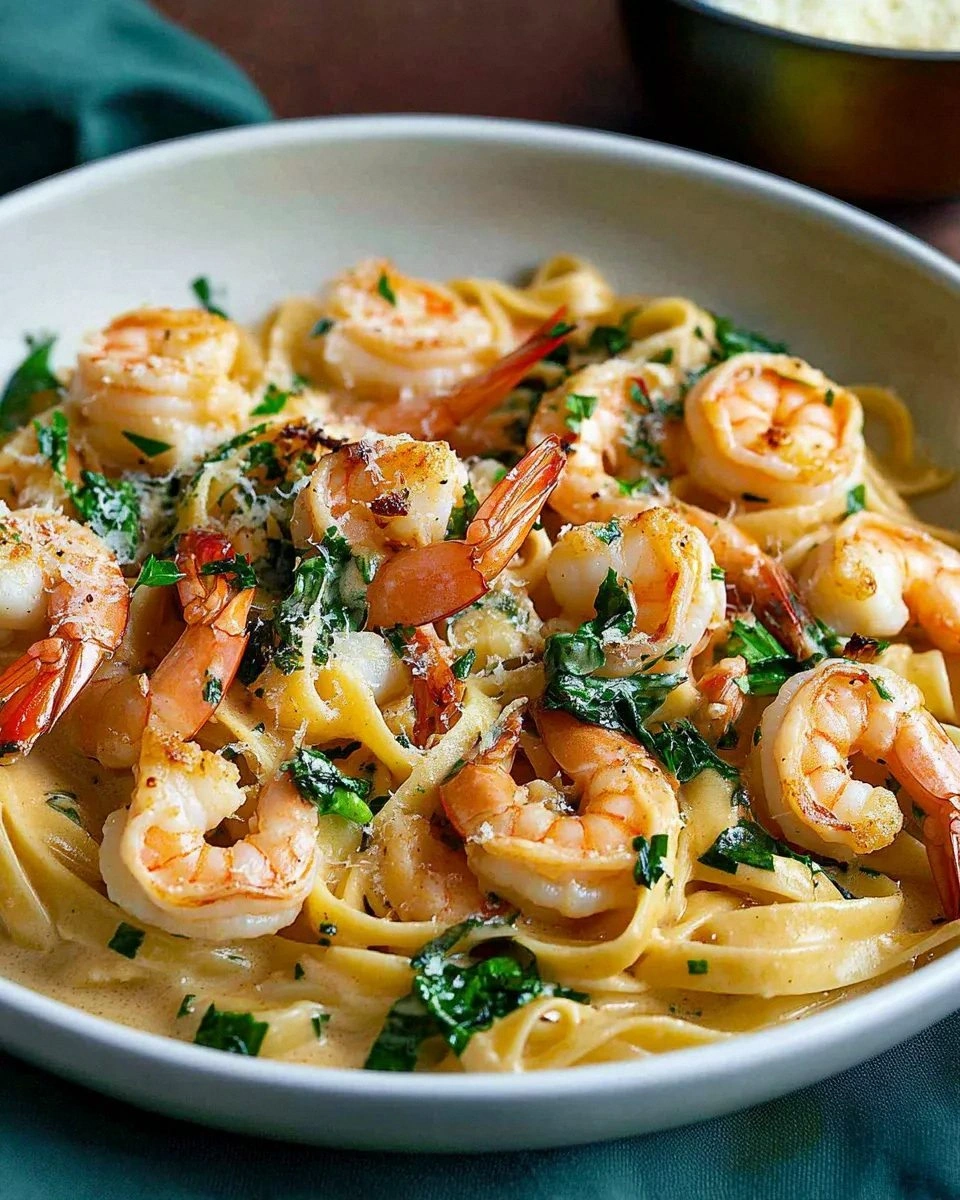
Now, fold in the fresh spinach leaves. They’ll wilt almost instantly, turning a deep, glossy green. Toss in the cooked linguine, the seared shrimp, and a generous pinch of red pepper flakes. Give everything a good toss so the pasta is evenly coated, and the shrimp are nestled within the creamy embrace. Taste and adjust seasoning with salt, pepper, and a burst of lemon zest for brightness.
Finally, remove the pan from heat and sprinkle torn basil leaves over the top. The residual heat will wilt the basil just enough to release its fragrant oils without losing its fresh snap. Serve immediately, offering extra Parmesan on the side for those who love a cheesy finish.
That's it — you did it. But hold on, I've got a few more tricks that'll take this to another level. Trust me, these little secrets are what turn a good dinner into a legendary one.
Insider Tricks for Flawless Results
The Temperature Rule Nobody Follows
Never cook the sauce on high heat. A gentle simmer allows the cream to thicken without curdling, preserving that luxurious mouthfeel. I once cranked the heat in a rush, and the sauce split like a bad breakup. Keep it low and slow, and you’ll get a sauce that clings like a lover’s embrace.
Why Your Nose Knows Best
Before you add the lemon zest, pause and inhale the sauce. If you detect a faint buttery scent with a hint of acidity, you’re ready. If it smells flat, a splash more wine or a pinch more Parmesan will revive it. Your nose is a better gauge than a timer for flavor balance.
The 5‑Minute Rest That Changes Everything
After plating, let the dish sit for five minutes. This rest period lets the flavors meld, allowing the shrimp to re‑absorb a touch of the sauce. I used to serve it immediately and missed out on that deep, harmonious finish. Trust the rest; it’s pure magic.
Salt Timing is Everything
Season the shrimp before searing, but hold back on salting the sauce until the very end. Salt draws moisture, and if you add it too early, the cream can become watery. A final pinch of sea salt just before serving lifts every note without diluting the sauce.
Finish with Fresh Herbs, Not Dried
Fresh basil at the end adds a pop of color and a burst of aroma that dried herbs can’t match. I once tried using dried oregano as a garnish and ended up with a flat, one‑dimensional dish. Fresh herbs are the sparkle that makes the whole plate sing.
Creative Twists and Variations
This recipe is a playground. Here are some of my favorite ways to switch things up:
Spicy Arrabbiata Remix
Swap the white wine for a splash of spicy arrabbiata sauce and increase the red pepper flakes. The heat will dominate, turning the dish into a bold, fiery experience perfect for those who love a kick.
Smoky Bacon Boost
Render 4 slices of crisp bacon, crumble them, and stir into the sauce just before adding the spinach. The smoky, salty crunch adds depth and makes the dish feel heartier, ideal for cooler evenings.
Vegan Velvet
Replace shrimp with marinated king oyster mushrooms and use coconut cream in place of heavy cream. The mushrooms provide a meaty texture, while the coconut adds a subtle sweetness that pairs nicely with the tomatoes.
Herbaceous Green
Swap spinach for kale and add a handful of fresh parsley and thyme. Kale’s sturdier leaves give a satisfying bite, and the extra herbs brighten the flavor profile for a garden‑fresh twist.
Citrus Burst
Incorporate orange zest alongside lemon, and finish with a drizzle of orange‑infused olive oil. The citrus duo creates a bright, summery vibe that’s perfect for al‑fresco dining.
Cheesy Overload
Mix in crumbled ricotta or a spoonful of mascarpone at the end of cooking for an extra creamy, dreamy texture. This indulgent version is perfect for special occasions when you want to wow guests.
Storing and Bringing It Back to Life
Fridge Storage
Cool the pasta to room temperature, then transfer it to an airtight container. It will keep for up to 3 days. When reheating, add a splash of water or broth and gently stir over low heat to revive the sauce’s silkiness.
Freezer Friendly
Separate the sauce from the pasta before freezing. Store the sauce in a freezer‑safe bag for up to 2 months, and the cooked linguine in a separate container for up to 1 month. Thaw overnight in the fridge, then combine and heat gently.
Best Reheating Method
Use a skillet over medium‑low heat, adding a tablespoon of water or broth per cup of pasta. Cover the pan for a minute, then uncover and toss until everything is heated through. The added moisture steams the pasta back to perfection without making it soggy.