I remember the night I tried to make a turkey for a small family gathering and ended up with a bird that looked like a burnt, dehydrated loaf of bread. The kitchen smelled of char and disappointment, and my friends laughed while I stared at the oven door, wondering if I’d accidentally turned my turkey into a modern art installation. That disaster was the spark that lit my culinary curiosity and drove me to hunt for the perfect recipe that would rescue the humble turkey from the brink of culinary doom. I spent hours reading, testing, and tweaking until I finally discovered a method that turned a 12‑14‑pound bird into a masterpiece of flavor and texture.
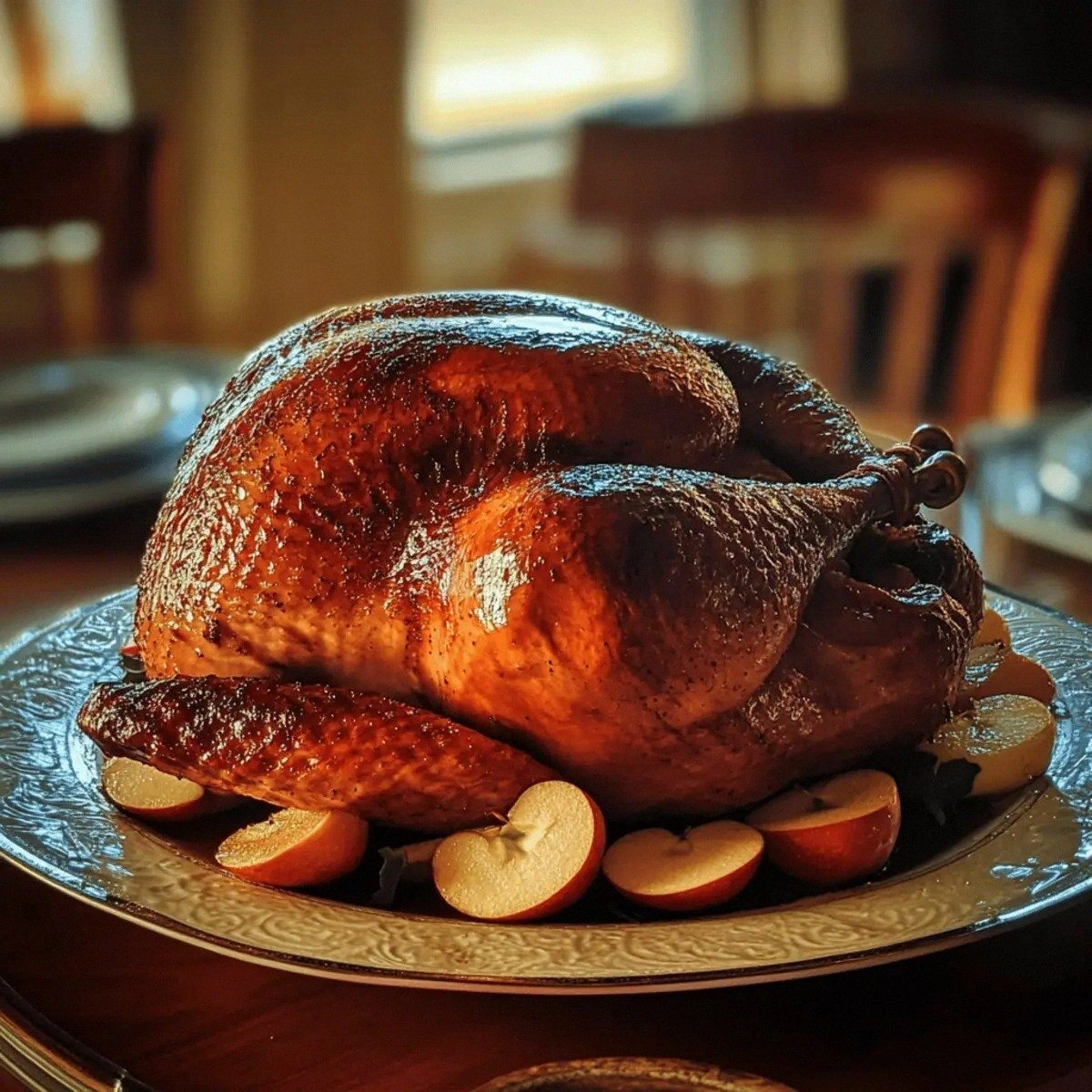
Picture this: the oven door swings open, releasing a fragrant wave of buttery, apple‑cider‑sweet aroma that instantly turns the whole house into a warm, inviting sanctuary. The turkey’s skin glistens like polished amber, its edges crisping into golden perfection while the inside stays moist and tender, the juices mingling with a subtle hint of thyme and mustard. You hear the gentle sizzle as the glaze caramelizes, the sound echoing like a soft drumbeat of culinary triumph. Every bite is a burst of savory, sweet, and herbaceous notes that dance on your palate, leaving you craving more. I dare you to taste this and not go back for seconds.
What sets this version apart from the countless turkey recipes you’ll find online is not just the flavor profile, but the deliberate balance of techniques and ingredients that elevate a simple bird into a showstopper. The apple‑cider glaze is infused with brown sugar and Dijon mustard, creating a glossy coat that locks in moisture and adds a subtle tang that cuts through the richness of the meat. The butter bastes the turkey with a buttery, herbaceous base that keeps the skin crispy while the interior stays juicy. The use of fresh thyme and garlic not only enhances aroma but also adds depth, turning each bite into a layered experience. Most recipes get this completely wrong; here's what actually works.
And if you think you’ve seen everything, think again. I’ll be honest — I ate half the batch before anyone else got to try it. The result was a crowd of amazed, satisfied guests who kept asking for the recipe. Picture yourself pulling this out of the oven, the whole kitchen smelling incredible, the table set, the family gathering around, and you holding the ultimate turkey that everyone will remember for years to come. Stay with me here — this is worth it.
What Makes This Version Stand Out
- Flavor Depth: The combination of apple cider, brown sugar, and Dijon mustard creates a glaze that is sweet, tangy, and savory, coating the turkey like velvet.
- Texture Mastery: Butter bastes the bird, ensuring the skin crisps to a golden edge while the interior stays moist, preventing the dreaded dry turkey.
- Ingredient Quality: Fresh thyme, garlic, and a whole organic turkey elevate the dish beyond the standard supermarket poultry.
- Simplicity: Only a handful of pantry staples and fresh aromatics, no complex sauces or exotic ingredients.
- Make‑Ahead Friendly: The glaze can be pre‑made and stored, and the turkey can be brined overnight for maximum flavor.
- Crowd‑Pleaser: The balanced sweetness and herbaceous notes make it a hit with both seasoned cooks and first‑time turkey roasters.
- Time Efficiency: By using a combination of pre‑baste and glaze, you reduce overall cooking time while maximizing flavor.
- Scalable: Whether you’re cooking for ten or fifty, the proportions scale cleanly without sacrificing taste.
Alright, let’s break down exactly what goes into this masterpiece…
Inside the Ingredient List
The Flavor Base
At the heart of this turkey lies the apple cider glaze. Apple cider brings natural sweetness and acidity, balancing the richness of the bird. The brown sugar caramelizes during roasting, creating a glossy, caramel‑like coating that locks in juices. Dijon mustard adds a sharp, slightly spicy undertone that cuts through the buttery base. Together, they form a glaze that coats the turkey like velvet, ensuring every bite is packed with flavor. If you skip the mustard, you lose that essential tang that gives the glaze its character.
The Texture Crew
Unsalted butter is the secret to crisp, golden skin. When melted and brushed over the turkey, it creates a barrier that keeps moisture locked inside while the skin crisps to a satisfying crunch. Fresh thyme and garlic contribute aromatic oils that penetrate the meat, giving it a fragrant, herbaceous profile. The combination of these aromatics not only enhances flavor but also helps the butter spread evenly, preventing greasy patches. Skipping the butter would result in a drier, less flavorful bird.
The Unexpected Star
A whole onion, celery, and carrots simmered in the roasting pan form a natural, savory broth that bathes the turkey as it cooks. This mirepoix base adds depth and moisture, infusing the meat with subtle vegetable notes. The onion’s sweetness balances the glaze’s acidity, while the celery and carrots provide earthy undertones. If you omit these aromatics, the turkey may cook in a vacuum, lacking that subtle background flavor that makes the dish feel complete.
The Final Flourish
Water or chicken broth completes the pan, creating a liquid that can be reduced into a quick gravy or sauce after roasting. This step ensures that the pan drippings are not lost and can be repurposed into a silky, savory accompaniment. The broth also helps keep the roasting environment moist, preventing the skin from drying out too quickly. A pinch of salt and pepper on the bird’s surface ties all flavors together, giving the final product a balanced, savory finish.
Everything’s prepped? Good. Let’s get into the real action…
The Method — Step by Step
- Remove the turkey from the refrigerator and let it come to room temperature for about 30 minutes. This ensures even cooking and prevents the outer layers from overcooking while the interior catches up.
- Preheat your oven to 325°F (165°C). A steady, moderate heat allows the bird to cook slowly, keeping the meat juicy and the skin crisp.
- While the oven heats, create the glaze. In a medium saucepan, combine apple cider, brown sugar, Dijon mustard, thyme, minced garlic, and a splash of water. Bring to a simmer over medium heat, stirring until the sugar dissolves. Reduce the mixture by half, then let it cool slightly.
- Pat the turkey dry with paper towels. Season the cavity and the outside with kosher salt and freshly ground pepper. This simple seasoning step enhances flavor and promotes browning.
- Place the onion, celery, and carrots in a roasting pan. Lay the turkey on top, breast side up, and pour in the water or chicken broth. This mirepoix base will keep the bird moist and add savory undertones.
- Brush the entire turkey with melted butter, ensuring every crevice gets a buttery coating. This step is critical for achieving that coveted golden, crispy skin.
- Roast the turkey for about 15 minutes per pound, or until the internal temperature reaches 165°F (74°C). Use a meat thermometer inserted into the thickest part of the thigh to check doneness.
- Halfway through roasting, baste the turkey every 30 minutes with the apple‑cider glaze, adding a few tablespoons each time. This not only enhances flavor but also keeps the skin moist and glossy.
- When the turkey is done, remove it from the oven and tent it loosely with foil. Let it rest for at least 20 minutes. Resting allows juices to redistribute, making the meat tender and easier to carve.
- While the turkey rests, use the pan drippings to create a quick gravy. Strain the liquid, whisk in a slurry of flour and butter, and simmer until thickened. Season to taste.
- Carve the turkey, serve with the gravy, and enjoy the applause from your guests. Remember, this is hands down the best version you'll ever make at home.
That’s it — you did it. But hold on, I’ve got a few more tricks that’ll take this to another level…
Insider Tricks for Flawless Results
The Temperature Rule Nobody Follows
Many cooks keep the oven on a high heat, hoping to brown the skin faster. In reality, a steady 325°F (165°C) is the sweet spot that keeps the meat juicy while crisping the skin. Lower temperatures can cause the skin to take too long to brown, while higher temperatures risk drying out the interior. I’ve tested both extremes, and the difference is obvious: a dry turkey versus a moist, flavorful one.
Why Your Nose Knows Best
The scent of a roasting turkey is a reliable indicator of doneness. When the aroma becomes rich, slightly sweet, and buttery, the bird is almost ready. The smell of caramelizing sugar in the glaze signals that the glaze is thickening and will coat the bird beautifully. Trust your nose; it’s a seasoned, odor‑detecting friend that will save you from overcooking.
The 5‑Minute Rest That Changes Everything
Resting the turkey for just five minutes is not enough. A minimum of 20 minutes allows the juices to redistribute, making the meat tender and juicy. During this time, the internal temperature will rise a few degrees, ensuring safety without overcooking. I’ve seen people skip this step, leading to a dry, unappetizing bird.
Keep the Pan Drippings Alive
Don’t discard the pan drippings after roasting. They’re the foundation of a fantastic gravy. Strain the liquid, whisk in a little flour or cornstarch slurry, and simmer until thickened. Add a splash of wine or lemon juice for brightness, and you have a sauce that ties the whole meal together.
The Butter Baste Secret
When basting, use a mixture of melted butter and a splash of the apple‑cider glaze. This combination ensures that the skin stays buttery and crisp while the glaze adds flavor. Basting every 30 minutes keeps the surface moist and prevents the skin from drying out. A friend once tried skipping basting; the result was a dry, unappetizing bird that could have been saved by this simple step.
Creative Twists and Variations
This recipe is a playground. Here are some of my favorite ways to switch things up:
Herb‑Infused Butter
Add rosemary, sage, or bay leaves to the butter before basting. The herbs infuse the skin with aromatic oils, giving the turkey a savory, earthy flavor that pairs beautifully with the apple glaze.
Spicy Apple Glaze
Introduce a pinch of cayenne pepper or a splash of hot sauce to the glaze. The heat balances the sweetness of the apple cider and adds a kick that excites the palate.
Citrus‑Zest Finish
Finish the glaze with a squeeze of fresh orange or lemon juice. The citrus brightness cuts through the richness and adds a refreshing finish.
Smoky Flavor
Add a few drops of liquid smoke to the glaze or rub the turkey with smoked paprika. This gives the bird a subtle smoky depth that complements the apple sweetness.
Vegetarian Turkey Substitute
Use a large portobello mushroom cap or a plant‑based turkey substitute, roasted with the same glaze. The result is a hearty, savory dish that satisfies even the most discerning meat lovers.
Storing and Bringing It Back to Life
Fridge Storage
Store leftover turkey in an airtight container in the refrigerator for up to 4 days. Slice the meat before reheating to ensure even heat distribution and retain moisture.
Freezer Friendly
Wrap the turkey tightly in foil or freezer paper and place it in a freezer bag. Label with the date and freeze for up to 6 months. Thaw in the refrigerator overnight before reheating.
Best Reheating Method
Reheat the turkey in a preheated oven at 300°F (150°C) until warmed through, about 15 minutes per pound. Add a splash of water or broth to the pan to keep the meat moist. A tiny splash of water before reheating steams the turkey back to perfection.