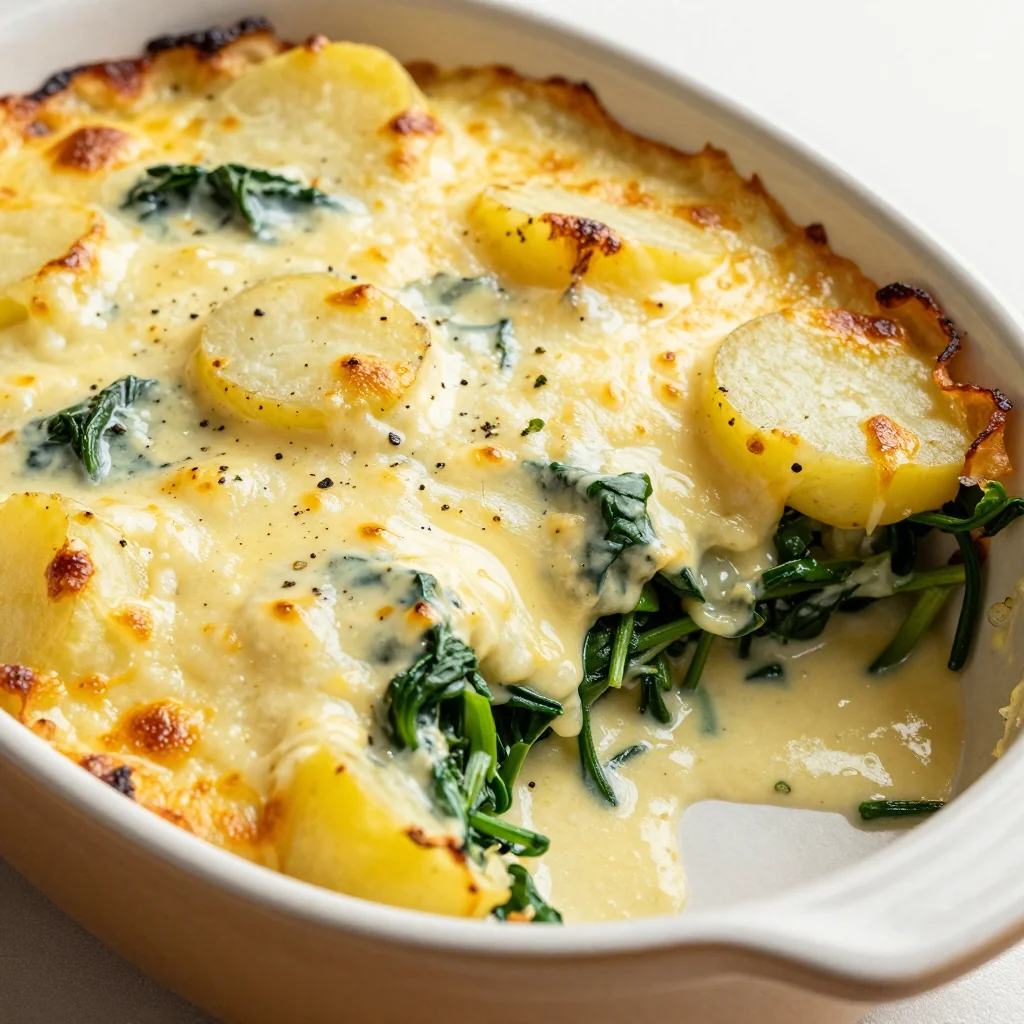
Love this? Pin it for later! 📌
Budget-Friendly Cabbage and Sausage Skillet for Filling Family Meals
When the pantry feels bare and the clock is screaming dinner, this one-pan cabbage and sausage skillet swoops in like a weeknight superhero. My grandmother called it “humble hash,” but don’t let the modest name fool you—every bite is smoky, buttery, and comforting in the way that makes shoulders drop and conversation flow. I first cobbled it together during a blizzard when the kids were tiny, the fridge held nothing but a wilting cabbage and three lonely sausages, and the power was flickering like a bad horror movie. Thirty minutes later we were huddled around the stove, forks battling for the caramelized edges, and the snow outside felt like a distant rumor. Since then it’s become our Friday-night ritual: homework papers pushed aside, plates passed family-style, and the sizzle of the skillet providing the soundtrack. It’s the recipe I text to new-parent friends when they’re too exhausted to think, the one I bring in a foil pan to potlucks where it disappears before the salad hits the table, and the dish my teenagers can cook blindfolded when it’s their turn to feed the crew. Budget-friendly? Absolutely. But more importantly, it’s memory-friendly—every time the smell of smoky sausage hits hot cabbage, we’re back in that warm kitchen while the world turns white outside.
Why This Recipe Works
- One pan, one planet: Minimal dishes and a tiny grocery list keep both your wallet and your dishwasher happy.
- Smoky-sweet alchemy: Sausage fat renders and coats the cabbage, turning budget produce into silk.
- Pantry flex: Swap kielbasa for Italian, add leftover rice, or toss in that half bag of frozen corn—everything works.
- Under 30 minutes: From fridge to table faster than delivery, and you control the salt and fat.
- Kid-approved veg: Cabbage sweetens as it browns; even the pickiest eater asks for seconds.
- Double-duty leftovers: Tuck into grilled cheese, top baked potatoes, or fold into omelets tomorrow.
- Gluten-free & low-carb: Naturally fits most dietary needs without tasting like compromise.
Ingredients You'll Need
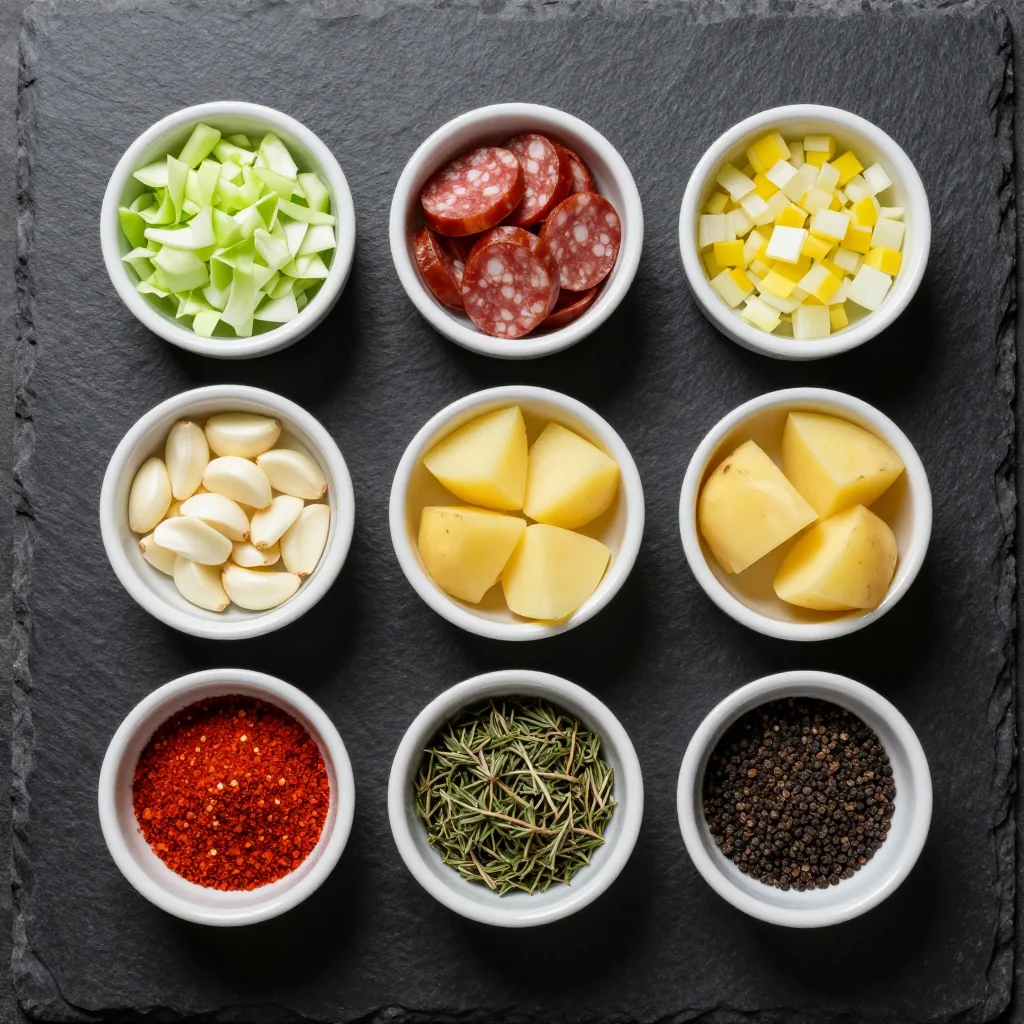
Great meals start with smart shopping, and this skillet is a masterclass in coaxing maximum flavor from humble staples. Look for a cabbage that feels heavy for its size, with tightly furled leaves and no brown freckles—stores keep them misted, so shake off excess water to avoid splatter later. Green cabbage is classic, but red cabbage will dye the sausage a festive fuchsia that kids adore; savoy cooks faster and tastes sweeter, so shave two minutes off the timer if you go that route.
When it comes to sausage, the cheaper links are actually preferable here; premium artisan sausage can be lean, and you need that rendered fat to bronze the cabbage. If you’re feeding spice-sensitive littles, stick with Polish kielbasa or a mild smoked sausage. Heat seekers can grab Andouille or a jalapeño cheddar link—just taste near the end and add a pinch of brown sugar if the spice feels aggressive.
Onion forms the aromatic backbone; yellow keeps it classic, but a leftover half of a sweet Vidalia will caramelize even faster. Keep the garlic cloves fat—minced fine, they burn in the high heat. A dab of tomato paste (the stuff in the tube lasts forever) deepens color and umami, but if you only have ketchup, swap in 1 tablespoon and drop the honey listed later.
For the deglazing liquid, chicken broth is king, but saved pasta water works in a pinch. Want to make it vegetarian? Use plant-based sausage and swap broth for beer—yes, beer. The malt echoes the sweetness in cabbage and the bitterness balances the richness. Choose a lager or a mild amber; hoppy IPAs turn the dish sharp and grassy.
How to Make Budget-Friendly Cabbage and Sausage Skillet for Filling Family Meals
Prep & slice everything first
Cabbage waits for no one once the pan is hot. Halve the head through the core, then lay each half cut-side down and slice into ½-inch ribbons. Keep the core attached—it holds layers together so you don’t get cabbage confetti. Slice sausage on the bias; the angled edges sear better and feel fancier even when dinner is frantic. Dice onion, mince garlic, and whisk together broth, mustard, and honey in a measuring cup so you can pour with your dominant hand while the other hand tosses.
Start cold, render fat
Place sausage coins in a 12-inch stainless or cast-iron skillet and cover with ¼ cup water. Turn heat to medium and let the water simmer away; the gradual temperature rise melts fat without burning. Once the water evaporates and edges caramelize (about 6 minutes), remove sausage with a slotted spoon. You should have 2–3 tablespoons of glossy orange fat—enough to coat the cabbage like liquid sunshine.
Bloom onion & garlic
Drop heat to medium-low, add onion and a pinch of salt, and scrape the fond (those brown bits) with a wooden spoon. Cook 3 minutes until translucent, then stir in garlic and tomato paste for 45 seconds—just until the paste turns brick red. Tomato paste loves to scorch, so keep it moving like you’re whisking a shy child onto the dance floor.
Pile on the cabbage—yes, all of it
It will tower like a green volcano, but cabbage wilts to a third of its volume. Drizzle with 1 teaspoon oil, season with ½ teaspoon salt and plenty of cracked pepper, then toss with tongs until leaves glisten. Pat it into an even layer and walk away for 2 minutes. Letting it sit develops those coveted leopard spots that taste like bacon candy.
Deglaze & steam
Pour the broth mixture around the edges rather than on top; it keeps the cabbage crisp. Immediately cover with a lid (a baking sheet works if yours is MIA) and steam 4 minutes. The liquid loosens the browned bits, creating an automatic sauce that tastes slow-simmered even though you’re minutes away from hangry humans.
Return sausage, finish hot
Uncover, bump heat back to medium, and fold in sausage plus any juices. Cook 2–3 minutes more until cabbage is tender-crisp and sauce clings like glossy BBQ. Taste for salt; store-bought sausage varies wildly. If it feels flat, add a splash of apple-cider vinegar. If too tart, a pinch more honey. You want sweet, smoky, tangy harmony.
Serve straight from the skillet
Scatter chopped parsley for color and a squeeze of lemon to wake up the smoky depths. Set the pan on a trivet and hand out forks—family-style means fewer dishes and more togetherness. If you’re feeling fancy, grate a snowfall of Parmesan, but honestly, it’s perfect as is.
Expert Tips
Control the heat, control the burn
Cabbage contains natural sugars that go from caramel to bitter in seconds. If you smell acrid smoke, lower the heat immediately and splash 2 tablespoons water to cool the pan.
Knife skills = faster dinner
A dull knife bruises cabbage, releasing sulfurous compounds that smell like old gym socks. Hone your chef’s knife before you start; you’ll shave five minutes off prep and avoid the stink.
Sausage too lean?
If you spring for chicken or turkey sausage, add 1 tablespoon butter or olive oil in step 2. Without enough fat, the cabbage tastes steamed instead of fried.
Make it nightshade-free
Skip tomato paste and stir 1 teaspoon smoked paprika into the onion instead. You’ll keep the brick-red color without the nightshades for sensitive eaters.
Double batch = double win
Use a Dutch oven and double everything except the salt—cabbage shrinks less in volume when the pot is crowded. You’ll have lunches all week and the flavor improves overnight.
Stretch the meat
Dice one extra potato and add with the onion. The starch soaks up fat and doubles the servings without anyone noticing the sausage was light.
Variations to Try
-
Creole Kick
Swap sausage for Andouille, add ½ teaspoon cayenne, and finish with a splash of Crystal hot sauce. Serve over white rice with a cold Abita beer.
-
Garden-Friendly
Fold in 2 cups baby spinach and 1 grated carrot during the last 2 minutes. The colors stay vibrant and you’ve smuggled in extra veggies.
-
German Oktoberfest
Use bratwurst, replace broth with hard apple cider, and stir in 1 teaspoon caraway seeds. Top with grainy mustard and serve with soft pretzels.
-
Low-Carb Keto
Add 4 strips chopped bacon, double the sausage, and finish with shredded sharp cheddar. The macros land at 4g net carbs per serving.
Storage Tips
Let the skillet cool completely before you pack it up; trapped heat creates condensation that turns cabbage into limp ribbons. Transfer to shallow glass containers so it chills within the food-safety window (under two hours). In the fridge it keeps 4 days, though the sausage flavor intensifies each night—day-three leftovers taste like you planned ahead for a barbeque joint.
To freeze, portion into zip bags, press out every molecule of air, and lay flat on a sheet pan until solid. The cabbage will be softer upon thawing, but the taste holds admirably for 3 months. Reheat straight from frozen in a non-stick skillet with a splash of broth over medium-low, breaking up clumps with a silicone spatula until steaming.
If you’re meal-prepping for grab-and-go lunches, tuck cold spoonfuls into whole-wheat wraps with a swipe of Dijon. They microwave for 60 seconds without exploding, and the cabbage acts like a built-in ice pack until lunchtime.
Frequently Asked Questions

Budget-Friendly Cabbage and Sausage Skillet
Ingredients
Instructions
- Cold-start the sausage: Place sausage in a large dry skillet, add ¼ cup water, cover, and bring to a simmer over medium heat. When water evaporates and sausage browns, 6–7 minutes, transfer to a plate.
- Build the base: Add olive oil to the rendered fat. Sauté onion with a pinch of salt until translucent, 3 minutes. Stir in garlic and tomato paste; cook 45 seconds.
- Add cabbage: Pile in cabbage, season with salt and pepper, and toss to coat. Pat into an even layer and cook undisturbed 2 minutes for char.
- Deglaze: Whisk broth, mustard, and honey together; pour around the edges. Cover and steam 4 minutes.
- Finish: Return sausage and juices. Toss and cook uncovered 2–3 minutes until sauce thickens. Finish with vinegar, taste for salt, and shower with parsley.
- Serve: Spoon into bowls or serve straight from the skillet with crusty bread.
Recipe Notes
For extra caramelization, use cast iron and resist the urge to stir too often. Leftovers reheat like a dream in a microwave, but a hot skillet returns the crisp edges.