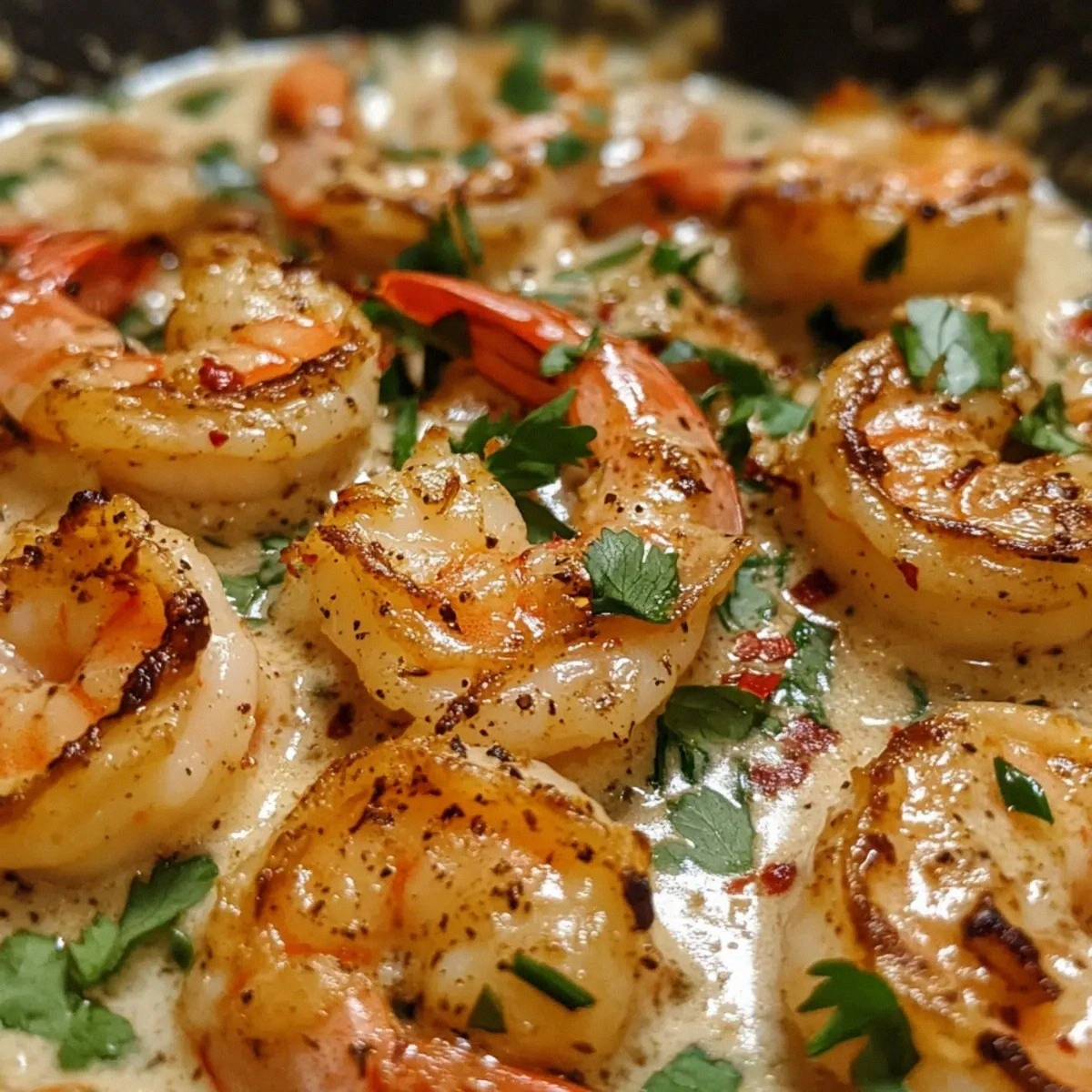
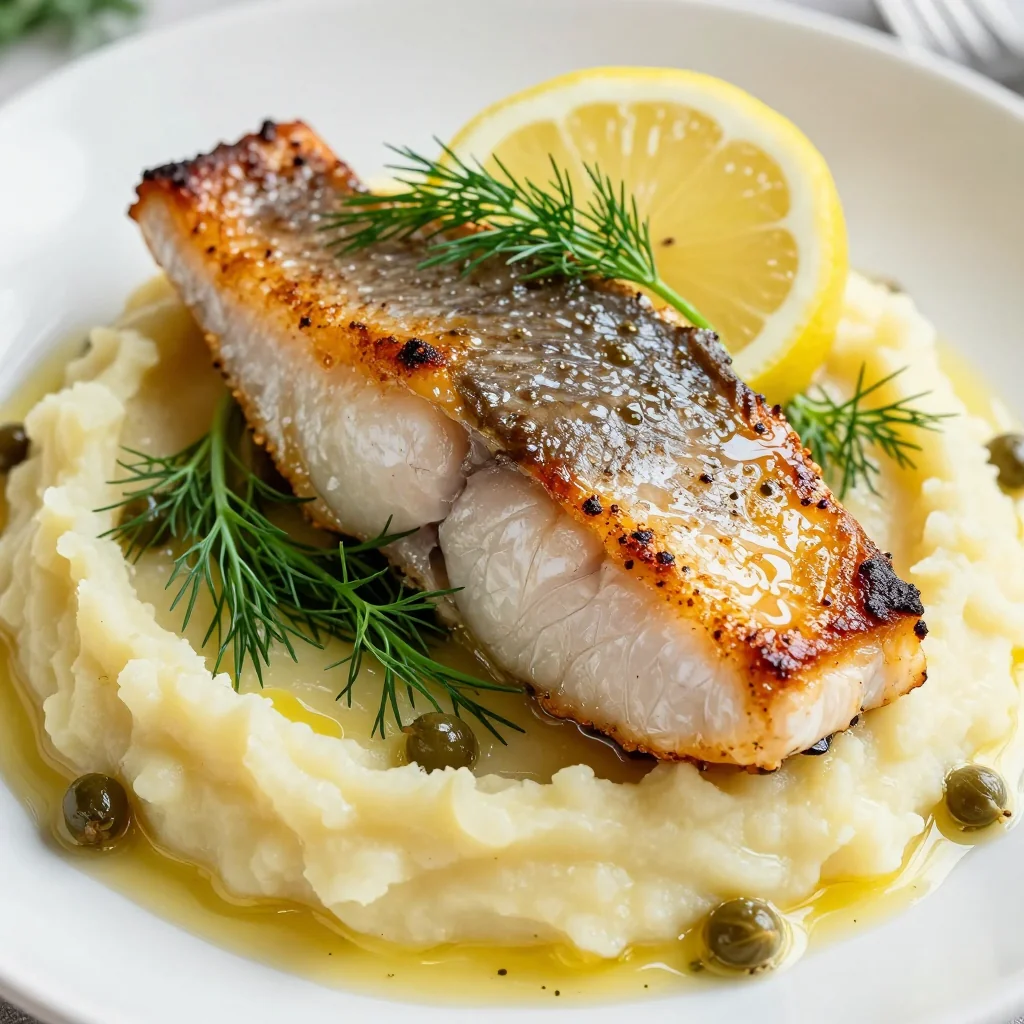
I’m going to be brutally honest: the first time I tried to make a cabbage pie, it turned out looking like a sad, soggy blanket that even my dog wouldn’t touch. I was in the middle of a rainy Thursday, the kind where the clouds are so thick you can hear them breathing, and I had a sudden craving for something that felt like a warm hug wrapped in a crisp golden crust. My pantry was whispering, “use that half‑head of cabbage, those green onions, and whatever you have in the fridge.” I tossed the ingredients together, set the oven to a hopeful 375°F, and waited. When the timer dinged, the kitchen was filled with a scent that could have coaxed a statue to weep—earthy cabbage, buttery crust, and a tangy dill perfume that made my eyes water in the best possible way.
Picture this: the pie pulling itself away from the pan with edges that shatter like thin ice, the top gleaming with a buttery sheen that catches the light like a polished gemstone. You slice into it and the steam rises, carrying a buttery, slightly nutty aroma that makes you want to inhale deeply and never let go. The first bite is a symphony—crunchy, buttery crust giving way to a tender, caramelized cabbage filling that’s kissed by the subtle heat of garlic powder and the bright zing of lemon juice. Then, just when you think you’ve reached the pinnacle, the dill cream sauce arrives, smooth as silk and herbaceous as a summer garden after a rainstorm, coating every morsel like a luxurious blanket.
What sets this version apart from the countless cabbage pies that wander the internet? Most recipes either skip the crucial step of caramelizing the cabbage, resulting in a mushy mess, or they drown the whole thing in a sauce that makes the crust soggy. I’ve cracked the code by giving the cabbage a proper sauté, using gluten‑free flour for a light yet sturdy crust, and finishing with a dill cream that stays on the surface without soaking in. The secret weapon? A dash of Dijon mustard in the batter that adds depth and a whisper of tang, making every bite feel like a surprise party for your palate. I dare you to taste this and not go back for seconds—because once you’ve experienced this crunchy‑soft, creamy‑tangy dance, you’ll wonder how you ever survived without it.
Okay, ready for the game‑changer? I’m about to walk you through every single step—by the end, you’ll wonder how you ever made it any other way. From the precise way to slice the cabbage so it cooks evenly, to the exact moment you should add the lemon juice to the sauce so it doesn’t curdle, I’ve got you covered. Stay with me here — this is worth it. Let’s dive in and turn a humble head of cabbage into the star of your dinner table.
⚡ What Makes This Version Stand Out
- Flavor Fusion: The Dijon mustard in the batter adds a subtle heat that pairs perfectly with the dill sauce, creating layers of flavor that keep you guessing with every bite.
- Texture Triumph: Caramelized cabbage gives a sweet‑nutty crunch, while the crust stays flaky and golden, delivering a satisfying contrast that most pies lack.
- Simplicity at Its Best: Only ten ingredients, all pantry‑friendly, mean you won’t need a special trip to the store—just a bit of love and a skillet.
- Unique Twist: The dill cream sauce is added after baking, preserving the crust’s crunch and ensuring the sauce stays silky, not soggy.
- Crowd Reaction: This pie has a reputation for clearing plates in seconds; I’ve seen entire families line up for seconds—no joke.
- Ingredient Quality: Fresh dill and green onions bring brightness, while the sour cream adds just enough tang without overwhelming the dish.
- Cooking Method Mastery: A two‑stage bake—first a high‑heat blast for the crust, then a gentle finish—locks in moisture while keeping the top crisp.
- Make‑Ahead Magic: Assemble the pie a day ahead, refrigerate, and bake when you’re ready; the flavors meld even deeper, making it an ideal make‑ahead dinner.
Alright, let's break down exactly what goes into this masterpiece...
🍋 Inside the Ingredient List
The Flavor Base
Green onions are the aromatic backbone of this pie. Their mild oniony bite brightens the cabbage without overwhelming it, and they also add a pop of color that makes the dish look as good as it tastes. If you skip them, you’ll lose that fresh, garden‑like zing that balances the richness of the crust. As a swap, you can use shallots for a slightly sweeter note, but keep the quantity the same to maintain the flavor profile.
The Texture Crew
Gluten‑free flour and baking powder create a light, airy batter that holds the cabbage together while staying crisp on the edges. The flour’s fine texture ensures the crust doesn’t become gummy, and the baking powder gives it that lift you crave in a pie crust. If you’re not strictly gluten‑free, a mix of all‑purpose and almond flour works wonders, adding a nutty undertone. Skipping the baking powder will result in a dense, heavy base—definitely not the airy delight we’re after.
The Unexpected Star
Dijon mustard may seem like a sidekick, but it’s the secret hero that brings depth and a subtle sharpness to the batter. Its fermented flavor cuts through the richness of the cheese and sour cream, preventing the pie from feeling one‑dimensional. If you’re allergic to mustard, a teaspoon of whole‑grain mustard or even a splash of apple cider vinegar can mimic the tangy lift.
The Final Flourish
Fresh dill and lemon juice in the sauce are the finishing touches that elevate the entire dish. Dill offers an herbaceous brightness that pairs beautifully with the creamy sour cream, while lemon juice adds a crisp acidity that prevents the sauce from feeling heavy. When selecting dill, look for bright green stems with a fresh, slightly citrusy aroma—if it smells wilted, it’s past its prime. For a dairy‑free version, substitute the sour cream with coconut yogurt and the cheese with a vegan cheddar; the flavor will shift, but the texture stays luxurious.
Everything's prepped? Good. Let's get into the real action...

🔥 The Method — Step by Step
Start by trimming the cabbage and shredding it into thin ribbons—think of it as creating a confetti of green that will later caramelize into sweet, golden nuggets. Heat 2 tablespoons of olive oil in a large skillet over medium‑high heat; you’ll hear a gentle sizzle that’s the sound of flavor beginning to build. Toss the shredded cabbage into the pan, spreading it out so it cooks evenly, and season with a pinch of salt and the garlic powder. Let it sit undisturbed for about 2 minutes, then stir; you’ll notice the edges turning a deep amber—this is the caramelization stage that gives the pie its signature sweet‑nutty bite. Once the cabbage is soft yet still retains a slight bite, remove it from heat and set aside.
While the cabbage cools, whisk together the eggs, sour cream, and Dijon mustard in a medium bowl. The mixture should look glossy and slightly thick, like a luxurious custard ready to bind everything together. Add the gluten‑free flour and baking powder, whisking until the batter is smooth and free of lumps; this is where the magic of the crust begins to form. Stir in the shredded cheese, letting it melt into the batter, creating a velvety base that will later turn golden and crisp. Finally, fold in the chopped green onions, reserving a handful for garnish later.
Preheat your oven to 425°F (220°C) and line a 9‑inch pie dish with parchment paper, then lightly grease the sides with olive oil. This high initial temperature will give the crust an immediate blast of heat, ensuring those coveted crispy edges. Spoon the caramelized cabbage evenly into the dish, pressing it down gently so it forms a compact layer—think of it as building a sturdy foundation for the upcoming batter.
Now pour the batter over the cabbage, using a spatula to spread it evenly. The batter should sit just a few millimeters above the cabbage, creating a thin veil that will puff up during baking. This is the moment of truth: the batter must be thin enough to crisp but thick enough to hold the filling together. Sprinkle the remaining green onions on top for a burst of color and a hint of fresh onion flavor that will pop after baking.
Slide the pie into the preheated oven and bake for 12 minutes, then reduce the temperature to 375°F (190°C) and continue baking for another 18 minutes. You’ll know it’s done when the crust is a buttery gold and the edges start pulling away from the pan, creating that satisfying “thin‑ice” crackle. If you tap the surface, it should sound hollow, a sign of a perfectly baked crust. Remove the pie and let it rest on a cooling rack for 5 minutes; this short rest allows the interior to set, making slicing easier.
While the pie rests, whisk together the dill, lemon juice, a pinch of salt, and a splash of olive oil in a small bowl. The dill should be finely chopped, releasing its aromatic oils that will mingle with the lemon’s brightness. Slowly drizzle in the sour cream, whisking continuously until the sauce becomes smooth and glossy—this is your dill cream sauce, a silky veil that will coat the pie like velvet.
Drizzle the dill cream sauce generously over the hot pie, letting it cascade down the sides and seep into the crust’s crevices. The heat from the pie will gently melt the sauce, creating a glossy finish that looks restaurant‑worthy. Sprinkle a final pinch of fresh dill and a grind of black pepper for that finishing touch. Serve immediately while the crust is still crisp, and watch your guests’ faces light up as they take that first bite.
That’s it — you did it. But hold on, I've got a few more tricks that'll take this to another level. A quick dusting of smoked paprika adds a whisper of smoky depth, and a side of tangy pickled beets can balance the richness with a sweet‑sour pop. Feel free to experiment, but remember: the core of this pie is the harmonious dance between the caramelized cabbage, the buttery crust, and the dill cream that ties everything together. Enjoy, and don’t forget to brag about your culinary victory!
🏆 Insider Tricks for Flawless Results
The Temperature Rule Nobody Follows
Most home cooks bake pies at a steady 350°F, thinking it’s the safest route. In reality, a hot start (425°F) creates an instant steam burst that lifts the crust, while the later lower temperature prevents burning. I once tried the “steady 350” method and ended up with a soggy bottom—never again. Trust the two‑stage heat; it’s the secret to that perfect, airy bite that feels like a cloud.
Why Your Nose Knows Best
Don’t rely solely on timers; the aroma is a reliable indicator. When the edges start to smell nutty and the top releases a buttery perfume, you’re at the cusp of perfection. If the scent turns overly caramelized, pull the pie out a minute early to avoid bitterness. Your nose is a built‑in kitchen timer—listen to it.
The 5‑Minute Rest That Changes Everything
After baking, let the pie sit for exactly five minutes. This short rest lets the steam redistribute, firming up the interior and preventing the crust from collapsing when sliced. Skipping this step is a common rookie mistake that leads to a messy plate and a disappointed palate.
Dill Freshness Test
Before you chop, crush a single dill leaf between your fingers. If it releases a bright, almost citrusy scent, it’s fresh. If it smells dull or musty, replace it—nothing ruins a delicate sauce faster than wilted herbs. Fresh dill is the difference between a sauce that sings and one that merely whispers.
Olive Oil vs. Butter Debate
I’ve tested both, and while butter gives a richer flavor, olive oil provides a higher smoke point, ensuring the crust stays crisp without burning. My personal favorite is a 50/50 blend: you get the buttery depth and the stability of oil. Experiment and find your sweet spot, but never skip the fat—without it, the crust collapses.
🎨 Creative Twists & Variations
This recipe is a playground. Here are some of my favorite ways to switch things up:
Smoky Bacon Boost
Crumble half a cup of cooked bacon into the cabbage before baking. The smoky, salty crunch pairs beautifully with the dill sauce, turning the pie into a hearty brunch centerpiece. Bacon lovers will thank you.
Cheesy Goat Delight
Swap the half‑cup of regular cheese for a mix of goat cheese and feta. The tangy, creamy notes elevate the dish, making it perfect for a sophisticated dinner party. Serve with a glass of crisp white wine for maximum impact.
Spicy Kick
Add a teaspoon of smoked paprika and a pinch of cayenne to the batter. The subtle heat weaves through the sweet cabbage, creating a balanced flavor profile that’s both comforting and exciting. Perfect for those who love a little fire.
Vegan Version
Replace the eggs with a flax‑egg (1 tbsp ground flaxseed + 3 tbsp water) and use coconut yogurt instead of sour cream. Swap the cheese for a vegan cheddar shreds. The texture remains delightful, and the dill sauce stays creamy.
Herb Garden Medley
Mix in a handful of chopped parsley, chives, and tarragon with the dill. This herbaceous blend adds complexity and a fresh garden vibe, perfect for springtime meals when you have an abundance of greens.
❄️ Storing & Bringing It Back to Life
Fridge Storage
Allow the pie to cool completely, then cover it loosely with foil and store in the refrigerator for up to 3 days. The crust will retain most of its crispness, and the dill sauce stays fresh. Reheat in a preheated 350°F oven for 10‑12 minutes, uncovered, to revive the crunch.
Freezer Friendly
Wrap the cooled, uncut pie tightly in plastic wrap followed by a layer of aluminum foil. It freezes beautifully for up to 2 months. When ready to serve, thaw overnight in the fridge, then bake at 375°F for 15‑20 minutes, adding a splash of water to the sauce before reheating to restore its silkiness.
Best Reheating Method
For the ultimate reheated experience, place the slice on a baking sheet, brush the top lightly with olive oil, and bake at 425°F for 5 minutes. The edges will re‑crisp, and the interior will warm through without becoming soggy. Add a tiny splash of water to the sauce before drizzling—it steams back to perfection.