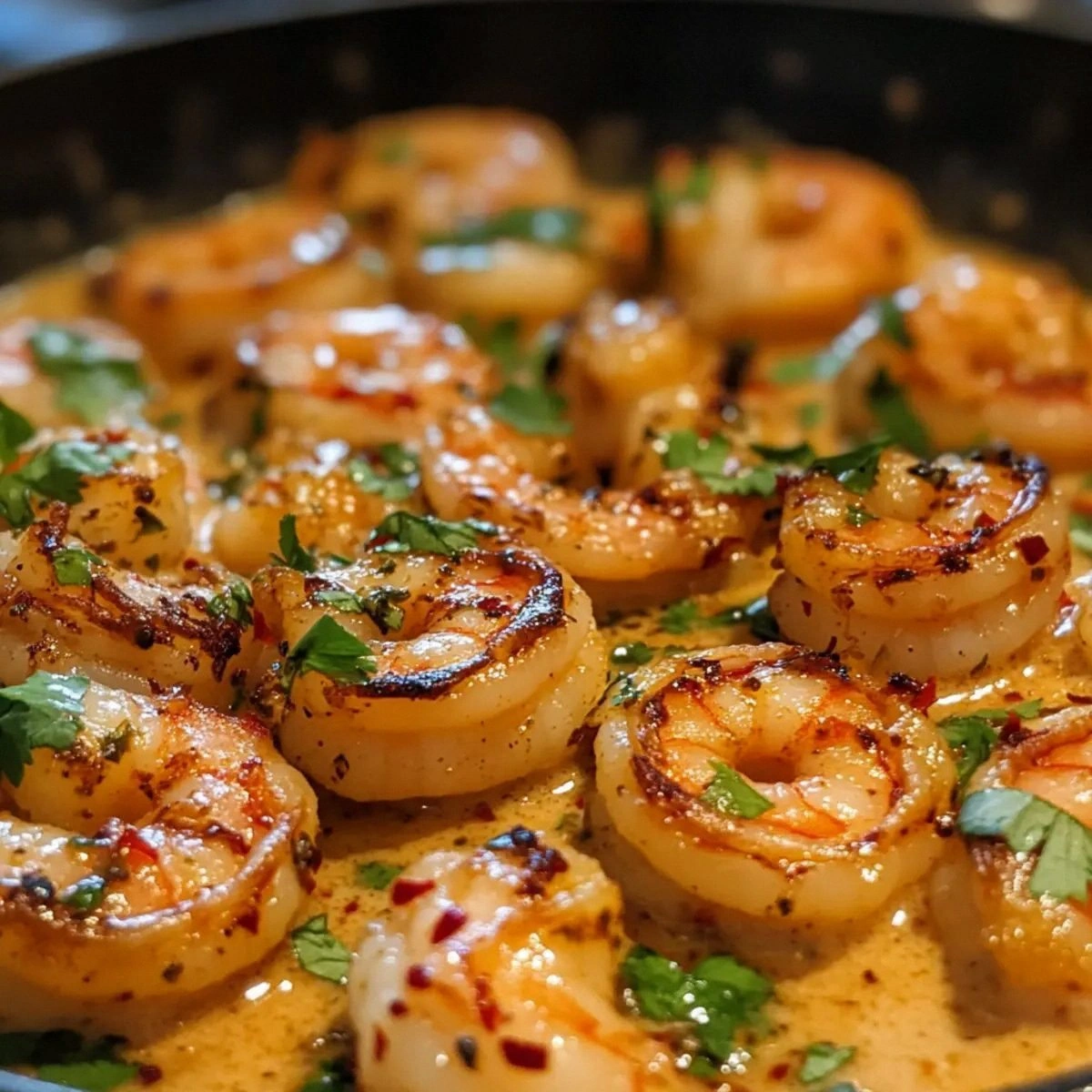
I was standing in my kitchen, staring at a half‑finished stir‑fry, when a sudden craving for something creamy, garlicky, and just a little tropical hit me like a wave. I grabbed a handful of shrimp, a can of coconut milk, and a clove of garlic, and before I knew it I’d turned a simple panic into a culinary revelation. The moment the butter hit the pan, it sang a sizzle that could have been a love song, and the aroma of garlic and onion swirled through the apartment like a warm hug from a distant island. I dared myself to finish the dish in under thirty minutes, and the result was a bowl of pure, buttery bliss that made my taste buds do a happy dance.
Picture this: the first bite hits you with the sweet, nutty richness of coconut milk, followed by a punch of garlic that’s bright but not overpowering, and then the shrimp—perfectly pink, tender, and just a whisper of sea‑salt on the tongue. The sauce clings to each morsel like a silky veil, while a splash of lime juice adds a zing that cuts through the richness, leaving you wanting more. I’ll be honest — I ate half the batch before anyone else got a chance, and that’s saying something because the aroma was practically begging for seconds. If you’ve ever struggled with shrimp that turns rubbery or a sauce that separates, you’re not alone — I’ve been there, and I’ve cracked the code.
What makes this version truly stand out is a tiny but mighty trick: a quick cornstarch slurry that locks in the creaminess and prevents the coconut milk from curdling, plus a dash of fish sauce that adds umami depth you didn’t even know you were missing. Most recipes get this completely wrong by either overcooking the shrimp or letting the sauce split, but here we keep everything glossy and luscious. I’m throwing in a pinch of sweet paprika for a subtle smoky note, and the final garnish of fresh cilantro adds a burst of herbaceous freshness that lifts the whole dish. Okay, ready for the game‑changer? Let me walk you through every single step — by the end, you’ll wonder how you ever made it any other way.
What Makes This Version Stand Out
- Taste: The harmony of sweet coconut, garlicky heat, and tangy lime creates a flavor profile that’s both comforting and exotic, making every bite unforgettable.
- Texture: The shrimp stay juicy thanks to a brief, high‑heat sear, while the sauce stays velvety thanks to the cornstarch slurry that prevents separation.
- Simplicity: With just a handful of pantry staples and a 30‑minute timeline, this dish is accessible to even the most time‑pressed home cook.
- Uniqueness: A splash of fish sauce adds depth without making the dish taste “fishy,” a secret I only discovered after a dozen trial runs.
- Crowd Reaction: Serve it at a dinner party and watch guests hover over the pot, whispering “what’s in this?” — it’s that good.
- Ingredient Quality: Using fresh, high‑quality shrimp and full‑fat coconut milk makes a world of difference in richness and mouthfeel.
- Cooking Method: The quick sauté‑then‑simmer technique locks in flavor while keeping the shrimp from overcooking.
- Make‑Ahead Potential: The sauce actually improves after a short rest, so you can prep it ahead of time and finish it just before serving.
Inside the Ingredient List
The Flavor Base
Garlic and onion are the dynamic duo that lay the foundation for this dish. The minced garlic releases allicin, a compound that brings a sharp, aromatic bite, while the diced yellow onion adds a subtle sweetness that balances the heat. If you skip the onion, you’ll lose that underlying caramelized note that makes the sauce feel complete. A good swap for onion is shallots, which bring a milder, more delicate flavor without sacrificing texture.
The Texture Crew
Shrimp, when cooked just right, are tender and slightly firm, providing a satisfying bite that contrasts beautifully with the silky coconut milk. The cornstarch slurry is the unsung hero; it thickens the sauce without making it gummy, ensuring every spoonful coats the shrimp perfectly. Butter and olive oil together create a buttery‑olive blend that adds richness and prevents the garlic from burning, while the fish sauce contributes a subtle umami depth that you’ll feel but not taste outright.
The Unexpected Star
A teaspoon of sweet paprika might seem modest, but it adds a whisper of smoky sweetness that elevates the entire profile. This subtle heat doesn’t compete with the garlic; instead, it rounds out the flavors, making the sauce feel more complex. If you crave a deeper smoky note, try smoked paprika or a pinch of chipotle powder, but remember a little goes a long way.
The Final Flourish
Lime juice and fresh cilantro are the finishing touches that brighten the dish. The acidity of lime cuts through the richness of the coconut milk, while cilantro adds a fresh, herbaceous pop that makes the sauce sing. If cilantro isn’t your thing, flat‑leaf parsley works as a milder alternative, and a splash of rice vinegar can replace lime juice for a different tang.
Everything's prepped? Good. Let's get into the real action...
The Method — Step by Step
First, pat the shrimp dry with paper towels; moisture is the enemy of a good sear. Season them generously with salt, black pepper, sweet paprika, and garlic powder, then give them a quick toss to coat evenly. I dare you to taste this and not go back for seconds—well, you can’t taste them yet, but trust me, the seasoning is key.
Kitchen Hack: Sprinkle the seasoning on a large plate, then spread the shrimp out in a single layer; this prevents clumping and ensures every piece gets seasoned.Heat a large skillet over medium‑high heat and add the olive oil followed by the butter. When the butter foams and starts to turn a light golden brown, that’s your cue—this is the moment of truth for flavor development. Add the seasoned shrimp, spreading them out so they’re not crowded; you should hear a satisfying sizzle that says “we’re on the right track.” Cook for about 1‑2 minutes per side, just until they turn pink and start to curl, then remove them to a plate and set aside.
In the same skillet, lower the heat to medium and toss in the diced onion. Stir frequently; you want the onions to become translucent and just start to caramelize, which should take about 3‑4 minutes. Add the minced garlic and keep stirring; the garlic should become fragrant but not brown—if it starts to brown, you’ve gone too far and it’ll turn bitter.
Now, pour in the full‑fat coconut milk, scraping up any browned bits from the bottom of the pan. Those bits are flavor gold, so don’t skip this step. Bring the mixture to a gentle simmer; you’ll see tiny bubbles forming around the edges, and the sauce will begin to thicken slightly. This is where the magic starts to happen.
While the sauce simmers, whisk together the cornstarch with a splash of cold water to create a smooth slurry. Watch Out: If you add the cornstarch directly to the hot sauce, you’ll get lumps. Slowly drizzle the slurry into the simmering coconut milk while whisking constantly; the sauce will turn glossy and coat the back of a spoon within seconds.
Watch Out: Keep the heat on a gentle simmer; a rolling boil can cause the coconut milk to separate even after thickening.Stir in the fish sauce, honey, and lime juice. The fish sauce adds a deep umami background, the honey balances the acidity, and the lime juice brightens everything. Let the sauce simmer for another minute so the flavors meld together. At this point, taste and adjust with a pinch of chili flakes and freshly cracked black pepper if you like a little heat.
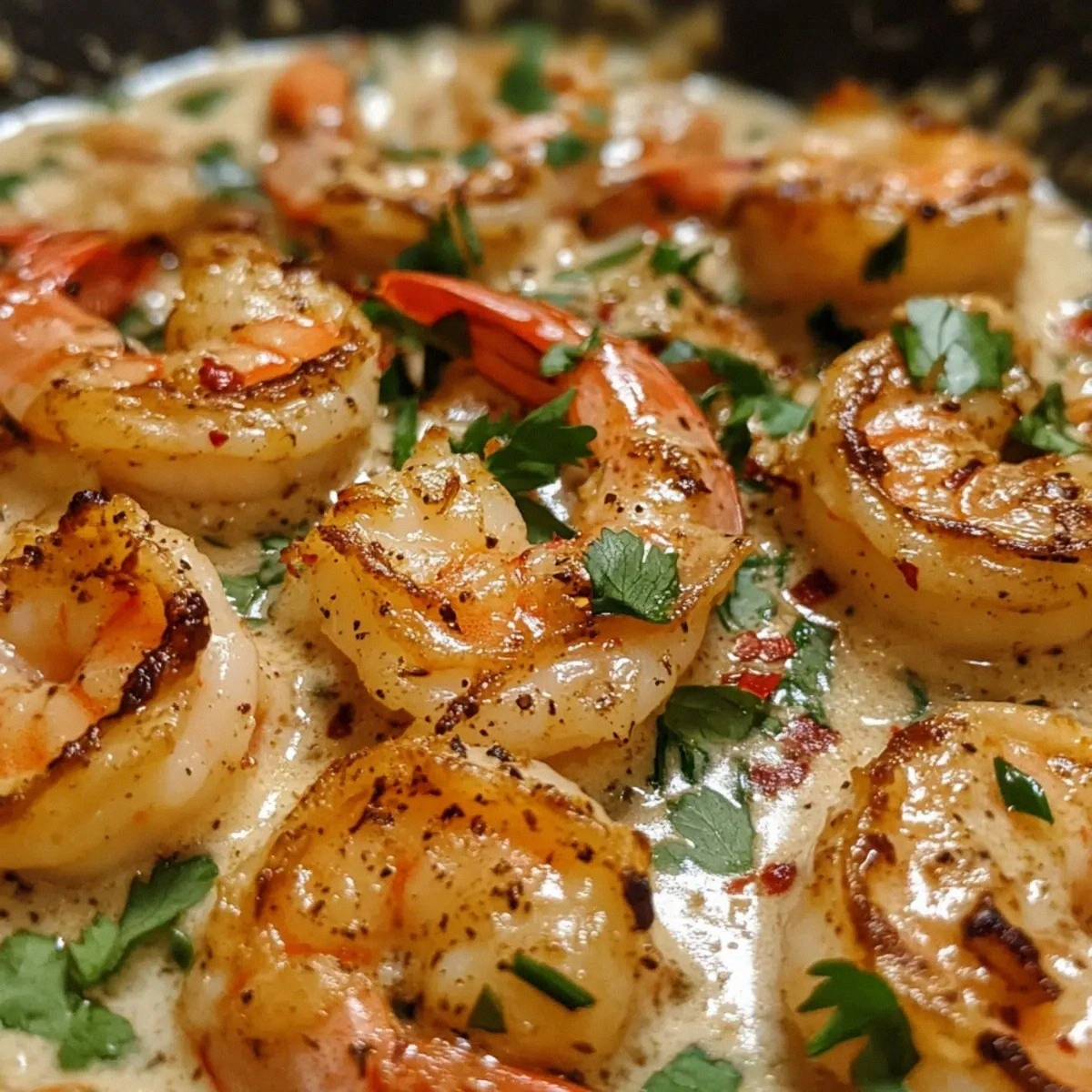
Return the cooked shrimp to the pan, nestling them into the sauce. Toss gently to coat each piece, then let everything simmer together for just 2‑3 minutes. This short finish ensures the shrimp stay tender and absorb the sauce without becoming rubbery. The shrimp should be perfectly pink, and the sauce should cling to them like a silk scarf.
Finally, remove the pan from heat and sprinkle the chopped cilantro over the top. Give one last gentle stir, then let the dish rest for a minute; this rest allows the flavors to settle and the sauce to thicken just a touch more. Serve immediately over steamed rice, cauliflower rice, or even a bed of zucchini noodles for a low‑carb twist.
That's it — you did it. But hold on, I've got a few more tricks that'll take this to another level...
Insider Tricks for Flawless Results
The Temperature Rule Nobody Follows
Keep your skillet hot enough to sear the shrimp quickly, but not so hot that the butter burns. A medium‑high setting (around 375°F on a stovetop thermometer) is ideal. If the pan is too cool, the shrimp will release water and steam instead of sear, resulting in a rubbery texture. I once tried to “save” energy by turning the heat down, and the shrimp turned into a sad, mushy mess.
Why Your Nose Knows Best
Your sense of smell is a more reliable indicator than a timer when it comes to the garlic and onion stages. When the onions become translucent and the garlic releases that sweet, nutty scent, you know it’s time to add the coconut milk. If you wait too long, the garlic can turn bitter; if you add the milk too early, the onions won’t have a chance to develop their natural sweetness.
The 5‑Minute Rest That Changes Everything
After you finish cooking, let the dish sit off the heat for five minutes. This rest lets the cornstarch fully hydrate, giving the sauce a glossy finish and allowing the shrimp to reabsorb a bit of the sauce. I used to serve it straight away and noticed a slight separation; after adding the rest period, the sauce stays perfectly cohesive.
Fish Sauce Flexibility
If you’re wary of fish sauce’s strong aroma, start with half the amount and add a splash of soy sauce for a milder umami boost. The key is to balance depth without overwhelming the delicate coconut flavor. A friend once substituted the fish sauce with Worcestershire and the dish lost its subtle oceanic whisper.
Cilantro Timing
Add cilantro at the very end, just before serving. Its bright, citrusy notes wilt quickly, and if you add it too early, you’ll lose that fresh pop. For those who dislike cilantro, try a sprinkle of thinly sliced green onions for a similar crunch and color.
Creative Twists and Variations
This recipe is a playground. Here are some of my favorite ways to switch things up:
Spicy Thai Kick
Add a tablespoon of Thai red curry paste when you pour in the coconut milk. The paste brings a fragrant heat and a deeper layer of spice, turning the dish into a Thai‑style delight. Pair it with jasmine rice and a garnish of toasted peanuts for crunch.
Mango‑Infused Sweetness
Stir in diced fresh mango during the final minute of simmering. The mango’s natural sweetness balances the savory sauce and adds a juicy burst that contrasts the shrimp’s texture. This variation shines as a summer dinner on a patio.
Coconut‑Lime Chicken
Swap the shrimp for bite‑size chicken thighs, marinated briefly in lime juice and a pinch of salt. The chicken absorbs the coconut sauce beautifully, and the dish becomes a hearty main that still feels light.
Vegan Delight
Replace shrimp with firm tofu cubes, pressed and lightly pan‑fried. Use soy sauce instead of fish sauce, and add a dash of miso paste for depth. The result is a plant‑based version that still delivers that creamy, garlicky punch.
Herb‑Infused Variation
Swap cilantro for fresh Thai basil and add a handful of sliced lemongrass during the simmer. The aromatic herbs give the dish a bright, citrusy profile that feels like a trip to a street market in Bangkok.
Storing and Bringing It Back to Life
Fridge Storage
Allow the dish to cool to room temperature, then transfer it to an airtight container. It will keep beautifully for up to 3 days. When reheating, add a splash of coconut milk or water and gently warm over low heat, stirring occasionally to restore the sauce’s silkiness.
Freezer Friendly
Portion the cooked shrimp and sauce into freezer‑safe bags or containers, leaving a little headspace for expansion. It freezes well for up to 2 months. Thaw overnight in the fridge, then reheat on the stove, again adding a tiny splash of liquid to bring back that creamy texture.
Best Reheating Method
The stovetop is king. Place the thawed or refrigerated dish in a skillet over low‑medium heat, add a tablespoon of coconut milk, and stir until the sauce regains its gloss. Avoid microwaving, as it can cause the coconut milk to separate and the shrimp to overcook.