I was standing in my kitchen on a rainy Thursday, staring at a half‑baked yellow cake that looked like a sad pancake. I had promised my roommate a “simple dessert” after a marathon of work‑from‑home meetings, and the only thing that kept me from ordering pizza was the stubborn voice in my head that whispered, “You can do better.” I grabbed a handful of pecans, a jar of caramel, and a bag of butter, and the universe conspired to give me the most decadent poke cake you’ll ever taste. That moment of desperation turned into a revelation: a cake that’s moist, buttery, and draped in a caramel‑butter glaze that sings with toasted pecan praline. I dare you to taste this and not go back for seconds.
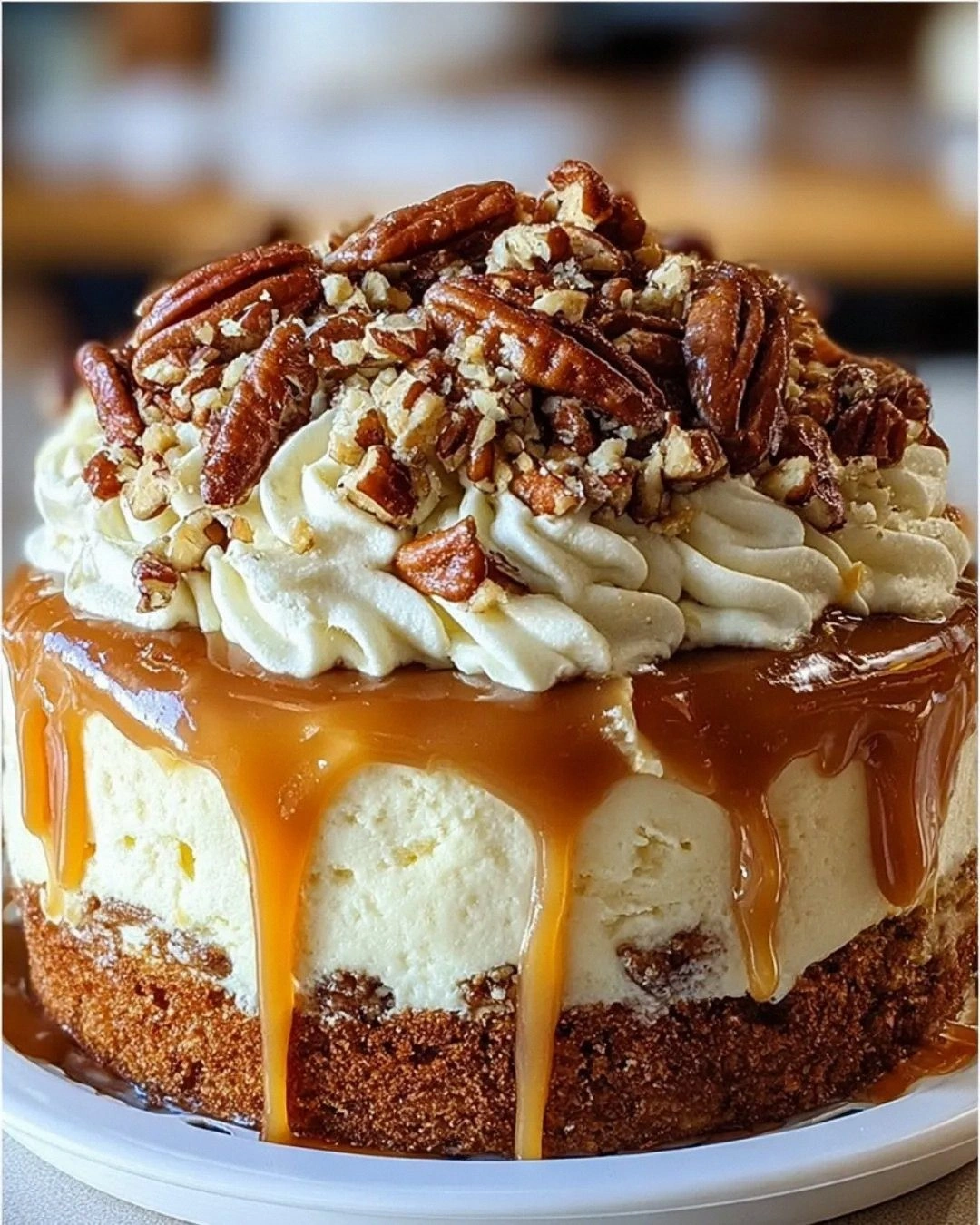
Picture this: the oven door swings open, and a warm, buttery aroma wafts through the apartment, curling around the curtains and slipping under the door. The top of the cake is a golden‑brown canvas, speckled with caramel droplets that glisten like tiny amber jewels. As you poke the surface with a skewer, a river of caramel‑butter sauce seeps in, soaking every crumb and turning the interior into a luscious, velvety lake. The first bite delivers a crunch of toasted pecan praline that shatters like thin ice, followed by a buttery, caramel‑kissed crumb that melts on the tongue. The flavor is a perfect marriage of sweet and salty, with a buttery richness that feels like a hug from your favorite grandma, but with a modern twist that makes it feel like a celebration.
Most recipes get this completely wrong. They either drown the cake in a sugary glaze that turns it into a soggy mess, or they skim on the pecan crunch, leaving you with a bland, one‑dimensional dessert. This version, however, uses a two‑step caramel‑butter infusion that locks moisture inside while still allowing the top to stay slightly crisp. The secret? A quick poke‑and‑soak technique that distributes the sauce evenly, plus a final drizzle of warm butter‑caramel that creates a glossy finish you’ll want to photograph from every angle. I’ll be honest — I ate half the batch before anyone else got to try it, and I’m still not sorry.
If you’ve ever struggled with a dry poke cake or a glaze that separates, you’re not alone — and I’ve got the fix. The trick is in the timing, the temperature, and a pinch of patience. I’m about to walk you through every single step — by the end, you’ll wonder how you ever made it any other way. Okay, ready for the game‑changer?
What Makes This Version Stand Out
- Flavor Explosion: The caramel‑butter sauce infuses the crumb with a buttery richness that’s balanced by the salty crunch of toasted pecans, creating a taste that lingers long after the last bite.
- Texture Symphony: You get a soft, cake‑like interior, a slightly crisp top, and a crunchy praline finish that adds layers of mouthfeel.
- Simple Yet Sophisticated: The ingredient list is pantry‑friendly, but the technique feels like something you’d find in a high‑end bakery.
- Unexpected Star: The praline pecans bring a caramelized nutty note that most poke cakes completely miss.
- Crowd‑Pleaser: Whether it’s a birthday, a potluck, or a quiet night in, this cake draws compliments faster than you can say “more, please.”
- Make‑Ahead Magic: The cake can be assembled a day ahead, and the glaze actually improves after a night of resting, giving you a stress‑free dessert.
- Ingredient Quality: Using real butter, not margarine, and high‑quality pecans makes a world of difference in flavor depth.
- Cooking Method: The poke‑and‑soak technique ensures every crumb gets a kiss of caramel without becoming soggy.
Inside the Ingredient List
The Flavor Base
All‑purpose flour is the canvas, providing structure without overpowering the buttery notes. I recommend a high‑protein flour for a slightly sturdier crumb that can hold the caramel without crumbling. If you skip the flour, the cake collapses into a soggy puddle — not the elegant lake we’re aiming for. Swap: You can use a 50/50 blend of flour and cake flour for an even lighter texture.
The Sweeteners
Brown sugar adds a deep molasses flavor, while granulated sugar gives the cake its lift. Together they create a caramel‑like backbone that complements the sauce. Using only white sugar results in a flat taste, and using only brown can make the crumb too dense. Tip: Choose a dark brown sugar for an extra hint of toffee.
The Texture Crew
Pecan halves, toasted to a golden hue, provide that satisfying crunch. The praline pieces are essentially caramel‑coated pecans that melt slightly into the sauce, creating pockets of gooey sweetness. If you omit the pecans, you lose the contrast that makes each bite interesting. Swap: Toasted walnuts or almonds work, but they won’t deliver the same buttery caramel flavor.
The Unexpected Star
Caramel sauce is the hero, but the secret weapon is the butter‑infused caramel that we drizzle on top. The butter adds a glossy finish and a silky mouthfeel that plain caramel can’t match. Skipping the butter means a greasy glaze that separates on the plate. Buying tip: Look for a caramel sauce that lists real butter in the ingredients, not just corn syrup.
Everything's prepped? Good. Let's get into the real action...
The Method — Step by Step
Preheat your oven to 350°F (175°C). While the oven warms, grease a 9‑inch square baking pan with butter and line it with parchment paper, leaving an overhang for easy removal. This step ensures the cake releases cleanly and that the caramel doesn’t stick to the pan, which would create burnt pockets. Watch out: If you skip the parchment, you’ll spend precious minutes scraping caramel off the pan later.
In a medium bowl, whisk together 2 cups all‑purpose flour, 1 tsp baking powder, ½ tsp baking soda, and 1 tsp salt. The dry mix should look uniform, with no clumps of flour. This uniformity prevents pockets of unbaked batter, which can cause uneven texture.
Kitchen Hack: Sift the flour and leavening agents together; it aerates the mixture and guarantees a lighter crumb.In a large mixing bowl, cream 1 cup unsalted butter (softened) with 1 cup packed brown sugar and ½ cup granulated sugar until the mixture is pale and fluffy, about 3–4 minutes on medium speed. The sound of the beaters should be a gentle whoosh, not a harsh clatter. This step incorporates air, which is crucial for a tender crumb. Tip: If the butter is too cold, the sugars won’t dissolve properly, leaving a gritty texture.
Add 3 large eggs, one at a time, beating well after each addition. Then stir in 1 tsp vanilla extract. The batter should become glossy and thick, with a faint perfume of vanilla that hints at the caramel to come. If the batter looks curdled, keep mixing; the emulsification will smooth it out.
Gradually add the dry ingredients to the wet mixture, alternating with 1 cup whole milk. Start and end with the flour mixture. Mix on low speed until just combined; over‑mixing will develop gluten and make the cake tough. The batter should be smooth, with no streaks of flour. Watch out: Over‑mixing at this stage is the most common cause of a dense poke cake.
Pour the batter into the prepared pan, spreading it evenly with a spatula. Sprinkle the 1 cup toasted pecan halves and ½ cup praline pieces over the top, gently pressing them into the surface. This creates a nutty crust that will caramelize as the cake bakes. The aroma will start to develop even before the oven door closes.
Watch Out: Do not over‑load the top with nuts, or they’ll burn before the cake is done.Bake for 30 minutes, or until a toothpick inserted into the center comes out clean and the edges begin to pull away from the pan. Around the 20‑minute mark, you’ll hear a faint “crackle” as the caramel on the nuts starts to melt — that’s the sound of flavor forming. Rotate the pan halfway through for even browning. When the cake is done, the top should be a deep golden‑brown, almost amber.
While the cake is still warm, use a thin bamboo skewer or a clean wooden spoon to poke a grid of holes about 1 inch apart. This is the “poke” part of the poke cake, and it’s where the magic happens. The holes act like tiny canals, allowing the caramel‑butter sauce to seep deep into the crumb.
In a small saucepan, melt ½ cup butter over low heat, then whisk in ½ cup caramel sauce until smooth and glossy. The mixture should bubble gently — that’s the “buttery caramel” that will coat the cake. If the sauce looks grainy, keep whisking; the butter will emulsify it fully.
Kitchen Hack: Warm the caramel sauce slightly before adding butter; it prevents the butter from separating.Slowly pour the warm caramel‑butter mixture over the poked cake, letting it seep into every hole. You’ll see the sauce flow like liquid gold, filling the interior and creating a glossy sheen on the surface. Let the cake sit for 10 minutes so the sauce can fully absorb. During this time, the cake’s interior becomes a buttery, caramel‑infused wonderland.
Finally, drizzle an extra drizzle of caramel sauce over the top for a decorative finish, and sprinkle a handful of extra praline pieces for added crunch. Allow the cake to cool completely in the pan before lifting it out using the parchment overhang. This cooling step lets the glaze set, giving you a clean slice that doesn’t slide off the plate. That’s it — you did it. But hold on, I’ve got a few more tricks that'll take this to another level…
Insider Tricks for Flawless Results
The Temperature Rule Nobody Follows
Never bake a poke cake at a temperature higher than 350°F. Higher heat makes the exterior crisp too fast, sealing the interior before the caramel can penetrate. I once tried 375°F for a “quick bake” and ended up with a dry, crumbly mess that refused to soak up the sauce. Keep the oven at a steady 350°F and trust the timing; the cake will rise evenly and stay moist.
Why Your Nose Knows Best
When the cake is about 20 minutes in, start sniffing. A sweet, nutty aroma signals that the pecans are caramelizing perfectly. If you detect a burnt smell, lower the oven temperature by 10°F and cover the top loosely with foil. Your nose is a better indicator than any timer, and it saves you from a smoky disaster.
The 5‑Minute Rest That Changes Everything
After you pour the caramel‑butter sauce, let the cake rest for exactly five minutes before slicing. This short pause lets the sauce thicken slightly, preventing it from running off the plate. I once sliced immediately and the sauce pooled on the serving dish, making the cake look sloppy. Patience here turns a good cake into a show‑stopping masterpiece.
Butter Temperature Is Key
When melting butter for the glaze, keep it just below a simmer. Over‑heated butter can separate, leaving a greasy film on top. A gentle melt ensures a smooth, glossy finish that clings to the cake like a satin ribbon.
Pecan Toasting Perfection
Toast pecans in a dry skillet over medium heat for 5‑7 minutes, shaking the pan frequently. You’ll hear a faint pop as the nuts release their oils, and the scent will turn fragrant and buttery. Under‑toasted nuts are soft and soggy, while over‑toasted ones become bitter. The perfect toast adds a deep, nutty flavor that elevates the entire cake.
Creative Twists and Variations
This recipe is a playground. Here are some of my favorite ways to switch things up:
Maple‑Pecan Dream
Replace half of the caramel sauce with pure maple syrup and add a teaspoon of maple‑flavored bourbon to the butter glaze. The result is a warm, autumnal cake that feels like a cozy cabin retreat.
Chocolate‑Swirl Surprise
Stir ¼ cup of melted dark chocolate into the batter before baking, and sprinkle chocolate chips on top of the pecans. The chocolate adds a rich counterpoint to the caramel, making it a hit for chocolate lovers.
Salted Caramel Crunch
Add a pinch of flaky sea salt to the caramel‑butter glaze and top the finished cake with a sprinkle of Maldon salt. The salty crunch amplifies the sweetness and creates a sophisticated flavor balance.
Coconut‑Pecan Fusion
Swap half of the milk for coconut milk and toss the pecans in toasted coconut flakes before sprinkling them on the batter. This gives the cake a tropical twist that pairs beautifully with the buttery caramel.
Espresso‑Infused Delight
Dissolve a tablespoon of instant espresso powder in the milk and add a dash of coffee‑flavored liqueur to the glaze. The coffee notes cut through the sweetness, delivering a sophisticated, adult‑only version.
Storing and Bringing It Back to Life
Fridge Storage
Cover the cake tightly with plastic wrap or store it in an airtight container. It will stay fresh for up to 4 days in the refrigerator. The caramel may thicken a bit; gently reheat a slice in the microwave for 15‑20 seconds before serving.
Freezer Friendly
Wrap the cooled cake tightly in foil, then place it in a freezer‑safe zip‑top bag. It freezes beautifully for up to 2 months. When ready to enjoy, thaw overnight in the fridge, then bring to room temperature and drizzle a fresh spoonful of warm caramel‑butter sauce.
Best Reheating Method
To revive that fresh‑out‑of‑the‑oven texture, preheat your oven to 300°F (150°C), place a slice on a parchment‑lined baking sheet, and add a tiny splash of water (about a teaspoon) around the edges. Cover loosely with foil and bake for 8‑10 minutes. The steam created by the water re‑hydrates the crumb, while the foil prevents the glaze from drying out.