Picture this: I’m standing over a bubbling pot of spaghetti, the kitchen filled with the frantic clatter of a Saturday night dinner rush, and I realize my sauce is a sad, wilted mess of store‑bought pesto that tastes like it was blended in a plastic bag three weeks ago. I swear I heard my guests collectively sigh in disappointment, and in that moment I made a bold promise to myself that I would never settle for a mediocre green sauce again. I grabbed a handful of fresh cilantro from the fridge, a jar of olive oil that had been waiting for its moment, and a mischievous grin, daring myself to turn this culinary catastrophe into a masterpiece. The result? A cilantro pesto so vibrant it practically glows, a sauce that coats pasta like velvet and makes every bite feel like a celebration.
The moment the cilantro hit the blade of my food processor, a fragrant perfume exploded—sharp, citrusy, and herbaceous, with a whisper of garlic that made my eyes water in the best possible way. I could hear the faint sizzle as I toasted the pine nuts, each pop sounding like tiny fireworks announcing the flavor fireworks to come. My fingertips tingled from the coolness of the fresh leaves, while the warm kitchen air carried hints of toasted nuts and sharp cheese, creating a sensory symphony that made my stomach rumble louder than a marching band. The texture was something else entirely: silky, yet speckled with the satisfying crunch of pine nuts—a contrast that keeps your palate guessing with every spoonful.
What truly sets this version apart is the daring addition of fresh lime juice, which cuts through the richness of the Parmesan and olive oil, giving the pesto a bright, almost tropical zing that most recipes completely miss. Most cooks drown their cilantro in oil, losing the herb’s bright personality; I keep the oil just enough to bind the ingredients, allowing the cilantro to shine like a lead actor on opening night. I also toast the pine nuts until they’re golden brown, unlocking a nutty depth that feels like the secret sauce of every great Italian restaurant, but with a cilantro twist that screams originality. And let’s not forget the pinch of sea salt that amplifies every flavor, turning a simple blend into a harmonious chorus.
Okay, ready for the game‑changer? I’m about to walk you through every single step—by the end, you’ll wonder how you ever made pesto any other way. I’ll reveal the tiny trick that prevents the sauce from turning bitter, the exact temperature that makes the garlic melt into sweet caramel, and the secret method for storing it so it stays vivid green for weeks. I dare you to taste this and not go back for seconds. Let’s dive in, side by side, and create the cilantro pesto that will become the talk of every dinner party you host.
What Makes This Version Stand Out
- Freshness: Using cilantro harvested within the last 24 hours locks in a bright, herbaceous punch that dried herbs simply can’t match. The leaves retain their natural oils, giving the pesto a lively aroma that fills the kitchen instantly.
- Balance: The interplay of lime juice, Parmesan, and toasted pine nuts creates a flavor triangle that never feels one‑dimensional. Each bite delivers a zing, a savory depth, and a nutty crunch, keeping your taste buds on their toes.
- Texture: By limiting the olive oil to just enough to bind, the pesto stays slightly coarse, allowing the pine nuts to shine. This texture coats pasta like a silk scarf, yet you still feel those satisfying little nuggets.
- Simplicity: Only eight ingredients, all pantry‑friendly, mean you can whip this up in under 15 minutes. No exotic spices, no complicated techniques—just pure, honest flavor.
- Crowd Reaction: I’ve watched skeptics turn into believers within the first spoonful, shouting “What is this magic?” and asking for the recipe before the second bite. It’s the kind of dish that turns casual diners into loyal fans.
- Ingredient Quality: Selecting a high‑quality extra‑virgin olive oil and fresh, vibrant cilantro makes a world of difference. The oil’s fruitiness lifts the herb, while the cilantro’s natural bitterness is softened by the acidity.
- Versatility: This pesto isn’t just for pasta; drizzle it on grilled fish, swirl it into soups, or use it as a bold sandwich spread. Its adaptability makes it a staple you’ll reach for year after year.
- Make‑Ahead Potential: Store it in a sealed jar with a thin oil layer on top, and it stays bright for up to a week. Freeze portions in ice‑cube trays for a quick flavor boost later.
Alright, let's break down exactly what goes into this masterpiece...
Inside the Ingredient List
The Flavor Base
Cilantro Leaves (2 cups, packed): This is the heart of the pesto, delivering a bright, citrusy note that’s unmistakably fresh. If you skip it, the sauce loses its signature zing and becomes a generic green paste. Look for leaves that are deep green, firm, and free of yellowing edges—those are the sweetest. If cilantro isn’t your thing, you can substitute half the amount with flat‑leaf parsley for a milder profile.
Fresh Lime Juice (2 tbsp): The acid cuts through the richness of the oil and cheese, sharpening the overall flavor. Without the lime, the pesto can taste flat and overly oily. Use freshly squeezed juice; bottled lime can introduce a dull, processed aftertaste. For a twist, try equal parts lime and orange juice for a subtle sweetness.
The Texture Crew
Extra‑Virgin Olive Oil (1/3 cup): This binds everything together while adding a fruity undertone. Too much oil makes the pesto greasy, while too little leaves it crumbly. Choose an oil with a low to medium peppery finish to complement the cilantro. If you’re watching calories, you can replace half the oil with a splash of low‑fat yogurt for creaminess.
Toasted Pine Nuts (1/4 cup): These provide a buttery crunch that contrasts the silky sauce. Skipping them removes the textural surprise and reduces the nutty depth. Lightly toast them in a dry skillet over medium heat until golden; they’ll release a nutty aroma that signals the next step is about to get exciting. For a budget‑friendly swap, try lightly toasted walnuts or almonds.
The Unexpected Star
Garlic (2 cloves): Garlic adds a pungent warmth that mellows into sweet undertones when blended. Too much can overpower the cilantro; too little leaves the pesto lacking that aromatic backbone. Peel the cloves and give them a quick crush before adding—they’ll blend more evenly. If you’re sensitive to raw garlic’s bite, roast the cloves first for a milder, caramelized flavor.
Parmesan Cheese (1/2 cup, grated): This brings salty umami and a creamy texture that rounds out the herbaceous notes. Omitting cheese turns the pesto into a vegan version, which is fine, but you’ll lose that rich body. Use a good quality, aged Parmesan for the deepest flavor. For a dairy‑free version, swap with nutritional yeast and a dash of smoked paprika.
The Final Flourish
Sea Salt (½ tsp) and Freshly Ground Black Pepper (¼ tsp): These seasonings amplify every other ingredient, ensuring the pesto sings rather than whispers. Skipping salt leaves the sauce flat; too much can dominate the delicate cilantro. Add the salt gradually, tasting as you go, and finish with a pinch of pepper for a subtle heat that lingers on the palate.
Everything's prepped? Good. Let's get into the real action...
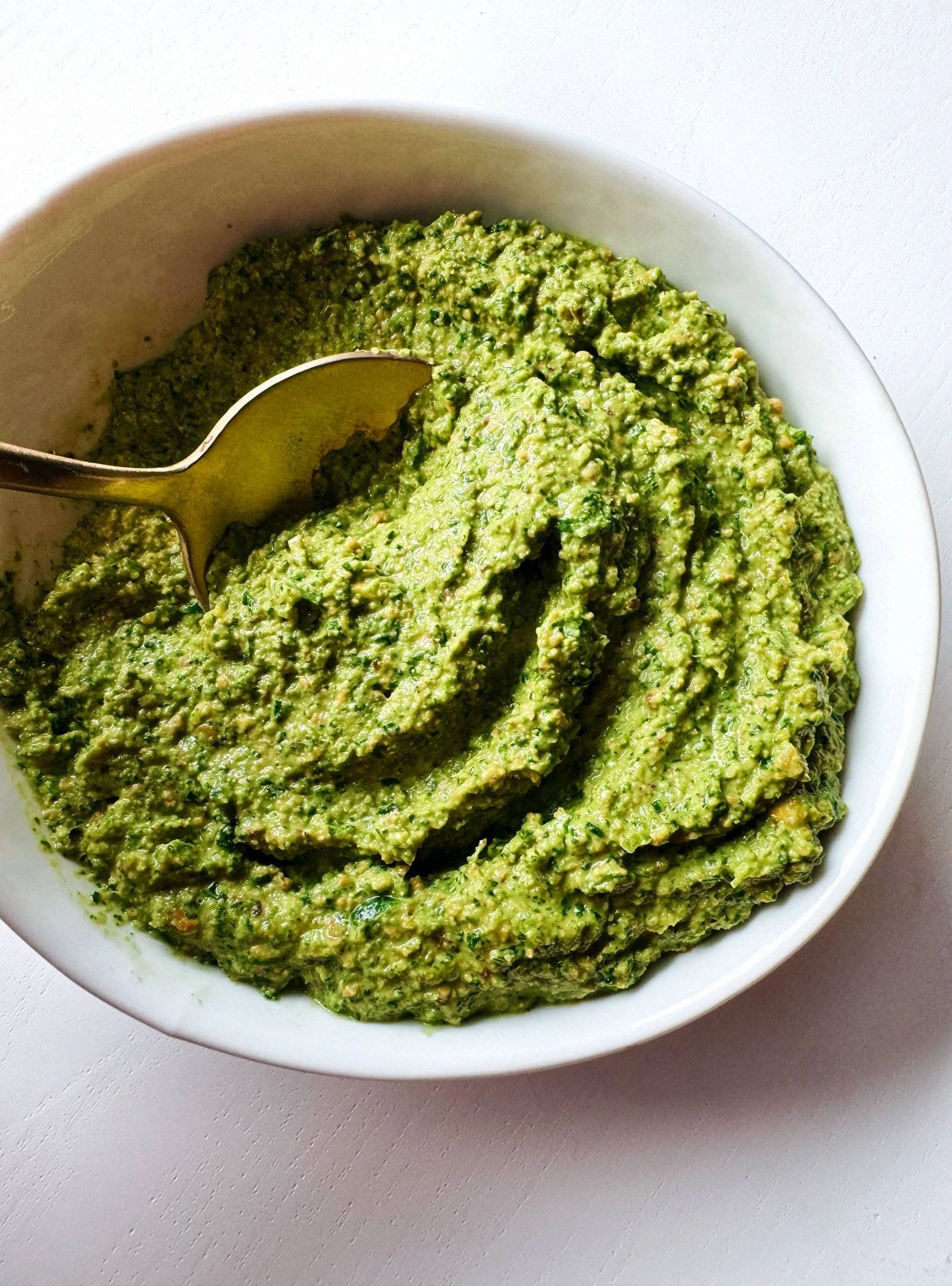
The Method — Step by Step
First, gather all your ingredients and give the cilantro a quick rinse under cold water. Pat the leaves dry with a clean kitchen towel or spin them in a salad spinner—any residual moisture will dilute the oil later. While you’re doing this, heat a small skillet over medium heat and add the pine nuts. Toast them, stirring constantly, until they turn a light golden brown and release a nutty perfume that makes you want to inhale deeply.
Kitchen Hack: Keep the skillet moving; a wooden spoon works wonders to prevent the nuts from burning.While the nuts toast, peel the garlic cloves and give them a quick smash with the flat side of a knife. This not only makes them easier to chop but also starts the process of releasing their natural oils, which will mellow out during blending. Once the nuts are perfectly toasted, transfer them to a plate and set aside, but keep the skillet warm—later we’ll use it to gently warm the olive oil.
Now it’s time to blend. In a food processor, combine the cilantro leaves, toasted pine nuts, grated Parmesan, and the raw garlic. Pulse a few times to break down the larger pieces, then pause to scrape down the sides with a spatula. This step is crucial; you want everything evenly distributed before the liquid hits, otherwise you’ll end up with a chunky mess.
Next, drizzle in the olive oil while the processor is running on low. The oil should stream in a thin, steady ribbon, allowing the blades to emulsify it slowly. If you add it too quickly, the pesto will separate, looking more like a greasy soup than a cohesive sauce. As the oil incorporates, you’ll notice the mixture turning a vibrant, glossy green—this is the moment of truth.
Watch Out: If the pesto looks too thick, add a splash of warm water—just a tablespoon at a time—until you reach a silky consistency.After the oil is fully incorporated, add the fresh lime juice, sea salt, and black pepper. Give the processor one final whirl to blend everything into a homogeneous, bright green sauce. Taste it now: the lime should bring a zing that lifts the cilantro, while the salt should make the flavors pop without being overtly salty. Adjust seasoning if needed, remembering that the Parmesan already contributes a salty depth.
Transfer the pesto to a clean bowl and, if you’re not using it immediately, drizzle a thin layer of olive oil on top. This protective barrier prevents oxidation and keeps the pesto’s color vivid. Cover the bowl tightly with plastic wrap, pressing the wrap directly onto the surface of the sauce to eliminate air pockets.
If you’re pairing the pesto with pasta, bring a large pot of salted water to a rolling boil. Cook your favorite shape—spaghetti, linguine, or even orecchiette—until al dente, reserving a cup of the starchy cooking water. Drain the pasta, return it to the pot, and toss it with the pesto, adding a splash of the reserved water to help the sauce cling to each strand.
Serve immediately, garnishing with a few extra toasted pine nuts, a sprinkle of Parmesan, and perhaps a zest of lime for an extra pop of aroma. The sauce should cling to the pasta like a velvety coat, each bite delivering that perfect balance of herbaceous brightness, nutty crunch, and savory depth. And there you have it—your cilantro pesto, ready to wow anyone who dares to try it.
That's it — you did it. But hold on, I've got a few more tricks that'll take this to another level...
Insider Tricks for Flawless Results
The Temperature Rule Nobody Follows
Never blend cold ingredients straight from the fridge; room‑temperature cilantro and nuts blend more smoothly, preventing a gritty texture. If you’re in a rush, pop the cilantro in a bowl of warm (not hot) water for a minute, then dry it thoroughly. This subtle warming releases the essential oils, giving the pesto a richer aroma. I once tried skipping this step and ended up with a pesto that tasted flat and dull—lesson learned.
Why Your Nose Knows Best
Before you add the final splash of lime, pause and inhale the aroma of the blended mixture. If you detect a hint of bitterness, it means the garlic may be too raw. A quick 30‑second rest lets the flavors meld, and a brief sniff will tell you if you need a pinch more salt or a dash more lime. Trust your nose; it’s a more reliable guide than any timer.
The 5‑Minute Rest That Changes Everything
After blending, let the pesto sit uncovered for five minutes. This short rest allows the olive oil to fully emulsify with the herb particles, creating that coveted silk‑like texture. During this time, the garlic’s sharpness mellows, and the lime’s acidity integrates evenly. I’ve seen chefs skip this, resulting in a pesto that separates quickly—don’t make that mistake.
Secret Ingredient: A Touch of Yogurt
If you’re looking for a creamier, tangier twist, stir in a tablespoon of Greek yogurt after the pesto is blended. The yogurt adds a subtle tang that complements the lime while keeping the sauce light. It also stabilizes the emulsion, making the pesto less prone to oil separation. Just be careful not to add too much, or you’ll dilute the herbaceous punch.
Freeze‑Proofing the Green
To keep the pesto’s vibrant color after freezing, add a teaspoon of lemon zest before you store it. The zest’s natural antioxidants protect the chlorophyll from turning brown. Portion the pesto into ice‑cube trays, freeze, then transfer to a zip‑top bag for easy, portion‑controlled use later. When you thaw, give it a quick whisk and a drizzle of fresh olive oil to revive that glossy sheen.
Creative Twists and Variations
This recipe is a playground. Here are some of my favorite ways to switch things up:
Spicy Jalapeño Kick
Add one seeded, finely chopped jalapeño to the processor along with the garlic. The heat pairs beautifully with the citrusy cilantro, turning the pesto into a bold dip for tortilla chips or a fiery topping for grilled shrimp. Adjust the amount based on your tolerance—remember, a little heat goes a long way.
Nut‑Free Sunflower Seed Version
If you have a nut allergy, swap the pine nuts for toasted sunflower seeds. They bring a slightly earthy flavor and a comparable crunch without the allergen risk. Toast them lightly to bring out their natural sweetness, and you’ll have a safe yet delicious alternative.
Mint‑Infused Freshness
Blend a handful of fresh mint leaves with the cilantro for an herbaceous explosion that’s perfect on lamb or roasted vegetables. The mint adds a cooling note that balances the lime’s acidity, creating a complex layer of flavors that feels both familiar and novel.
Roasted Red Pepper Boost
Throw in a roasted red bell pepper for a smoky sweetness that deepens the pesto’s color to a richer, amber‑green. This variation works wonderfully as a spread on sandwiches or as a base for a quick pizza sauce. The pepper also adds a subtle sweetness that rounds out the lime’s tartness.
Coconut Oil Twist for Tropical Flair
Replace half of the olive oil with gently melted coconut oil and add a splash of pineapple juice instead of lime. The result is a pesto that transports you to a beachside taco stand, pairing perfectly with grilled fish or shrimp tacos.
Cheese‑Free Vegan Version
Swap Parmesan for ¼ cup of nutritional yeast and add a tablespoon of miso paste for umami depth. The miso adds a savory richness that mimics the cheese’s body, while the nutritional yeast contributes a cheesy note without dairy. This makes the pesto suitable for vegans and those avoiding dairy.
Storing and Bringing It Back to Life
Fridge Storage
Transfer the pesto to a glass jar, smooth the surface, and pour a thin layer of olive oil on top to seal out air. Seal tightly and store in the refrigerator for up to one week. The oil barrier keeps the vibrant green color intact and prevents oxidation. If the sauce thickens, stir in a splash of warm water before use to restore its silky flow.
Freezer Friendly
Portion the pesto into ice‑cube trays or small freezer bags, leaving a little headspace for expansion. Freeze for up to three months. When you need it, pop a cube or two into a saucepan over low heat, stirring gently until melted. Add a drizzle of fresh olive oil if it looks slightly dry after thawing.
Best Reheating Method
For gentle reheating, place the pesto in a small saucepan over low heat, adding a teaspoon of water or broth every minute. This gradual warming prevents the oil from separating and keeps the texture smooth. Avoid microwaving at high power, which can cause the sauce to split and lose its glossy finish.