Love this? Pin it for later! 📌
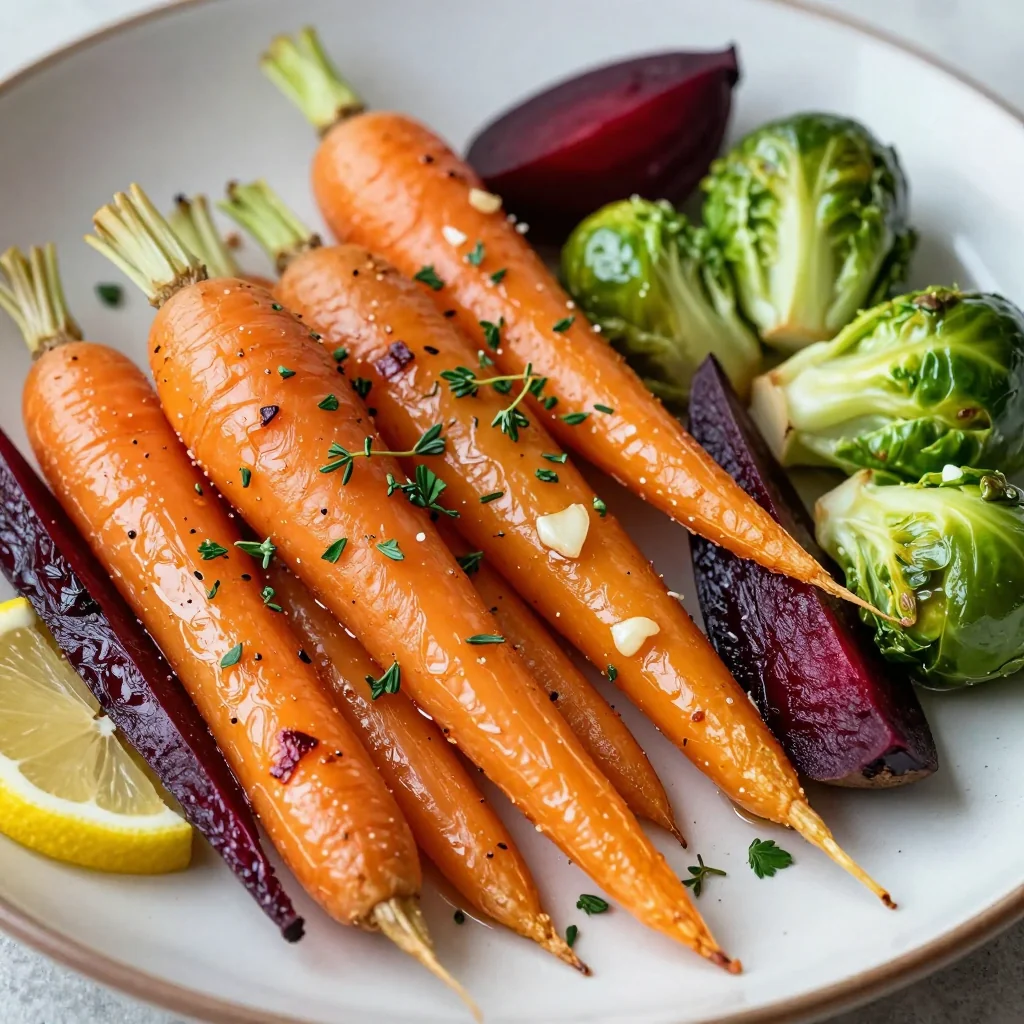
Every January, after the twinkling lights come down and the last cookie crumb has vanished, I find myself craving something bright, clean, and reassuringly simple. My kitchen windows are still fogged from the cold, yet I want a dish that tastes like a promise: that longer days and fresher flavors are just around the corner. That’s when I slide a parchment-lined pan of lemon-kissed winter vegetables into the oven and let the citrusy perfume mingle with rosemary, thyme, and the earthy sweetness of roots that spent months quietly growing in frosty soil. The first time I served this rainbow medley to my book-club friends, we ate it straight off the sheet pan, standing around my island in thick socks, marveling that “healthy” could taste this comforting. Now it’s our annual reset: the edible equivalent of opening every curtain in the house and letting winter light flood in.
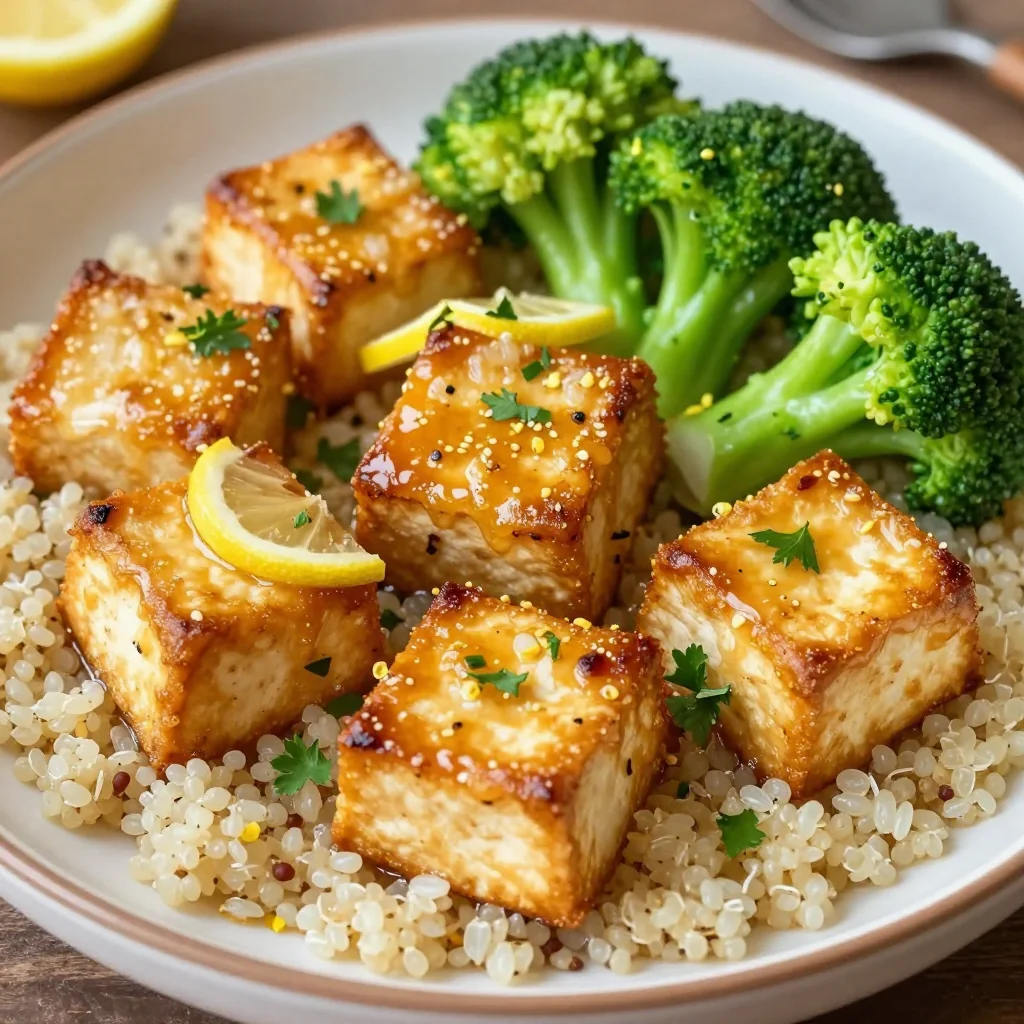
What makes this recipe such a January superstar is its refusal to choose between cozy and clean. The high-heat roast caramelizes the natural sugars in parsnips and beets, while lemon zest and juice brighten everything like a squeeze of summer. A shower of fresh herbs adds garden-fresh optimism even when your herb pots look tragically post-holiday. Whether you serve it as a meatless main over quinoa, pack it into meal-prep boxes with baked tofu, or pile it beside a simple roast chicken, these vegetables feel like self-care you can chew. And because everything cooks on one pan and keeps for days, you’ll start the year feeling organized, nourished, and just a little smug—in the best possible way.
Why This Recipe Works
- One-Pan Wonder: Chop, toss, roast—no extra skillets or bowls to wash.
- Seasonal Star Power: Uses January’s best produce—beets, carrots, parsnips, Brussels sprouts—for peak flavor and nutrition.
- Bright Boost: Lemon juice and zest cut through winter’s richness and help the vegetables retain vibrant color.
- Herb Harmony: A trio of fresh rosemary, thyme, and parsley layers earthy, floral, and fresh notes.
- Meal-Prep MVP: Tastes even better the next day; freezer-friendly for up to two months.
- Clean Eating Certified: Naturally gluten-free, dairy-free, vegan, and refined-sugar-free.
- Endlessly Adaptable: Swap vegetables or herbs based on what’s in your crisper; same method, new personality.
Ingredients You'll Need
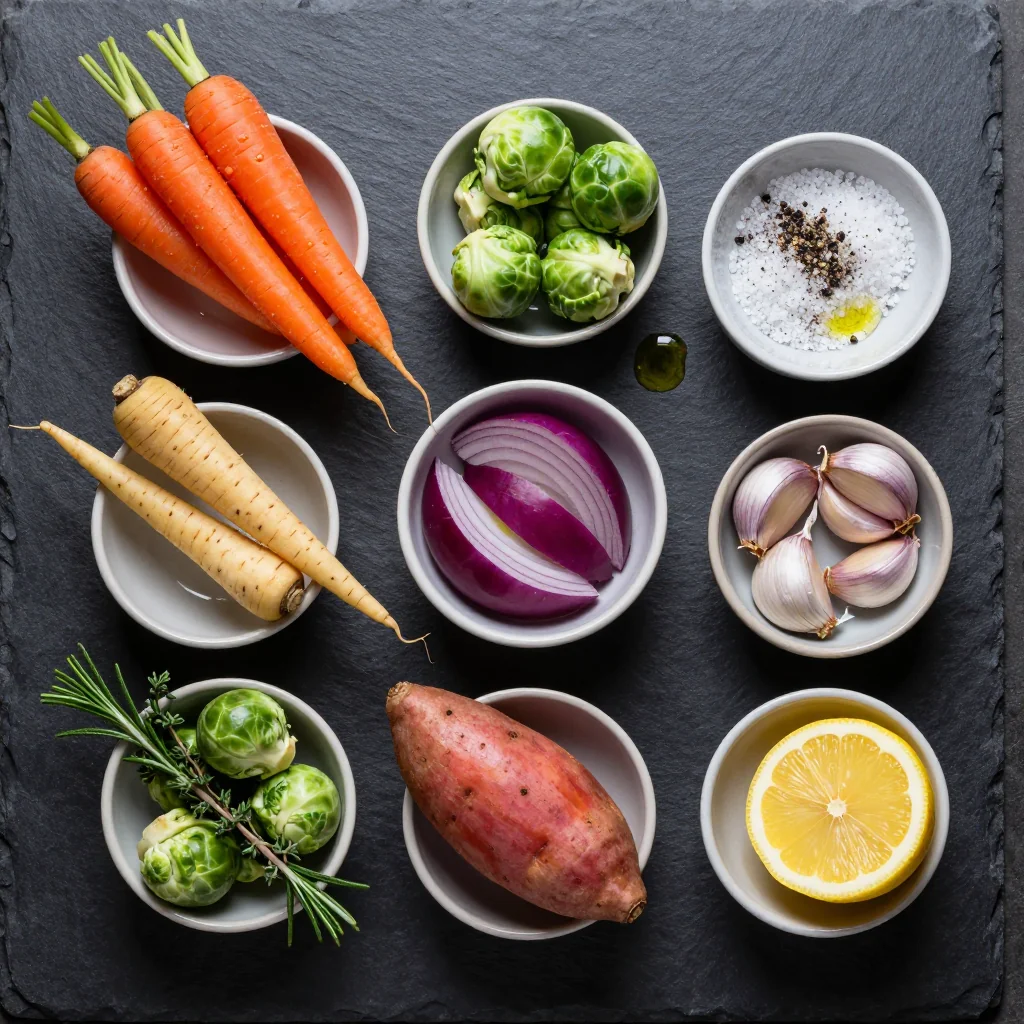
Picking the right winter vegetables is half the fun. Look for firm, unblemished roots with taut skin and vibrant greens still attached—those tops are a freshness indicator and can be saved for pesto or stock. I aim for a color wheel on the pan: deep magenta beets, sunset carrots, ivory parsnips, emerald Brussels sprouts, and violet-veined cabbage. Each brings a unique texture; beets turn candy-sweet, carrots stay snappy, parsnips go silky, sprouts char into popcorn-like nuggets, and cabbage crisps at the edges like veggie bacon.
Extra-virgin olive oil carries fat-soluble vitamins and encourages browning; choose one with grassy notes to echo the herbs. Speaking of herbs, fresh rosemary and thyme withstand high heat without turning bitter, while parsley is stirred in at the end for a chlorophyll punch. A single lemon—zest for perfume, juice for brightness—balances the roots’ natural sugars and helps the vegetables hold color under heat. Finish with flaky sea salt and freshly cracked pepper; their crunch signals your palate that this is restaurant-level food. If you’re avoiding oil, substitute aquafaba or vegetable broth—just toss more frequently to prevent sticking.
Feel free to improvise: swap golden beets for red if you hate pink fingers, use rainbow carrots for Instagram glory, or sub sweet potato cubes when parsnips look woody. In summer, zucchini and cherry tomatoes roast in the same time frame; in spring, asparagus and snap peas need only the final ten minutes. The method is your North Star, the produce your seasonal playground.
How to Make Clean Eating Lemon and Herb Roasted Winter Vegetables for January
Preheat & Prep Pan
Heat oven to 425 °F (220 °C). Line a large rimmed baking sheet with unbleached parchment; the rim prevents rolling Brussels sprouts from staging an escape, while parchment ensures zero sticking and quick cleanup.
Wash & Trim
Scrub vegetables under cold water—no need to peel thin-skinned carrots or young parsnips; the skins pack minerals and add rustic texture. Peel beets with a vegetable peeler to avoid muddy color bleeding. Trim Brussels sprout stems and halve any larger than a ping-pong ball for even cooking.
Uniform Chops
Cube beets, carrots, and parsnips into ¾-inch pieces—small enough to roast in 30 minutes, large enough to keep from shriveling. Slice cabbage into 1-inch steaks or wedges so edges crisp and centers stay tender; leave a bit of core attached to hold shape.
Seasoning Shower
Pile vegetables into a large mixing bowl. Drizzle 3 Tbsp extra-virgin olive oil, then sprinkle 1 ½ tsp sea salt, ½ tsp black pepper, 2 tsp chopped fresh rosemary, and 1 tsp fresh thyme leaves. Using clean hands, toss until every surface gleams; the mechanical action helps oil seep into crevices for maximum browning.
Arrange for Airflow
Spread vegetables in a single layer, cut-sides down where possible. Overcrowding steams; give each piece real estate. If doubling the recipe, use two pans on separate racks and rotate halfway through.
First Roast
Slide pan into the center of the oven and roast 15 minutes undisturbed—this sear creates the golden crust that equals flavor.
Flip & Add Lemon
Remove pan, quickly flip vegetables with a thin metal spatula, and zest a whole lemon directly over the hot tray—the essential oils hit the heat and bloom. Return to oven for another 10–12 minutes.
Test & Finish
Beets and carrots should be fork-tender with caramel edges. If not, roast 5 minutes more. Once done, immediately squeeze the juice of half the lemon over the vegetables, scatter ¼ cup chopped flat-leaf parsley, and toss to deglaze the pan’s browned bits—free flavor!
Serve or Store
Taste for salt, adjust, and serve hot, warm, or room temperature. Leftovers? See storage section below for make-ahead magic.
Expert Tips
High Heat = Caramel
425 °F is the sweet spot where Maillard magic happens without drying vegetables. If your oven runs cool, use convection at 400 °F for similar results.
Don’t Skip the Dry
Pat vegetables dry after washing; excess water creates steam and fights browning. A salad spinner works wonders for Brussels sprouts leaves.
Color-Segregate Beets
Roast red beets on a separate parchment “island” if you hate pink carrots; golden beets bleed less and taste sweeter.
Size Consistency
Use a ruler the first few times—being nerdy pays off. Uneven chunks mean some pieces burn while others stay crunchy.
Overnight Flavor Boost
Toss vegetables with oil and herbs the night before; cover and refrigerate. The salt gently seasons the interior, and you save prep time the next day.
Reheat Like a Pro
Spread leftovers on a hot sheet pan at 400 °F for 8 minutes instead of microwaving—the skins regain their snap.
Variations to Try
- Mediterranean: Swap rosemary for oregano, add ¼ cup pitted Kalamata olives and a handful of cherry tomatoes in the last 10 minutes. Finish with a sprinkle of vegan feta.
- Spicy Moroccan: Dust vegetables with 1 tsp smoked paprika, ½ tsp cumin, and ¼ tsp cayenne. Toss in chickpeas for the final roast and serve over couscous with tahini-lemon drizzle.
- Asian-Inspired: Replace olive oil with untoasted sesame oil, use ginger and miso in place of herbs, and finish with toasted sesame seeds and scallions.
- Protein-Packed: Add a can of drained chickpeas or cubes of marinated tofu on a separate parchment area; same timing, extra staying power.
- Root-Free: If you dislike beets, sub butternut squash cubes or cauliflower florets; both roast in identical timing.
Storage Tips
Cool vegetables completely before transferring to airtight glass containers; they’ll keep up to five days in the refrigerator and taste brighter than take-out on day three. For longer storage, freeze individual portions on a sheet pan until solid, then transfer to silicone bags—this prevents clumping and lets you grab exactly what you need. They keep for two months without quality loss; reheat directly from frozen at 400 °F for 12–15 minutes, shaking halfway. If meal-prepping for the week, divide among containers with a bed of farro or lentils, add a lemon-tahini dressing, and you’ve got grab-and-go lunches that survive fridge life with dignity.
Frequently Asked Questions
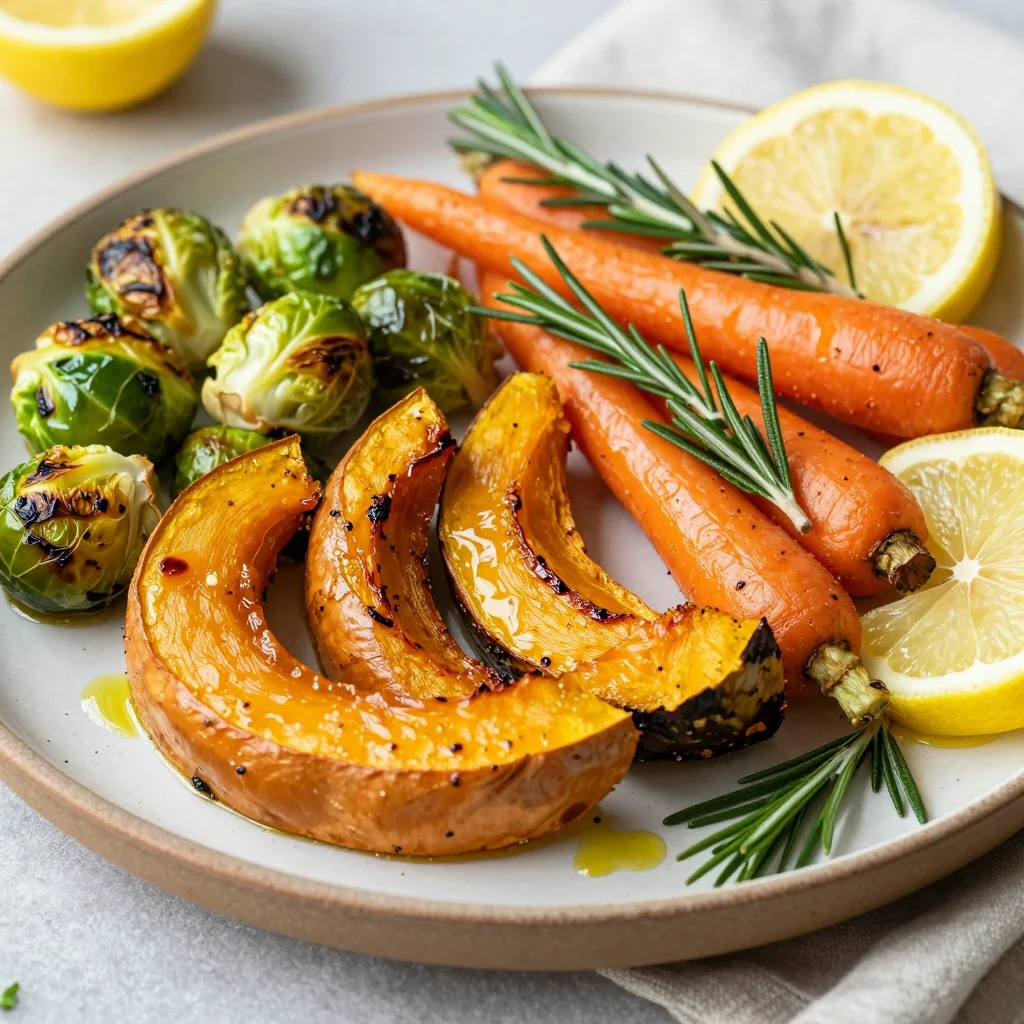
clean eating lemon and herb roasted winter vegetables for january
Ingredients
Instructions
- Preheat: Heat oven to 425 °F (220 °C). Line a large rimmed baking sheet with parchment.
- Toss: In a large bowl combine vegetables, oil, salt, pepper, rosemary, and thyme; mix until evenly coated.
- Arrange: Spread vegetables in a single layer, cut sides down. Roast 15 minutes.
- Flip & Zest: Remove pan, flip vegetables, and sprinkle lemon zest over everything. Roast another 10–12 minutes.
- Finish: When fork-tender and caramelized, remove from oven. Add lemon juice and parsley; toss to combine. Serve hot or room temperature.
Recipe Notes
For extra protein, add a drained can of chickpeas to the bowl in Step 2. They’ll roast into crunchy little nuggets that pair beautifully with the sweet vegetables.