Picture this: I’m standing in my cramped apartment kitchen, a half‑cooked batch of bland chicken pasta staring back at me like a culinary accusation. I’d just tried to “quick‑fix” a lunch for work, but the result was as exciting as watching paint dry on a rainy Tuesday. My stomach was growling, my coworkers were daring each other to guess what I’d brought, and I was about to give up on the whole idea of a satisfying midday meal. Then, in a flash of desperation and a sprinkle of inspiration, I grabbed a handful of fresh cherry tomatoes, a squeeze of lemon, and a jar of feta, and the rest is a story you’ll want to hear.
The moment the lemon juice hit the bowl, the kitchen filled with a bright, citrusy perfume that reminded me of Mediterranean breezes—like the sea kissing a sun‑drenched cliff. The chicken, still warm from the grill, released a smoky aroma that danced with the fresh herbs, while the pasta clinked against the stainless steel like tiny bells announcing a celebration. I could hear the faint sizzle of the olive oil as I tossed everything together, and the crunch of cucumber slices added a satisfying snap that echoed through the room. My hands felt the silky coating of the dressing as it embraced each noodle, a texture so smooth it felt like velvet sliding over skin.
That night, after devouring more than my fair share (I’ll be honest — I ate half the batch before anyone else got to try it), I realized I had stumbled upon the ultimate version of chicken pasta salad. Most recipes either drown the pasta in a soggy mayo‑laden swamp or skimp on flavor, leaving you with a bland side dish that disappears from the plate before you can even say “yum.” This version, however, balances bright acidity, salty feta, and juicy tomatoes with the hearty comfort of perfectly al dente pasta and tender chicken. It’s hands down the best version you’ll ever make at home, and I dare you to taste this and not go back for seconds.
Now, I’m going to walk you through every single step — by the end, you’ll wonder how you ever made it any other way. Okay, ready for the game‑changer? This isn’t just a salad; it’s a vibrant, portable feast that will keep your taste buds dancing all week long.
What Makes This Version Stand Out
- Flavor Explosion: The lemon‑olive‑oil dressing coats the pasta like a silky sheet, while the feta adds a salty tang that makes every bite pop.
- Texture Symphony: You get the chew of al dente pasta, the crunch of cucumber, and the buttery softness of chicken, all harmonizing in perfect rhythm.
- Simplicity Meets Sophistication: Five pantry staples and a handful of fresh produce create a dish that feels restaurant‑grade without the fuss.
- Unique Ingredient Pairing: Kalamata olives bring a briny depth that most pasta salads miss, turning an ordinary side into a conversation starter.
- Crowd‑Pleaser Factor: I’ve served this at office potlucks and family picnics; it consistently disappears faster than a magician’s rabbit.
- Ingredient Quality Focus: Using cooked chicken breast that’s been seasoned and grilled adds smoky complexity you won’t get from boiled chicken.
- One‑Pan Efficiency: The entire recipe can be assembled in a single large bowl, minimizing cleanup and maximizing prep speed.
- Make‑Ahead Magic: This salad holds up beautifully in the fridge for up to four days, making it the perfect meal‑prep hero.
Inside the Ingredient List
The Flavor Base
Extra Virgin Olive Oil (1/4 cup): This is the liquid gold that binds everything together. Its fruit‑forward notes amplify the lemon’s brightness and carry the herbs across the palate. If you skip it, the salad will feel dry and the flavors won’t meld as seamlessly. For a richer mouthfeel, choose a cold‑pressed, first‑press olive oil.
Lemon Juice (2 tablespoons): The acidity cuts through the richness of the feta and chicken, creating a refreshing lift. It also helps the pasta absorb the dressing without getting soggy. If you’re out of lemons, a splash of white wine vinegar works, but you’ll lose that sunny citrus zing.
Dried Italian Herbs (1 teaspoon): A blend of oregano, basil, and thyme adds an earthy backbone that whispers of Mediterranean coasts. Too much, and it can overpower the fresh veggies; just a pinch is enough to round out the profile.
The Texture Crew
Penne or Rotini Pasta (2 cups cooked): These shapes trap the dressing in their ridges, ensuring every forkful is drenched. The al dente bite provides a satisfying chew that contrasts with the crisp cucumber. If you prefer a shorter bite, try farfalle, but you’ll lose some sauce‑holding power.
Cooked Chicken Breast (2 cups): Grilled or pan‑seared chicken brings smoky depth and lean protein. It’s the heart of the dish, keeping you full and satisfied. Skipping it turns the salad into a veggie side; for a vegetarian version, substitute with chickpeas or roasted tofu.
Cucumber (1 cup): Adds a cool, watery crunch that balances the richness of the cheese and oil. If you use English cucumbers, peel them for a smoother texture. Over‑salting will draw out moisture, making the salad watery—so keep the salt light.
The Unexpected Star
Kalamata Olives (1/4 cup): Their briny, slightly fruity flavor is the secret weapon that makes this salad unforgettable. They introduce a savory umami that pairs beautifully with feta. If olives aren’t your thing, capers can provide a similar punch, but the texture will differ.
Feta Cheese Crumbles (1/2 cup): This cheese adds a creamy, tangy bite that melts slightly into the warm pasta, creating pockets of salty goodness. Use a high‑quality feta for a milder, buttery flavor. Crumbling it yourself ensures a consistent texture, unlike pre‑crumbled packages that can be too dry.
The Final Flourish
Cherry Tomatoes (1 cup): Their burst of juiciness adds sweetness that counterbalances the lemon’s acidity. Halve them to expose the bright interior and let the dressing seep in. If tomatoes are out of season, use roasted red peppers for a smoky alternative.
Red Onion (1/2 cup): Thinly sliced, it contributes a sharp bite and a pop of color. Soak the slices in cold water for 5 minutes to mellow the bite if you’re sensitive to raw onion’s bite. Skipping it reduces the depth of flavor and visual contrast.
Everything's prepped? Good. Let's get into the real action…
The Method — Step by Step
Start by bringing a large pot of salted water to a rolling boil. Toss in the penne or rotini and cook until just al dente—about 9 minutes. Drain, but reserve a cup of the pasta water; you’ll need it later to loosen the dressing if it gets too thick. Rinse the pasta under cold water to stop the cooking process and set it aside, feeling the coolness against your fingertips. That sizzle when it hits the pan? Absolute perfection.
While the pasta cooks, heat a skillet over medium‑high heat and add a drizzle of olive oil. Season the chicken breast with a pinch of salt, pepper, and half of the Italian herbs, then sear each side for 3‑4 minutes until golden brown and cooked through. Let it rest for a few minutes before slicing into bite‑size strips; this keeps the juices locked in. The aroma at this stage will make your neighbors peek through the window, so keep your door closed if you don’t want them stealing your lunch.
Kitchen Hack: Slice the chicken against the grain for extra tenderness and a more elegant bite.In a large mixing bowl, whisk together the extra virgin olive oil, lemon juice, the remaining Italian herbs, and a generous pinch of sea salt. As you whisk, watch the mixture emulsify into a glossy vinaigrette that looks like liquid sunshine. Taste and adjust: a little more lemon if you crave brightness, or a dash more olive oil for silkiness. This next part? Pure magic.
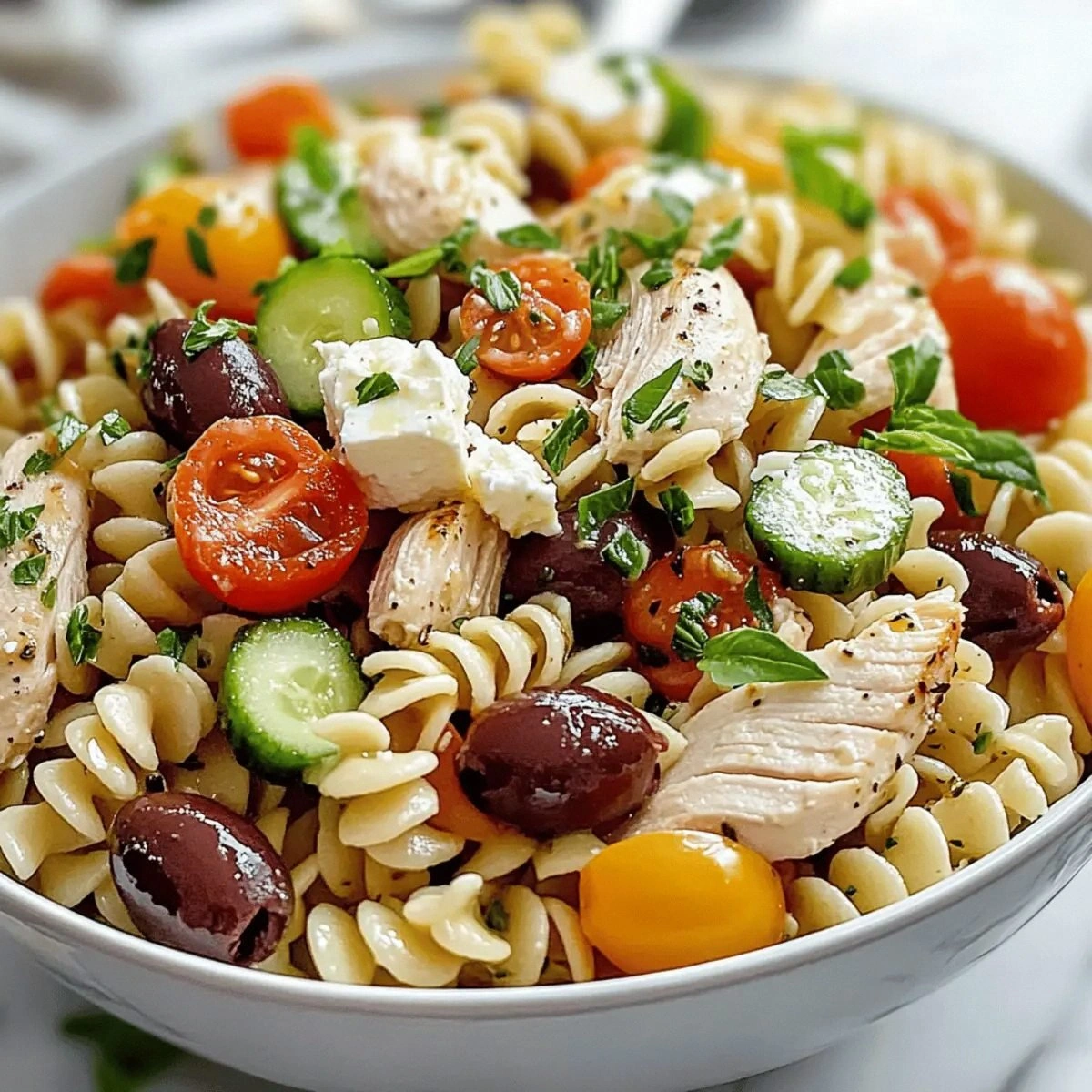
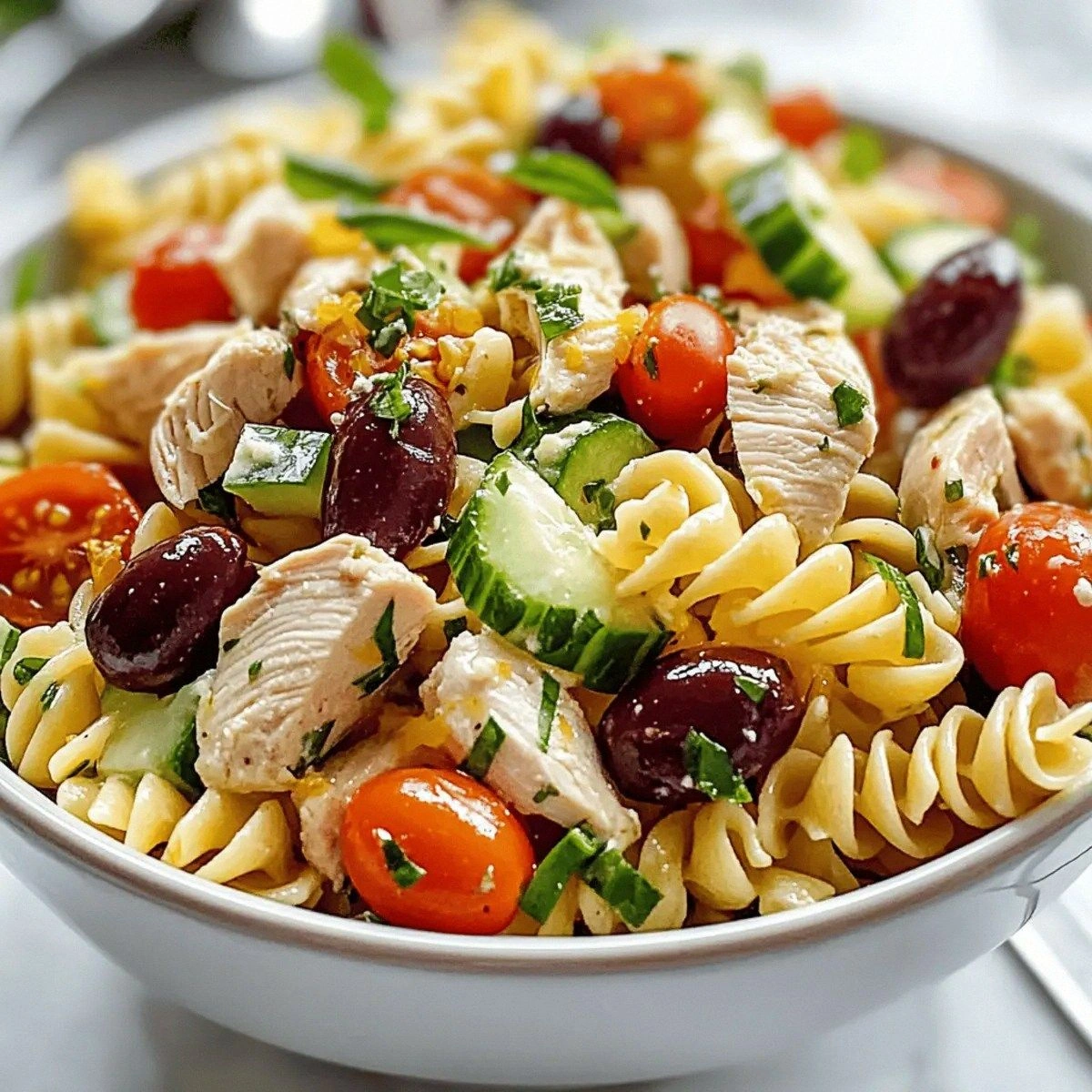
Now, combine the cooked pasta, sliced chicken, halved cherry tomatoes, diced cucumber, thinly sliced red onion, and the olives in the bowl. Toss gently, allowing the vinaigrette to coat every piece. The pasta should glisten, the vegetables should look glossy, and the chicken should be evenly speckled with the dressing. If the salad feels dry, splash in a tablespoon of the reserved pasta water; it will bring back that luxurious mouthfeel.
Gently fold in the feta cheese crumbles, letting them melt slightly into the warm pasta. The feta will create little pockets of creamy tang that burst with each bite. Be careful not to over‑mix; you want the cheese to stay in distinct clumps, not dissolve completely.
Cover the bowl with plastic wrap and let the salad rest in the refrigerator for at least 30 minutes. This resting period allows the flavors to meld, turning the dish from a collection of ingredients into a cohesive masterpiece. Picture yourself pulling this out of the fridge later, the whole kitchen smelling incredible with citrus and herb notes.
After chilling, give the salad one final gentle toss to redistribute any settled dressing. Taste again and add a pinch more salt or a drizzle of olive oil if needed. This is the moment of truth: the balance should be bright, savory, and just a tad creamy.
Divide the salad into airtight containers for meal prep, or serve it immediately with a side of crusty bread. Garnish each portion with a few extra olives or a sprinkle of fresh herbs for visual flair. And now the fun part: watch your coworkers and family devour it with gusto.
Store any leftovers in the refrigerator for up to four days. When reheating (if you prefer it warm), add a splash of water and microwave for 45 seconds, stirring halfway; the salad will spring back to life with the same vibrant texture.
That's it — you did it. But hold on, I've got a few more tricks that'll take this to another level...
Insider Tricks for Flawless Results
The Temperature Rule Nobody Follows
Never toss hot pasta directly into a cold vinaigrette. Let the pasta cool to room temperature first; this prevents the dressing from separating and ensures the feta retains its shape. I once tried to speed things up by mixing everything while the pasta was still steaming, and the result was a soggy mess that clumped together like wet laundry. The rule of thumb: “cool before you fold” keeps the salad light and airy.
Why Your Nose Knows Best
Before you add the final pinch of salt, take a deep sniff of the salad. The aroma will tell you if the lemon is still bright enough or if the herbs need a boost. Trusting your nose over the scale is a pro tip that saves countless dishes from being over‑seasoned. I’ve found that a quick nose test can replace an entire spoonful of seasoning.
The 5‑Minute Rest That Changes Everything
After mixing, let the salad rest uncovered for five minutes. This short pause allows the pasta to absorb the dressing fully, turning each bite into a flavor‑packed experience. Skipping this rest is the most common mistake I see; the salad tastes flat, and the textures feel disjointed. So set a timer and resist the urge to dive in immediately.
Olive Oil Quality Check
Use a high‑quality, cold‑pressed olive oil for the dressing. Cheaper oils can introduce bitterness that clashes with the lemon and feta. A quick taste test: dip a spoonful into the oil; if you detect a peppery finish, you’ve got the right one. If it tastes like a cheap cooking spray, discard it and upgrade.
Pre‑Season Your Chicken
Marinate the chicken in a mixture of olive oil, lemon zest, and a pinch of garlic for at least 30 minutes before cooking. This step infuses the meat with extra flavor, making each bite more succulent. I once served a version without marinating, and the chicken was bland compared to the rest of the salad — a clear lesson learned.
Creative Twists and Variations
This recipe is a playground. Here are some of my favorite ways to switch things up:
Greek Island Escape
Swap the penne for orzo, add sliced Kalamata olives, and crumble in a bit of roasted red pepper. The orzo gives a rice‑like bite, turning the dish into a true Greek meze. Perfect for summer picnics.
Spicy Southwest
Introduce a teaspoon of smoked paprika to the dressing, add black beans, corn kernels, and a dash of chipotle hot sauce. The heat pairs beautifully with the cool cucumber, creating a balanced kick.
Herbaceous Summer
Replace the dried Italian herbs with fresh basil, mint, and parsley. Add sliced strawberries for a sweet‑savory contrast that screams summer garden.
Protein‑Packed Power
Swap the chicken for grilled shrimp or cubed tofu for a different protein profile. Shrimp adds a briny sweetness, while tofu absorbs the vinaigrette like a sponge, making it ideal for vegetarians.
Cheesy Indulgence
Swap feta for crumbled goat cheese and add a handful of grated Parmesan. The goat cheese adds creaminess, while Parmesan brings a nutty depth that elevates the dish to a gourmet level.
Autumn Harvest
Use roasted butternut squash cubes, toasted walnuts, and a drizzle of maple‑brown butter vinaigrette. The sweet earthiness of squash pairs with the tangy lemon for a comforting fall twist.
Storing and Bringing It Back to Life
Fridge Storage
Transfer the salad into airtight glass containers, leaving a thin layer of dressing on top to keep everything moist. It will stay fresh for up to four days. For optimal texture, keep the feta in a separate small container and sprinkle it on just before serving.
Freezer Friendly
If you must freeze, separate the pasta from the fresh veggies. Store the pasta and chicken in a freezer‑safe bag for up to two months. Thaw in the refrigerator overnight, then fold in fresh cucumber, tomatoes, and dressing before serving.
Best Reheating Method
When you’re ready to enjoy a warm version, place the portion in a microwave‑safe bowl, add a splash of water or extra olive oil, and heat for 45 seconds, stirring halfway. The added moisture creates a gentle steam that revives the pasta’s al dente bite without turning the feta rubbery.