Picture this: I was in the middle of a culinary marathon, juggling a blender, a sauté pan, and a stack of recipe books, when my oven decided to throw a tantrum and refuse to heat. I had a craving for something bright, crisp, and utterly comforting, but I couldn’t risk another kitchen catastrophe. That moment sparked the birth of this sautéed vegetable masterpiece, a dish that turns ordinary produce into a symphony of flavors and textures. It’s a recipe that will make your taste buds do a happy dance and your pantry feel like a treasure trove of possibilities.
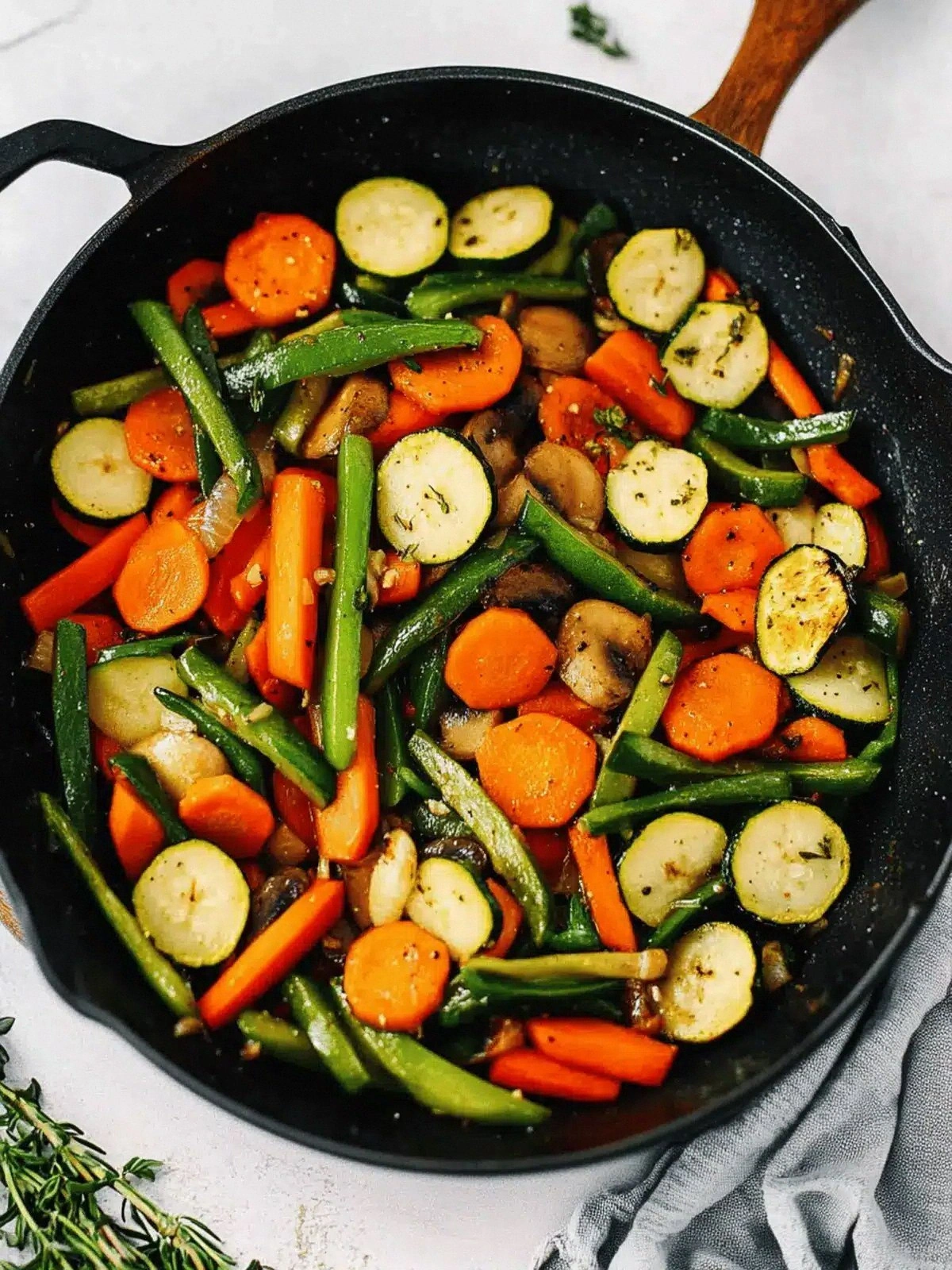
Imagine the first bite: the snap of a fresh carrot, the sweet pop of bell pepper, the earthy aroma of sautéed onions mingling with garlic. The surface of the pan glistens with a thin sheen of olive oil, and the sizzle that erupts when the veggies hit the heat is music to any home cook’s ears. As the vegetables cook, their colors deepen into a vibrant palette that could rival a sunset, while a subtle citrus note from lemon juice lifts the entire dish into the clouds. The texture is a delightful contrast: tender yet firm, with a hint of caramelization that coats each piece like a glossy coat. And the finish? A bright, slightly tangy finish that leaves you craving the next bite.
This isn’t just another “mixed vegetables” recipe; it’s a carefully orchestrated dance of flavors that balances sweetness, acidity, and umami. The use of a single tablespoon of balsamic vinegar or soy sauce adds depth without overpowering, while the lemon juice provides a fresh, almost citrusy lift that keeps the dish from feeling heavy. The technique of sautéing at high heat and then reducing to medium allows the vegetables to retain their vibrant crunch while developing a subtle caramelized edge that most people miss. The result is a dish that is both nutritionally robust and incredibly satisfying, making it the perfect side for any protein or a stand‑alone meal for a light lunch.
I dare you to taste this and not go back for seconds, because the secret lies in the timing of the sauce addition and the final stir that locks in moisture without steaming. The trick is to let the veggies sear for a minute or two before adding the acid, which helps them develop that coveted golden crust. And if you’re looking for a twist, swapping the balsamic for a splash of soy sauce introduces a savory depth that transforms the entire flavor profile. By the end, you’ll wonder how you ever made sautéed veggies any other way.
Let me walk you through every single step — by the end, you'll wonder how you ever made it any other way. The recipe is straightforward, yet each detail has been fine‑tuned to bring out the best in every vegetable. From the first sizzle to the final garnish, this dish will become your go‑to comfort food that never fails to impress. So grab your skillet, and let’s dive into the world of vibrant, healthy sautéed vegetables.
What Makes This Version Stand Out
- Flavor Harmony: The blend of fresh garlic, onions, and a splash of balsamic or soy sauce creates layers of savory depth that dance on the palate. Each ingredient complements the others, resulting in a cohesive taste that feels both familiar and adventurous.
- Texture Contrast: From the crisp snap of snap peas to the tender bite of zucchini, the dish delivers a satisfying medley of textures. The brief caramelization on the edges adds a subtle crunch that elevates every bite.
- Nutrient Density: Packed with vitamins A, C, K, and fiber, this sauté is as healthy as it is delicious. The olive oil provides heart‑healthy monounsaturated fats, while the lemon juice adds a vitamin C boost.
- Time Efficiency: Every step is designed to be quick, making this a perfect weeknight dinner. The vegetables cook in under 30 minutes, and the prep time is minimal.
- Crowd‑Pleaser: The bright colors and familiar flavors make this dish a hit with both kids and adults. It’s easy to customize with additional proteins or seasonings.
- Versatility: Serve it over rice, quinoa, or pasta, or use it as a side. The flavors adapt seamlessly to any main course, from grilled chicken to tofu.
Inside the Ingredient List
The Flavor Base
Olive oil and garlic form the aromatic foundation of this sauté. The oil’s subtle fruitiness carries the garlic’s pungency, creating a savory base that infuses every vegetable. If you’re looking for a heart‑healthy alternative, try grapeseed or avocado oil; the neutral flavor will let the veggies shine.
The Texture Crew
Onion, bell pepper, zucchini, broccoli, carrot, snap peas, and mushrooms each bring distinct textures. The onion provides a sweet, mellow bite after caramelizing, while the bell pepper adds a juicy crunch. Broccoli florets hold their shape well, and mushrooms release a savory umami that deepens the dish’s flavor profile.
The Unexpected Star
Lemon juice and balsamic vinegar (or soy sauce) are the unexpected stars that elevate this dish. The acid brightens the flavors, preventing the vegetables from feeling flat. If you prefer a sweeter finish, try a splash of honey or maple syrup; just keep the acid to balance the sweetness.
The Final Flourish
Salt and black pepper finish the dish, allowing each vegetable’s natural flavors to shine. The finishing touch of a squeeze of lemon juice just before serving adds a burst of freshness that keeps the dish from becoming heavy. A sprinkle of fresh herbs like parsley or cilantro can add a final pop of color and aroma.
Everything's prepped? Good. Let's get into the real action...
The Method — Step by Step
- Begin by washing and chopping all vegetables. Peel the carrot and slice it into thin rounds; dice the onion into uniform cubes; slice the bell pepper into strips; cut the zucchini into half‑moon slices; break the broccoli into bite‑size florets; trim the snap peas; and slice the mushrooms into even pieces. This prep step takes about ten minutes and sets the stage for a smooth cooking process.
- Heat a large skillet over medium‑high heat and add the olive oil. Once the oil shimmers, toss in the minced garlic and sauté for about 30 seconds until fragrant, but not browned. The aroma signals that the oil has reached the right temperature; this is the moment of truth where the foundation of flavor is laid.
- Add the diced onion to the skillet and cook until translucent, about 3 minutes. Then introduce the bell pepper, zucchini, carrot, broccoli, snap peas, and mushrooms. Stir frequently to ensure even heat distribution. The vegetables should sizzle and begin to develop a light golden crust.
- Season the mixture with salt and black pepper, then stir to coat. Let the vegetables cook for an additional 5–7 minutes, or until they reach your desired tenderness. The edges will start pulling away from the pan, indicating that they’re ready for the next step.
- Reduce the heat to medium and pour in the lemon juice and balsamic vinegar (or soy sauce). Toss vigorously to ensure every piece is evenly coated. The sauce should cling to the vegetables like a glossy coat, creating a bright, slightly tangy finish.
- Cook for another 2 minutes, allowing the flavors to meld and the sauce to thicken slightly. Taste and adjust seasoning if needed; a pinch more salt or a splash of extra lemon can fine‑tune the balance.
- Remove the skillet from heat and transfer the sautéed vegetables to a serving dish. Garnish with a sprinkle of fresh herbs or a dash of chili flakes for a subtle kick. Plate immediately to enjoy the vibrant colors and fresh textures at their peak.
- If you prefer a bit of crunch, sprinkle toasted sesame seeds or crushed red pepper before serving. These additions not only enhance texture but also introduce complementary flavor notes that elevate the dish.
- Serve hot over your choice of grains, or enjoy it as a hearty side. Pair it with grilled chicken, tofu, or a protein‑rich lentil stew for a balanced meal that satisfies both hunger and taste buds.
That's it — you did it. But hold on, I've got a few more tricks that'll take this to another level...
Insider Tricks for Flawless Results
The Temperature Rule Nobody Follows
Many cooks start sautéing at low heat, which leads to soggy vegetables. The secret is to begin at medium‑high, letting the oil reach the right temperature before adding garlic. Once the garlic releases its aroma, lower the heat to medium to avoid burning. This small adjustment ensures a crisp exterior and a tender interior.
Why Your Nose Knows Best
As the vegetables cook, their aroma evolves. A faint sweet scent indicates caramelization, while a sharp, grassy note suggests freshness. Trust your nose to cue when to add the acid; a well‑timed addition will brighten the dish without overpowering.
The 5‑Minute Rest That Changes Everything
After removing the skillet, let the vegetables rest for 5 minutes off the heat. This brief pause allows residual heat to finish cooking the veggies, resulting in a more even texture. A friend once skipped this step and ended up with unevenly cooked broccoli; it was a lesson learned the hard way.
The Flavor Layering Trick
Add the lemon juice just before serving to preserve its bright acidity. If you add it too early, the citrus can mellow out during cooking. A splash of fresh lemon juice at the end keeps the dish lively and refreshing.
The Quick Clean‑Up Hack
Wipe the skillet with a paper towel immediately after cooking; this prevents oil from drying and turning rancid. A quick wipe also makes the pan ready for the next batch, saving you time during cleanup.
Creative Twists and Variations
This recipe is a playground. Here are some of my favorite ways to switch things up:
Mediterranean Twist
Swap the balsamic for a splash of oregano and finish with crumbled feta cheese and a handful of Kalamata olives. The salty feta and briny olives add depth, while the oregano brings a fragrant herbaceous note that transports you to the Mediterranean coast.
Asian Flair
Replace the balsamic with soy sauce, add minced fresh ginger, and sprinkle toasted sesame seeds. Serve over jasmine rice and garnish with sliced green onions. The umami from the soy sauce and the zing of ginger create a dish that’s both comforting and exciting.
Autumn Harvest
Introduce diced butternut squash, a pinch of sage, and a drizzle of maple syrup. The sweetness of the squash balances the savory vegetables, while sage adds a warm, earthy aroma that feels like a cozy fall dinner.
Protein Power
Add cubed tofu, grilled chicken, or chickpeas for extra protein. Toss the protein into the skillet along with the veggies so it absorbs the same flavors. This variation turns the dish into a complete meal, perfect for a quick weeknight dinner.
Sweet & Spicy
Incorporate pineapple chunks and a pinch of chipotle powder. The tropical sweetness of pineapple pairs beautifully with the smoky heat of chipotle, creating a vibrant and unexpected flavor profile that will wow your guests.
Storing and Bringing It Back to Life
Fridge Storage
Store the sautéed vegetables in an airtight container for up to 4 days. Keep the container sealed to preserve freshness and prevent the veggies from drying out. When ready to reheat, add a splash of water to re‑hydrate the vegetables.
Freezer Friendly
For longer storage, freeze the vegetables in a single layer on a baking sheet before transferring to a freezer bag. They’ll stay good for up to 2 months. Thaw in the refrigerator overnight before reheating.
Best Reheating Method
Reheat in the microwave on high for 1 minute, then stir and add a tablespoon of water. Cover loosely with a paper towel to trap steam. Alternatively, finish on the stovetop with a splash of water and a quick stir to restore moisture.