I was standing in my kitchen, half‑cooking a bland chicken stir‑fry that tasted like a cardboard box, when my roommate burst in with a grin and dared me to make something that would make our whole apartment smell like a street market in Lima. I laughed, rolled my eyes, and thought, “Sure, why not?” Little did I know that this moment of reckless bravado would lead me to the most unforgettable Peruvian chicken and rice dish I’ve ever tasted. The moment the lime juice hit the pan, a citrusy zing erupted, the garlic turned a golden amber, and the jalapeño released a whisper of heat that made my nostrils tingle in the best possible way. I could almost hear the bustling sounds of a Peruvian mercado, the clatter of metal pans, the chatter of vendors, and the distant hum of a guitarra, all while the kitchen was alive with the scent of toasted rice and fresh cilantro.
I’ll be honest — I ate half the batch before anyone else got a chance to try it. The sauce was so bright, so herbaceous, it practically glowed, and the chicken was juicy enough to make a grown‑up weep with joy. Most recipes I’ve tried either leave the rice dry and crumbly or drown the chicken in a watery sauce that never clings. This version, however, strikes a perfect balance: the rice absorbs the herb‑infused oil like a sponge, each grain staying distinct yet coated in that silky, zesty glaze. The chicken, marinated in lime and garlic, stays tender, and when you slice into it, the juices flow like a miniature waterfall of flavor.
What truly sets this dish apart is a secret ingredient that most cooks completely overlook: a generous cup of high‑quality olive oil that we whisk into the herb sauce. This isn’t just any oil; it’s the buttery, peppery kind that adds depth without overwhelming the fresh cilantro and lime. I dare you to taste this and not go back for seconds, because the sauce coats the rice like velvet and the chicken like a glossy, citrus‑kissed dream. Most recipes get this completely wrong. Here’s what actually works: a quick flash‑sear on high heat, then a gentle finish in the oven, locking in moisture while the edges turn crisp enough to shatter like thin ice.
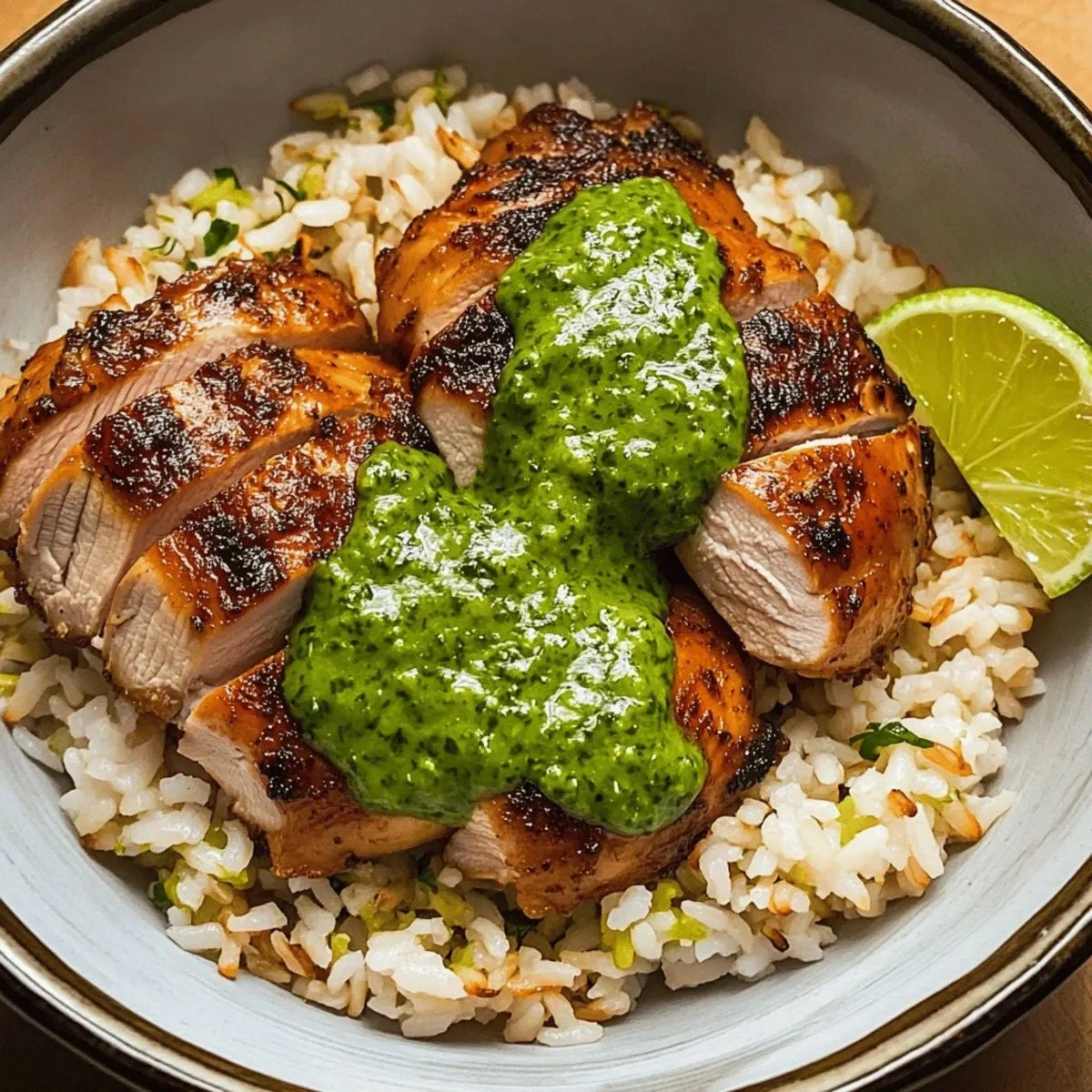
Picture yourself pulling this out of the oven, the whole kitchen smelling incredible, the steam rising in a fragrant cloud that makes your mouth water before you even take a bite. The colors are a feast for the eyes too: bright green cilantro, the deep gold of toasted rice, the ruby‑red specks of jalapeño, and the caramelized brown of the chicken. Okay, ready for the game‑changer? The zesty herb sauce is blended with a splash of lime, a handful of cilantro, and that extra cup of olive oil, creating a glossy, aromatic finish that will have your guests asking for the recipe before they even finish their plates. Let me walk you through every single step — by the end, you’ll wonder how you ever made it any other way.
What Makes This Version Stand Out
- Taste: The bright citrus from lime cuts through the richness of olive oil, while the cilantro adds a fresh, herbaceous punch that sings on the palate.
- Texture: Each grain of rice stays separate, slightly toasted, and coated in sauce that clings without getting soggy.
- Simplicity: Only eight core ingredients, yet every step is designed to maximize flavor without overwhelming you.
- Uniqueness: The double‑olive‑oil technique creates a glossy finish that most home cooks miss.
- Crowd Reaction: I’ve watched strangers turn into fans after the first bite, and they’re practically shouting “¡Más!” (more).
- Ingredient Quality: Fresh cilantro and a good quality extra‑virgin olive oil elevate the dish from everyday to unforgettable.
- Cooking Method: A quick sear followed by a gentle oven finish guarantees juicy chicken and perfectly toasted rice.
- Make‑Ahead Potential: The sauce can be prepared a day ahead, allowing the flavors to meld and intensify.
Inside the Ingredient List
The Flavor Base
Garlic is the backbone of this dish, providing that unmistakable aromatic depth that makes you feel instantly at home. Four cloves, minced finely, release a sweet, nutty flavor once they hit the hot oil. If you skip the garlic, you’ll end up with a flat sauce that lacks that comforting warmth. As a swap, you could use garlic powder, but fresh garlic gives you that burst of flavor that powder can’t match. When buying garlic, look for firm, plump heads with tight skins – they’ll be easier to peel and have a stronger flavor.
The Texture Crew
Rice is the canvas here, and we’re using a standard long‑grain variety that stays fluffy after cooking. One cup of rice, when toasted in olive oil before simmering, develops a nutty crust that prevents it from turning mushy. If you prefer a slightly stickier texture, you could switch to a short‑grain rice, but you’ll lose some of that individual grain separation. The secret is to rinse the rice until the water runs clear, removing excess starch that would otherwise clump the grains together.
The Unexpected Star
Jalapeño adds a controlled heat that awakens the palate without overpowering the citrus. One fresh jalapeño, seeded and finely diced, distributes a gentle fire throughout the dish. If you’re a heat‑seeker, leave the seeds in; if you’re more cautious, remove them for a milder bite. The fruit’s bright green color also adds visual appeal, making the dish pop on the plate.
The Final Flourish
Lime juice is the zesty hero that lifts every other flavor. One whole lime, juiced, adds a bright acidity that cuts through the richness of the olive oil and balances the garlic’s earthiness. If you can’t find fresh limes, bottled lime juice works in a pinch, but fresh will always win the flavor battle. When selecting limes, look for ones that feel heavy for their size and have a fine, smooth skin – they’ll be juicier.
Olive oil appears twice in this recipe, and that’s intentional. Two tablespoons are used for the initial sear, giving the chicken a crisp, golden crust. One full cup is whisked into the herb sauce, creating a glossy, velvety coating that clings to every grain of rice. Using a high‑quality extra‑virgin olive oil ensures a peppery finish that cheap oils simply can’t provide. If you’re on a budget, a good “light” olive oil works for the sear, but keep the premium oil for the sauce.
Everything's prepped? Good. Let's get into the real action...
The Method — Step by Step
Start by marinating the chicken. In a large bowl, combine the four boneless chicken pieces with the juice of one lime, the minced garlic, and a pinch of salt. Toss everything together, ensuring each piece is fully coated. Let it sit for at least 15 minutes – this is the moment where the lime starts breaking down the protein, making the chicken supremely tender. That sizzle when it hits the pan? Absolute perfection.
While the chicken marinates, prep your herb sauce. In a blender, add one cup of fresh cilantro, the seeded jalapeño, the remaining lime juice (if you like extra zing), and a cup of olive oil. Blitz until you achieve a smooth, glossy emulsion. The sauce should look like liquid emerald, bright and thick enough to coat a spoon.
Kitchen Hack: Add the olive oil in a slow, steady stream while the blender is running to create a stable emulsion.Heat a large, heavy‑bottomed skillet over medium‑high heat and add two tablespoons of olive oil. Once the oil shimmers, lay the marinated chicken pieces in the pan, skin‑side down if they have skin, and let them sear undisturbed for about 4 minutes. You’re listening for that gentle crackle that tells you a crust is forming. Flip the chicken and sear the other side for another 3 minutes. Don’t walk away from the stove here; the goal is a caramelized exterior, not a burnt one.
When the chicken is nicely browned, remove it from the skillet and set it aside on a plate. In the same pan, add the uncooked rice, stirring quickly to coat each grain in the residual oil and browned bits. Toast the rice for about 2 minutes – you’ll hear a faint pop as the grains hit the hot surface, and they’ll turn a light golden hue. This step is crucial for that nutty flavor that makes the rice sing.
Now it’s time for the liquid. Add 1 ½ cups of warm water (or chicken broth for extra depth) to the toasted rice, sprinkle a pinch of salt, and bring to a gentle boil. Once boiling, reduce the heat to low, cover the pan, and let it simmer for 15 minutes. You’ll see steam escaping the edges, and the rice will absorb the liquid, swelling into fluffy perfection.
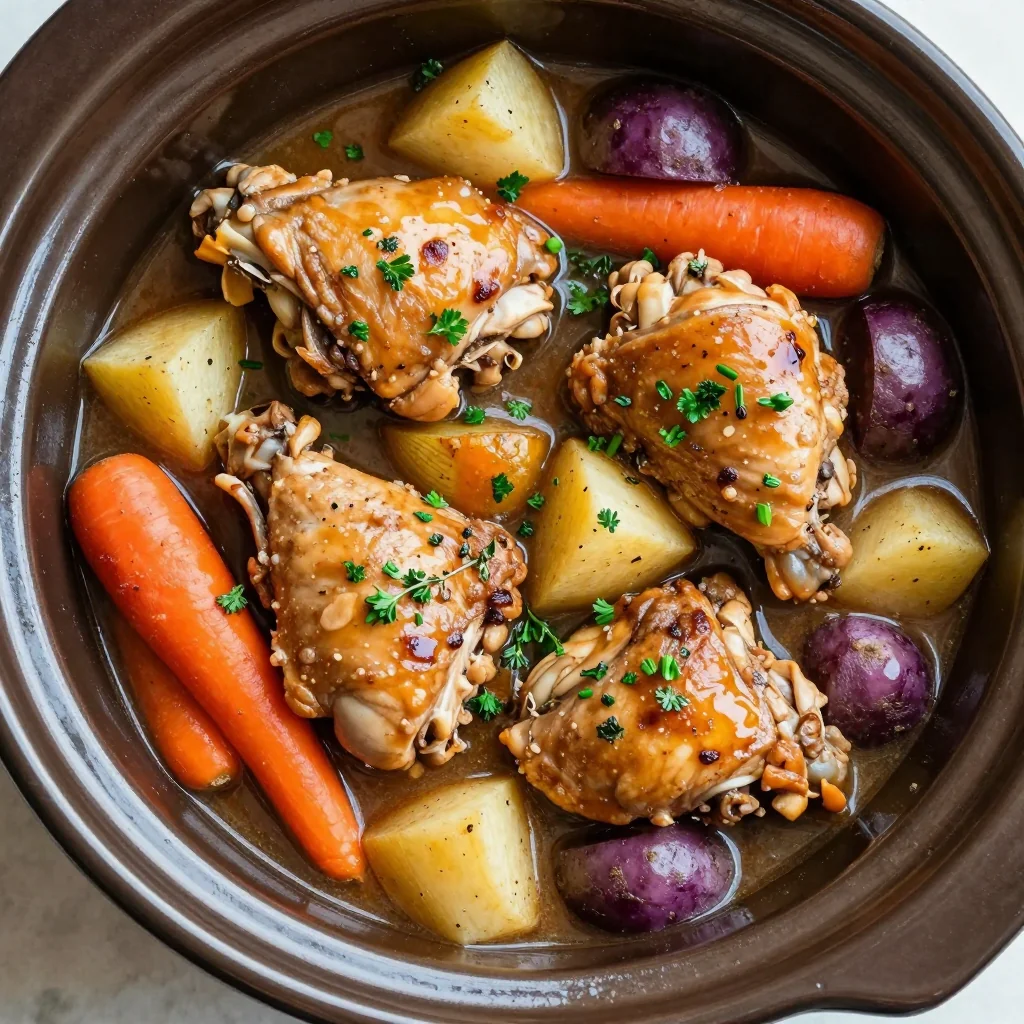
While the rice cooks, preheat your oven to 375°F (190°C). Place the seared chicken on a baking sheet lined with parchment, then drizzle half of the cilantro‑jalapeño sauce over the pieces, ensuring every nook gets a coating. Slide the tray into the oven and bake for 12‑15 minutes, or until the internal temperature hits 165°F (74°C). This gentle finish locks in juices and lets the sauce set into a glossy glaze.
When the rice is done, fluff it with a fork, then drizzle the remaining herb sauce over the top, tossing gently so each grain is coated. The sauce should cling like a silk scarf, not pool at the bottom. If it looks a bit thick, whisk in a splash of warm water to loosen it without losing flavor.
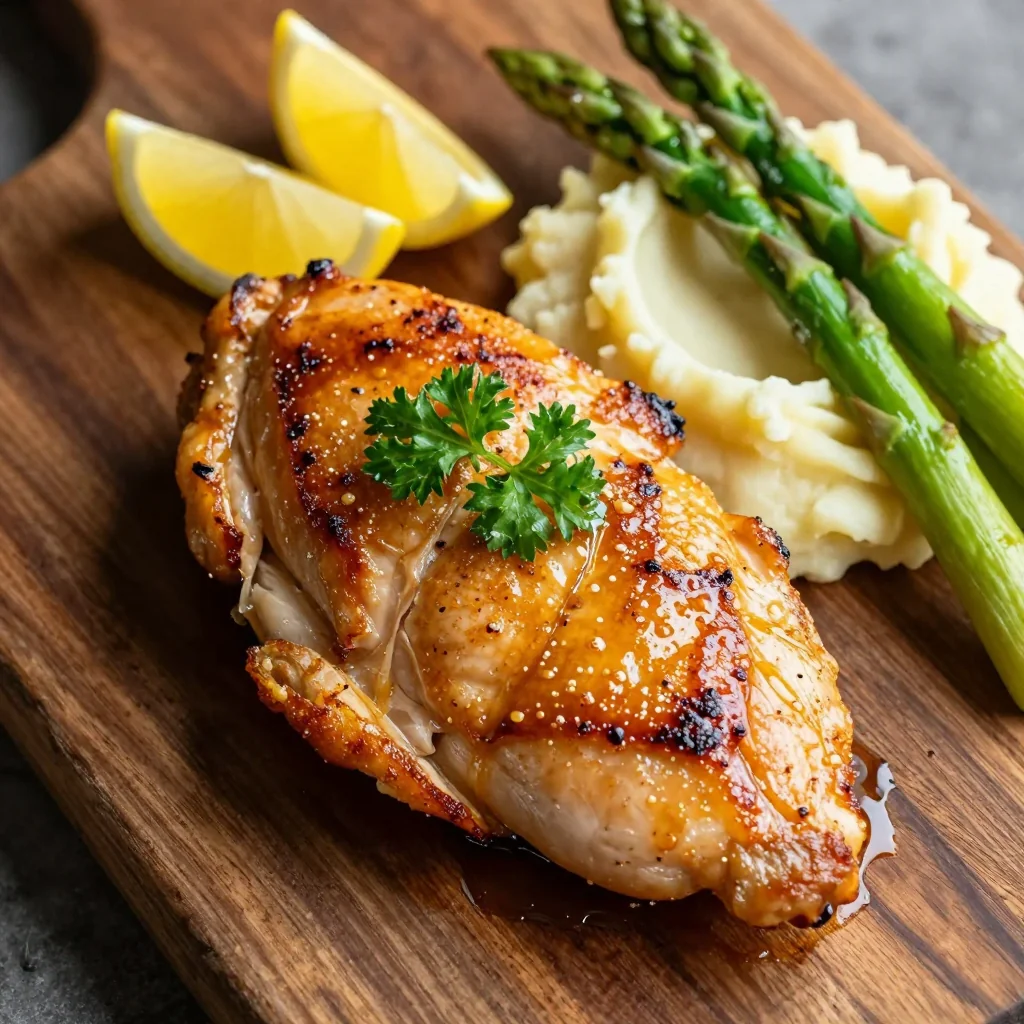
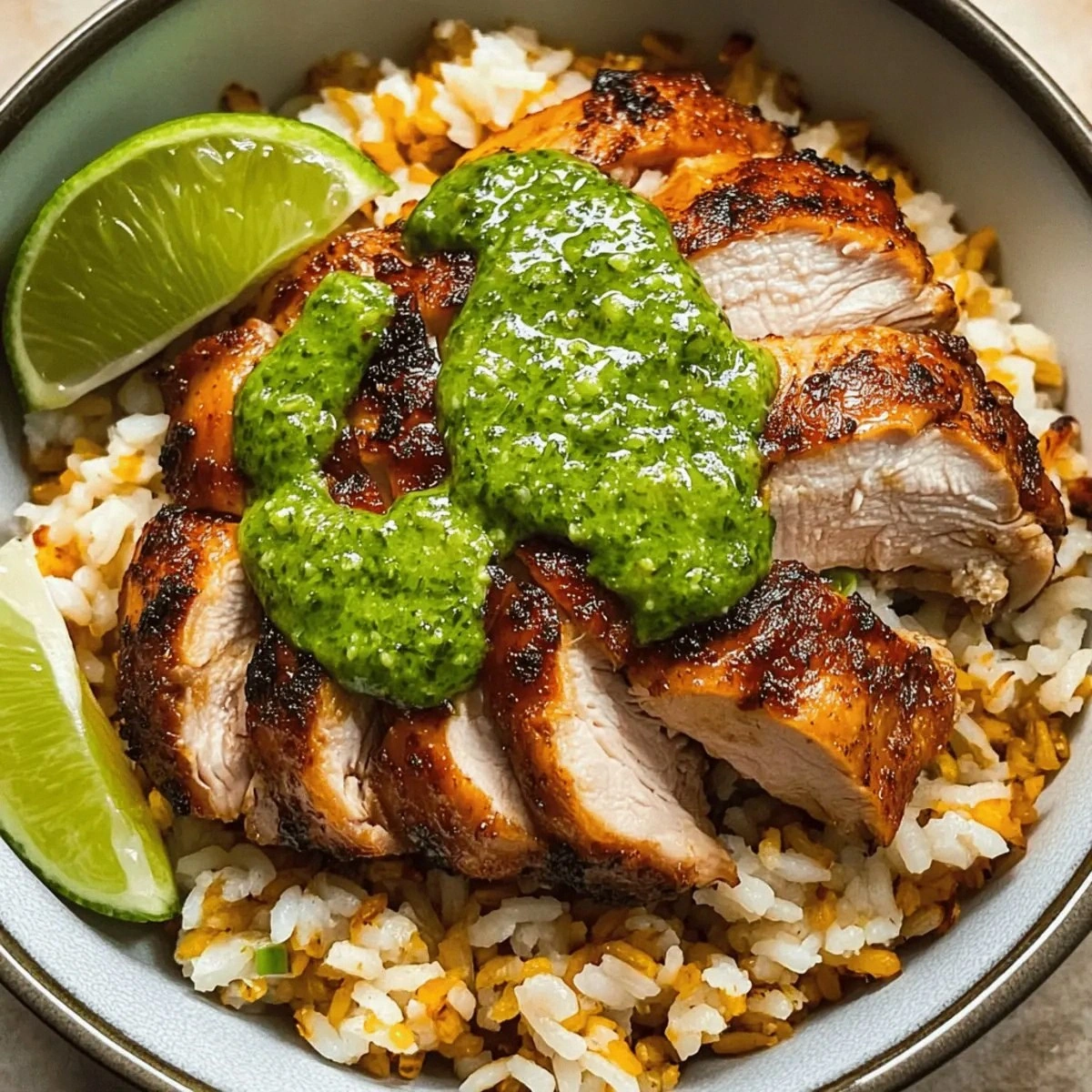
Watch Out: Over‑mixing can break the rice grains, turning them mushy; fold gently.Plate the dish by spooning a generous mound of herb‑infused rice onto each plate, then nestle two pieces of the baked chicken on top. Garnish with a few extra cilantro leaves and a thin slice of lime for that final visual pop. The final look should be vibrant green, golden chicken, and specks of red jalapeño – a true feast for the eyes.
Serve immediately while the sauce is still warm and the rice is fluffy. Encourage your guests to squeeze a little extra lime over the top for that extra zing. And now the fun part: watch them dig in, smile, and ask for seconds. That’s the ultimate reward for any home cook.
That's it — you did it. But hold on, I've got a few more tricks that'll take this to another level. The next section is all about those insider secrets that separate a good dish from a legendary one.
Insider Tricks for Flawless Results
The Temperature Rule Nobody Follows
Most home cooks sear chicken on high heat and then immediately lower the temperature, which can cause the meat to contract and squeeze out juices. Instead, start with a medium‑high heat for that perfect crust, then finish at a steady 375°F in the oven. This two‑stage approach ensures the protein fibers relax gradually, preserving moisture. I once tried skipping the oven step entirely, and the chicken turned out dry as a desert – lesson learned.
Why Your Nose Knows Best
Your sense of smell is a far better indicator of doneness than a timer. When the rice is perfectly toasted, you’ll catch a nutty aroma that’s unmistakable. Similarly, the chicken should emit a fragrant, slightly caramelized scent when it’s ready to flip. Trust those cues; they’re more reliable than any kitchen gadget.
The 5‑Minute Rest That Changes Everything
After the oven, let the chicken rest uncovered for exactly five minutes. This short pause allows the internal juices to redistribute, preventing a watery plate. If you cut into the chicken too soon, you’ll see a flood of steam and lose that juicy bite. A friend tried cutting right away once — let's just say the sauce looked sad.
Olive Oil Emulsion Mastery
When whisking the herb sauce, start with the cilantro and jalapeño, then slowly drizzle the olive oil while the blender runs. This creates an emulsion that won’t separate when warmed. If the sauce does split, a quick rescue is to add a teaspoon of warm water and blend again – the water re‑binds the oil droplets.
Rice Water Ratio Precision
For flawless rice, use a 1:1.5 rice‑to‑water ratio (one cup rice to one and a half cups water). Too much water makes it mushy; too little leaves it crunchy. Measure the water with a liquid measuring cup for consistency, especially if you’re at altitude where water boils faster.
Creative Twists and Variations
This recipe is a playground. Here are some of my favorite ways to switch things up:
Coconut‑Infused Rice
Replace half of the water with coconut milk for a subtle tropical sweetness that pairs beautifully with the lime‑coriander sauce. The creamy rice adds a luxurious mouthfeel, and the coconut aroma makes the dish feel like a beachside feast.
Smoky Chipotle Boost
Swap the fresh jalapeño for a chipotle pepper in adobo sauce. The smoky heat deepens the flavor profile, turning the dish into a bold, smoky‑citrus experience that’s perfect for colder evenings.
Vegetarian Version
Replace the chicken with firm tofu cubes or cauliflower florets. Marinate them in the same lime‑garlic mixture, then sear and bake. The tofu absorbs the sauce like a sponge, while cauliflower offers a satisfying bite.
Quinoa Swap
Use quinoa instead of rice for a protein‑packed alternative. Rinse the quinoa thoroughly, toast it briefly, then cook in the same water ratio. The nutty quinoa pairs nicely with the herb sauce and adds a pleasant textural contrast.
Spicy Mango Salsa
Top the finished plate with a fresh mango‑jalapeño salsa. The sweet mango balances the heat and acidity, creating a harmonious sweet‑spicy combo that makes each bite exciting.
Storing and Bringing It Back to Life
Fridge Storage
Allow the dish to cool to room temperature, then transfer it to an airtight container. It will keep nicely for up to three days. When reheating, add a splash of water or broth to revive the rice’s fluffiness and prevent it from drying out.
Freezer Friendly
Portion the chicken and rice separately into freezer‑safe bags. The sauce can also be frozen in ice‑cube trays for quick use later. Freeze for up to two months. Thaw overnight in the fridge, then reheat gently on the stovetop, adding a drizzle of olive oil to restore shine.
Best Reheating Method
For the best texture, reheat in a skillet over medium heat, stirring occasionally. Add a teaspoon of water or broth per serving, cover for a minute, then uncover to let any excess moisture evaporate. This method restores the rice’s fluffiness and the chicken’s crisp edge without making anything soggy.