It started on a rainy Tuesday, when I was scrambling to salvage a batch of stale Biscoff cookies that had somehow survived the grocery bag’s bottom. The kitchen was a mess, the air thick with the smell of burnt sugar, and my mood was as flat as a pancake. I stared at the cookie crumbs and thought, “Why not turn this into something that could actually taste good?” That moment of culinary desperation turned into a revelation: the secret to turning ordinary Biscoff cookies into indulgent truffles lies in the humble cookie butter.
I opened the jar, and the buttery aroma hit me like a warm blanket on a cold night. The glossy, caramelized surface of the cookie butter reflected the kitchen lights, making it look like a tiny, edible moon. As I scooped a generous spoonful, I could taste the deep, toffee-like richness that promised to transform the blandness of crushed cookies into something velvety and decadent. The texture was silky, and the scent was so inviting that I could almost hear the crunch of a freshly baked cookie in the background.
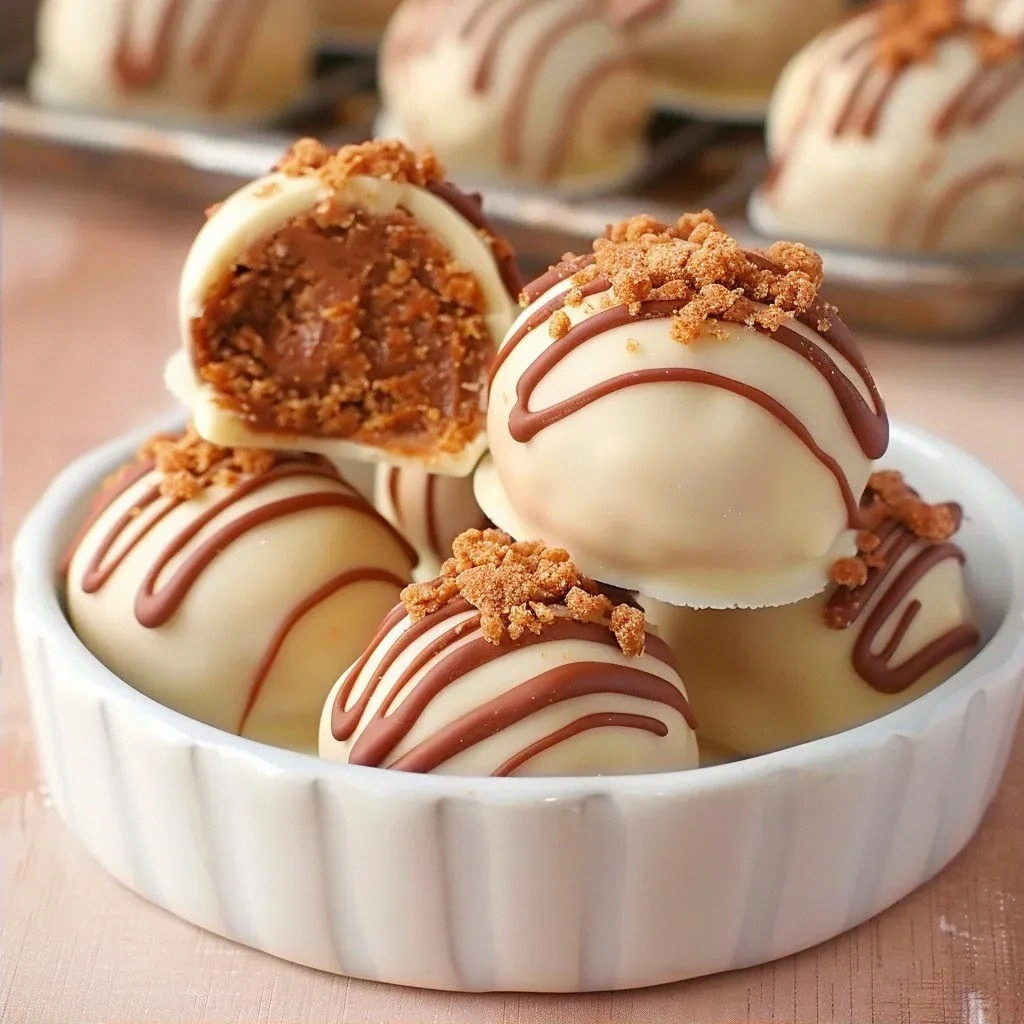
What sets this version apart is not just the use of cookie butter, but the precise balance of flavors and textures. By combining the crunch of whole Biscoff cookies with the creaminess of cream cheese and the subtle sweetness of white chocolate, I created a truffle that is both a bite-sized treat and a sophisticated dessert. The result is a harmony of caramel, chocolate, and a hint of vanilla that dances on the palate. The cookie butter acts as the glue, binding the components while adding a buttery depth that no other butter could replicate.
I dare you to taste this and not go back for seconds. The first bite will feel like a warm hug wrapped in a caramelized cookie shell, and you’ll immediately know that this is hands down the best version you’ll ever make at home. Picture yourself pulling this out of the fridge, the whole kitchen smelling incredible, and the anticipation building as you roll the truffle into a perfect ball. If you’ve ever struggled with truffles that fall apart or taste flat, you’re not alone — and I’ve got the fix. Okay, ready for the game‑changer? Let me walk you through every single step — by the end, you’ll wonder how you ever made it any other way.
What Makes This Version Stand Out
- Flavor: The caramel undertones of the Biscoff cookies mingle with the subtle vanilla of the white chocolate, creating a complex yet harmonious taste profile that feels both nostalgic and luxurious.
- Texture: The crunchy cookie pieces contrast with the creamy filling, giving each bite a satisfying snap followed by a silky melt.
- Simplicity: No baking, no chilling, just a handful of ingredients and a few minutes of mixing — perfect for a last‑minute dessert.
- Uniqueness: The double dose of cookie butter provides depth that most truffle recipes lack, making it stand out from the crowd.
- Ingredient Quality: Using high‑quality Biscoff cookies and premium white chocolate ensures that each truffle feels indulgent without the need for added sugar.
- Make‑ahead Potential: These truffles can be prepared a day in advance and stored in the fridge, allowing you to serve them fresh and ready for any occasion.
- Visual Appeal: The glossy coating and the subtle caramel sheen make them Instagram‑ready, while the bite‑size shape is perfect for sharing.
- Quick Recovery: Even if you’re a novice, the recipe’s forgiving nature means you can recover from a small mistake without compromising the final product.
Alright, let's break down exactly what goes into this masterpiece...
Inside the Ingredient List
The Flavor Base
45 Biscoff cookies form the backbone of this truffle. They provide the signature caramelized flavor and a subtle crunch that contrasts with the creamy interior. If you skip them, you lose the authentic Biscoff experience; the truffle would become a generic chocolate bite. For an extra hint of spice, consider adding a pinch of cinnamon to the cookie mixture.
The Texture Crew
8 ounces of cream cheese adds a silky, slightly tangy creaminess that balances the sweetness of the cookie butter. The cream cheese also helps the truffle hold its shape, preventing it from falling apart during rolling. If you’re vegan, try using a dairy-free cream cheese alternative; the texture will be slightly lighter, but the flavor will remain intact.
The Unexpected Star
10-12 ounces of white chocolate is the luxurious layer that coats the truffle. The white chocolate’s high fat content gives the truffle a glossy finish and a melt-in-your-mouth feel. If you’re a dark chocolate lover, you can swap it for dark chocolate, but be prepared for a more bitter profile.
The First Cookie Butter
¼ cup of Biscoff cookie butter is folded into the cookie crumbs, binding the mixture and infusing it with buttery caramel flavor. This amount is crucial; too little and the truffle will be dry, too much and it will become overly sweet. When measuring, use a liquid measuring cup to avoid under‑portioning.
The Second Cookie Butter
2 tablespoons of Biscoff cookie butter are melted with the white chocolate to create a silky glaze. This glaze not only adds flavor but also gives the truffle a beautiful sheen. If you prefer a thicker coating, double the amount; the truffle will still hold its shape.
Optional Enhancements
A pinch of sea salt can elevate the caramel notes, while a splash of vanilla extract adds depth. For a festive twist, sprinkle a little crushed espresso or cocoa powder on top before the glaze sets. These additions are optional, but they can transform the truffle into a themed treat for any holiday.
Everything's prepped? Good. Let's get into the real action...
The Method — Step by Step
- First, crush the 45 Biscoff cookies using a rolling pin or a food processor until you have fine crumbs. The goal is an even texture that will hold together. As the crumbs form, you’ll notice the caramel aroma intensify, setting a delicious stage for the next steps.
- Add the ¼ cup of Biscoff cookie butter to the crumbs and mix thoroughly. Use a wooden spoon to fold until the mixture resembles damp sand. This binding step is crucial; if the mixture feels too dry, add a teaspoon of water to bring it together.
- Fold in the 8 ounces of softened cream cheese. Beat the mixture for about two minutes until it becomes smooth and creamy. The cream cheese not only adds flavor but also gives the truffle a luxurious mouthfeel.
- Roll the mixture into small balls, about 1 inch in diameter. Place them on a parchment-lined tray. If the mixture sticks to your hands, lightly dust them with powdered sugar or cocoa powder.
- Melt the 10-12 ounces of white chocolate in a double boiler or microwave, stirring every 30 seconds until glossy. Watch the temperature; it should reach around 110°F for a smooth glaze. The watchful eye ensures the chocolate won’t seize.
- Add the 2 tablespoons of cookie butter to the melted chocolate and stir until fully incorporated. This step creates a luscious glaze that coats each truffle beautifully.
- Dip each truffle ball into the chocolate glaze, using a fork to coat it evenly. Let the excess drip off before placing it back on the parchment. The glaze should form a thin, glossy shell.
- Allow the glaze to set at room temperature for 15-20 minutes, or place them in the fridge for 10 minutes to speed up the process. The truffles should feel firm yet still slightly pliable when touched.
That's it — you did it. But hold on, I've got a few more tricks that'll take this to another level...
Insider Tricks for Flawless Results
The Temperature Rule Nobody Follows
Always melt your chocolate at 110°F to 120°F. This temperature range ensures a silky glaze that sets without cracking. If you’re unsure, use a candy thermometer for precision. Remember, a chocolate that’s too hot can become sticky and lose its sheen.
Why Your Nose Knows Best
Smell the chocolate before you add the cookie butter. A fragrant, buttery aroma signals that the chocolate is ready. If it smells flat, give it a few more minutes to heat. Your nose is your best quality control sensor.
The 5-Minute Rest That Changes Everything
Let the truffles rest for exactly five minutes after the glaze sets. This pause allows the chocolate to firm up properly, preventing a soft, runny shell. During this time, you can prepare a garnish or a small side dish.
Avoiding the Sticky Mess
If your truffles stick to the parchment, lightly dust them with powdered sugar or a thin layer of cocoa powder before dipping. This creates a non-stick barrier that also adds a subtle flavor. The trick is to use just enough to prevent sticking without masking the caramel notes.
Rolling Technique for Uniform Size
Use a small cookie scoop or a teaspoon to portion out the mixture. This ensures each truffle is the same size, making the final presentation look polished. Uneven sizes can cause uneven melting and a less satisfying bite.
Cooling Trick for Extra Shine
After the glaze sets, place the truffles on a wire rack for a few minutes. This allows excess moisture to evaporate, giving the glaze a brilliant shine. It also prevents the truffles from sitting in condensation, which can soften the chocolate.
Creative Twists and Variations
This recipe is a playground. Here are some of my favorite ways to switch things up:
Espresso‑Infused Truffles
Stir a teaspoon of instant espresso into the melted chocolate glaze. The coffee’s bitterness balances the sweetness, creating a sophisticated flavor profile. These are perfect for an after‑dinner treat or a coffee lover’s snack.
Almond Crunch Variation
Add chopped toasted almonds to the cookie crumb mixture before rolling. The nutty crunch adds a new dimension and pairs beautifully with the caramel notes. Sprinkle a pinch of sea salt on top for an extra pop.
Coconut‑Lemon Surprise
Replace the white chocolate with coconut‑flavored chocolate and zest a lemon into the cookie butter. The citrus brightness brightens the caramel base, giving the truffle a tropical twist. Garnish with shredded coconut for a beach‑y feel.
Chocolate‑Covered Biscoff Bites
Instead of dipping, coat the truffle balls in melted dark chocolate. The dark chocolate adds depth and a slight bitterness that contrasts nicely with the sweet cookie butter. This variation is ideal for those who love a richer, less sweet dessert.
Minty Fresh Edition
Add a few drops of peppermint extract to the melted chocolate glaze. The mint undertone brings a refreshing finish, especially during hot summer months. Serve chilled for a cooling treat.
Nutella‑Inspired Twist
Swap the white chocolate for Nutella and add a dash of hazelnut oil. The hazelnut flavor deepens the chocolate notes, creating a truffle that feels like a chocolate cookie bar in miniature form. It’s a fun, indulgent variation for nut lovers.
Storing and Bringing It Back to Life
Fridge Storage
Store truffles in an airtight container at room temperature for up to 5 days. The airtight seal prevents the chocolate from absorbing odors from the fridge. Keep them away from strong-smelling foods to preserve their pure caramel flavor.
Freezer Friendly
For longer storage, freeze truffles in a single layer on a parchment-lined tray. Once frozen, transfer them to a freezer bag. They’ll stay fresh for up to 3 months, and thawing at room temperature restores their original texture.
Best Reheating Method
To revive a frozen truffle, place it in a microwave-safe dish and heat on low for 10-15 seconds. Add a tiny splash of water before reheating to create steam, which helps the chocolate regain its glossy finish. Let it sit for a minute before serving to ensure the flavors meld.