I was halfway through a week of bland, over‑cooked dinners when my roommate’s voice cut through the kitchen like a knife. “We need something that feels like a hug, not a recipe book,” she declared, clutching a half‑baked casserole that had turned into a soggy mess. That moment sparked a culinary epiphany: a casserole so simple, so comforting, that even the most kitchen‑inexperienced can achieve a restaurant‑style finish in under an hour.
Picture the aroma of butter sizzling against a pan, the gentle hiss of a roux thickening, and the steam that rises like a promise of warmth. Feel the heat of the oven, the gentle clink of a spoon against a metal bowl, and the anticipation that builds as the dish begins to rise and caramelize. Listen to the sizzle, the bubbling of broth, and the crackle of breadcrumbs as they toast to a golden finish. Taste the first bite—a velvety sauce that coats the noodles, the savory chicken, and the bright burst of peas and carrots, all balanced by a hint of thyme.
This isn’t just another comfort food; it’s a revelation. The sauce glides over the noodles like silk, the breadcrumbs crackle with a satisfying crunch, and the Parmesan gives a sharp, nutty finish that lingers. It’s the kind of dish that turns a simple dinner into a celebration, and I’m about to show you how to create it in a way that feels effortless yet indulgent. I dare you to taste this and not go back for seconds.
I’ll be honest—when I first tried this version, I ate half the batch before anyone else even had a chance. That’s the power of a well‑balanced casserole: it’s so good you can’t wait to share it. Most recipes get this completely wrong, either by over‑cooking the noodles or by skimping on the sauce. Here’s what actually works: a creamy, herb‑infused sauce, a crisp breadcrumb topping, and a method that keeps everything moist and flavorful. Stay with me here—this is worth it.
Let me walk you through every single step—by the end, you’ll wonder how you ever made it any other way. Picture yourself pulling this out of the oven, the whole kitchen smelling incredible, and the family gathering around the table with smiles and hungry eyes. This is hands down the best version you’ll ever make at home. If you’ve ever struggled with casseroles, you’re not alone—and I’ve got the fix.
What Makes This Version Stand Out
- Flavor: The sauce is a harmony of butter, flour, and thyme that creates a silky base, turning ordinary noodles into a gourmet experience.
- Texture: The breadcrumb topping crisps to a golden crust while the noodles stay al dente, providing a satisfying contrast.
- Ingredient Quality: Using fresh, high‑quality chicken and real Parmesan elevates the dish beyond a quick fix.
- Time Efficiency: The entire process takes less than 45 minutes, making it ideal for busy weeknights.
- Make‑Ahead Potential: Assemble, bake, and refrigerate—then reheat in minutes for a stress‑free dinner.
- Versatility: Swap in different proteins or add a splash of white wine to tweak the flavor profile.
- Crowd Reaction: Even the pickiest eaters love the familiar flavors wrapped in a comforting, creamy blanket.
- Health Balance: The dish balances carbs, protein, and vegetables without sacrificing taste.
Alright, let's break down exactly what goes into this masterpiece. The magic happens not just in the ingredients but in how we layer them and manage the cooking process. Every element is chosen for its contribution to the final sensory experience—whether it’s the crunch of breadcrumbs or the smoothness of the sauce.
Inside the Ingredient List
The Flavor Base
Egg noodles are the backbone of this casserole, absorbing the sauce and becoming a silky, comforting foundation. They should be cooked to al dente before assembly to avoid over‑softening during baking. If you’re short on time, use pre‑cooked noodles, but be sure to rinse them under cold water to stop the cooking process. Swapping in whole‑wheat or gluten‑free noodles can add a nutritional twist without compromising flavor.
The chicken brings protein and a savory depth. Use rotisserie or leftover chicken for convenience, or cook fresh pieces with herbs for a fresher taste. If you’re aiming for a lighter version, substitute with shredded turkey or even diced tofu for a vegetarian option. The key is to keep the chicken moist; adding a splash of broth during assembly helps.
Frozen peas and carrots provide a pop of color and a burst of natural sweetness. Thaw them briefly before adding to avoid excess moisture. If you prefer a more rustic feel, use fresh peas and diced carrots, sautéed until just tender. The vegetables add both texture and a subtle sweetness that balances the savory sauce.
The Texture Crew
Celery and onion form the aromatic base, their flavors mellowing into the sauce as it cooks. Dice them finely so they soften quickly and release their essences without dominating the dish. A pinch of garlic would complement this trio, but the recipe keeps it clean to let the thyme shine.
Unsalted butter is the fat that enriches the sauce, giving it a glossy sheen and a buttery finish. It also helps the breadcrumbs toast evenly. For a richer flavor, try substituting half the butter with cream cheese; the result is an ultra‑creamy, decadent casserole.
All‑purpose flour acts as the thickening agent for the roux. It absorbs the butter, creating a golden paste that will hold the sauce together. Using a light‑colored flour gives the casserole a neutral canvas, allowing the thyme and Parmesan to stand out.
The Unexpected Star
Parmesan cheese is the secret to that irresistible savory depth. It melts into the sauce, adding a nutty, umami punch that lingers on the palate. Grated fresh Parmesan is best; pre‑grated versions often contain anti‑caking agents that can affect texture. A sprinkle on top before baking gives a golden crust that’s both visual and flavorful.
The final flourishes—breadcrumbs, fresh parsley, and a dash of thyme—create layers of texture and aroma. Breadcrumbs add a crunchy contrast that breaks up the creamy sauce, while parsley brings a fresh, herbaceous note that lifts the dish. A pinch of black pepper adds a subtle heat that balances the richness.
Everything's prepped? Good. Let's get into the real action. This next part? Pure magic.
The Method — Step by Step
- Preheat your oven to 375°F (190°C). While the oven warms, bring a medium pot of salted water to a gentle boil. Add the egg noodles and cook until just al dente, about 6 minutes. Drain and set aside; a quick rinse under cold water stops the cooking and prevents sogginess during baking.
- In a large skillet, melt ¼ cup of butter over medium heat. Once bubbling, sprinkle ¼ cup of flour and stir constantly for 2 minutes until the mixture turns a light golden color. This creates a smooth roux that will thicken the sauce without lumps.
- Gradually whisk in 2 cups of chicken broth and 1 cup of milk, ensuring a silky consistency. Let the mixture simmer for 5 minutes, stirring frequently. The sauce should thicken and coat the back of a spoon. This is the moment of truth—if it’s not velvety, give it a few more minutes.
- Add the cooked chicken, frozen peas and carrots, diced celery, and diced onion to the sauce. Stir until everything is evenly coated. Sprinkle 1 teaspoon of dried thyme and season with salt and pepper to taste. The thyme should bloom, releasing its fragrant aroma, and the salt should bring out the natural sweetness of the veggies.
- Fold in the pre‑cooked noodles, ensuring they’re fully submerged in the sauce. The noodles should be slick with the creamy mixture, not dry or clumpy. This step locks in moisture and flavor.
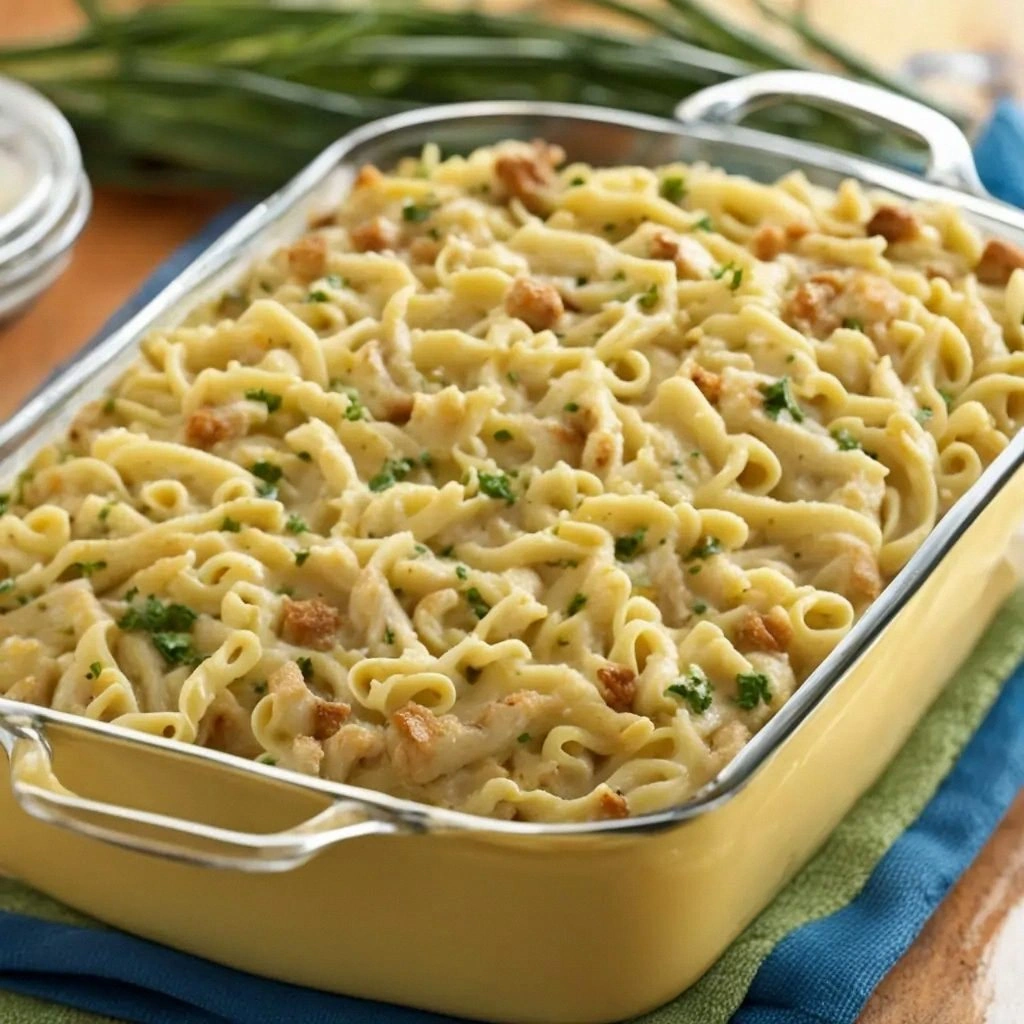
- Transfer the noodle mixture to a greased 9x13-inch baking dish, spreading it evenly. Top with 1 cup of breadcrumbs, ¼ cup of grated Parmesan, and a drizzle of the remaining 2 tablespoons of butter melted. The butter will melt into the breadcrumbs, creating a golden, crispy crust.
- Bake for 25-30 minutes, or until the top is golden brown and the casserole is bubbling around the edges. The crust should crackle slightly, offering a satisfying crunch with each bite.
- Remove from the oven and let rest for 5 minutes before serving. This resting period allows the flavors to meld and the sauce to thicken further. Garnish with fresh parsley for a burst of color and freshness.
- Serve hot, spooning generous amounts of the creamy sauce onto each plate. Pair with a crisp green salad or steamed broccoli for a balanced meal. Enjoy the comforting, velvety texture that makes this dish unforgettable.
That's it — you did it. But hold on, I've got a few more tricks that'll take this to another level. The next section dives into insider secrets that elevate the dish from good to unforgettable.
Insider Tricks for Flawless Results
The Temperature Rule Nobody Follows
Many people bake casseroles at 350°F, but a slightly higher temperature of 375°F ensures a crisp top without drying out the interior. The heat creates a golden crust while keeping the sauce silky. If you prefer a softer top, reduce the temperature to 350°F and extend the baking time by 5 minutes.
Why Your Nose Knows Best
Before you even taste the casserole, let the aroma guide you. A fragrant thyme and buttery scent signals that the sauce has thickened properly. If it still smells raw, give it a few more minutes to simmer.
The 5‑Minute Rest That Changes Everything
After baking, let the casserole rest for exactly five minutes. This pause allows the sauce to set, making it easier to serve and preventing it from sliding off the spoon. The rest period also lets the flavors meld, creating a more cohesive taste experience.
The Quick Broil Finish
If you want an extra crisp top, switch to broil for the last 2 minutes. Keep the oven rack close to the heat source and watch closely; the breadcrumbs will brown quickly, giving a delightful crunch.
The Secret to Moist Noodles
Add a splash of chicken broth to the noodle mixture before baking. The moisture keeps the noodles from drying out, especially if you plan to store leftovers. It also enhances the overall texture, making each bite tender and comforting.
The Flavor Layering Trick
Layer the vegetables on top of the noodles before adding the sauce. This technique creates a more uniform distribution of flavor throughout the casserole. It also allows the vegetables to caramelize slightly, adding a subtle sweetness.
Creative Twists and Variations
This recipe is a playground. Here are some of my favorite ways to switch things up:
Mediterranean Kick
Swap the thyme for oregano and add sun‑dried tomatoes. Use feta cheese instead of Parmesan for a tangy finish. The result is a Mediterranean‑inspired casserole that feels light yet flavorful.
Cheesy Broccoli Blast
Incorporate a cup of steamed broccoli and replace the breadcrumbs with crushed Ritz crackers. Top with shredded cheddar for a gooey, cheesy layer. This variation adds a hearty vegetable component and a rich, melty texture.
Asian Fusion Flair
Add a tablespoon of soy sauce and a teaspoon of sesame oil to the sauce. Replace the parsley with chopped green onions and sprinkle sesame seeds on top. The result is a comforting casserole with a subtle umami punch.
Spicy Cajun Twist
Stir in a pinch of cayenne pepper and a tablespoon of Cajun seasoning. Use smoked sausage instead of chicken for a deeper flavor. This version offers a smoky, spicy kick that pairs well with a cool yogurt dip.
Vegan Comfort
Use plant‑based milk and a vegan butter substitute. Replace chicken with sautéed tempeh or lentils. Top with nutritional yeast for a cheesy flavor without dairy.
Breakfast Casserole
Add diced ham or bacon and a splash of maple syrup. Serve with a side of fresh fruit. This twist turns the dish into a hearty breakfast that’s surprisingly sweet and savory.
Storing and Bringing It Back to Life
Fridge Storage
Cool the casserole completely before covering it tightly with foil or plastic wrap. Store in the refrigerator for up to 4 days. The sauce may thicken slightly; a quick stir and a splash of milk will restore its silky consistency.
Freezer Friendly
Divide the casserole into individual portions and wrap each in freezer paper. Label with the date and freeze for up to 2 months. When ready, thaw overnight in the refrigerator and bake at 350°F for 25 minutes, or until heated through.
Best Reheating Method
Reheat the casserole in a pre‑heated oven at 350°F for 15-20 minutes. Add a splash of water or broth before reheating; this steams the dish back to its original moistness and prevents dryness.