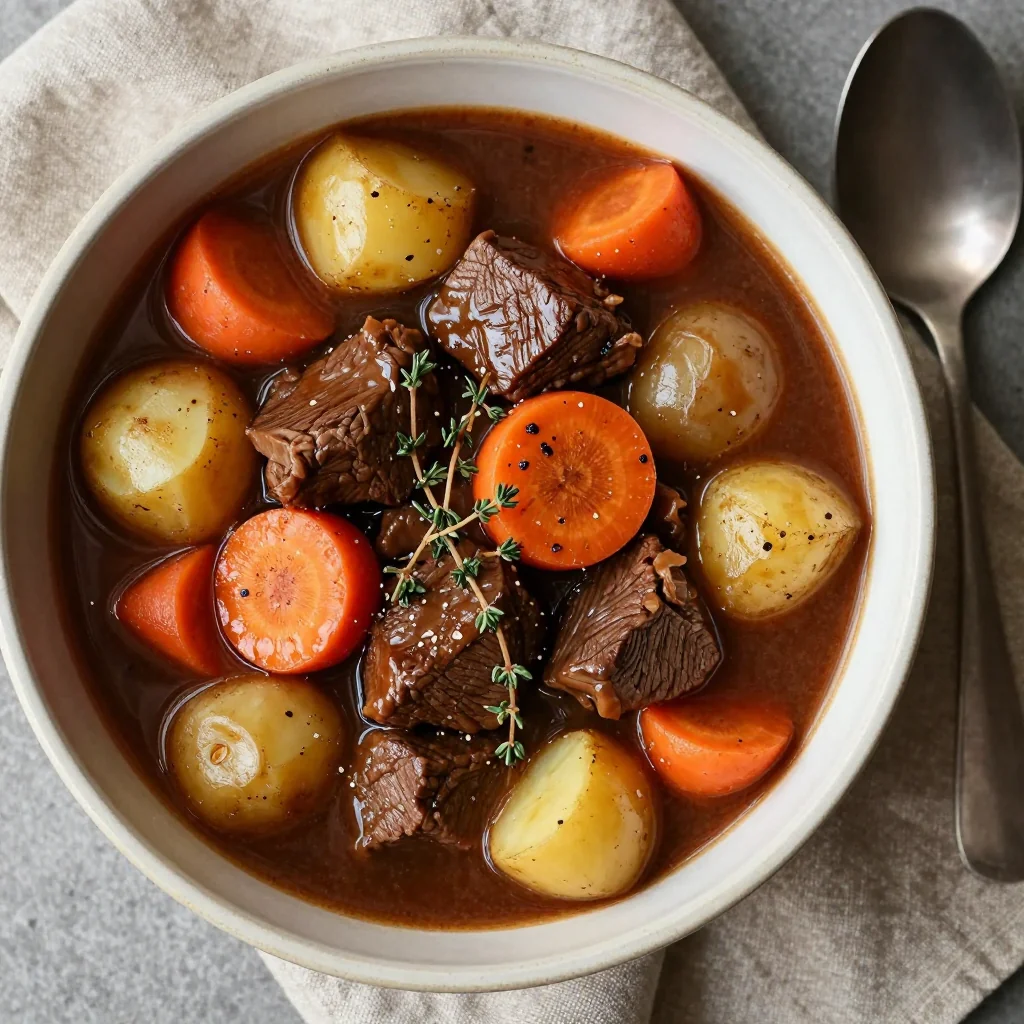
Picture this: I’m standing in my kitchen, staring at a stubborn pot of bland beans that have been simmering for what feels like an eternity. My roommate, a self‑proclaimed foodie, throws a dare my way: “I dare you to taste this and not go back for seconds.” I laughed, but the challenge landed on my plate like a dare that turned into a delicious mission. I grabbed a can of chickpeas, a splash of lemon, and a handful of spices that smelled like a desert sunrise. The moment those aromas hit my nose, the room felt like a Moroccan market, and I knew I was onto something that would blow the taste buds of anyone who tries it.
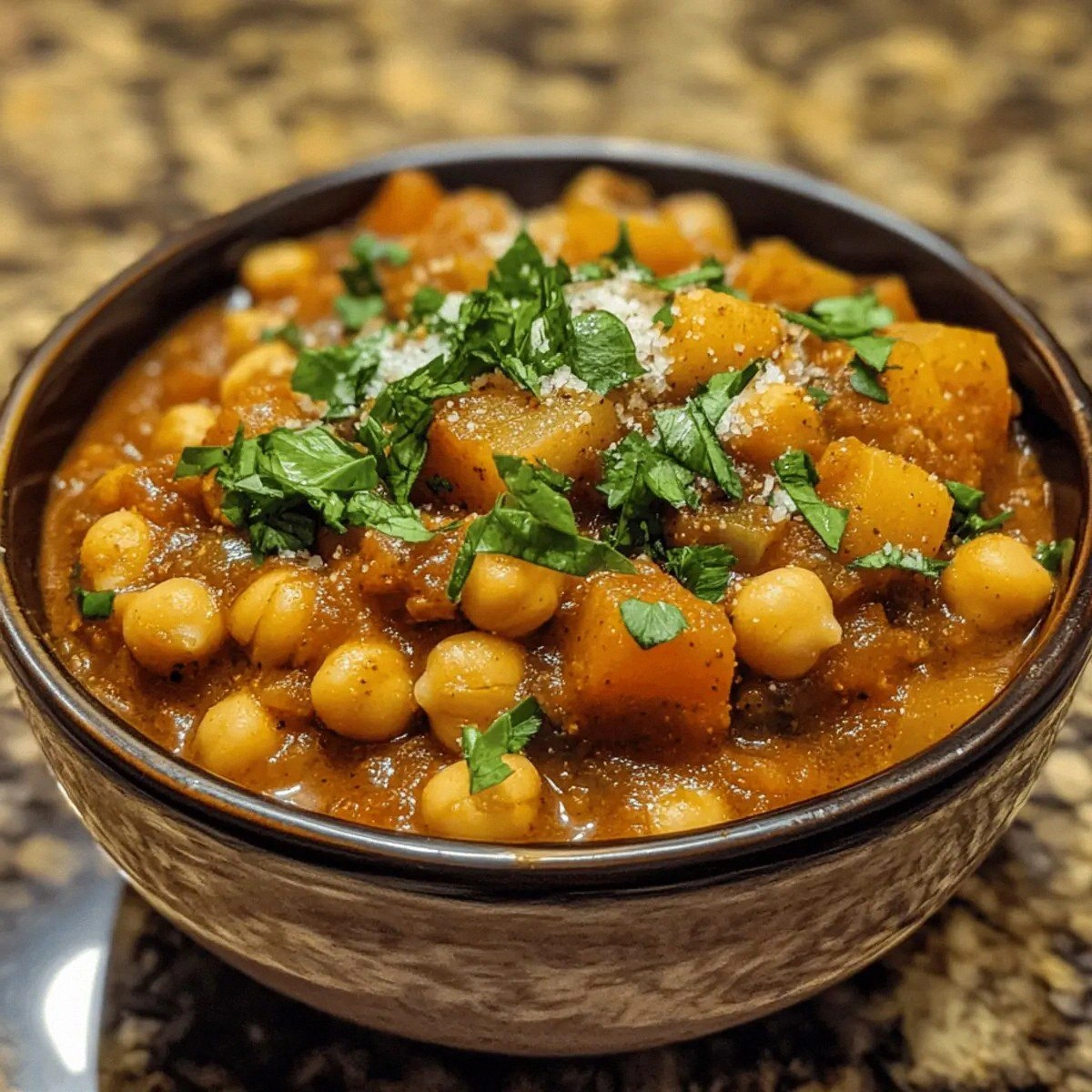
When the first spoonful hit my tongue, the stew sang a symphony of smoky paprika, earthy cumin, and a gentle whisper of cinnamon that danced like a silk scarf. The chickpeas were perfectly tender, their skins lightly blistered from the slow cooker’s gentle heat, giving each bite a subtle crunch that’s hard to replicate in a pressure cooker. I was honest— I ate half the batch before anyone else got a taste. The rest of the kitchen smelled like a warm hug, and the anticipation of the next bite made my heart beat faster than a drum line at a carnival.
What sets this version apart isn’t just the bold flavors, but the way each element plays a role in the final masterpiece. I’ve refined the classic Moroccan chickpea stew into a dish that’s hands down the best version you’ll ever make at home. The slow cooker’s low and steady heat allows the spices to marry beautifully, creating a depth of flavor that feels both comforting and adventurous. The carrot’s natural sweetness cuts through the acidity of the tomatoes, while the lemon’s bright acidity lifts the entire dish into a bright, vibrant profile. The result? A stew that feels like a hug in a bowl, yet has enough complexity to make you wonder why you ever settled for anything else.
There’s a secret technique I’ve learned over the years that turns this stew from great to unforgettable: I add a splash of tomato paste at the very beginning. This small tweak thickens the sauce, concentrates the tomato flavor, and gives the stew a silky, velvety texture that coats the chickpeas like a smooth coat of velvet. It’s a game‑changer, and I promise you, once you try it, you’ll never go back to the old version. Let me walk you through every single step—by the end, you’ll wonder how you ever made it any other way.
What Makes This Version Stand Out
- Flavor: The combination of smoked paprika, cumin, and cinnamon creates a layered taste profile that’s both warm and aromatic. This blend is reminiscent of a Moroccan market at sunset, where spices mingle and dance in the air.
- Texture: Slow cooking turns the chickpeas into tender, almost buttery pieces, while the carrots stay just firm enough to provide a satisfying bite. The sauce thickens into a silky coat that clings to every ingredient.
- Simplicity: With only 12 ingredients, this recipe is a breeze to assemble—no complex prep or exotic pantry staples required.
- Uniqueness: The addition of lemon juice and a touch of tomato paste gives this stew a bright, tangy finish that sets it apart from standard chickpea stews.
- Crowd‑pleaser: The bold, comforting flavors make it a hit at family dinners or potlucks, and it pairs beautifully with couscous, rice, or crusty bread.
- Ingredient Quality: Using canned chickpeas and fresh carrots ensures consistent texture, while the quality of the spices dramatically impacts the final flavor.
- Cooking Method: The crockpot’s slow, low heat brings out depth of flavor without the need for constant monitoring.
- Make‑ahead Potential: This stew can be made a day ahead, allowing flavors to meld even further—perfect for busy weeknights.
Alright, let’s break down exactly what goes into this masterpiece…
Inside the Ingredient List
The Flavor Base
The foundation of this stew is the aromatic blend of spices—ground cumin, ground cinnamon, and smoked paprika. Each spice brings a distinct note: cumin offers a nutty warmth, cinnamon a subtle sweetness, and smoked paprika a gentle heat with a hint of smokiness. When these spices are toasted in a dry pan before adding liquids, their essential oils bloom, releasing a fragrant aroma that makes your kitchen smell like a Moroccan bazaar. If you skip this step, you’ll end up with a stew that feels flat and lacks depth. The trick is to toast them for just a minute or two until they’re fragrant; this simple action transforms the dish from ordinary to extraordinary. A good tip is to use freshly ground spices, as they hold more flavor than pre‑ground versions.
The Texture Crew
Chickpeas are the star of the show, but their texture can vary widely depending on the brand and preparation. I prefer using canned chickpeas for their convenience and consistent size, but if you’re feeling adventurous, rinse and drain a can of chickpeas and give them a quick boil to soften them further. Carrots add a pleasant crunch and natural sweetness that balances the acidity of the tomatoes. Slice them into bite‑sized pieces so they cook evenly and maintain a slight bite. If you like a more rustic texture, chop them into larger chunks; this will give the stew a heartier feel. The vegetable broth is the liquid backbone, and using a low‑sodium or homemade broth ensures the stew isn’t overly salty.
The Unexpected Star
Lemon juice is the secret weapon that brightens the entire dish. A tablespoon of fresh lemon juice added at the end of cooking cuts through the richness and lifts the flavors, leaving a clean finish. If you can’t find fresh lemons, a splash of white wine vinegar works well, but be careful not to add too much or the stew will taste overly sour. Garlic and onion provide a savory base that complements the spices. Mince the garlic finely so it releases maximum flavor, and finely dice the onion to create a smooth, cohesive base. These aromatics are the unsung heroes that bind everything together.
The Final Flourish
Tomato paste is optional but highly recommended. A tablespoon added early in the cooking process thickens the sauce and concentrates the tomato flavor, giving the stew a richer body. If you prefer a lighter texture, use a small amount of tomato sauce instead. The canned diced tomatoes bring juiciness and a mild sweetness that balances the acidity of the broth. The carrots’ natural sugars caramelize during slow cooking, creating a subtle caramelized note that enhances the overall depth. Finally, the lemon juice’s bright acidity ties everything together, ensuring the stew feels lively and fresh.
Everything’s prepped? Good. Let’s get into the real action…
The Method — Step by Step
Begin by heating a splash of olive oil in a dry skillet over medium heat. Add the diced onion and minced garlic, sautéing until the onion turns translucent and releases a sweet aroma. This step, often overlooked, builds a flavorful base that sets the stage for the rest of the stew. I like to stir the mixture until the garlic is fragrant—about 30 seconds—and then transfer it directly into the crockpot.
Next, sprinkle in the ground cumin, smoked paprika, and ground cinnamon. Toast the spices for about a minute, stirring constantly, until they become fragrant and their oils begin to bubble. This simple act of toasting unlocks the spices’ full potential, turning a bland mixture into a fragrant, aromatic foundation. The aroma should fill the kitchen like a warm hug.
Pour in the can of diced tomatoes, the tomato paste, and the vegetable broth. Stir everything together, ensuring the tomato paste fully dissolves into the liquid. The combination of tomato paste and broth creates a rich, velvety sauce that will coat the chickpeas and carrots beautifully. The sauce should be thick enough to cling to the ingredients but still pourable.
Add the canned chickpeas and sliced carrots to the crockpot. Stir to combine, making sure the chickpeas and carrots are evenly coated with the spice‑laden sauce. This step is crucial—if the chickpeas are left floating, they may not absorb the flavors properly. The carrots add a natural sweetness that balances the acidity of the tomatoes.
Season the stew with salt and black pepper to taste. I recommend starting with a teaspoon of salt and a pinch of pepper, then adjusting after the cooking is finished. The salt enhances the overall flavor profile, while the pepper adds a subtle heat that complements the smoked paprika. Taste the broth before adding more; you’ll know when it’s perfect.
Cover the crockpot and cook on low for 6 to 8 hours, or on high for 3 to 4 hours. The slow, low heat allows the spices to meld and the chickpeas to become tender. Check the stew halfway through and give it a gentle stir to ensure even cooking. The longer it cooks, the deeper the flavors become.
About 15 minutes before serving, stir in the fresh lemon juice. The acidity brightens the stew, cutting through the richness and adding a fresh, citrusy note. Be careful not to add too much lemon juice—just enough to lift the flavors without overpowering the dish.
Once the stew is ready, give it a final stir and taste one last time. Adjust the seasoning if necessary—add a bit more salt or lemon juice to suit your palate. The final dish should be fragrant, hearty, and bursting with complex flavors that make every spoonful a delight.
Serve hot over fluffy couscous, rice, or crusty bread. Garnish with chopped fresh cilantro or parsley for a pop of color and freshness. The stew’s rich, velvety sauce clings to the grains, creating a satisfying, comforting meal that feels like a warm hug.
Enjoy immediately, or let the stew cool and store in airtight containers for up to 3 days. Reheat gently on the stove or in the microwave, adding a splash of water if needed to restore its silky texture. This stew’s flavors only deepen as it sits, making it a perfect make‑ahead dish for busy weeknights.
That’s it — you did it. But hold on, I’ve got a few more tricks that’ll take this to another level…
Insider Tricks for Flawless Results
The Temperature Rule Nobody Follows
Many people think a higher temperature always cooks faster, but with this stew, low and slow is the key. Cooking on low for 6-8 hours allows the spices to fully infuse the broth and the chickpeas to absorb the flavors deeply. If you’re in a hurry, high for 3-4 hours works fine, but the result may be slightly less complex. I’ve found that the slow cooker’s low setting creates a gentle simmer that keeps the stew from drying out.
Why Your Nose Knows Best
The aroma of a simmering stew is a reliable indicator of readiness. When the spices smell fragrant and the broth is thickening, the stew is close to perfection. If the smell is too sharp, it means the spices need more time to mellow. Trust your nose; it’s a seasoned chef’s best friend.
The 5-Minute Rest That Changes Everything
After the stew finishes cooking, let it rest for about five minutes before serving. This brief pause allows the flavors to settle and the sauce to thicken slightly, resulting in a more cohesive mouthfeel. I’ve found that resting the stew also makes it easier to ladle, as the sauce becomes less runny.
Use Fresh Spices for a Punch
Freshly ground spices release more aroma and flavor than pre‑ground ones. If you have a spice grinder, use it to grind your cumin, cinnamon, and paprika right before cooking. The difference is subtle but noticeable, especially in a dish that relies on spices for its character.
Keep It Simple, Keep It Delicious
Avoid overcomplicating the recipe with too many extras. The beauty of this stew lies in its simplicity. Stick to the listed ingredients and let the spices do the heavy lifting. The result is a dish that’s both comforting and elegant.
Creative Twists and Variations
This recipe is a playground. Here are some of my favorite ways to switch things up:
Spicy Moroccan Tagine
Replace the lemon juice with a tablespoon of harissa paste for a fiery kick. Add a handful of raisins for a sweet contrast, and serve over a bed of fluffy couscous. This variation brings a true Moroccan tagine feel to your table.
Vegan Coconut Curry
Swap the vegetable broth for coconut milk to create a creamy, tropical version. Add a handful of chopped spinach in the last 10 minutes for extra greens, and serve over jasmine rice. The coconut milk gives the stew a silky, buttery texture.
Herb‑Infused Chickpeas
Stir in a handful of fresh chopped mint and parsley at the end of cooking. The herbs add a bright, refreshing note that balances the richness of the stew. This version is perfect for a light, summery dinner.
Sweet & Smoky Caramelized Carrots
Sauté the carrots in a little butter and brown sugar before adding them to the stew. This caramelization brings out their natural sweetness, creating a delightful contrast with the smoky spices. The result is a sweet, savory masterpiece.
One‑Pot Quinoa
Add a cup of quinoa to the crockpot in the last hour of cooking. The quinoa will absorb the flavors and create a hearty, protein‑rich meal. This variation turns the stew into a complete, balanced dinner.
Breakfast Twist
Serve the stew over a bowl of creamy porridge or oatmeal for a savory breakfast. Top with a fried egg and a sprinkle of paprika for a protein boost. This version turns a traditional lunch dish into a hearty, comforting breakfast.
Storing and Bringing It Back to Life
Fridge Storage
Store leftovers in airtight containers in the refrigerator for up to 3 days. The flavors will continue to develop, making the stew even more delicious the next day. Keep the container in the coldest part of the fridge to maintain freshness.
Freezer Friendly
Freeze portions in freezer‑safe containers for up to 2 months. Thaw overnight in the refrigerator before reheating. The stew’s texture remains intact, and the flavors are just as vibrant.
Best Reheating Method
Reheat on the stovetop over low heat, adding a splash of water or broth to restore the sauce’s silky texture. Stir frequently to prevent sticking. The stew should be heated through and aromatic before serving.