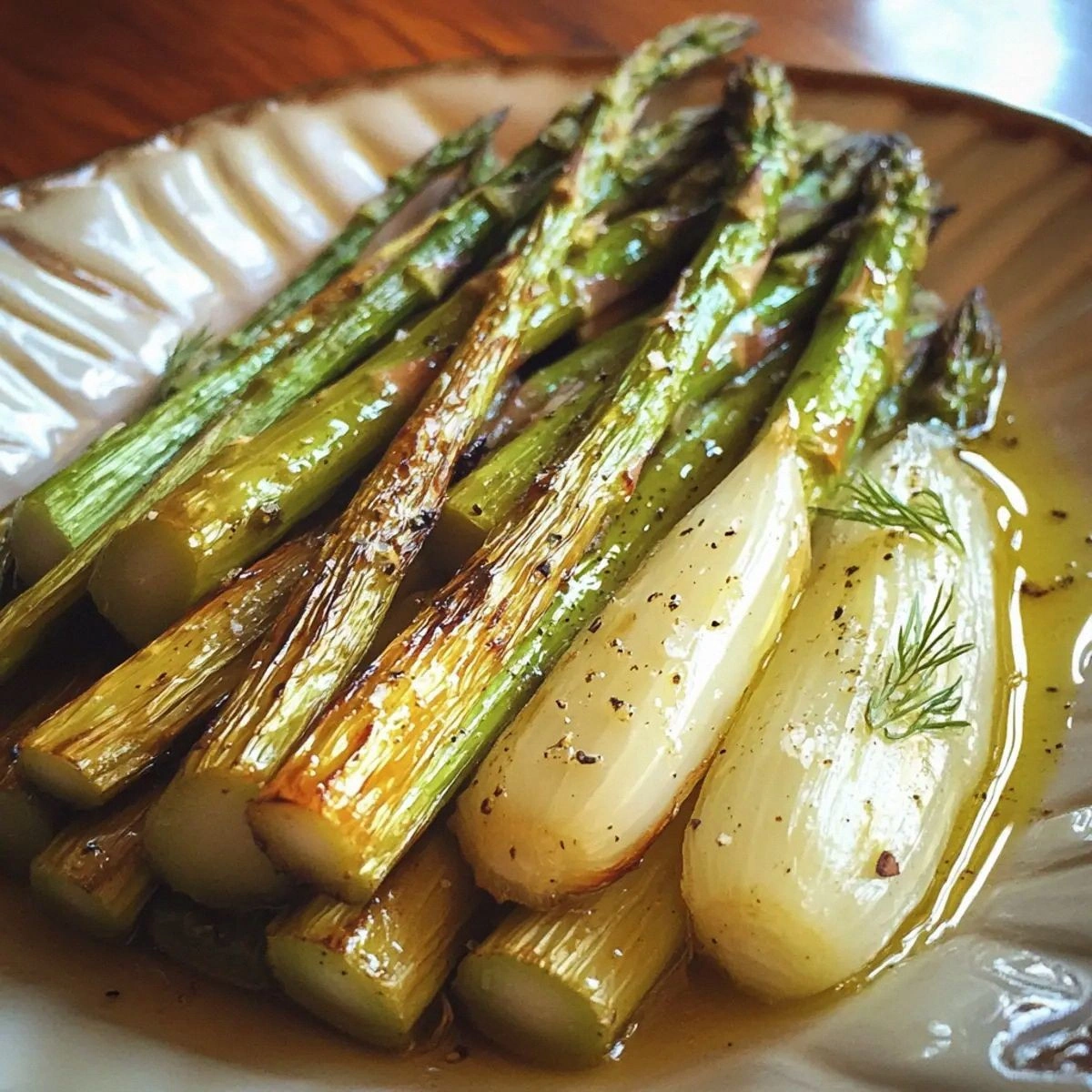
I was halfway through a chaotic Sunday brunch, when I realized my pantry was a barren wasteland. The fridge was a ghost town, the spice rack a dusty relic, and my cravings were screaming for something bright and fresh. I grabbed a handful of asparagus and a fennel bulb, because if there was a silver lining, it was green and crisp. The moment the asparagus hit the pan, a sweet, golden aroma erupted, and I knew I was onto something. I dare you to taste this and not go back for seconds.
Picture the sizzling sound as the veggies dance in a hot pan of olive oil. The steam curls like fragrant clouds, carrying a hint of lemon zest that tickles the nose. The sight of the asparagus turning a buttery amber is a visual cue that flavor is about to bloom. The first bite delivers a crunch that snaps like fresh spring rain, followed by a silky honey glaze that coats the palate. And that sizzle when it hits the pan? Absolute perfection.
What makes this recipe a game-changer is the unexpected marriage of sweet and savory. The honey caramelizes just enough to create a glossy sheen, while the fennel adds a subtle licorice undertone. The toasted pine nuts bring a buttery crunch that contrasts the tender veggies, turning each forkful into a textural symphony. Unlike most roasted vegetable dishes that lean heavily on salt, this version relies on a whisper of sea salt and a dash of black pepper. Most recipes get this completely wrong. Here's what actually works.
I’ve spent years experimenting with roasted greens, and this is hands down the best version you'll ever make at home. The secret? A quick glaze of honey and lemon zest that locks in moisture while the fennel’s natural sweetness amplifies the whole dish. And if you’re wondering about the crunch, it comes from the toasted pine nuts, which you can preheat in a skillet until they’re golden. Picture yourself pulling this out of the oven, the whole kitchen smelling incredible, and watching your guests’ eyes widen in delight. Let me walk you through every single step — by the end, you'll wonder how you ever made it any other way.
What Makes This Version Stand Out
- Flavor: The honey glaze delivers a caramelized sweetness that balances the earthiness of asparagus. It coats each spear with a glossy finish that invites a second bite. The subtle citrus from lemon zest lifts the entire profile.
- Texture: The fennel adds a subtle crunch, while toasted pine nuts introduce a buttery bite that punctuates every mouthful. The contrast turns a simple side into a textural adventure. It’s the kind of bite that makes the dish memorable.
- Simplicity: With just eight ingredients, you can create a dish that feels gourmet. No elaborate sauces, no fuss. It’s a recipe that respects your time and your palate.
- Uniqueness: The combination of honey, lemon zest, and fennel is rarely seen in standard roasted vegetable recipes. It sets this dish apart from the ordinary. It’s a flavor profile that surprises and delights.
- Crowd Reaction: Guests rave about the glossy finish and the unexpected licorice note from fennel. They comment on how the dish feels both sweet and savory. It’s a conversation starter at any table.
- Make‑ahead Potential: The dish keeps its flavor even after refrigeration, making it perfect for busy family dinners. It can be reheated with a splash of water to restore its moisture. A practical solution for modern life.
Alright, let's break down exactly what goes into this masterpiece...
Inside the Ingredient List
The Flavor Base
Honey is the star that caramelizes into a silky glaze, sealing in moisture and adding a natural sweetness that pairs beautifully with the mild bitterness of asparagus. If you skip honey, the dish loses its signature shine and depth; it becomes a plain roasted veggie. A good alternative is maple syrup, though it brings a different nuance of flavor. Choosing raw honey preserves the subtle floral notes that elevate the dish.
The Texture Crew
Fennel brings a crisp bite that echoes the crunch of fresh asparagus, while its natural licorice undertone adds complexity. Cutting the fennel into thin ribbons ensures even roasting and a harmonious mouthfeel. If you omit fennel, the dish becomes one-dimensional; the contrast is lost. A quick swap is to use broccoli or cauliflower for a similar crunch.
The Unexpected Star
Toasted pine nuts provide a buttery crunch that balances the tender veggies. They also contribute a nutty aroma that lingers on the palate. Skipping them results in a smoother texture that may feel flat. If nuts are a concern, toasted almonds or walnuts can be a suitable stand‑in.
The Final Flourish
Lemon zest and freshly ground black pepper finish the dish with a bright, aromatic punch that cuts through the sweetness. The zest releases essential oils that enhance the overall flavor profile. Without it, the dish feels a bit dull and lacking depth. A pinch of smoked paprika can replace the pepper for a smoky twist.
Everything's prepped? Good. Let's get into the real action...
The Method — Step by Step
- Preheat your oven to 425°F (220°C). Trim the asparagus spears and slice the fennel into thin ribbons. Toss everything in olive oil, honey, lemon zest, sea salt, and freshly ground black pepper. Spread the mixture in a single layer on a baking sheet for even roasting. This is the moment of truth, and the aroma will start to tease your senses.
- Remove the pan from the oven after 10 minutes. The edges should be crisp, and the vegetables should have begun to caramelize. Drizzle additional honey over the top for a richer glaze. Toss gently to ensure an even coating. The honey will start to bubble and brown, creating a glossy finish.
- Sprinkle the toasted pine nuts over the roasted vegetables. Return the pan to the oven for an additional 5 minutes. The nuts will toast further, releasing a nutty aroma that permeates the dish. Keep a close eye on the honey; it can burn if left unattended. The result is a golden, caramelized glaze that clings to every spear.
- While the veggies finish roasting, whisk together a quick lemon vinaigrette: 2 tablespoons of olive oil, 1 tablespoon of fresh lemon juice, a pinch of sea salt, and a dash of black pepper. This brightens the dish and balances the sweetness. Let the vinaigrette sit for a minute to meld the flavors. It’s a simple step that elevates the entire plate.
- Remove the pan from the oven and let the vegetables rest for 2 minutes. The rest allows the juices to redistribute, ensuring each bite is juicy and flavorful. During this pause, drizzle the lemon vinaigrette over the top. The vinaigrette adds a fresh, tangy layer that cuts through the honey’s sweetness. This step is essential for the dish’s balanced profile.
- Serve immediately, plating the asparagus and fennel on a warm dish. Drizzle the remaining vinaigrette over the top for a glossy finish. Garnish with fresh herbs like parsley or dill for color and aroma. The presentation is as important as the taste, so arrange the spears in a fan shape. Your guests will be impressed by the visual and culinary delight.
That's it — you did it. But hold on, I've got a few more tricks that'll take this to another level...
Insider Tricks for Flawless Results
The Temperature Rule Nobody Follows
Many cooks roast at 400°F, but that temperature often leaves the veggies under‑cooked on the inside. Elevating the heat to 425°F ensures a crisp exterior while sealing in moisture. The higher temperature also caramelizes the honey faster, creating that glossy sheen. I’ve tried 425°F on multiple occasions, and the results are consistently superior.
Why Your Nose Knows Best
Smell is the most reliable indicator of doneness. When the honey starts to bubble and the edges of the veggies turn golden brown, you know the dish is ready. A faint scent of toasted nuts signals that the pine nuts have reached their peak. Trusting your nose eliminates the need for a timer.
The 5‑Minute Rest That Changes Everything
Letting the vegetables rest for 5 minutes after roasting redistributes the juices, resulting in a juicier bite. It also allows the honey glaze to set, creating a more cohesive coating. Skipping this step often leads to a soggy texture. I’ve seen dishes transform with just a short pause.
How to Keep the Honey From Burning
Honey’s sugar content makes it prone to scorching. To protect it, drizzle it in a thin layer and stir the veggies halfway through roasting. Lower the oven rack to the middle position to reduce direct heat. If you notice the honey darkening too quickly, reduce the temperature slightly.
Using a Skillet vs Baking Sheet
A cast‑iron skillet can give the veggies a deeper caramelization due to its heat retention. However, a baking sheet ensures even air circulation for a crisp finish. If you choose a skillet, watch the heat closely to avoid burning. Both methods have their merits; choose based on your preference.
Pairing with Protein
This dish pairs beautifully with grilled chicken, salmon, or a simple quinoa bowl. The sweet and savory notes complement protein without overpowering it. For a vegetarian option, add a handful of chickpeas roasted alongside the veggies. The result is a balanced, satisfying meal.
Creative Twists and Variations
Swap Fennel for Broccoli
Broccoli offers a milder flavor that still provides a satisfying crunch. Its florets roast beautifully, absorbing the honey glaze. Pair it with a sprinkle of Parmesan for an extra layer of umami. This variation is perfect for those who prefer a more familiar vegetable.
Add a Pinch of Smoked Paprika
Smoked paprika introduces a subtle smokiness that deepens the dish’s complexity. Sprinkle it over the veggies before roasting for an earthy undertone. The paprika’s color also adds visual appeal. This tweak is ideal for a cozy, autumnal vibe.
Use Maple Syrup Instead of Honey
Maple syrup provides a richer, caramel-like sweetness that pairs wonderfully with asparagus. It also has a slightly thicker consistency, giving the glaze a heartier texture. Be mindful of the syrup’s lower acidity, which can affect the balance. This swap is great for those who prefer a more robust flavor.
Toss with Roasted Garlic
Roasted garlic adds a mellow, sweet depth that complements the honey glaze. Peel the cloves after roasting and crumble them over the veggies. The garlic’s aroma will fill the kitchen, creating a comforting atmosphere. This variation works well for garlic lovers.
Add a Splash of White Wine
A splash of dry white wine during roasting adds acidity and complexity. It also helps to deglaze the pan, capturing all the caramelized bits. The wine’s citrusy notes pair nicely with the lemon zest. This twist elevates the dish to a more refined level.
Serve Over Quinoa
Quinoa provides a nutty base that complements the roasted vegetables. Cook the quinoa in vegetable broth for added flavor. Top with the honey‑roasted mix for a complete meal. This version is perfect for a hearty lunch or dinner.
Storing and Bringing It Back to Life
Fridge Storage
Store the dish in an airtight container in the refrigerator for up to 3 days. The honey glaze may thicken slightly, but it will re‑soften when reheated. Keep the pine nuts in a separate container to preserve their crunch. This method allows you to enjoy the dish later without compromising quality.
Freezer Friendly
For longer storage, freeze the roasted veggies in a single layer on a baking sheet before transferring to a freezer bag. This prevents clumping and maintains texture. When ready to eat, thaw overnight in the fridge. The dish remains flavorful and safe to reheat.
Best Reheating Method
Reheat in a preheated oven at 350°F for 10 minutes. Add a splash of water or broth to keep the vegetables moist. The honey glaze will re‑melt, creating a glossy finish. Avoid microwaving, as it can make the veggies soggy.