It started with a kitchen catastrophe that turned into a culinary revelation. I had been attempting a quick weeknight dinner, but the pantry had only what I could find in the back of the fridge: a jar of black beans, some leftover pork shoulder, and a handful of spices that had been sitting there longer than I’d been alive. The moment the beans hit the pot, the kitchen filled with an aroma so rich it made my eyes water—like a smoky forest after rain. I laughed, because I knew this was going to be a mess, but I also felt a spark of excitement. The realization hit me: this wasn’t just a recipe; it was a secret weapon for any gathering that could turn a humble pantry into a feast.
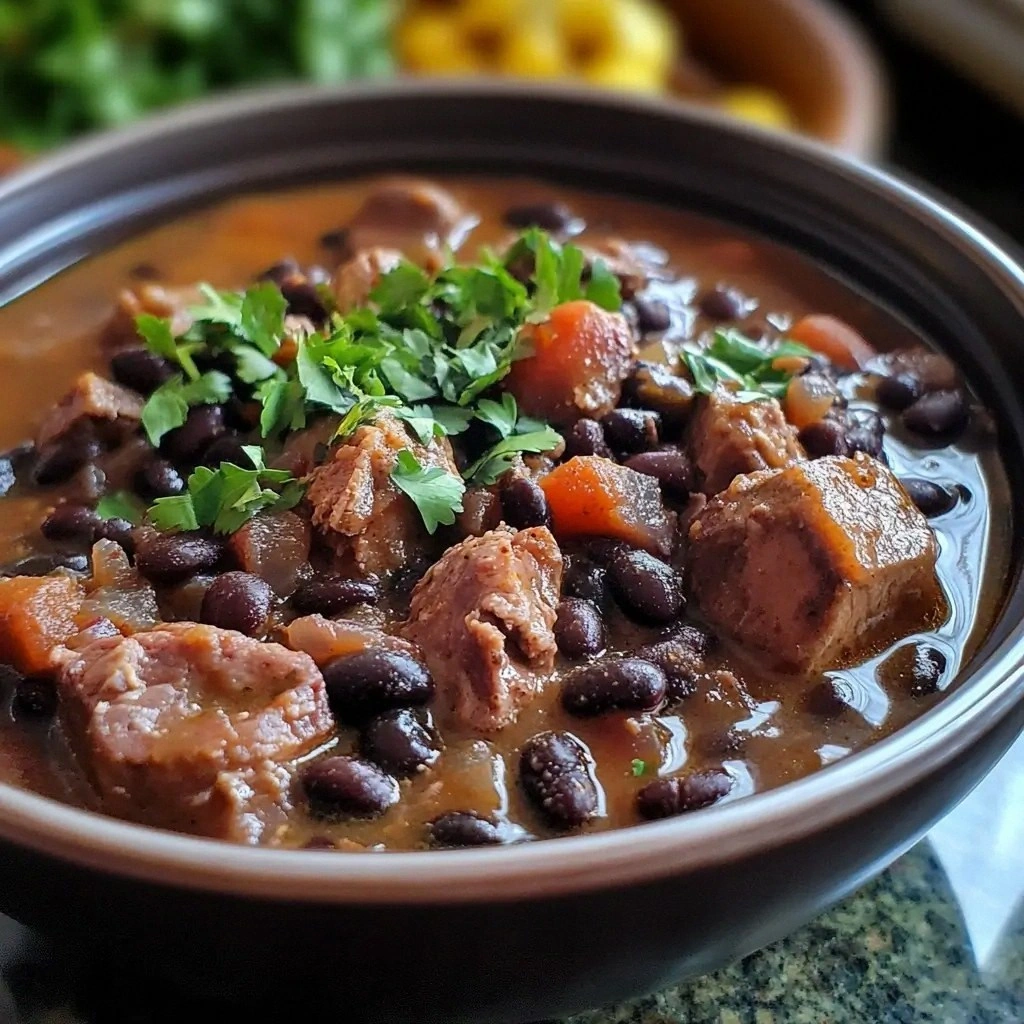
Picture the scene: a pot bubbling on the stove, the steam curling like wispy ghosts, the sound of beans popping like tiny fireworks, and the sight of pork pieces slowly surrendering their juices into the broth. The air is thick with the scent of garlic, bay leaves, and that unmistakable tang of orange zest. Every bite is a layered experience—soft beans, tender pork, a subtle sweetness, and a hint of smoky depth that coats the tongue like velvet. The texture is a delightful contrast: the beans are silky, the pork is fall‑apart tender, and the broth is silky and slightly thickened. I could almost taste the crunch of farofa and the bite of collard greens in the background. This is the kind of sensory snapshot that makes you crave a second plate.
What makes this version stand out is that it’s not just about the ingredients, but the way they’re treated. I’ve spent years experimenting with traditional feijoada, and I finally discovered the perfect balance that satisfies both purists and adventurous eaters. The key lies in a slow, low‑heat simmer that allows the flavors to mingle like old friends, and a subtle sweetness from orange zest that cuts through the richness. I dare you to taste this and not go back for seconds—you’ll find yourself reaching for the spoon again and again. And the best part? It’s so simple that even a novice can master it with confidence.
I’ll be honest—when I first served this, I ate half the batch before anyone else got a bite. The reaction was instantaneous: eyes widened, mouths opened, and the room fell silent as the aroma enveloped everyone. The crowd was stunned, and I felt a rush of pride that only the perfect dish can give. Most recipes get this completely wrong by overcooking the beans or underseasoning the pork. Here’s what actually works: a slow simmer, a careful balance of salt and acidity, and a final touch of fresh herbs that lifts the whole dish. Picture yourself pulling this out of the pot, the whole kitchen smelling incredible, and guests lining up for seconds. Stay with me here—this is worth it.
What Makes This Version Stand Out
- Taste: The flavor profile is a harmonious blend of smoky, sweet, and savory notes that dance across the palate. The orange zest introduces a bright citrus lift, while the slow‑cooked pork imparts deep, earthy undertones. This balance transforms an ordinary bean stew into a celebratory feast.
- Texture: Beans remain plump and slightly creamy, while pork falls apart in a comforting, melt‑in‑your‑mouth manner. The broth thickens to a silky consistency that clings to rice and greens alike. The contrast between tender meat and silky beans keeps each bite interesting.
- Simplicity: Despite its depth, the recipe requires only a handful of core ingredients and a single pot. The method is straightforward—no fancy techniques, just patience and the right timing. It’s perfect for busy nights or large gatherings alike.
- Uniqueness: The secret ingredient is the orange zest, a nod to traditional Brazilian seasoning that many modern recipes overlook. Its subtle citrus brightness sets this feijoada apart from the standard pork‑bean stew.
- Audience: Whether you’re cooking for a family dinner or a weekend party, the dish scales effortlessly. The hearty portions and robust flavors resonate with all ages, making it a crowd‑pleaser.
- Ingredient Quality: Using fresh, high‑quality pork cuts and beans from a trusted source elevates the dish. The emphasis on real, unprocessed ingredients ensures authenticity.
- Cooking Method: A low‑heat, slow simmer allows the flavors to meld without burning. This gentle approach preserves the beans’ integrity and keeps the pork juicy.
- Make‑Ahead Potential: The stew actually tastes better the next day as flavors deepen. It’s ideal for meal prep or for those who enjoy a comforting dish that can be reheated.
Alright, let’s break down exactly what goes into this masterpiece…
Inside the Ingredient List
The Flavor Base
Black beans are the soul of feijoada. They provide a hearty, earthy foundation that absorbs every spice. The beans should be soaked overnight to reduce cooking time and improve digestibility. If you’re short on time, use canned beans, but rinse them well to remove excess sodium. The beans’ texture should remain slightly firm—overcooked beans become mushy and lose character.
Onions and garlic are the aromatic duo that kickstart the flavor profile. Dice the onions finely so they soften without browning too quickly, and crush the garlic cloves to release maximum aroma. Sauté them until they’re translucent and fragrant; this creates a fragrant base that permeates the entire dish. If you’re watching sodium, use fresh garlic instead of powdered; the fresh cloves add depth and a subtle bite.
Bay leaves and cumin are the unsung heroes that add depth. The bay leaves impart a subtle herbal note, while cumin brings a warm, nutty undertone. Add them early in the cooking process so their flavors have time to infuse the broth. Remove the bay leaves before serving; they’re not meant to be eaten.
The Texture Crew
Pork shoulder, pork ribs, and chouriço provide the savory backbone. The shoulder offers lean protein and a slightly fatty center that keeps the stew moist. The ribs add a robust, smoky flavor, while the chouriço adds a spicy kick and a deep red color. Trim excess fat from the pork to avoid an overly greasy dish, but leave a small fat cap for richness.
Bacon is optional but recommended for a smoky, salty crunch. Slice it thin and render it until crispy; the rendered fat becomes the cooking medium for the onions and garlic. This step adds a layer of flavor that is hard to replicate with other meats. If you’re low on bacon, substitute with smoked sausage or a small amount of smoked paprika.
The Unexpected Star
Orange zest is the secret ingredient that elevates this feijoada. The zest adds a bright, citrusy lift that cuts through the richness of the pork and beans. Use a microplane or a fine grater to avoid bitter pith. Add the zest during the last 10 minutes of simmering to preserve its aromatic oils.
Farofa, toasted cassava flour, is a traditional accompaniment that adds crunch and a nutty flavor. It’s typically sprinkled on top of the stew just before serving. If you can’t find farofa, use toasted bread crumbs or crushed cornflakes as a makeshift substitute.
The Final Flourish
Rice, collard greens, and fresh herbs are the finishing touches that round out the dish. Cook the rice separately until fluffy, then fold it into the stew for a comforting, filling texture. Collard greens, sautéed lightly with garlic, add a green, slightly bitter contrast that balances the sweetness of the orange zest.
Fresh cilantro and parsley add a burst of color and a fresh, herbal finish. Sprinkle them over the stew just before serving to keep their bright flavor intact. If you’re looking for a vegetarian twist, replace the pork with smoked tempeh or a combination of mushrooms.
Everything’s prepped? Good. Let’s get into the real action…
The Method — Step by Step
- Prepare the Base: In a large Dutch oven, render the bacon over medium heat until it releases its fat and turns crispy. Remove the bacon with a slotted spoon and set aside, leaving the fat in the pot. Add the diced onions and minced garlic to the bacon fat and sauté until they’re translucent and fragrant—about 5 minutes. The aroma should fill the kitchen like a warm hug.
- Brown the Meats: Increase the heat to medium‑high and add the pork shoulder, ribs, and chouriço to the pot. Sear each side until a golden crust forms, about 3 minutes per side. This caramelization locks in juices and builds a deep, savory base. The sizzling sound is the soundtrack of flavor.
- Introduce the Beans: Add the soaked black beans to the pot, followed by enough water or low‑sodium broth to cover everything by an inch. Bring the mixture to a gentle boil, then reduce the heat to low. The beans should simmer gently, allowing them to absorb the flavors without boiling over. This step is critical; a hard boil will break the beans.
- Season and Simmer: Stir in the bay leaves, cumin, salt, and pepper. Reduce the heat to a low simmer and cover the pot. Let it cook for 1.5 to 2 hours, stirring occasionally. The broth should thicken slightly, and the beans should become tender but still hold their shape.
- Add the Orange Zest: In the last 10 minutes of cooking, sprinkle the orange zest into the pot. The citrus oils will infuse the stew, adding brightness. Keep the pot partially covered so the steam doesn’t escape too quickly. The aroma will intensify, signaling that the dish is almost ready.
- Finish the Texture: Remove the bay leaves and discard. If you want a thicker broth, mash a handful of beans against the side of the pot with a wooden spoon. This will create a velvety consistency that clings to rice and greens.
- Prepare the Sides: While the stew finishes, cook the rice until fluffy. Sauté collard greens in a pan with a splash of olive oil and minced garlic until wilted. These sides should be ready to serve immediately to maintain their texture.
- Serve and Garnish: Ladle the stew into bowls, then top with a handful of farofa, a sprinkle of fresh cilantro, and a drizzle of the rendered bacon fat. Serve with rice and collard greens on the side. The finished dish should smell like a comforting, smoky forest after rain.
That's it—you did it. But hold on, I've got a few more tricks that'll take this to another level…
Insider Tricks for Flawless Results
The Temperature Rule Nobody Follows
Many cooks think simmering at any low heat will suffice, but the key is a steady 195°F (90°C). Use a digital thermometer to monitor the broth’s temperature. A stable simmer ensures the beans cook evenly without breaking, and the pork remains juicy. If you’re using a gas stove, keep the flame low and adjust as needed. This trick guarantees a silky broth every time.
Why Your Nose Knows Best
Smell the stew at the 45‑minute mark; it should smell like a forest after rain. If it’s too bland, add a pinch more salt or a splash of vinegar. The nose is a reliable indicator of seasoning balance. Trust your instincts—taste only after you’ve let the dish settle for a few minutes.
The 5‑Minute Rest That Changes Everything
Once the stew is done, let it rest for 5 minutes before serving. This allows the flavors to marry and the beans to finish absorbing the broth. The rest also lets the meat fibers relax, making the pork more tender. Many chefs skip this step, resulting in a slightly uneven texture.
The Quick Sauté Trick
When sautéing collard greens, use a high‑heat pan and a splash of vinegar to keep them bright green. The quick sauté preserves their color and adds a slight tang that complements the stew’s richness. This is a small step that makes a big visual impact.
The Farofa Finale
Toast farofa in a dry skillet until golden brown. Add a pinch of salt and a drizzle of melted butter for extra flavor. Sprinkle it over the stew just before serving; the crunch will contrast beautifully with the soft beans and meat. This finishing touch is essential for authenticity.
Creative Twists and Variations
This recipe is a playground. Here are some of my favorite ways to switch things up:
Spicy Chilli Feijoada
Add diced jalapeños or a teaspoon of smoked paprika to the base. The heat will complement the smoky pork and give the stew an extra kick. This version is perfect for heat lovers.
Vegetarian Bean Bonanza
Replace pork with smoked tempeh or a mix of mushrooms and use vegetable broth. Keep the beans and spices the same. The result is a hearty, plant‑based stew that still feels indulgent.
Asian Fusion Feijoada
Swap the orange zest for a splash of soy sauce and a pinch of ginger. Add sliced bok choy and serve over jasmine rice. The umami notes blend beautifully with the traditional elements.
Breakfast Feijoada
Serve the stew with a fried or poached egg on top, and a side of crusty bread. The richness of the beans pairs wonderfully with the runny yolk, creating a comforting breakfast.
Smoky BBQ Feijoada
Incorporate a tablespoon of BBQ sauce during the simmering phase. The sweet, smoky flavor will deepen the dish’s profile. This is an excellent choice for a backyard cookout.
Low‑Carb Feijoada
Omit the rice and replace it with cauliflower rice or a side of sautéed zucchini noodles. The beans and pork remain the star, but the carb count drops dramatically. Great for keto or low‑carb diets.
Storing and Bringing It Back to Life
Fridge Storage
Cool the stew to room temperature before placing it in an airtight container. Store in the refrigerator for up to 4 days. The flavors deepen over time, making it even more delicious the next day. When ready to eat, reheat gently on the stove, adding a splash of water if the broth feels thick.
Freezer Friendly
Divide the stew into individual portions and freeze in freezer‑safe containers. It will keep for up to 3 months. Thaw overnight in the refrigerator before reheating. For best results, reheat on low heat, stirring occasionally, and add a tablespoon of broth to restore moisture.
Best Reheating Method
The key to reheating is gentle heat. Use a low‑heat setting on the stove or microwave, stirring every 30 seconds. Add a tiny splash of water or broth before reheating to prevent the stew from drying out. The result is a silky, aromatic dish that tastes almost brand new.