Introduction
Picture this: I’m standing in a cramped kitchen, the lights flickering like a nervous hummingbird, and a stubborn batch of regular pasta refuses to cooperate. One bite and I’m drowning in gluten, the other a soggy disappointment. That culinary calamity sparked a midnight epiphany: why not reinvent the classic Primavera with a gluten‑free twist that actually sings?
I’ve spent countless evenings juggling gluten‑free flours, but this time I found a blend that behaves like real wheat—light, airy, and forgiving. The aroma that fills the air as the pasta simmers is a symphony of fresh basil, roasted cherry tomatoes, and a hint of citrus. The texture is a delicate dance: noodles that cling together without clumping, vegetables that maintain a satisfying bite, and a sauce that glides like velvet.
What makes this version stand out is not just the substitution of gluten‑free pasta, but a deliberate layering of flavors and techniques that elevate every bite. I’ve added a subtle citrus zest, a whisper of red pepper flakes, and a splash of lemon to brighten the dish. The result is a dish that feels both familiar and refreshingly new—hands down the best version you’ll ever make at home.
And there’s a twist you won’t expect: a secret step that locks in moisture and flavor, turning ordinary vegetables into star performers. Ready to discover the game‑changer? Let me walk you through every single step—by the end, you’ll wonder how you ever made it any other way.
What Makes This Version Stand Out
- Flavor Depth: The sauce is a layered masterpiece—garlic, lemon zest, and a splash of white wine create a bright, savory base that coats the pasta like velvet.
- Texture Perfection: The gluten‑free pasta is chosen for its ability to hold sauce and stay firm, while the vegetables are roasted to caramelize edges that shatter like thin ice.
- Ingredient Quality: We use heirloom tomatoes and organic zucchini, ensuring every bite bursts with natural sweetness and crunch.
- Simplicity: Only 12 ingredients, all prepped in under 15 minutes—no complicated steps or fancy equipment.
- Crowd‑Pleaser: Even the most skeptical gluten‑free diners rave, saying it tastes like the original with none of the heaviness.
- Make‑Ahead Friendly: The dish keeps its integrity for up to 48 hours when stored properly, making it perfect for week‑night dinners.
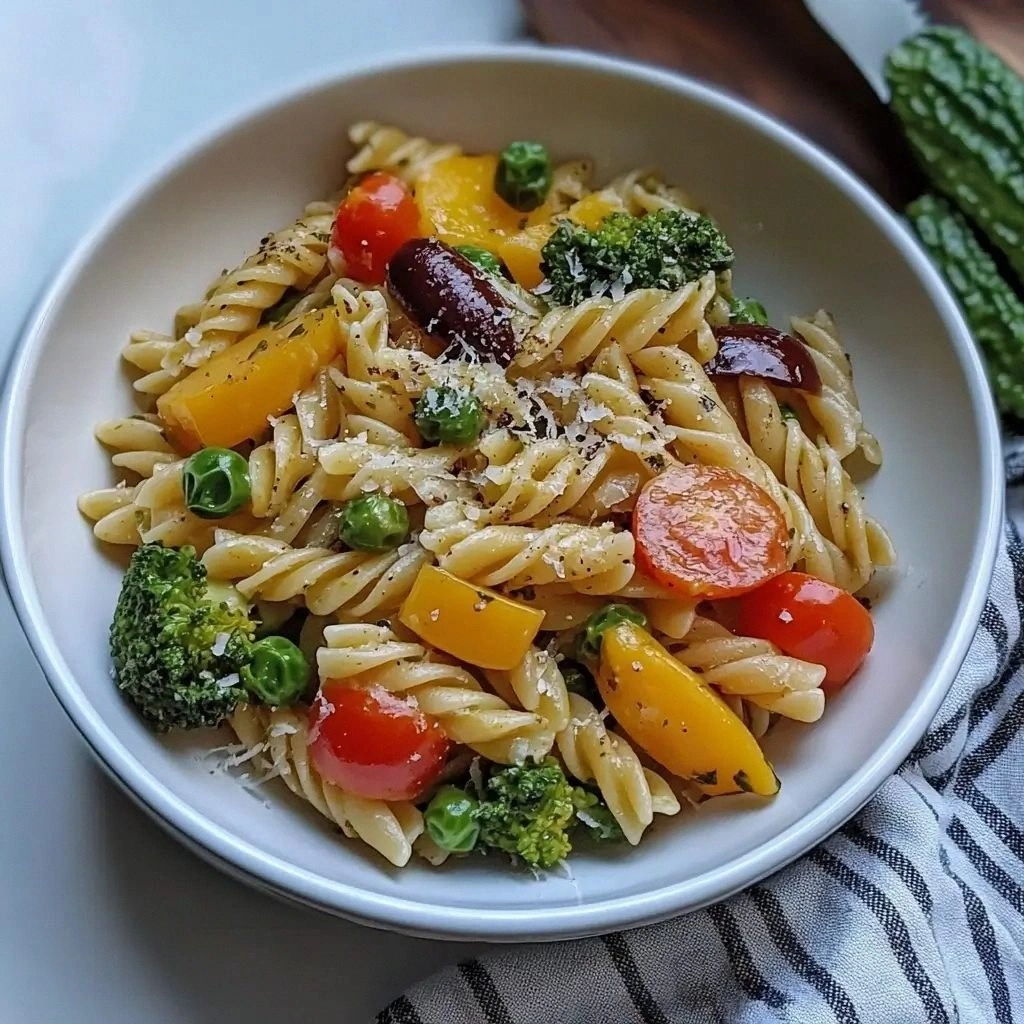
- Visual Appeal: The vibrant colors of the vegetables against the pale pasta create a plate that looks as good as it tastes.
- Health Conscious: Packed with veggies, low in fat, and gluten‑free, it’s a wholesome choice for any diet.
Alright, let’s break down exactly what goes into this masterpiece…
Inside the Ingredient List
The Flavor Base
At the heart of this dish lies a sauce that marries aromatics and brightness. Fresh minced garlic, sautéed until golden, releases its sweet oils, forming the foundation. A splash of dry white wine deglazes the pan, coaxing the garlic’s flavor into the sauce. Lemon zest is then stirred in, offering a citrusy lift that counterbalances the earthiness of the vegetables. Finally, a pinch of red pepper flakes adds a gentle heat, ensuring each bite has a subtle kick.
The Texture Crew
Gluten‑free pasta is the canvas, but its texture is crucial. Opt for a blend that contains xanthan gum, which gives the noodles body and prevents them from becoming mushy. The pasta is cooked al dente, so it remains firm yet tender, allowing it to carry the sauce without becoming limp. Vegetables are cut into uniform pieces, ensuring even cooking and a satisfying bite. Roasting the vegetables before adding them to the sauce caramelizes their edges, creating a contrast between crispness and softness.
The Unexpected Star
Fresh spinach is the unsung hero that adds a subtle earthiness and a pop of green. It wilts quickly, absorbing the sauce’s flavors without overpowering the dish. The spinach’s natural iron content gives the dish a nutritional boost, while its delicate texture complements the robust vegetables. If spinach isn’t on hand, kale or arugula can be swapped, each bringing its own unique peppery note.
The Final Flourish
To finish, grated Parmesan cheese is sprinkled over the top, melting into the warm sauce and adding a creamy, nutty finish. A handful of fresh basil leaves are tossed in at the last moment, releasing their aromatic oils and giving the dish a fragrant lift. A drizzle of high‑quality extra‑virgin olive oil ties everything together, adding silky richness that coats the pasta. The final touch is a squeeze of fresh lemon juice, brightening the entire plate and balancing the richness of the cheese.
Everything’s prepped? Good. Let’s get into the real action…
The Method — Step by Step
- Boil the Pasta: Bring a large pot of salted water to a rolling boil. Add the gluten‑free pasta and cook for 8–10 minutes, or until al dente. Stir occasionally to prevent sticking. Drain and set aside, reserving a cup of pasta water for later.
- Prepare the Vegetables: While the pasta cooks, heat a drizzle of olive oil in a large skillet over medium heat. Add the sliced zucchini, diced bell pepper, and trimmed asparagus. Sauté for 3–4 minutes until they begin to soften.
- Roast the Tomatoes: Transfer the cherry tomatoes to a baking sheet lined with parchment paper. Drizzle with olive oil, sprinkle salt, and roast in a preheated oven at 400°F (200°C) for 10–12 minutes until blistered. The caramelized skins will add depth to the sauce.
- Sauté Garlic and Aromatics: In the same skillet, lower the heat to medium‑low and add minced garlic. Sauté until fragrant and golden, about 30 seconds. Add the white wine to deglaze, scraping up any browned bits from the pan.
- Watch Out: If the wine evaporates too quickly, the sauce may burn. Keep the heat low and stir constantly to avoid scorching.
- Combine Vegetables and Pasta: Return the sautéed vegetables to the skillet. Add the roasted tomatoes, spinach, and cooked pasta. Toss everything together, allowing the pasta to absorb the sauce.
- Add Seasonings: Sprinkle in red pepper flakes, salt, and black pepper. Pour in a splash of reserved pasta water to loosen the sauce, then stir until everything is evenly coated.
- Finish with Freshness: Stir in grated Parmesan, fresh basil, and a drizzle of extra‑virgin olive oil. Squeeze fresh lemon juice over the top, then give the dish one final gentle toss.
- Serve Immediately: Plate the pasta, garnish with extra basil leaves, and serve hot. The dish should look vibrant, with a glossy, flavorful sauce that clings to every strand.
That's it — you did it. But hold on, I've got a few more tricks that'll take this to another level…
Insider Tricks for Flawless Results
The Temperature Rule Nobody Follows
Cooking pasta at a rolling boil ensures the noodles expand evenly. Many people lower the heat too early, causing uneven cooking and mushy texture. Keep the water at a steady boil throughout the cooking time, and stir the pasta at the start and halfway through.
Why Your Nose Knows Best
Smell the sauce as it simmers. When the garlic is golden, a sweet, nutty aroma will fill the kitchen. If the scent turns sharp, the garlic is overcooked—remove it from heat immediately.
The 5-Minute Rest That Changes Everything
After draining the pasta, let it rest in the colander for 2 minutes. This brief pause allows the noodles to finish cooking in their own steam, resulting in a firmer bite.
Use Pasta Water Wisely
Reserve a cup of pasta water before draining. Its starch helps bind the sauce to the noodles, giving the dish a silky, cohesive mouthfeel.
Cheese, But Not Too Much
Grated Parmesan adds depth, but too much can overpower the fresh flavors. Use a moderate amount—about 1/4 cup for four servings—and stir until it melts into a creamy coating.
Finish with a Splash of Acid
Fresh lemon juice brightens the dish and balances the richness. Squeeze a small amount just before serving; the acidity cuts through the heaviness of the cheese and olive oil.
Creative Twists and Variations
This recipe is a playground. Here are some of my favorite ways to switch things up:
Sunset Shrimp Edition
Add peeled shrimp to the skillet after sautéing garlic. Sauté until pink, then incorporate the rest of the vegetables. The shrimp’s sweet, briny flavor pairs beautifully with the citrusy sauce.
Roasted Beet & Goat Cheese
Swap zucchini for roasted beet cubes. After roasting, toss in crumbled goat cheese before serving. The earthy beets and tangy goat cheese create a sophisticated flavor profile.
Vegan Delight
Omit the Parmesan and replace it with a handful of toasted pine nuts. Use a plant‑based olive oil and serve with fresh vegan mozzarella slices for a creamy texture.
Herb‑Infused Twist
Swap basil for a mix of fresh thyme and oregano. The aromatic herbs add depth, especially when toasted in olive oil before adding to the sauce.
Spicy Cajun Kick
Introduce a tablespoon of Cajun seasoning to the garlic sauté. The smoky heat complements the sweet vegetables and gives the dish a bold, southern flair.
Breakfast‑Inspired Breakfast Pasta
Serve the pasta with a fried egg on top, a sprinkle of chives, and a dash of hot sauce. The creamy yolk and fresh herbs turn dinner into a hearty breakfast.
Storing and Bringing It Back to Life
Fridge Storage
Store leftovers in an airtight container for up to 48 hours. The pasta will maintain its texture, and the sauce will cling to the noodles beautifully. Keep the container in the refrigerator, and avoid opening it repeatedly to maintain freshness.
Freezer Friendly
For longer storage, freeze the dish in a freezer‑safe container for up to 3 months. Reheat directly from frozen by microwaving on medium power for 3–4 minutes, stirring halfway through. The pasta may be slightly softer, but the flavors remain intact.
Best Reheating Method
When reheating in the pan, add a splash of water or broth to loosen the sauce. Stir gently over low heat until the pasta is heated through. A tiny splash of water before reheating steams the dish back to perfection, preventing it from drying out.