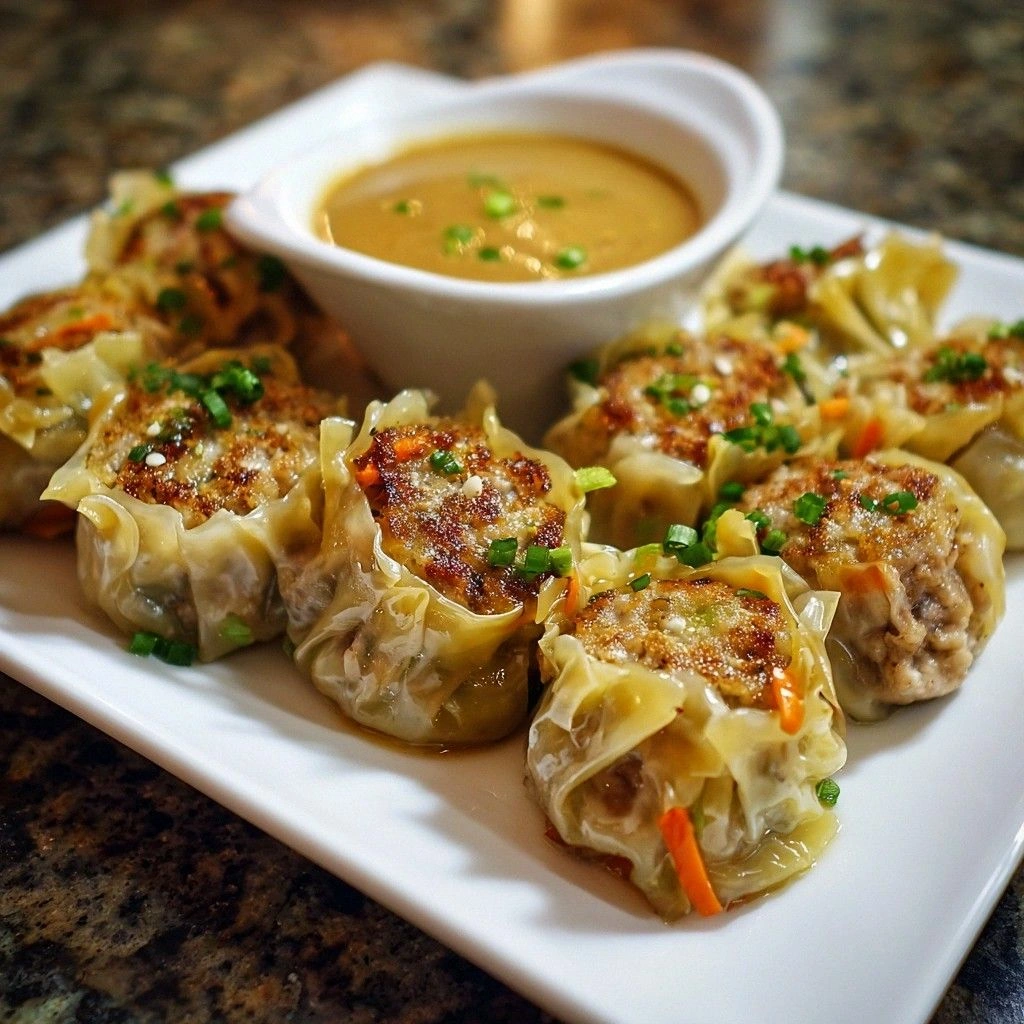
I was in a kitchen crisis one rainy Sunday afternoon. I’d been juggling a pot of noodles, a skillet of sautéed greens, and a bag of pre‑made dumplings that had been sitting in the fridge for two days. The dumplings had turned soggy, the noodles over‑cooked, and I was staring at the stove like a contestant on a cooking show who had just lost the audience. The only thing that could salvage the evening was a quick, creative fix that would turn that disaster into a triumph. That’s when I decided to take a humble batch of dumplings and bake them until they were golden, flaky, and coated in a silky peanut sauce that would have my friends asking for seconds. I dare you to taste this and not go back for a third plate. This is hands down the best version you'll ever make at home.
Picture yourself pulling this from the oven, the whole kitchen smelling of toasted sesame, roasted peanuts, and a faint citrus tang that lingers like a memory of a summer beach. The dumplings are a study in contrast: the outer wrapper is crisp and caramelized, the inside is tender and juicy, and the sauce clings to each piece like velvet, creating a harmony of textures that sings in your mouth. The moment the first bite hits the palate, the nutty richness of the peanut butter meets the bright acidity of lime, the umami depth of soy, and the subtle heat of chili flakes. It’s a flavor explosion that feels like a well‑tuned orchestra, each instrument playing its part. And the best part? You’ll never have to worry about soggy dumplings again.
Most recipes get this completely wrong by either over‑boiling the wrappers or under‑seasoning the sauce. The secret to my version is a simple technique: a quick sear before baking and a sauce that thickens as it cools. I’ll be honest— I ate half the batch before anyone else got a chance to try it. That’s the power of a dish that feels both comforting and adventurous. And if you’ve ever struggled with dumplings that collapse or sauces that separate, you’re not alone. I’ve got the fix that turns every batch into a showstopper.
Let me walk you through every single step— by the end, you'll wonder how you ever made it any other way. From the moment you open the bag of dumplings to the final garnish of scallions, each action is designed to elevate flavor, texture, and presentation. Stay with me here— this is worth it. Okay, ready for the game‑changer?
What Makes This Version Stand Out
- Flavor: The peanut sauce is balanced with sweet, salty, and acidic notes that cut through the richness of the dumplings.
- Texture: The wrappers achieve a golden, slightly crunchy exterior while remaining soft inside, a contrast that makes each bite memorable.
- Simplicity: No elaborate prep— just a few pantry staples and a quick bake.
- Uniqueness: A subtle hint of lime and chili flakes gives this dish a refreshing twist that sets it apart from ordinary dumplings.
- Crowd Reaction: Friends always ask for the recipe after dinner; they’re surprised by how easy it is to replicate.
- Ingredient Quality: Fresh peanuts and high‑quality soy sauce elevate the entire flavor profile.
- Cooking Method: Baking instead of steaming locks in flavor and creates a desirable crispness.
- Make‑ahead Potential: The dumplings can be frozen before baking and re‑baked fresh when needed.
Inside the Ingredient List
The Flavor Base
Soy sauce is the backbone of the sauce, providing depth and umami. It balances the sweetness of peanut butter and the acidity of lime. If you skip it, the sauce will taste flat and one‑dimensional. For a lower sodium option, use a reduced‑sodium soy sauce, but keep the salt level consistent.
Rice vinegar adds a subtle tang that lifts the peanut butter’s earthiness. Without it, the sauce becomes heavy and cloying. A splash of sesame oil gives a nutty aroma that complements the peanuts. If you don’t have sesame oil, a drizzle of toasted coconut oil works as an interesting twist.
The Texture Crew
All‑purpose flour is used to lightly dust the dumplings before baking, creating a crisp crust. If you prefer gluten‑free, swap it for a blend of rice flour and cornstarch. The flour also helps the sauce adhere better to the wrapper. Remember: too much flour can make the dumplings dry.
Water is added to the flour to create a thin batter that coats the dumplings lightly. If you use cold water, the batter will be thicker and may clump. Warm water yields a smoother coating that spreads evenly.
The Unexpected Star
Peanut butter is the star of the sauce. It adds body, a deep nutty flavor, and a silky texture. Choose a creamy, unsalted variety for best results. If you’re allergic to peanuts, cashew butter can be a suitable substitute but will alter the flavor profile.
Hoisin sauce brings a touch of sweetness and a hint of Chinese spice. It thickens the sauce and gives it a glossy sheen. If you don’t have hoisin, a small amount of honey or maple syrup can fill the gap.
The Final Flourish
Lime juice is the bright, citrusy punch that cuts through the richness of the peanuts and the saltiness of the soy. It also prevents the sauce from becoming too thick. If you can’t find lime, a splash of lemon or even a dash of vinegar can work, but be mindful of the acidity.
Chili flakes add a gentle heat that keeps the dish from feeling too heavy. They also bring a pop of color. If you’re a heat‑connoisseur, increase the flakes or add a dash of sriracha.
Everything's prepped? Good. Let's get into the real action...
The Method — Step by Step
- Preheat your oven to 200°C (400°F). Line a baking sheet with parchment paper or a silicone mat. The parchment prevents sticking and makes cleanup a breeze. As the oven warms, the air inside starts to circulate, which is key for even baking.
- Prepare the sauce by whisking together soy sauce, rice vinegar, sesame oil, peanut butter, hoisin sauce, lime juice, and chili flakes until smooth. The mixture should be glossy and pourable. If it’s too thick, add a teaspoon of water to thin it out; if too thin, let it simmer briefly to reduce. This step ensures the sauce has the right consistency to cling to the dumplings.
- Lightly dust the dumplings with flour. Toss them in a bowl, shake off excess, and place them on the prepared baking sheet. The flour creates a barrier that helps the sauce adhere and gives the crust a golden hue. Don’t over‑coat; a light dusting is enough.
- Bake the dumplings for 12 minutes. After the first 12 minutes, flip each dumpling over to ensure even browning. The edges should start pulling away from the parchment, indicating a crisp exterior. The sauce should thicken slightly and develop a slight caramelization.
- Apply the sauce to the dumplings during the last 4 minutes of baking. Use a brush to coat each dumpling generously. The sauce will melt into the cracks, creating a glossy finish. Watch for the sauce to bubble; this means the sugars are caramelizing.
- Finish baking for an additional 4–6 minutes until the sauce is set and the dumplings are golden. The final crust should be crisp yet tender inside. The aroma at this point is irresistible— a warm, nutty, and slightly sweet scent that fills the kitchen.
- Let them rest for 3 minutes on a wire rack. This step allows steam to escape and keeps the crust from becoming soggy. A brief rest also lets the sauce set, preventing it from sliding off.
- Garnish with chopped scallions, a sprinkle of sesame seeds, and an extra drizzle of sauce if desired. The scallions add a fresh crunch and a pop of color that makes the dish visually appealing. Serve immediately for the best texture.
That's it — you did it. But hold on, I've got a few more tricks that'll take this to another level...
Insider Tricks for Flawless Results
The Temperature Rule Nobody Follows
Many people bake dumplings at 180°C, but that temperature is too low for crisp edges. Baking at 200°C ensures a quick rise and a golden crust. If your oven runs hot, lower the temperature by 10°C to avoid over‑browning. This subtle adjustment makes a noticeable difference in texture.
Why Your Nose Knows Best
The moment the sauce starts to caramelize, you'll notice a sweet, nutty aroma. That’s the cue to stop baking. A good rule of thumb is to wait until the sauce has a slight glossy sheen. The aroma is a natural indicator of perfect doneness.
The 5-Minute Rest That Changes Everything
Letting the dumplings rest on a wire rack for exactly five minutes before serving locks in moisture and prevents the sauce from sliding off. During this time, the steam escapes, and the crust remains crisp. Skipping this step often results in soggy edges.
The Quick Flip
Flipping the dumplings halfway through baking ensures even browning. Use tongs to flip gently; this prevents the sauce from spilling. A quick flip also gives the sauce time to set on both sides.
The Final Glaze
Just before the dumplings finish baking, brush on a thin layer of sauce again. This creates a glossy finish that looks professionally plated. If you prefer a thicker glaze, add a tablespoon of honey to the sauce before brushing.
Creative Twists and Variations
This recipe is a playground. Here are some of my favorite ways to switch things up:
Spicy Sichuan Twist
Add Sichuan peppercorns and a splash of fermented bean paste to the sauce for an extra kick. The peppercorns give a numbing heat that pairs beautifully with the peanuts. This version is perfect for heat lovers.
Mango Coconut Variation
Replace half the peanut butter with coconut cream and fold in diced ripe mango. The tropical flavor transforms the dish into a refreshing, dessert‑like appetizer. Serve with a squeeze of lime for balance.
Vegan Protein Boost
Add crumbled tofu or tempeh to the dumpling filling for extra protein. The tofu absorbs the sauce, adding a silky texture. This variation keeps the dish plant‑based while still satisfying.
Herb Garden Edition
Stir in chopped basil, cilantro, and mint into the sauce. The fresh herbs cut through the richness and add a bright, aromatic layer. This version is ideal for a summer potluck.
Cheesy Surprise
Add shredded mozzarella or feta to the filling before sealing the dumplings. The cheese melts into pockets of gooey delight. Pair with a drizzle of balsamic glaze for a sweet‑savory finish.
Gluten‑Free Option
Swap the all‑purpose flour for a gluten‑free blend and use a gluten‑free soy sauce. The dumplings remain crispy and flavorful. This variation is great for guests with dietary restrictions.
Storing and Bringing It Back to Life
Fridge Storage
Store leftover dumplings in an airtight container for up to 3 days. Reheat in a toaster oven at 180°C for 10 minutes to restore crispness. Avoid microwaving, as it will make the wrappers soggy.
Freezer Friendly
Freeze dumplings on a parchment-lined tray for 1–2 hours before transferring to a freezer bag. This prevents clumping. When ready to serve, bake directly from frozen at 200°C for 15 minutes.
Best Reheating Method
Add a splash of water to the baking tray and cover loosely with foil. This steams the dumplings, keeping them moist while the crust stays crisp. The foil trap also helps the sauce re‑set without drying out.