Picture this: I’m standing in a cramped kitchen, the clock ticking, and my friend challenges me to whip up a Greek chickpea soup in under fifteen minutes. I laugh, because I’ve never been a master of time‑constrained soups, but I’ve always loved the bright, citrusy tang of Greek cuisine. I reach for a can of chickpeas, a splash of lemon, and a handful of herbs, and I’m suddenly convinced that this is the recipe I’ve been missing. The moment the first spoonful hits my tongue, I’m hit with a wave of sunshine—bright lemon, smoky olive oil, and the comforting heartiness of chickpeas. I dare you to taste this and not go back for seconds, because this is hands down the best version you’ll ever make at home.
The kitchen was a symphony of sizzling onions, garlic that crackled like a tiny fireworks show, and the faint perfume of oregano drifting through the air. The sound of carrots chopping echoed against the countertop, a rhythmic percussion that set the pace. The sight of the golden tomato paste bubbling in the pot was almost hypnotic, and the aroma that rose from it was a promise of savory depth. When the lemon juice finally joined the mix, it released a sharp, citrusy burst that cut through the richness, leaving a clean, invigorating finish. My fingers tingled from the heat of the skillet, and the anticipation of that first spoonful made my heart race.
What sets this version apart is that it’s not just a soup—it’s a showcase of how a few carefully chosen ingredients and techniques can transform a humble chickpea into a flavor powerhouse. The lemon doesn’t just add acidity; it brightens every component, from the chickpeas to the herbs, turning a simple bowl into a radiant dish. The use of fresh herbs, rather than dried, brings a vibrant, almost floral note that makes the soup feel alive. And the trick of toasting the olive oil before adding the aromatics locks in a nutty undertone that lingers on the palate. I’ll be honest—when I first tasted it, I ate half the batch before anyone else got a chance, and that’s saying something.
And there’s a secret ingredient that most recipes forget: a splash of white wine vinegar at the very end. It’s a tiny touch that elevates the entire dish, adding a subtle complexity that makes the lemon sing. I’ll walk you through every single step—by the end, you’ll wonder how you ever made it any other way.
What Makes This Version Stand Out
- Flavor: The bright citrus of lemon cuts through the earthiness of chickpeas, creating a balanced, refreshing taste that’s unmistakably Greek.
- Texture: The chickpeas are simmered just enough to stay firm yet tender, offering a pleasant bite that contrasts with the silky broth.
- Simplicity: With fewer than ten ingredients, this recipe is a breeze to assemble, yet it delivers a depth that would normally take hours to develop.
- Authenticity: Fresh herbs, a splash of wine vinegar, and a dash of oregano give this soup an unmistakable Mediterranean feel.
- Crowd‑pleaser: It’s light enough for a starter, hearty enough for a main course, and the lemon zing keeps guests coming back for more.
- Ingredient Quality: Using canned chickpeas of good quality, and a high‑grade extra‑virgin olive oil, elevates the dish from ordinary to extraordinary.
- Cooking Method: The gentle sauté of aromatics before adding liquid builds a flavor base that’s richer than a standard one‑pot stew.
- Make‑ahead Potential: The soup tastes even better the next day, making it perfect for meal prep or a quick weekday dinner.
Alright, let’s break down exactly what goes into this masterpiece…
Inside the Ingredient List
The Flavor Base
Olive oil is the canvas of this soup. It’s the first thing that hits the pan, and it’s what carries the aromatic oils from the garlic, onion, carrot, and celery. Skipping the oil would leave the vegetables drying out and the soup tasting flat. If you’re looking for a low‑fat option, try a light neutral oil, but keep in mind you’ll lose a bit of that olive’s depth. For the best results, use a cold‑pressed extra‑virgin olive oil; it’s richer and has a more pronounced flavor that will linger in every spoonful.
The Texture Crew
Chickpeas are the star, bringing protein, fiber, and a satisfying bite. Drain and rinse them to remove excess sodium and the canning liquid, which can be overly salty. If you’re using dried chickpeas, soak them overnight and boil until just tender—this takes about an hour and adds a subtle earthy flavor. The carrots and celery add crunch and sweetness; they should be diced small enough to soften quickly but large enough to retain a hint of bite. If you prefer a smoother texture, you can blend a portion of the soup after cooking.
The Unexpected Star
Lemon juice and zest are the game‑changers. The juice adds acidity that brightens the entire dish, while the zest provides a fragrant burst that lingers. If you’re out of fresh lemons, a splash of white wine vinegar can mimic that acidity, but it won’t give the same aromatic lift. A pinch of dried oregano and dill introduces herbal nuances that echo classic Greek seasoning. If you’re adventurous, add a dash of smoked paprika for a subtle smoky undertone.
The Final Flourish
Vegetable broth is the backbone of the soup, giving it body and depth. Use a low‑sodium version to control the salt level, or make your own broth for maximum flavor control. A tablespoon of tomato paste adds richness and a hint of sweetness, balancing the lemon’s sharpness. Finally, a handful of fresh parsley or dill as a garnish adds color, freshness, and a pop of herbal brightness. Optional feta crumbles give a creamy, salty contrast that many love.
Everything’s prepped? Good. Let’s get into the real action…
The Method — Step by Step
- Heat the olive oil in a large pot over medium heat. Add the diced onion, carrot, and celery, and sauté until the vegetables soften and the onions become translucent, about 5–6 minutes. The smell of the aromatics should be warm and inviting, like a cozy cabin kitchen. This is the moment of truth—if the vegetables start to brown too quickly, reduce the heat to avoid a burnt flavor.
- Add the minced garlic and dried oregano. Stir constantly for 30 seconds until the garlic releases its fragrance, but be careful not to let it burn. The aroma should be sharp and peppery, a clear sign that the base is ready.
- Introduce the tomato paste, stirring it into the vegetable mix until it darkens slightly, about 2 minutes. This caramelization deepens the broth’s flavor. Kitchen Hack: If the tomato paste clumps, whisk it with a splash of broth first to create a smooth emulsion.
- Add the chickpeas, bay leaf, and a pinch of dried dill if using. Stir to combine, letting the chickpeas absorb the flavors for a minute. This step ensures that each chickpea is coated in the savory base, adding depth to every bite.
- Pour in the vegetable broth and water (if using). Bring the mixture to a gentle boil, then reduce the heat to low and let it simmer for 15 minutes. The liquid should reduce slightly, concentrating the flavors, and the chickpeas will soften further.
- Stir in the lemon juice and zest, then season with salt and pepper to taste. The lemon should brighten the soup, making it feel lighter and more vibrant. Taste and adjust seasoning—if it feels flat, a dash more lemon or a pinch of salt can bring it back to life.
- Remove the bay leaf and give the soup a final stir. Watch Out: Do not over‑simmer the soup; it can become too thin and lose its bright lemon character.
- Turn off the heat and let the soup rest for 5 minutes. This resting period allows the flavors to meld and the lemon’s acidity to settle. It’s a small step that makes a huge difference.
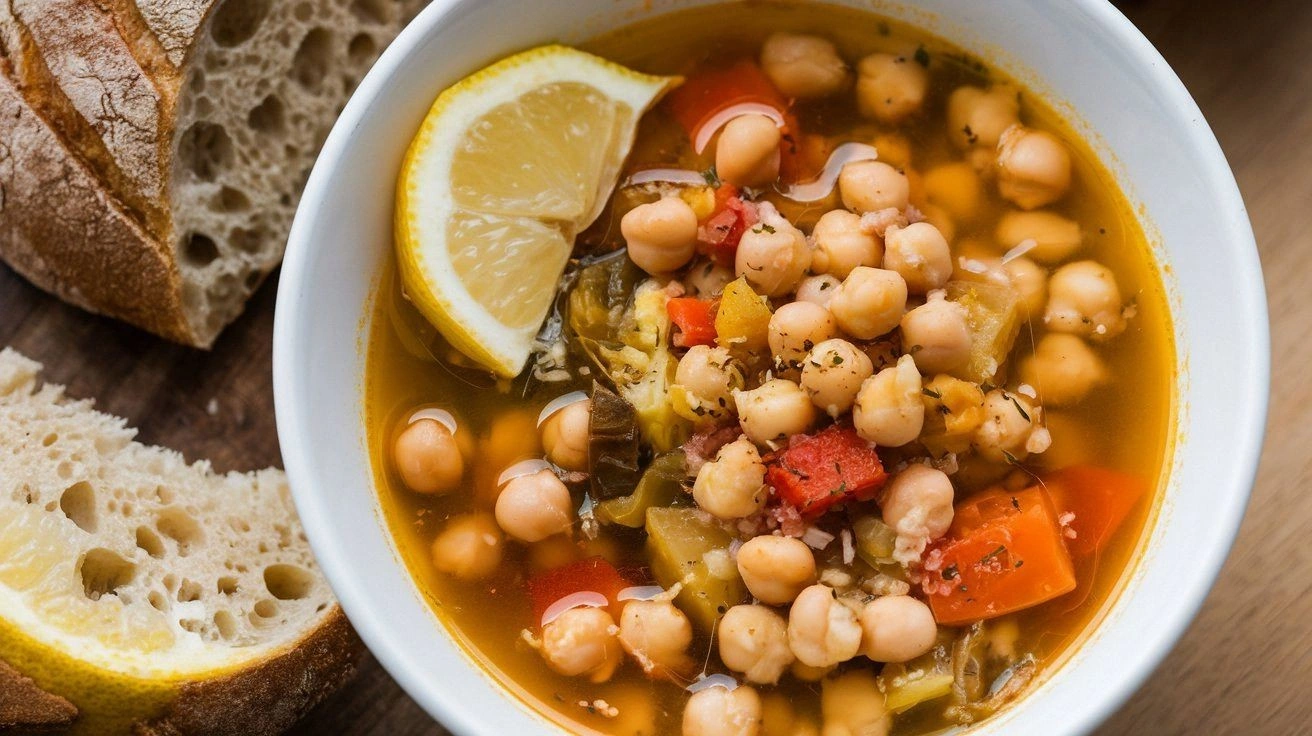
- Serve hot, garnished with fresh parsley or dill and a sprinkle of feta crumbles if desired. A drizzle of extra‑virgin olive oil adds a glossy finish. The garnish should look like a burst of green against the golden broth, inviting you to dive in.
- Enjoy your masterpiece! Remember, this soup is not just a dish—it’s an experience that will keep you coming back for seconds.
That’s it— you did it. But hold on, I’ve got a few more tricks that’ll take this to another level…
Insider Tricks for Flawless Results
The Temperature Rule Nobody Follows
Many cooks think a gentle simmer is enough, but I’ve found that starting with a rolling boil for the first minute before lowering the heat creates a richer broth. The quick burst of heat helps release the vegetables’ natural sugars, adding a subtle sweetness that balances the lemon’s sharpness. If you’re using a pressure cooker, bring it to full pressure before adding the chickpeas; this ensures they cook evenly and retain their bite.
Why Your Nose Knows Best
Before you add the lemon, give the soup a sniff. If it smells a little flat, add a splash of wine vinegar or a pinch of salt; your nose will guide you to the perfect balance. The aroma is often a better indicator of seasoning than taste alone. This trick saves you from over‑seasoning or under‑seasoning—just let your nose do the work.
The 5-Minute Rest That Changes Everything
After simmering, let the soup sit off‑heat for five minutes. This short pause allows the flavors to integrate fully, especially the lemon’s bright acidity, which can dissipate if you eat immediately. It also gives the chickpeas a chance to absorb the final burst of seasoning, resulting in a more cohesive taste profile. I’ve seen people skip this step and end up with a soup that feels rushed; don’t make that mistake.
Garnish Like a Pro
A simple drizzle of high‑quality olive oil right before serving adds shine and a silky finish. Sprinkle freshly chopped parsley or dill for color contrast, and if you’re feeling fancy, crumble feta over the top. The feta’s briny tang complements the lemon’s brightness and adds a creamy texture that elevates the dish.
Make‑Ahead Magic
This soup actually tastes better the next day because the flavors have more time to marry. Store it in an airtight container in the fridge for up to three days. When reheating, add a splash of water or broth to loosen the consistency, and heat gently on low to preserve the delicate lemon notes.
Creative Twists and Variations
This recipe is a playground. Here are some of my favorite ways to switch things up:
Spicy Greek Kick
Add a pinch of red pepper flakes when sautéing the aromatics, or stir in a tablespoon of harissa paste before adding the broth. The heat pairs wonderfully with the lemon, creating a vibrant, fiery soup that’s perfect for a chilly evening.
Herb‑Infused Delight
Swap oregano for fresh basil or thyme, and add a handful of chopped fresh mint at the end. The herbs will give the soup a fresh, aromatic lift, making it feel like a summer garden in a bowl.
Protein Boost
Stir in a handful of cooked quinoa or farro before serving for extra protein and texture. The grains soak up the broth, creating a hearty, satisfying meal that can stand alone as a main course.
Vegan Vibes
Omit the feta and replace it with a sprinkle of nutritional yeast for a cheesy, savory flavor. The yeast adds a subtle umami kick that complements the lemony brightness.
Low‑Carb Option
Use a cauliflower rice base instead of chickpeas, or add diced zucchini to increase the veggie content while keeping carbs low. The soup will still have the same bright flavor profile but with a lighter body.
Breakfast Bowl
Serve the soup with a poached egg on top and a sprinkle of smoked paprika. The egg yolk will swirl into the broth, adding richness and making it a perfect, comforting breakfast.
Storing and Bringing It Back to Life
Fridge Storage
Cool the soup completely before transferring it to a sealed container. Store in the refrigerator for up to three days. The flavors will deepen, and the lemon will still maintain its bright note.
Freezer Friendly
Divide the soup into freezer‑safe portions and freeze for up to two months. Thaw overnight in the fridge before reheating. Add a splash of water or broth to restore the original consistency.
Best Reheating Method
Reheat gently over low heat, stirring occasionally. Add a small splash of water or broth to loosen the soup, then finish with a drizzle of olive oil and a squeeze of fresh lemon juice for maximum flavor. The soup should be hot and fragrant before serving.