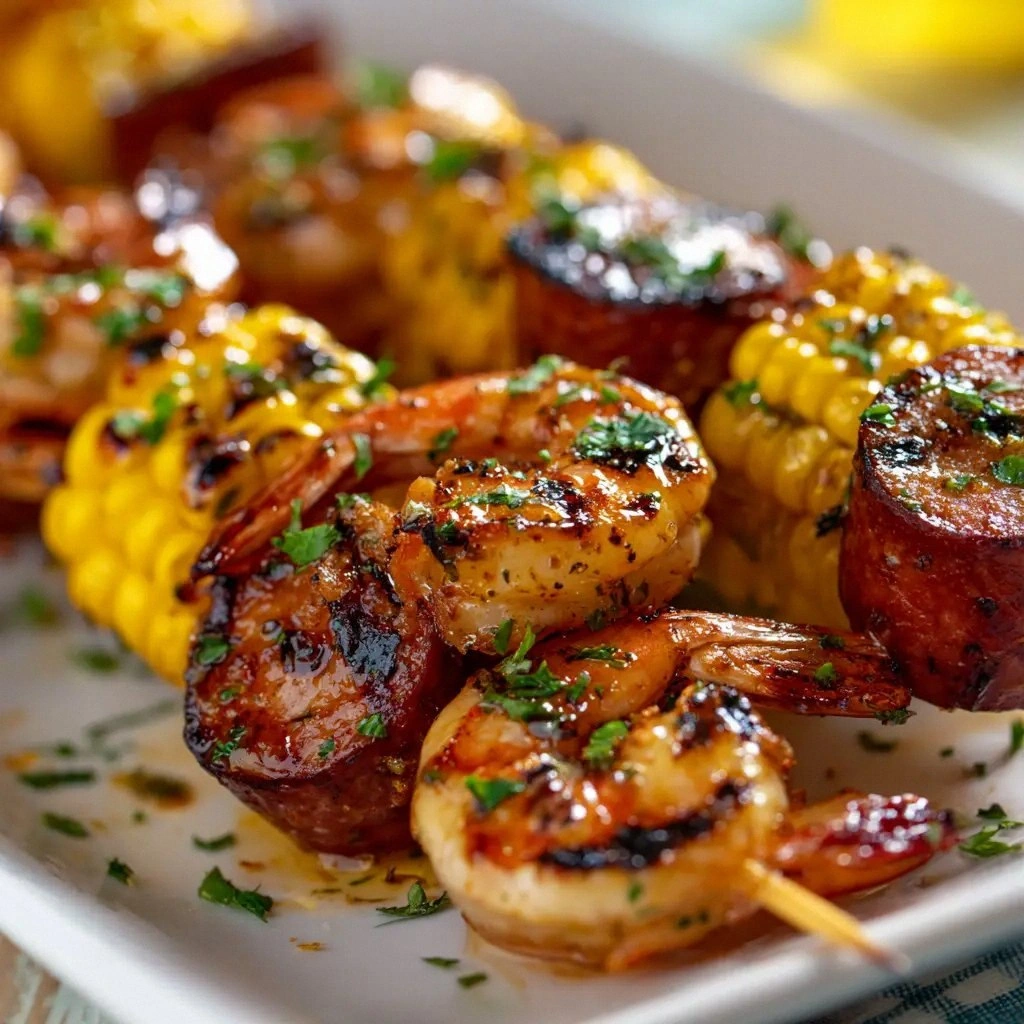
Picture this: I’m standing in a cramped apartment kitchen, the air thick with the scent of garlic and citrus, and a stubborn friend has dared me to make the most unforgettable grilled seafood skewers ever. The disaster that sparked this quest? I once tried a “quick” version that ended with a smoky, char‑burned mess and a shriveled shrimp that looked like it had been marinated in a vinegar bath for a week. I swore I’d never again let the sea’s delicate flavors get buried beneath a generic sauce. Now, after countless experiments and a few too many late‑night kitchen mishaps, I’ve cracked the code that balances bright acidity, smoky char, and a whisper of heat—making every bite a revelation.
I’ve been chasing that perfect balance for months. The moment the first shrimp hits the grill, the sizzle is like a tiny drumroll, and the aroma of lemon and oregano rises, mingling with the sweet caramelization of bell peppers. The sound of the grill’s hiss is a soundtrack to anticipation, and the visual of the vegetables turning from raw to a glossy, charred masterpiece feels almost cinematic. I can taste the ocean’s brine on my tongue before I even take a bite, and the peppery snap of the peppers adds a satisfying contrast. If you’ve ever had a seafood dish that felt flat or over‑cooked, this version is your new go‑to.
The secret? A marination that’s simple yet packed with layers of flavor, a precise grilling technique that locks in juices, and a timing trick that keeps the shrimp and scallops tender without turning them into rubber. I dare you to taste this and not go back for seconds—because the first bite will have you questioning every other seafood recipe you’ve ever tried. I’ll be honest— I ate half the batch before anyone else got to try it. Most recipes get this completely wrong; they either over‑season or under‑season, but I’ve found the sweet spot that makes the flavors dance. Picture yourself pulling this out of the grill, the whole kitchen smelling incredible, and your guests asking where you got it.
This is hands down the best version you’ll ever make at home. The combination of a bright citrus‑olive oil base, fresh herbs, and a touch of heat gives it depth that’s hard to replicate. I’ve spent hours tweaking the ratios, and the result is a dish that feels like a party on a skewer. The edges of the shrimp and scallops get a char that shatters like thin ice, while the veggies stay crisp yet soft. And the best part? It’s quick, it’s simple, and it’s a crowd‑pleaser that will have everyone asking for your secret.
Let me walk you through every single step—by the end, you’ll wonder how you ever made it any other way.
What Makes This Version Stand Out
- Flavor: The citrus‑olive oil base creates a silky coating that elevates the natural sweetness of the seafood, while the oregano adds a herbal kick that feels both fresh and comforting. The garlic infuses a warm, savory depth that ties everything together. This balance is what makes the dish unforgettable.
- Texture: The precise grilling technique gives the shrimp and scallops a tender interior with a caramelized exterior that snaps delightfully. The bell peppers and onions keep a satisfying crunch, adding a textural contrast that keeps each bite interesting.
- Simplicity: With only 13 ingredients, this recipe is straightforward enough for beginners yet sophisticated enough for seasoned cooks. No complicated sauces or secret spices—just quality ingredients and a method that works.
- Uniqueness: The subtle heat from red pepper flakes and the bright lemon create a flavor profile that is both bold and balanced. It stands out from the usual “just salt and pepper” seafood skewers.
- Ingredient Quality: Using fresh, high‑quality shrimp and scallops is key. The difference between a decent dish and a stellar one is the freshness of the sea.
- Make‑ahead Potential: The marination can be done up to 2 hours in advance, and the skewers can be grilled later. This makes it ideal for entertaining.
Alright, let’s break down exactly what goes into this masterpiece…
Inside the Ingredient List
The Flavor Base
Extra virgin olive oil is the canvas that holds everything together. It carries the lemon and herbs, ensuring each bite has a silky texture. Skipping oil would leave the shrimp dry, and the sauce would not cling properly. If you’re watching calories, you can replace half the olive oil with a light olive oil, but the richness will change slightly.
Freshly squeezed lemon juice is the bright counterpoint that cuts through the richness of the olive oil. Lemon is a natural preservative, so it helps keep the seafood fresh longer. If you can’t find fresh lemons, bottled lemon juice is acceptable, but the flavor will be a bit muted.
The Texture Crew
Large shrimp and sea scallops are the stars of the show. Their size allows for even cooking and a satisfying bite. If you’re on a budget, you can use medium shrimp, but they may cook faster and risk over‑cooking. For a more sustainable option, consider using wild‑caught shrimp or locally sourced scallops.
Red and green bell peppers add color, crunch, and a sweet flavor that balances the acidity of the lemon. They also provide a visual contrast that makes the dish look as good as it tastes. If you’re allergic to bell peppers, you can substitute with zucchini or cherry tomatoes for a different twist.
The Unexpected Star
Red onion brings a sharp, sweet bite that cuts through the richness of the seafood. Its layers also add depth when grilled, creating a caramelized flavor. If you prefer a milder taste, try using white onion or shallots.
Garlic is the backbone of the seasoning. Its aroma when toasted adds a warm, savory note that’s essential. Crushing the garlic instead of finely mincing it releases more oils and gives a deeper flavor profile. If you’re sensitive to garlic, use 2 cloves instead of 3.
The Final Flourish
Fresh parsley adds a burst of green freshness that brightens the dish. It also adds a subtle herbaceous note that complements oregano. If you’re out of parsley, cilantro or basil can work as a substitute, but the flavor will shift.
Dried oregano, red pepper flakes, salt, and black pepper are the seasoning’s backbone. Together they create a complex, well‑balanced profile. The oregano gives an earthy depth, the pepper flakes add a gentle heat, and the salt and pepper enhance all flavors. If you’re watching sodium, reduce the salt by a quarter.
Everything's prepped? Good. Let’s get into the real action…
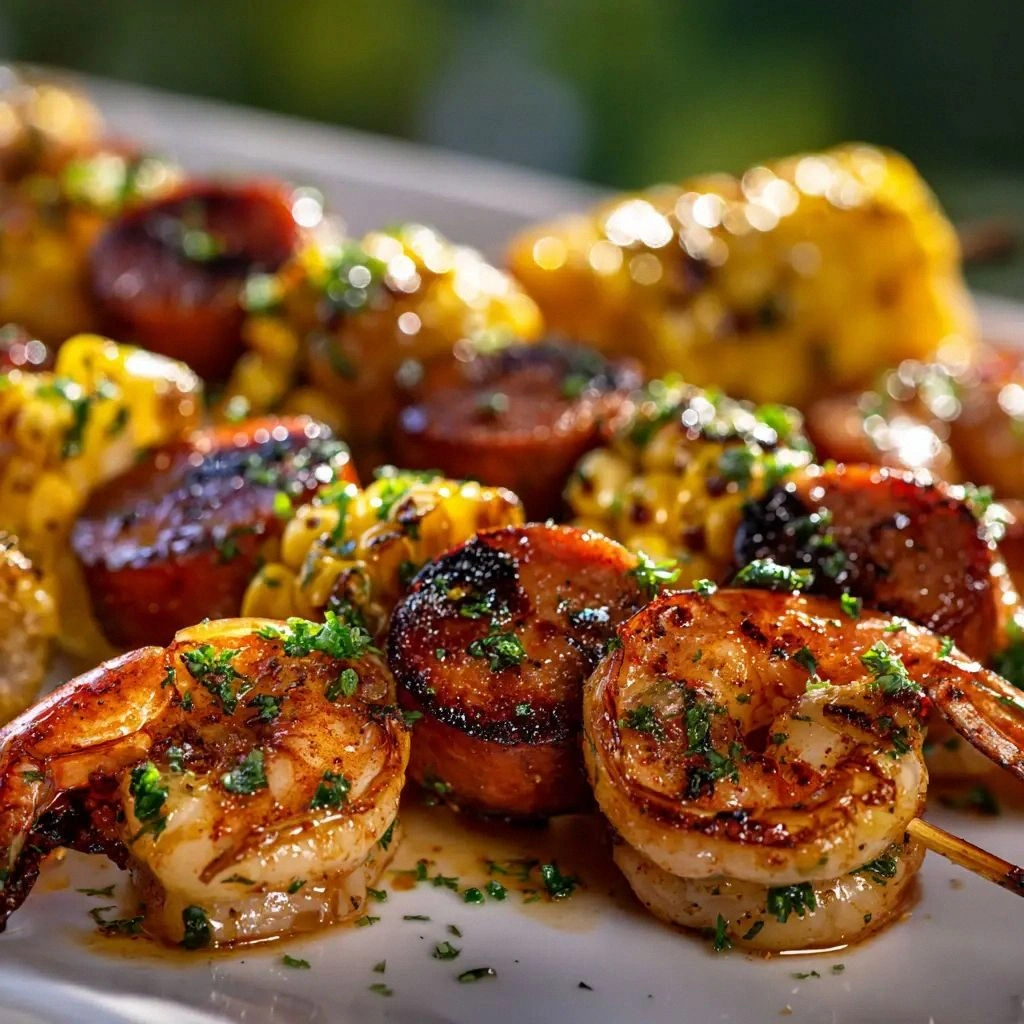
The Method — Step by Step
- Start by making the marination: whisk together the olive oil, lemon juice, minced garlic, oregano, red pepper flakes, salt, and black pepper in a bowl until the mixture is emulsified. The mixture should be thick enough to coat the shrimp and scallops evenly. I always taste it before adding the seafood; a little extra salt can make all the difference. Once the sauce is ready, set it aside for a moment while you prep the rest.
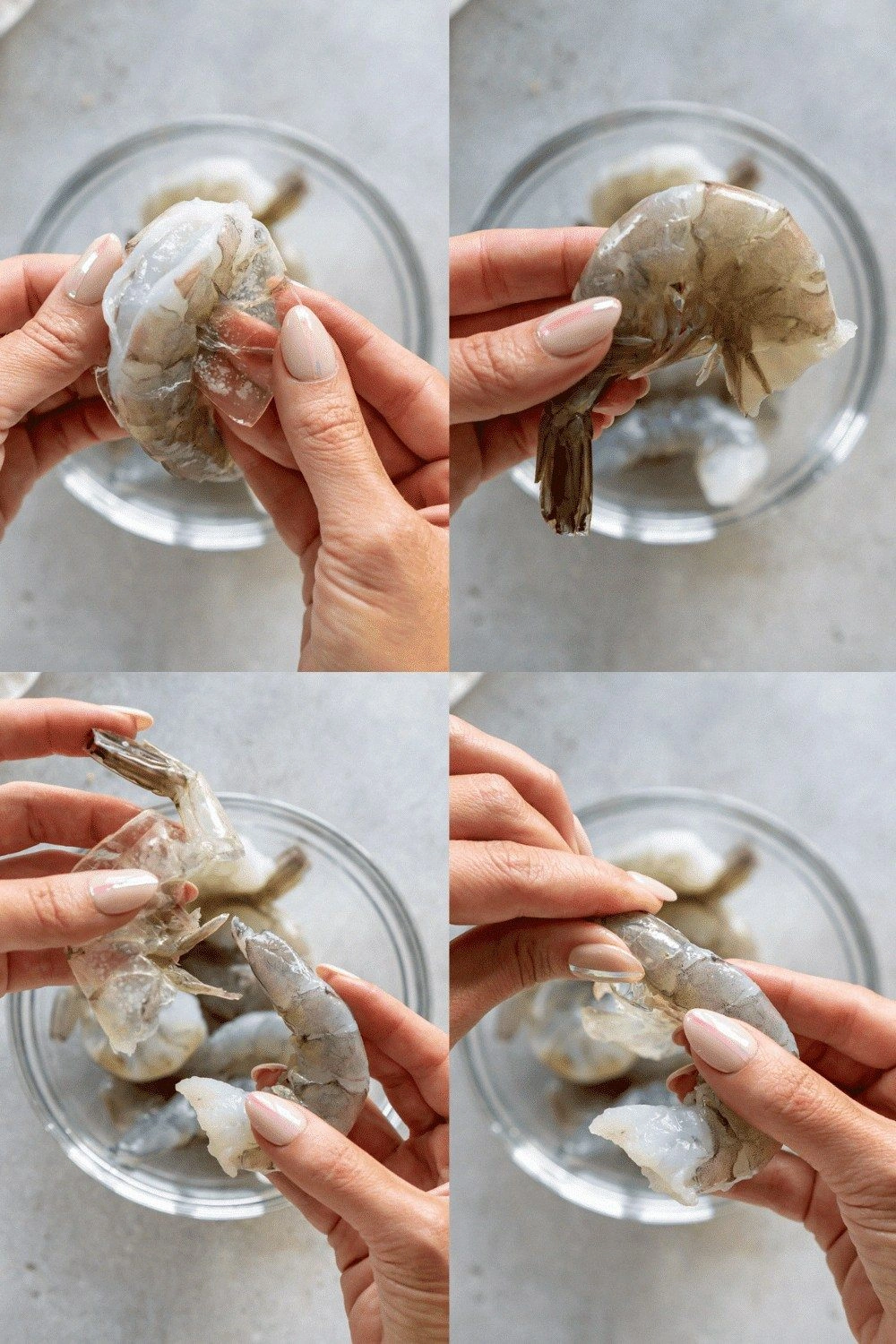
- Cut the shrimp and scallops into uniform pieces, about 2 inches long. Uniformity ensures even cooking; otherwise, the smaller pieces will burn while the larger ones stay raw. Peel the shrimp if you prefer, but leaving the shells on adds a subtle flavor and makes the skewering easier. For scallops, trim off the small side muscle if it’s still attached.
- Slice the bell peppers and onions into bite‑sized chunks. The vegetables should be about the same size as the seafood to keep everything cooking at the same rate. If you want extra color, cut the peppers into different shapes or use a mix of colors.
- Thread the shrimp, scallops, peppers, onions, and parsley onto skewers, alternating so each skewer is a colorful mosaic. If you’re using wooden skewers, soak them in water for 30 minutes beforehand to prevent burning. For metal skewers, the heat will be more even, but be sure to rotate them frequently.
- Preheat your grill to medium‑high (around 375–400°F). While the grill heats, brush it with a little olive oil to prevent sticking. Once the grill is ready, place the skewers on the grates and cook for 3–4 minutes per side. Watch for the edges of the shrimp to turn pink and the scallops to develop a slight char. Remember: the seafood cooks fast, so keep an eye on it.
- While the skewers are grilling, brush them with the remaining marinade every 2 minutes. This keeps the surface moist and builds layers of flavor. The first brush will give a glossy finish, and the subsequent ones will deepen the char. Don’t forget to turn the skewers to ensure even cooking.
- When the shrimp are opaque and the scallops are just starting to firm up, remove the skewers from the grill. Let them rest for 2 minutes; this allows the juices to redistribute, keeping the seafood moist. During this rest, you can finish the remaining skewers.
- Serve immediately, garnished with extra parsley if desired. A squeeze of fresh lemon over the top adds a burst of brightness. Pair these skewers with a chilled white wine or a light salad for a balanced meal. And if you’re feeling adventurous, add a side of garlic aioli for dipping.
That’s it— you did it. But hold on, I’ve got a few more tricks that'll take this to another level. These insider tips will help you perfect the dish every single time.
Insider Tricks for Flawless Results
The Temperature Rule Nobody Follows
Grilling at the right temperature is crucial. A too‑low heat will steam the seafood, while a too‑high heat will char the outside before the inside cooks. Aim for medium‑high heat, around 375–400°F, and keep the grill lid slightly open to maintain airflow. I’ve found that a quick flip after 3 minutes keeps the juices locked in and the char just right. This trick turns a good dish into a great one.
Why Your Nose Knows Best
Your nose is your best guide to doneness. When the shrimp start to turn pink and the scallops develop a faint blush, they’re ready. The aroma of caramelized peppers and garlic should be sweet and slightly smoky. If you’re unsure, give them an extra minute and taste a small piece. The aroma will tell you if you’re on track.
The 5-Minute Rest That Changes Everything
Letting the skewers rest for five minutes after grilling is a game‑changer. The juices redistribute, making every bite succulent. I’ve seen people skip this step and end up with dry seafood. Even a short rest makes a noticeable difference. Try it next time and taste the difference.
Don’t Skip the Fresh Parsley
Fresh parsley isn’t just a garnish; it adds a bright, herbal note that cuts through the richness. If you’re out of parsley, cilantro or basil can work, but the flavor profile will shift. The green burst on the plate also makes the dish visually appealing. Trust me, the parsley is worth the extra step.
Use a Marinade Bowl with a Lid
Marinating the seafood in a bowl with a lid keeps the flavors locked in and prevents the aromatics from evaporating. It also allows you to taste the sauce as it develops. I’ve found that a sealed bowl keeps the garlic and lemon flavors from drying out. This simple trick saves time and keeps your seafood juicy.
Creative Twists and Variations
This recipe is a playground. Here are some of my favorite ways to switch things up:
Tropical Twist
Swap the lemon juice for a splash of pineapple juice and add diced mango to the skewers. The tropical sweetness balances the heat from the red pepper flakes. Use a light coconut milk in the marinade for an extra creamy texture. This version is perfect for summer barbecues and feels like a vacation on a skewer.
Mediterranean Flair
Replace the oregano with fresh thyme and add a handful of Kalamata olives to the skewers. Finish with a drizzle of feta cheese after grilling. The briny olives and tangy feta give a Mediterranean vibe that’s both comforting and bold. Pair it with a Greek salad for a complete meal.
Spicy Sriracha Kick
Mix a tablespoon of sriracha into the marinade for a fiery punch. Add sliced jalapeños to the skewers for an extra layer of heat. The sriracha’s smoky sweetness complements the lemon while the jalapeños provide a fresh bite. This version is for those who love a good heat.
Herb Garden Delight
Add chopped basil and mint to the marinade for a fresh, aromatic flavor. Substitute the parsley garnish with a sprinkle of chopped cilantro. The herb mix adds complexity and a bright, fresh finish. This variation is ideal for spring when herbs are at their peak.
Seafood Combo
Add chunks of firm white fish like cod or halibut to the skewers for a hearty, protein‑rich dish. The fish pairs well with the shrimp and scallops, creating a balanced seafood medley. Adjust the grill time slightly to account for the thicker fish pieces. This combo makes a filling main course.
Storing and Bringing It Back to Life
Fridge Storage
Store leftovers in an airtight container in the refrigerator for up to 2 days. The seafood will stay moist, but the grill char may fade slightly. Serve cold or reheat gently on a grill or in a skillet to revive the char. A quick splash of lemon before reheating restores brightness.
Freezer Friendly
Freezing is best before grilling. Wrap the skewers tightly in parchment paper and then foil, and place them in a freezer bag. They can be frozen for up to 3 months. Thaw overnight in the refrigerator and then grill for 2 minutes per side to reheat.
Best Reheating Method
Reheat in a preheated grill at medium heat for 2–3 minutes per side. The key is to keep the grill slightly open to allow steam to keep the seafood from drying out. If you’re using a skillet, add a splash of water or broth to create steam. Finish with a final brush of marinade for extra flavor.