Love this? Pin it for later! 📌
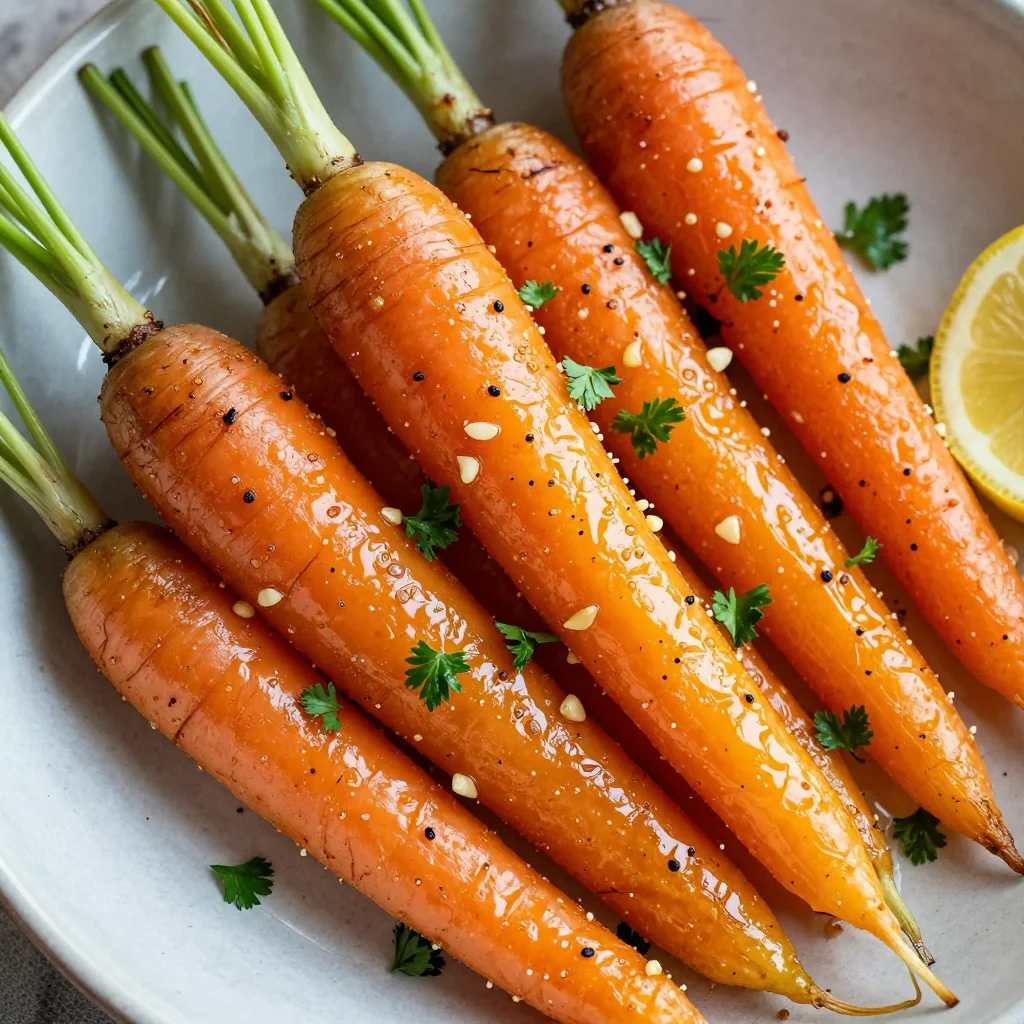
Every January, after the last crumb of gingerbread has disappeared and the champagne flutes are back on the shelf, I find myself craving something that feels like a deep breath on a plate. These lemon-glinted, garlic-kissed roasted carrots and parsnips have become my edible reset button—an effortless way to coax my family away from holiday excess without ever uttering the dreaded word “diet.” The first time I pulled the pan from the oven, the citrus perfume mingled with caramelized earthiness so beautifully that my resolution-rolling teenage son wandered into the kitchen, stole a parsnip stick, and actually smiled. One bite and I knew: this was the kind of goodness that makes healthy eating feel like celebration, not sacrifice.
Why This Recipe Works
- One-pan wonder: Toss, roast, serve—minimal dishes, maximum flavor.
- Detox-friendly: High fiber, low oil, zero refined sugar for gentle post-holiday digestion.
- Natural sweetness: Roasting concentrates the carrots’ and parsnips’ sugars—no honey or maple needed.
- Bright flavor lift: Lemon zest + juice balance the roots’ sweetness and keep the dish tasting fresh.
- Meal-prep hero: Holds beautifully for four days, hot or cold.
- Family-approved: Garlic chips add savory crunch that converts veggie skeptics.
Ingredients You'll Need
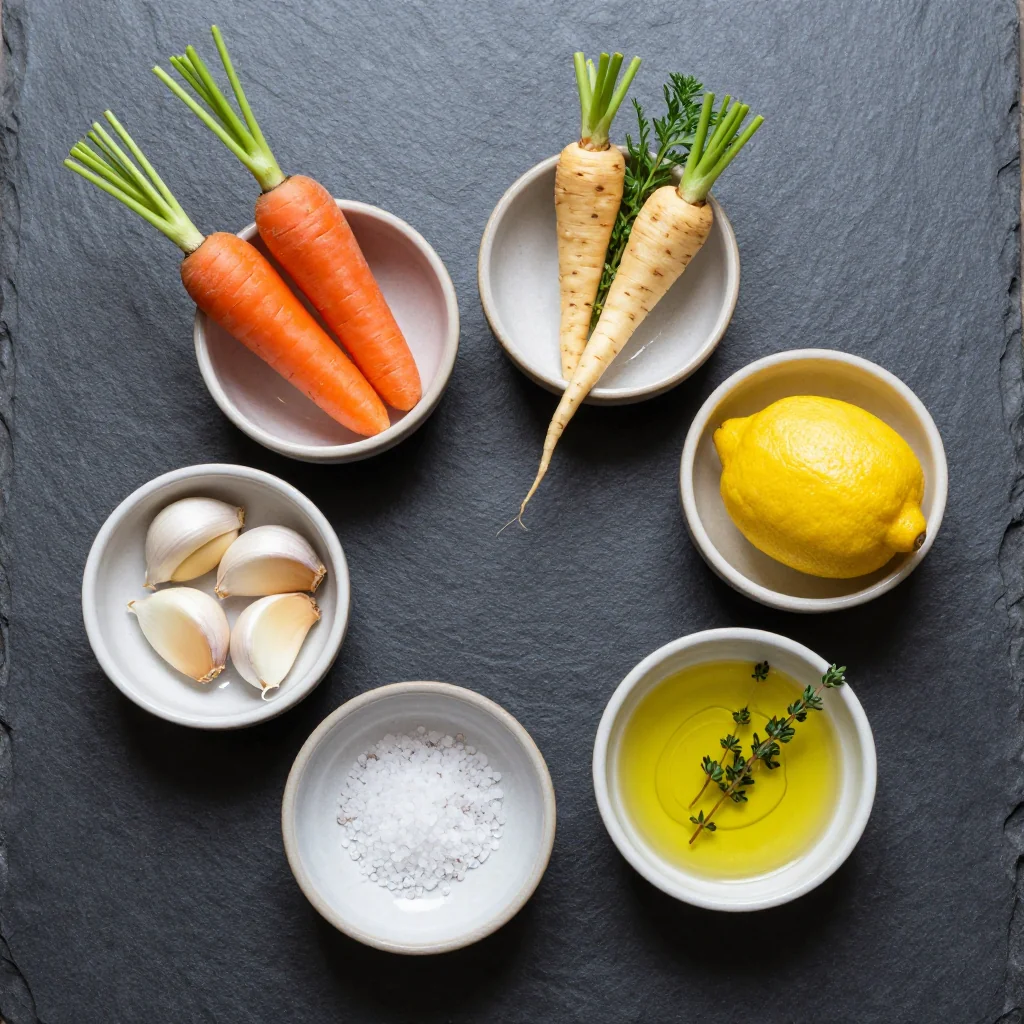
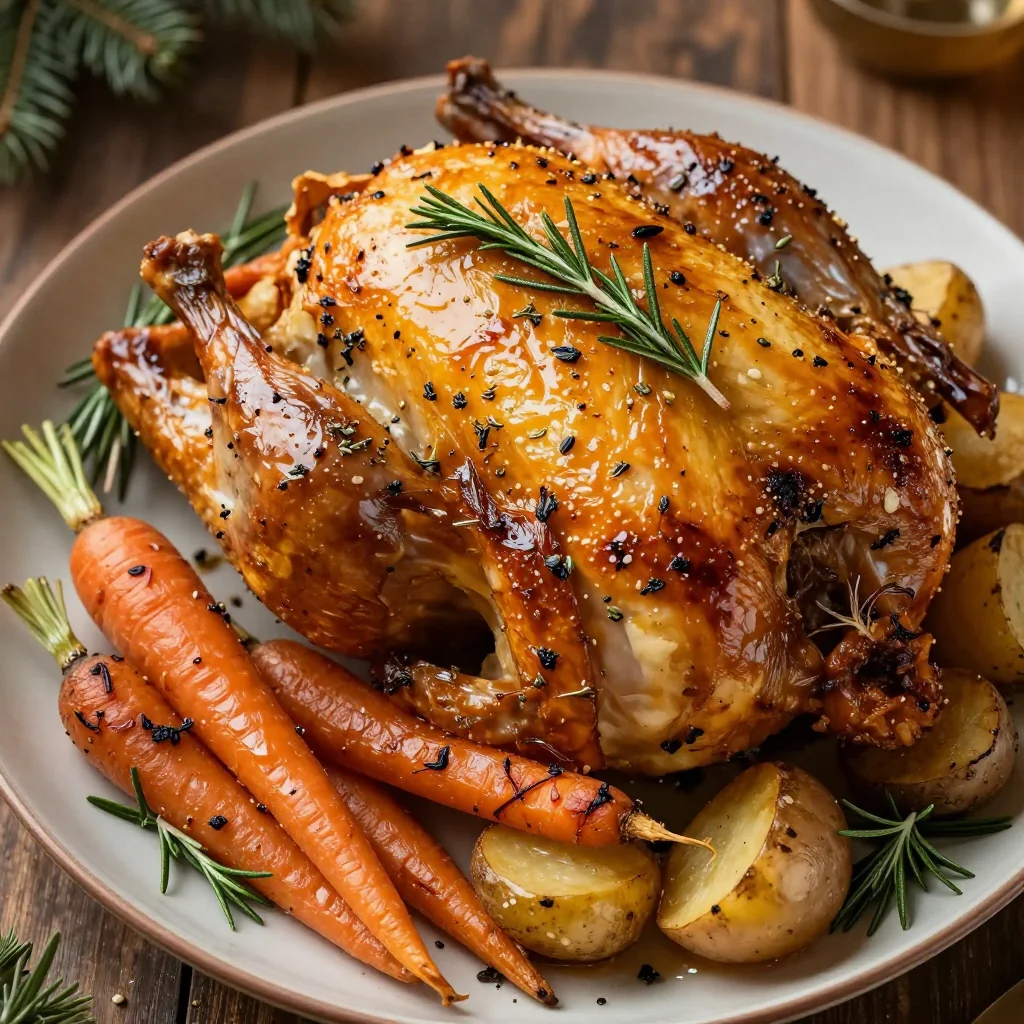
Think of carrots and parsnips as winter’s dynamic duo. Carrots bring beta-carotene and vibrant color, while parsnips contribute gut-happy soluble fiber and a naturally nutty note. Choose medium carrots—no thicker than your thumb—so they roast at the same rate as the parsnips. If you can only find monster roots, simply halve them lengthwise.
Extra-virgin olive oil is the only fat here; two tablespoons coat an entire sheet pan, keeping calories modest yet delivering those heart-healthy monounsaturates. Look for an oil in a dark bottle with a recent harvest date; rancid oil will sabotage even the best produce.
Garlic is sliced paper-thin so it bronzes into whisper-thin chips that cling to the vegetables. If you’re a true garlic lover, keep the cloves whole and smash them; for a milder kiss, substitute half a small shallot.
Fresh lemon does double duty: zest for floral top notes and juice for a last-minute acid splash that enlivens every bite. Organic lemons are worth the splurge since you’re using the peel.
A whisper of flaky sea salt amplifies sweetness, while cracked black pepper adds gentle heat. Finish with chopped flat-leaf parsley for color and a pop of chlorophyll freshness. In summer, swap in fresh dill or mint; in fall, try thyme leaves.
How to Make Healthy Lemon Garlic Roasted Carrots and Parsnips for New Year Detoxing
Preheat and prep your pan
Position rack in center of oven; heat to 425 °F (220 °C). Line a rimmed 13×18-inch sheet pan with unbleached parchment. The high heat encourages caramelization; parchment prevents sticking without excess oil.
Scrub, peel, and cut uniformly
Peel parsnips only if skin is thick or woody; a quick scrub usually suffices. Slice both carrots and parsnips on the bias into ½-inch coins so they expose maximum surface area for browning. Pat very dry—water is the enemy of roast.
Create the flavor base
In a large bowl whisk olive oil, lemon zest, salt, and pepper. Add vegetables; toss until every piece glistens. The bowl method uses less oil than drizzling on the pan and ensures even coverage.
Arrange for airflow
Spread veggies in a single layer; crowded vegetables steam, not roast. If doubling the recipe, use two pans rather than piling higher. Slide garlic slices between the vegetables so they stay anchored and don’t fly off.
Roast undisturbed
Bake 18 minutes. Resist stirring too early; the bottoms need uninterrupted contact with hot metal to achieve those crave-worthy caramelized edges. Your kitchen will start to smell like sweet nuts—your cue things are on track.
Flip and finish
Using a thin metal spatula, flip each piece. Rotate pan for even browning; roast 8–12 minutes more, until edges are blistered and centers tender when pierced.
Brighten and serve
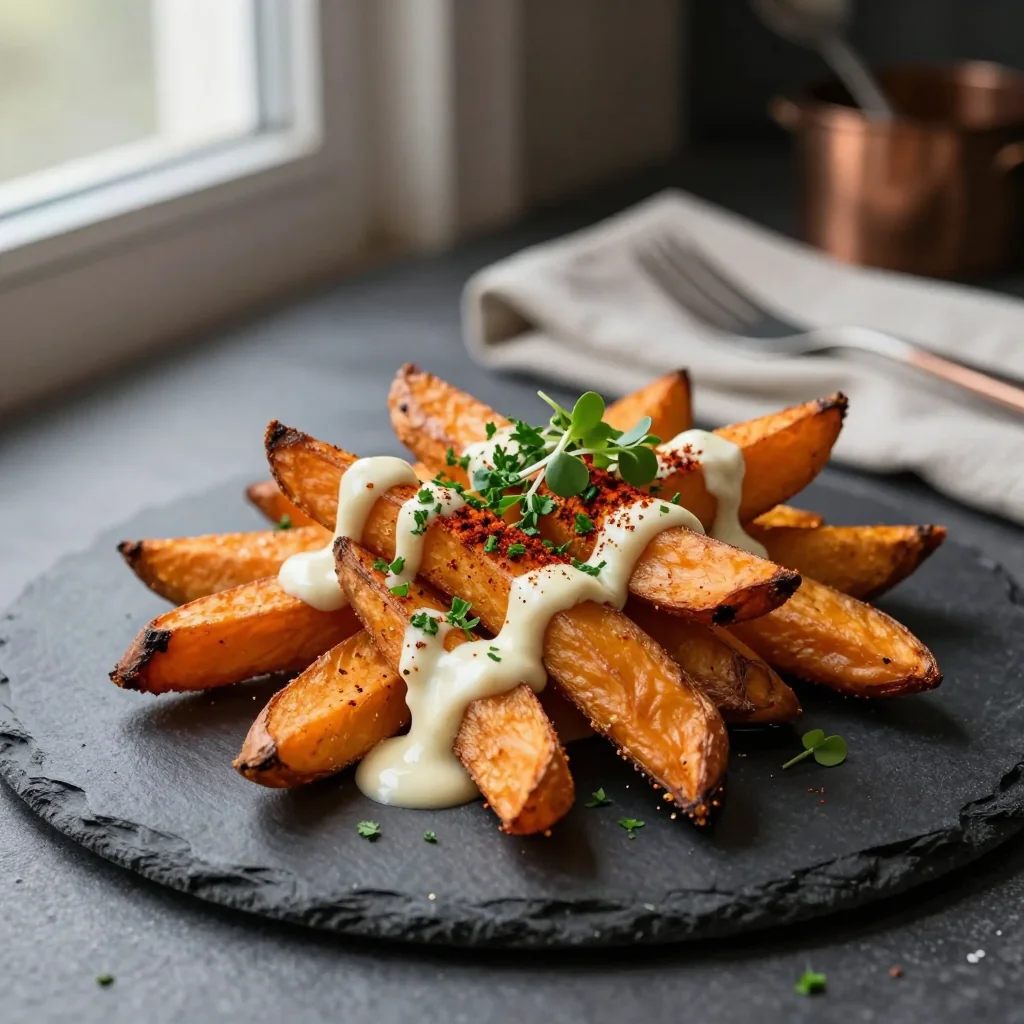
Immediately drizzle with fresh lemon juice and scatter parsley. The heat wilts the herbs just enough to release their aroma while keeping color vivid. Serve straight from the sheet pan for rustic charm or transfer to a warmed platter.
Expert Tips
Dry = crispy
After washing, roll vegetables in a clean kitchen towel; excess moisture causes steaming and limp results.
Use convection if you’ve got it
Convection speeds browning by about 15%; begin checking at the 15-minute mark to prevent scorching.
Save the peels
Carrot tops and parsnip peels make stellar vegetable stock—store in a freezer bag until you have enough.
Spice it up
A pinch of smoked paprika or ground cumin adds depth without calories; add during the oil-whisking step.
Make garlic chips separately
For extra-crunchy garlic, sauté thin slices in 1 tsp oil in a skillet until golden; sprinkle on just before serving.
Double-batch logic
Roast two pans, rotating racks halfway. Leftovers transform into next-day soup: simmer with broth, purée, finish with yogurt.
Variations to Try
- Maple-orange twist: Replace lemon zest with orange zest and finish with 1 tsp pure maple syrup for a sweeter profile (still refined-sugar-free).
- Moroccan spice: Add ½ tsp each ground coriander and cinnamon plus a pinch of cayenne; garnish with toasted almond slivers.
- Root-mix upgrade: Substitute half the carrots with beet batons for jewel tones; keep separate on pan to prevent color bleeding.
- Herb-citrus swap: Try lime zest + juice plus cilantro for a Thai vibe; finish with sesame seeds instead of parsley.
- Protein boost: Add a can of rinsed chickpeas during the flip step for plant-based protein that roasts alongside.
Storage Tips
Cool vegetables completely, then pack into glass containers with tight lids; refrigerate up to four days. To rewarm, spread on a sheet pan at 350 °F for 6–7 minutes or microwave 60–90 seconds until just warmed through—overheating softens edges. For salads, use cold; they’re magnificent over arugula with a sprinkle of feta.
Freeze in a single layer on a tray, then transfer to a freezer bag; they’ll keep two months. Thaw overnight in fridge, then flash in a hot skillet to restore crispness.
Frequently Asked Questions
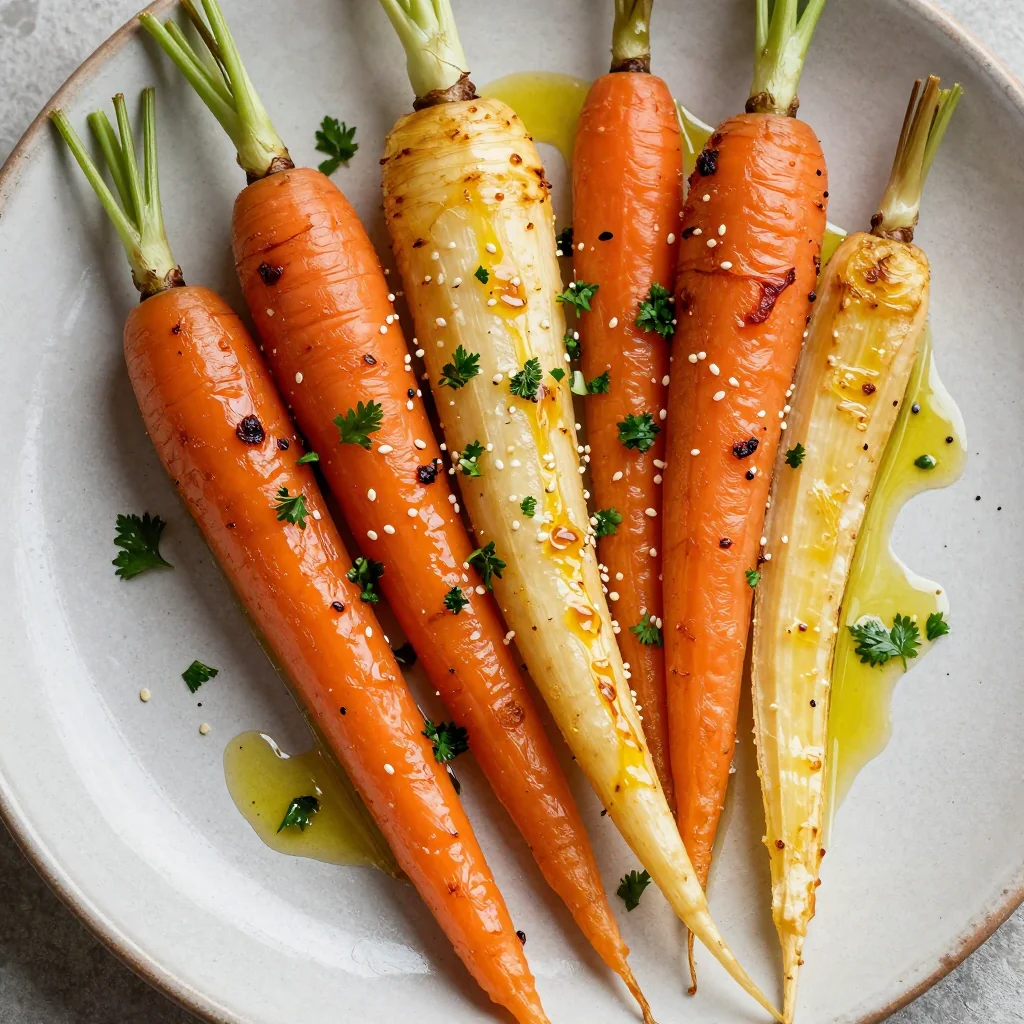
Healthy Lemon Garlic Roasted Carrots & Parsnips
Ingredients
Instructions
- Preheat: Heat oven to 425 °F. Line a rimmed sheet pan with parchment.
- Season: In a large bowl combine olive oil, lemon zest, salt, and pepper. Add carrots, parsnips, and garlic; toss to coat.
- Arrange: Spread vegetables in a single layer on prepared pan.
- Roast: Bake 18 minutes. Flip with a spatula; roast 8–12 minutes more until tender and browned.
- Finish: Drizzle with lemon juice and sprinkle parsley. Serve hot or room temperature.
Recipe Notes
For crispier edges, broil 1–2 minutes at the end, watching closely. Store leftovers refrigerated up to 4 days or freeze up to 2 months.