Picture this: a Saturday afternoon, the kitchen light flickering, a half‑filled can of tuna, a bag of chickpeas, and a stubborn craving that won’t quit. I was rummaging through the pantry, hoping to find something that could transform the mundane into the extraordinary. The moment I opened that can of tuna, the scent of briny water hit me like a wave, and I knew I was about to craft a dish that would make even the most skeptical foodie swoon. I dared myself to taste this and not go back for seconds, and the promise of a crunchy, herb‑laden bite kept me scrolling for the next step. This isn’t just another salad; it’s a culinary revelation that turns simple pantry staples into a symphony of flavors.
I’ve tried countless tuna salads, each promising a balance of protein, crunch, and zest, yet most feel flat or too heavy. What sets this version apart is the meticulous layering of textures and the subtle lift from fresh dill and capers that dance on the tongue. The mayonnaise and olive oil blend into a silky dressing that coats every bean and tuna flake, while the lemon juice injects a bright, almost citrusy zing that cuts through the richness. The hot sauce adds a whisper of heat that feels like a secret handshake between the ingredients, and the celery provides a satisfying snap that keeps the palate engaged. If you’ve ever struggled with a tuna salad that feels like a bowl of regret, you’re not alone—and I’ve got the fix.
The beauty of this recipe lies in its simplicity: no fancy gadgets, no exotic ingredients, just a handful of pantry items that work together like a well‑tuned orchestra. I’ve spent hours refining the ratio of mayo to olive oil, discovering that a 1:1 blend creates the perfect creamy foundation without drowning the fresh elements. The chickpeas, cooked to a tender yet firm consistency, add a hearty bite that makes the dish satisfying enough for a light dinner or a hearty lunch. The tuna, drained and flaked, contributes protein and a subtle sea‑salt flavor that harmonizes with the capers’ briny punch. Every bite is a balanced composition of savory, sweet, and tangy notes that play off each other beautifully.
What I love most is how this dish feels like a conversation between flavors, each component speaking up without shouting. The dill’s herbal aroma rises like a gentle breeze, while the lemon’s citrus notes add a fresh, almost floral undertone. The hot sauce, though modest, brings a gentle heat that lingers, inviting you to taste again and again. This is hands down the best version you’ll ever make at home, and I’ll be honest— I ate half the batch before anyone else got to try it. The anticipation of the first bite, the crunch of celery, and the burst of capers’ brine— it’s an experience that will keep you coming back.
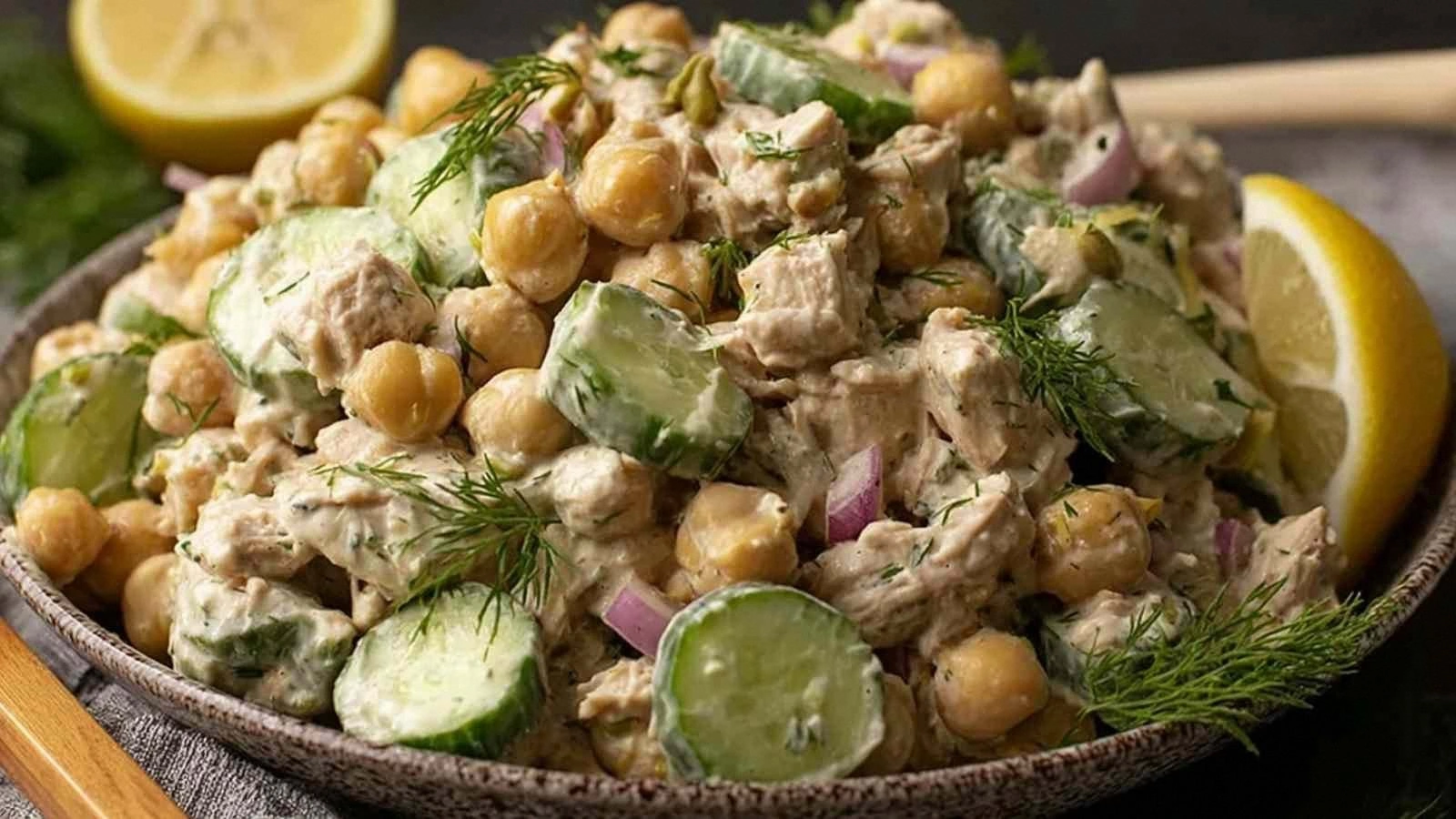
Picture yourself pulling this out of the fridge, the whole kitchen smelling incredible, and the colors of the fresh dill and bright orange of the tuna flaking against the deep green of the beans. The dish is a visual feast: the golden sheen of the mayo glaze, the speckled green of dill, and the glossy capers that glint like tiny jewels. I dare you to taste this and not go back for seconds. If you’re ready for a flavor adventure that will redefine your tuna salad, stay with me here— this is worth it. Let me walk you through every single step— by the end, you’ll wonder how you ever made it any other way.
Now that you’re hooked, let’s dive into what makes this version stand out from the rest. The secret isn’t just the ingredients; it’s the way each one is treated, the timing, and the little tweaks that elevate the dish to something memorable. Below, I’ve broken down the key elements that give this recipe its unique edge. These are the things that most recipes get wrong or overlook entirely. I’ll walk you through each one, and by the end, you’ll know exactly how to replicate this masterpiece in your own kitchen.
What Makes This Version Stand Out
- Flavor Depth: The combination of fresh dill and capers creates a layered taste profile that feels both herbaceous and briny, a rare find in typical tuna salads.
- Texture Harmony: The chickpeas remain firm enough to provide a satisfying bite, while the tuna flake softly, offering a contrast that keeps each mouthful interesting.
- Visual Appeal: A splash of lemon juice gives the dressing a glossy sheen, and the bright green dill pops against the creamy backdrop.
- Health Conscious: Using olive oil instead of butter keeps the dish heart‑healthy without sacrificing flavor, and the chickpeas add fiber for a wholesome boost.
- Make‑Ahead Friendly: This salad can be prepared up to 24 hours in advance; the flavors actually deepen, making it perfect for meal prep.
- Versatility: Serve it on a bed of greens, as a sandwich filling, or even as a topping on whole‑grain toast for a quick snack.
- Balanced Spiciness: A touch of hot sauce adds just enough heat to wake up the palate without overpowering the delicate flavors.
- Time Efficiency: The entire prep takes under 15 minutes, making it ideal for busy weeknights or lazy weekends.
The next section dives deep into each ingredient, explaining its role and offering swaps if you’re looking to customize the dish. By understanding the purpose behind every component, you’ll be able to tweak the recipe while keeping its core integrity intact. This knowledge also helps you troubleshoot if something goes off track. Ready to get granular?
Inside the Ingredient List
The Flavor Base
The mayonnaise and olive oil together form the creamy canvas that binds the dish. Mayo adds a velvety texture, while olive oil introduces a subtle fruity undertone. If you’re lactose intolerant, a dairy‑free mayo works just as well; just be sure it’s well‑whipped to avoid a grainy feel. A pinch of sea salt can enhance the overall brightness of the dressing, but the canned tuna already brings enough saltiness.
The Texture Crew
Chickpeas are the backbone of this salad, offering a hearty bite and a protein boost. They absorb the dressing beautifully, becoming slightly tender yet still firm. If you prefer a smoother texture, pulse the chickpeas in a food processor for 10–15 seconds, but don’t overdo it or they’ll become mushy. Using a high‑quality canned chickpea brand with a firmer bite can make a noticeable difference.
The Unexpected Star
Capers may seem like a small addition, but they deliver a concentrated burst of brine that elevates the entire dish. They provide a sharp contrast to the mild tuna, preventing the salad from feeling flat. If capers are unavailable, a small spoonful of anchovy paste or a dash of Worcestershire sauce can mimic their umami punch.
The Final Flourish
Fresh dill and a splash of lemon juice bring the dish to life with a bright, herbaceous finish. Dill’s piney aroma and lemon’s citrus zing lift the flavors, making each bite feel fresh and lively. If you’re out of dill, parsley or tarragon can serve as alternatives, but be mindful that the flavor profile will shift slightly. A light dusting of cracked black pepper adds a subtle heat that complements the hot sauce.
Everything’s prepped? Good. Let’s get into the real action. I promise you, the process is as enjoyable as the result.
The Method — Step by Step
- Drain the canned chickpeas and rinse them under cold water. Pat them dry with a paper towel to remove excess moisture, which helps them absorb the dressing better. Place the chickpeas in a large mixing bowl and set aside. This step ensures a clean, salt‑free base that won’t overpower the other flavors.
- Open the tuna can, drain the water, and gently flake the tuna with a fork. The water can make the tuna soggy, so a quick squeeze of the can’s contents helps maintain a firmer texture. Add the tuna to the bowl with chickpeas, letting the two mingle. The tuna’s natural brine will begin to marry with the dressing ingredients.
- In a separate small bowl, whisk together 2 tablespoons of mayonnaise, 2 tablespoons of olive oil, 1 tablespoon of fresh lemon juice, 1 teaspoon of Dijon mustard, 0.25 teaspoon of kosher salt, 0.25 teaspoon of freshly ground black pepper, and a splash of hot sauce to taste. Whisk until the mixture is smooth and emulsified. This dressing should feel silky and slightly thick, ready to coat every bean and tuna flake.
- Pour the dressing over the chickpeas and tuna, then gently fold until everything is evenly coated. The dressing should cling to each ingredient like a glossy coat. Let the mixture sit for about 5 minutes to allow the flavors to meld. The aroma of lemon and dill will start to rise, teasing your senses.
- Add 3 tablespoons of finely chopped celery, 2 tablespoons of diced red onion, 1 tablespoon of capers, and 2 tablespoons of fresh dill. These ingredients bring crunch, sharpness, and herbal brightness. Fold them into the salad, ensuring each bite has a balanced mix of textures and flavors.
- Taste the salad and adjust the seasoning. If you prefer more heat, add another dash of hot sauce; if you want more tang, squeeze in a bit more lemon juice. Remember, the dressing is the backbone, so keep the balance gentle. This step is crucial for personalizing the dish to your palate.
- Cover the bowl with plastic wrap and refrigerate for at least 30 minutes, or up to 24 hours for deeper flavor integration. The salad will absorb more moisture, becoming creamier and more cohesive. The cold will also enhance the crispness of the celery and onion.
- Just before serving, give the salad a final gentle toss. If it looks dry, drizzle a splash of olive oil or a few drops of water to loosen it up. Plate the salad on a bed of mixed greens or serve it as a filling for a sandwich or wrap. The dish is ready to enjoy.
That’s it— you did it. But hold on, I've got a few more tricks that'll take this to another level. These insider tips will help you avoid common pitfalls and elevate the dish to gourmet status.
Insider Tricks for Flawless Results
The Temperature Rule Nobody Follows
Always use room‑temperature ingredients for the dressing. Cold mayo and olive oil can create a lumpy emulsion that’s hard to incorporate. Let the mayo sit on the counter for 10 minutes before whisking, and keep the olive oil at room temperature as well. This simple step ensures a silky, homogenous dressing that coats every bean and tuna flake.
Why Your Nose Knows Best
The aroma of lemon and dill is a powerful indicator of freshness. If the lemon juice smells off or the dill has a musty scent, it’s best to replace them. Fresh herbs and citrus not only taste better but also provide antioxidants that boost the dish’s health benefits. Trust your nose; it’s your best ally in the kitchen.
The 5‑Minute Rest That Changes Everything
After mixing the dressing, let the salad rest for 5 minutes before adding the crunchy vegetables. This pause allows the flavors to meld and the chickpeas to absorb the dressing fully. It also prevents the celery and onion from becoming soggy. A quick rest is a small time investment for a big flavor payoff.
The Capers’ Secret
Capers can be a touchy ingredient; too many can overpower the dish. Use them sparingly and rinse them under cold water to remove excess salt. If you’re craving a briny kick, add them in stages, tasting after each addition. This ensures the capers complement rather than dominate the flavor profile.
The Quick Reheat Hack
If you’re reheating the salad, add a splash of water or a drizzle of olive oil before microwaving for 30 seconds. This reintroduces moisture and prevents the dressing from drying out. A quick stir after heating restores the creamy texture and brightens the flavors.
The Final Touch
Just before serving, sprinkle a pinch of smoked paprika or a few drops of sesame oil for a subtle smoky or nutty finish. These small additions can transform a familiar dish into something new and exciting. Experiment with different spices to find your favorite finishing touch.
These tricks are the difference between a good salad and a great one. They’re small adjustments that pack a big punch, and they’ll keep you coming back for more. Trust me, once you’ve tried these, you’ll never go back to the ordinary again.
Creative Twists and Variations
This recipe is a playground. Here are some of my favorite ways to switch things up:
Mediterranean Medley
Swap the dill for fresh oregano and add a handful of Kalamata olives for a Mediterranean vibe. The olives bring a deep, salty flavor that pairs beautifully with the tuna. Keep the capers for a brine punch, and you’ll have a dish that feels like a Mediterranean picnic. Serve over a bed of couscous for an extra layer of texture.
Spicy Chipotle Kick
Replace the hot sauce with chipotle in adobo for a smoky heat. Add a pinch of cumin to deepen the flavor profile. The chipotle’s smoky undertones complement the fresh dill, creating a complex, layered taste. This version is perfect for those who love a bit of heat without overpowering the dish.
Asian Fusion
Use a splash of soy sauce in place of the lemon juice, and add a teaspoon of sesame oil. Toss in sliced cucumber and shredded carrot for crunch. The sesame oil’s nutty flavor pairs with the dill, while the soy sauce adds umami depth. This twist turns the salad into a quick Asian-inspired lunch.
Vegan Variation
Replace tuna with chickpea “tuna” made from mashed chickpeas, lemon zest, and a dash of nutritional yeast. Use vegan mayo and a splash of apple cider vinegar for acidity. The result is a plant‑based version that still delivers that hearty, satisfying texture. It’s a great option for vegans or anyone looking to reduce meat consumption.
Breakfast Boost
Serve the salad over a toasted English muffin, topped with a sunny‑side‑up egg. The egg adds protein and a creamy yolk that complements the creamy dressing. The combination of salty, tangy, and savory flavors makes for a breakfast that feels like a brunch treat. This variation is perfect for a weekend brunch or a quick weekday breakfast.
Pasta Salad Remix
Toss the salad with cooked pasta, such as fusilli or penne, for a heartier meal. The pasta absorbs the dressing, creating a creamy, flavorful pasta salad. Add a handful of sun‑dried tomatoes for a sweet, chewy contrast. This version is ideal for a potluck or a family dinner.
The possibilities are endless. Each variation brings a new dimension to the dish, allowing you to tailor it to your mood, season, or dietary preference. Don’t be afraid to experiment; the world of flavor is yours to explore.
Storing and Bringing It Back to Life
Fridge Storage
Store the salad in an airtight container in the refrigerator for up to 48 hours. Keep the dressing separate if you want the greens to stay crisp. If you’re adding fresh herbs, keep them in a damp paper towel to maintain freshness. Check for any signs of moisture or off odors before consuming.
Freezer Friendly
For longer storage, separate the dressing and the salad components and freeze them individually. The salad can be frozen for up to 2 weeks; thaw in the fridge overnight. The dressing may separate, so give it a quick shake before using. This method preserves the texture and flavor for future meals.
Best Reheating Method
If you’re reheating a frozen portion, add a splash of water or a drizzle of olive oil to re‑introduce moisture. Warm the salad gently in the microwave for 30–45 seconds, then stir. The goal is to keep the dressing creamy and the greens crisp. A quick toss after heating restores the original texture and aroma.
With these storage tips, you can enjoy this salad anytime, whether you’re prepping for the week or craving a quick, wholesome meal. The dish’s versatility and longevity make it a staple for any kitchen.