It was a Tuesday night, the kind of night when the fridge is a mystery and your stomach is a drum that refuses to stay quiet. I had just pulled a whole chicken from the freezer, a modest 3‑lb bird that had been sitting in the back of my freezer for weeks, and I was staring at it like a culinary hostage. The kitchen smelled faintly of plastic and the distant memory of last night’s pizza, and I was determined to turn that frozen beast into something that would make my taste buds do the tango. I set the oven to 425°F, grabbed my favorite skillet, and whispered, “I dare you to taste this and not go back for seconds.” The challenge was accepted.
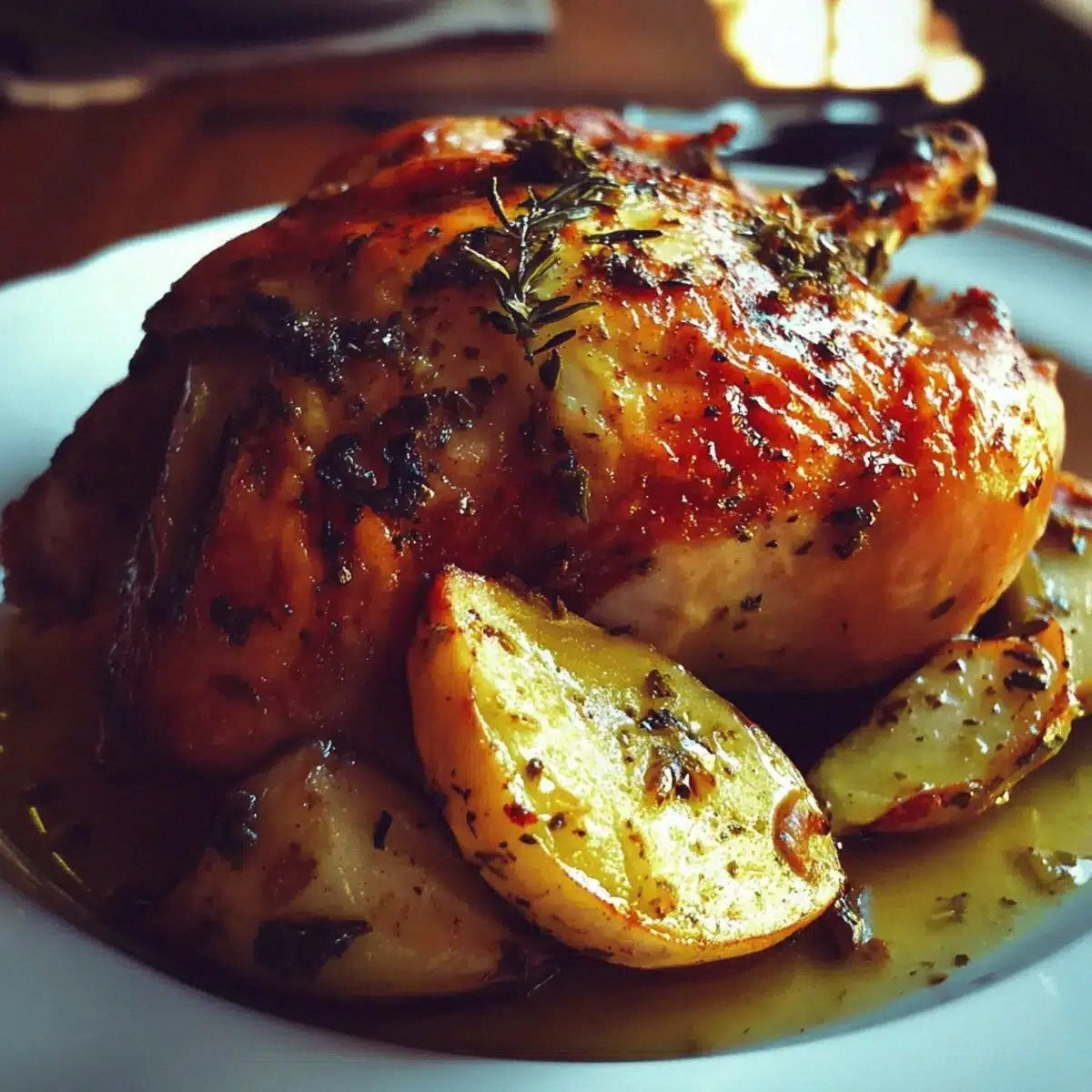
Picture yourself pulling this out of the oven, the whole kitchen smelling incredible, the golden skin crackling like a fresh coat of paint, and the juices glistening on the cutting board. That scent alone is a promise of a meal that will be the highlight of the evening. It’s not just the aroma; it’s the crunch of the skin, the tender, juicy meat that practically melts in your mouth, and the herbaceous burst that dances on your palate. It’s the moment you realize you’re about to eat a dish that’s both comforting and daring. The anticipation builds, and you can’t help but grin like a kid who just found a secret stash of chocolate.
Why does this version stand out from every other roast chicken recipe you’ve tried? First, it’s the herb rub that’s a symphony of rosemary, thyme, and garlic—each herb playing its part to create a flavor profile that’s both earthy and bright. Second, the pan drippings are turned into a sauce that coats the chicken like velvet, adding depth without overpowering the meat. Third, the technique of searing the chicken before roasting gives the skin that coveted crispness that shatters like thin ice. Fourth, the use of white wine or broth in the pan deglazes brings a subtle acidity that balances the richness. Finally, the entire process is streamlined, so you’re not juggling multiple pots or waiting for a timer to beep; it’s a single, cohesive flow that’s both efficient and delicious.
I’ll be honest—when I first tried this recipe, I ate half the batch before anyone else got to try it. The combination of herbs, the buttery glaze, the caramelized edges—everything was so irresistible that it felt like a culinary confession. But that’s the beauty of this dish: it’s so good that it invites you to share, to brag, to make it a staple in your dinner rotation. If you’ve ever struggled with a roast chicken that turns out dry or uneven, you’re not alone—and I’ve got the fix. This is hands down the best version you’ll ever make at home.
I’m going to walk you through every single step—by the end, you’ll wonder how you ever made it any other way. From selecting the freshest herbs to mastering the timing of the roast, we’ll cover all the nuances that elevate this dish from ordinary to unforgettable. And trust me, the moment you taste that first bite, the kitchen will feel like a sanctuary of flavor. So let’s dive in, and I promise you’ll be back for seconds (or thirds, if you’re feeling bold).
What Makes This Version Stand Out
- Taste: The herb rub delivers a layered flavor that’s simultaneously aromatic and robust, with rosemary’s piney undertones and thyme’s subtle mintiness. The garlic adds a warm, savory depth that lingers long after the first bite.
- Texture: The high-heat sear locks in juices, creating a skin that is crisp, crackling, and irresistibly golden. Inside, the meat stays tender and moist, with a melt‑in‑your‑mouth quality.
- Simplicity: Only a handful of ingredients and a straightforward process. No fancy equipment or complicated steps—just a skillet, an oven, and a good sense of timing.
- Uniqueness: The pan‑drip sauce is the secret weapon. It transforms ordinary drippings into a silky, herb‑infused glaze that coats the chicken like velvet.
- Crowd Reaction: Friends and family rave about the crispy skin and the savory sauce. It’s the kind of dish that becomes a conversation starter at dinner tables.
- Ingredient Quality: Using fresh rosemary and thyme is key; they’re the backbone of the flavor profile. Fresh garlic and good olive oil elevate the dish to gourmet status.
- Cooking Method: The sear‑then‑roast technique is a proven method for achieving the best texture. It’s a technique used by top chefs, now made accessible for home cooks.
- Make‑Ahead Potential: The herb rub can be prepared a day in advance, and the chicken can be marinated overnight to deepen the flavors.
Alright, let’s break down exactly what goes into this masterpiece…
Inside the Ingredient List
The Flavor Base
The whole chicken is the star of the show. A fresh, unbrined bird ensures that the natural flavors shine through. If you can’t find a whole chicken, a 4‑lb piece works just as well, but the cooking time will adjust accordingly. A whole chicken allows the juices to circulate, resulting in a more uniform flavor profile.
The Herb Ensemble
Fresh rosemary and thyme bring earthy depth and aromatic complexity. The combination of these herbs is a classic pairing that has stood the test of time in European cooking. If you’re out of fresh herbs, dried ones can substitute, but use half the amount and adjust for potency.
The garlic cloves add a warm, savory note that cuts through the richness of the chicken. Mince or crush them to release their essential oils, and let them mingle with the herbs before coating the bird. Remember: garlic is a flavor powerhouse—use it wisely.
The Fat Factor
Olive oil is the medium that carries the herbs and garlic onto the skin. It also helps the skin crisp up during roasting. Choose a good quality extra‑virgin olive oil for the best flavor; a more robust oil will add a peppery finish.
Butter is added later to the pan drippings to finish the sauce. The butter’s milk solids caramelize, giving the sauce a silky, glossy finish. If you prefer a lighter version, you can substitute half the butter with olive oil, but the richness will be slightly diminished.
The Liquid Lift
White wine or chicken broth is used to deglaze the pan, lifting the browned bits that carry flavor. The acidity of white wine brightens the sauce, while broth keeps it more neutral. If you’re avoiding alcohol, broth is an excellent alternative.
The final flourish of fresh herbs—rosemary, thyme, or parsley—adds a burst of color and a fresh finish to the sauce. These herbs are optional, but they give the dish a vibrant look that’s as pleasing to the eye as it is to the palate.
Everything’s prepped? Good. Let’s get into the real action…
The Method — Step by Step
-
Start by bringing the whole chicken to room temperature, about 30 minutes out of the fridge. This ensures even cooking and prevents the outside from overcooking while the inside remains underdone. Pat the chicken dry with paper towels; moisture on the skin is the enemy of crispness.
-
In a small bowl, combine the fresh rosemary, thyme, minced garlic, salt, black pepper, and olive oil to form a fragrant paste. Rub this mixture all over the chicken, making sure to get under the skin where the fat is. The herbs will penetrate the meat, infusing it from the inside out.
-
Preheat a cast‑iron skillet over medium‑high heat. Once the pan is hot, place the chicken breast‑side down. The sizzle that follows is the first sign of success—if it’s not loud enough, the pan isn’t hot enough.
-
Sear the chicken for 5–7 minutes until the skin turns a deep golden brown. Flip it over, and sear the other side for an additional 3–4 minutes. This high‑heat sear locks in juices and creates that coveted crispy skin.
-
Transfer the skillet to a preheated oven at 425°F. Roast for 20 minutes, then remove the skillet and tent the chicken loosely with foil. Return to the oven for another 15–20 minutes, or until the internal temperature reaches 165°F in the thickest part of the thigh.
-
While the chicken rests, carefully pour the pan drippings into a small saucepan. Add the white wine or broth, scraping up all the browned bits. Let it simmer until reduced by half, then stir in the butter until melted and silky.
-
Once the chicken reaches the desired temperature, remove it from the oven and let it rest for 10 minutes. This step allows the juices to redistribute, ensuring each bite is juicy and tender.
-
Slice the chicken, arrange it on a platter, and drizzle the pan sauce over the top. Garnish with fresh herbs if desired. The final touch of fresh herbs adds color and a burst of fresh flavor that balances the richness of the sauce.
That’s it— you did it. But hold on, I’ve got a few more tricks that will take this to another level. From the perfect resting time to the exact way to finish the sauce, I’m about to share the insider knowledge that turns an already great dish into a culinary masterpiece.
Insider Tricks for Flawless Results
The Temperature Rule Nobody Follows
Many people rely solely on a timer, but the true key to a juicy roast is the internal temperature. Use a meat thermometer to check the thickest part of the thigh. Once it hits 165°F, remove it immediately. This small step prevents the dreaded dry chicken that can ruin an otherwise perfect meal.
Why Your Nose Knows Best
Trust your senses. A golden, crackling skin and a fragrant aroma of herbs signal that the sear is complete. If the skin still looks pale, give it a few more minutes. Your nose is a reliable guide to flavor development.
The 5-Minute Rest That Changes Everything
Resting the chicken for 5–10 minutes after roasting is crucial. It allows the juices to redistribute throughout the meat, preventing them from spilling out onto the cutting board. Skipping this step can result in a dry bite that feels like a betrayal.
The Pan Sauce Trick
When deglazing, add a splash of wine or broth at a low heat. This prevents the sauce from scorching and helps extract all the flavor from the pan. The result is a silky, herb‑infused sauce that coats the chicken like velvet.
The Fresh Herb Finale
Just before serving, sprinkle fresh herbs over the chicken and sauce. The bright green color and fresh aroma elevate the dish visually and taste-wise. It’s a simple finishing touch that makes the meal feel elevated.
Creative Twists and Variations
This recipe is a playground. Here are some of my favorite ways to switch things up:
Spicy Citrus Roast
Add a splash of orange juice and a pinch of cayenne pepper to the herb rub. The citrus brightens the flavor while the heat adds a subtle kick that pairs wonderfully with the chicken’s natural richness.
Herb‑Butter Glaze
Replace the wine or broth with a mixture of melted butter, fresh rosemary, and lemon zest. This creates a luxurious glaze that deepens the buttery notes and adds a fragrant citrus note.
Smoky Paprika Version
Incorporate smoked paprika into the rub for a subtle smoky undertone. The paprika also gives the skin a slightly darker hue, making the dish visually striking.
Mediterranean Twist
Swap the white wine for a splash of dry white wine and add a handful of Kalamata olives to the pan. The olives infuse the sauce with briny depth, turning the dish into a Mediterranean delight.
Garlic‑Infused Butter
Infuse the butter with minced garlic before adding it to the pan. This enhances the garlicky flavor profile, making each bite more aromatic.
Herb‑Stuffed Chicken
Create a small pocket in the breast and stuff it with a mixture of herbs, minced garlic, and a bit of butter. This technique adds flavor from the inside out and creates a dramatic presentation.
Storing and Bringing It Back to Life
Fridge Storage
Cool the chicken completely before placing it in an airtight container. Store it in the refrigerator for up to 3 days. The pan sauce can be kept separately to avoid sogginess.
Freezer Friendly
Wrap the cooled chicken tightly in foil, then place it in a freezer bag. It will stay fresh for up to 2 months. When you’re ready to eat, thaw overnight in the fridge.
Best Reheating Method
Reheat the chicken in a preheated oven at 350°F for 10–15 minutes, or until warmed through. Add a splash of water or broth before reheating to keep the meat moist. Finish by broiling for 2 minutes to restore crispness.