Love this? Pin it for later! 📌
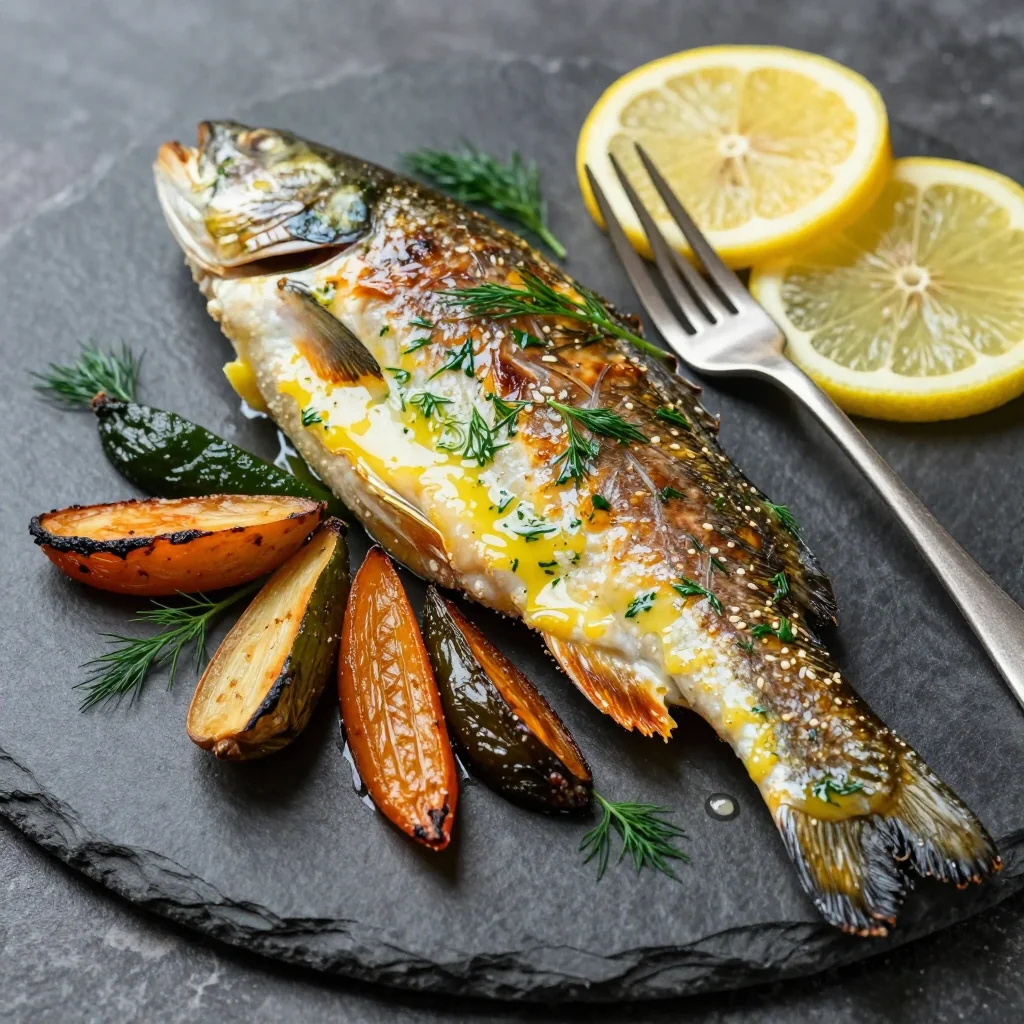
There’s something quietly luxurious about pulling a perfectly bronzed side of trout from the oven on a frosty evening—the citrusy perfume of lemon zest mingling with the sweet-anise aroma of fresh dill, the skin blistered just enough to crackle beneath your fork. When the days are short and the farmers’ market stalls are buried under wool blankets, this 30-minute main course feels like stealing a slice of spring and tucking it onto your plate. My grandmother used to say that fish cooked on the bone tastes like the river it came from, and every time I slide this trout into the oven, I swear I can hear the melt-water rushing over smooth stones. Whether you’re feeding last-minute guests or simply treating yourself to something nourishing after a day of shoveling snow, this recipe is your ticket to a dinner that tastes like sunshine—no matter what the thermometer says.
Why This Recipe Works
- Sheet-pan simplicity: One pan, parchment, zero scrubbing—dinner is done before your podcast finishes.
- Season-proof freshness: Citrus and dill deliver garden brightness even when nothing is growing outdoors.
- Omega-3 powerhouse: Trout delivers more heart-healthy fats than salmon for half the price.
- Restaurant-level skin: A quick blast under the broiler at the end gives you glass-crisp skin without fancy techniques.
- Customizable veg: Thin coins of parsnip, fennel, or even Brussels sprouts roast alongside the fish, soaking up the lemon-dill butter.
- Low-carb & gluten-free: Keto, paleo, Whole30—this dish plays nicely with every January reset.
Ingredients You'll Need
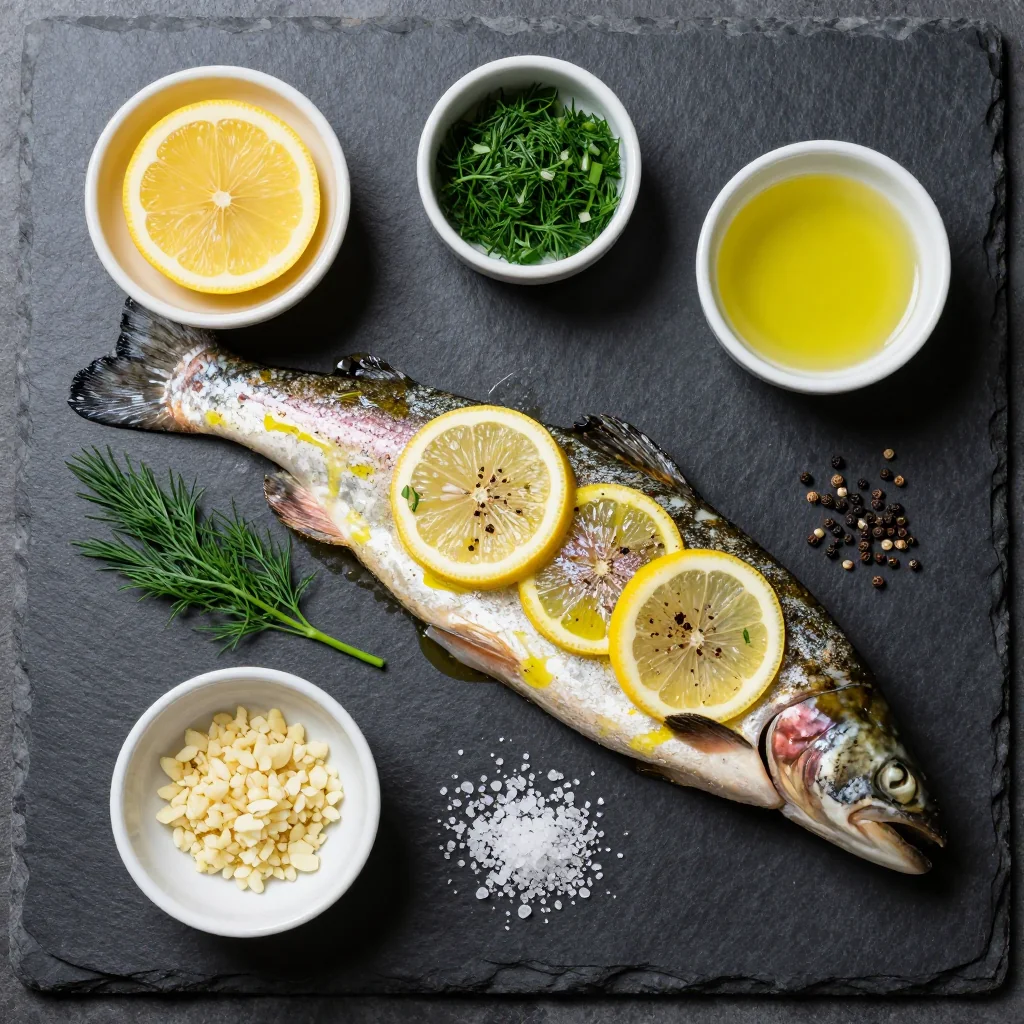
Great trout starts at the fish counter. Look for fillets that still have their silvery skin (it’s edible and turns nutty in the oven) and smell like a cold mountain stream—never “fishy.” If whole trout is all that’s available, ask your monger to gut and butterfly it; the bones amplify flavor the same way a roasted chicken carcass does. Farm-raised rainbow trout is a sustainable choice 365 days a year, but if you’re lucky enough to find steelhead or arctic char, those swap in beautifully.
Trout: Two six-ounce fillets (skin-on) feed two generously; scale up without increasing oven time—just use a bigger sheet pan. If you can only find skin-off, reduce the final broil by one minute to prevent drying.
Unsalted Butter: European-style (82 % fat) melts silkier and carries the dill’s grassy notes. Vegan? Cold-pressed olive oil works, but add ½ tsp white miso for the buttery umami you’d otherwise miss.
Lemons: One for zest and juice, a second for thin slices that caramelize on top. Meyer lemons are sweeter if you spot them; blood oranges give a ruby rim that’s gorgeous against the coral flesh.
Fresh Dill: The fronds are delicate—wait to chop until just before using. In February, I buy two bunches because half inevitably becomes garlicky scrambled-egg confetti the next morning. No fresh? Use 1 tsp dried dill weed plus 1 tsp fresh parsley for color.
Garlic: One fat clove, micro-planed so it dissolves into the butter and perfumes every bite. Garlic powder is a no-go here—it scorches under the broiler.
White Wine: A splash in the baking sheet creates aromatic steam that keeps the fish moist. Choose something crisp and unoaked (Sauvignon Blanc, Pinot Grigio). Non-alcoholic: vegetable stock plus ½ tsp caper brine.
Seasonal Veggies: Paper-thin parsnip coins roast in the same 14 minutes; their earthy sweetness mirrors the trout’s river lineage. Substitute carrots, fennel, or even delicata squash rings—just keep them wafer-thin so they finish at the same moment the fish hits 135 °F.
How to Make Lemon Dill Baked Trout for a Fresh Winter Dinner Idea
Prep & Preheat
Position rack in center of oven; preheat to 400 °F (204 °C). Tear a sheet of parchment wide enough to overhang your rimmed baking sheet by 2 inches on all sides—this becomes a flavor-sealed pouch and saves scrubbing later. If your kitchen is drafty, slip the baking sheet in now so it’s hot when the fish lands; a blazing-hot pan jump-starts crisp-skin magic.
Compound Butter
In a small bowl, mash 3 Tbsp softened butter with 1 tsp lemon zest, 1 Tbsp chopped dill, ½ tsp kosher salt, and the micro-planed garlic until homogenous. Taste—it should make you hum happily; adjust salt or zest as needed. Set aside 1 tsp for finishing the plated dish.
Season the Fillets
Pat trout very dry—moisture is the enemy of crisp skin. Use ½ tsp kosher salt per fillet, seasoning both flesh and skin sides. Lay skin-side down on a plate; let stand 5 minutes so the salt can penetrate rather than bounce off in the oven.
Arrange the Veg
Remove hot sheet from oven (close door so heat doesn’t escape). Scatter parsnip coins in a single layer; drizzle with 1 tsp olive oil, pinch of salt, and 1 Tbsp white wine. The wine will bubble and deglaze the pan, lifting any browned bits for bonus flavor.
Slather & Top
Divide compound butter evenly over flesh side of each fillet; spread to edges. Lay two thin lemon slices on top like sunny windows. The butter layer insulates the delicate protein and carries dill’s flavor into every flake.
Bake
Slide sheet onto center rack; bake 10 minutes. Trout is done when flesh turns opaque and flakes easily but still has a faint blush inside—FDA recommends 145 °F, yet 135 °F carry-overs perfectly while broiling.
Broil for Glassy Skin
Switch oven to broil (high). Move sheet to top third; broil 2–3 minutes until skin blisters and lemon edges char. Rotate pan once for even color. Stay nearby—fish goes from bronzed to bitter in 30 seconds.
Rest & Finish
Transfer fillets to warm plates; tent loosely with foil 2 minutes. Drizzle with reserved compound butter and a shower of fresh dill fronds. Serve sizzling alongside the caramelized parsnip coins and a hunk of crusty bread to mop the lemony pan juices.
Expert Tips
Thermometer Trust
An instant-read probe is the surest path to silky—not sawdust—fish. Insert at the thickest point; remove when it registers 135 °F. Carry-over heat will coast to the FDA-recommended 145 °F while you pour the wine.
Crisp-Skin Secret
After patting dry, park the fillets skin-side up in front of a fan (or uncovered in the fridge) for 10 minutes. This air-dries the skin so it crackles like a potato chip under the broiler.
Winter Herb Swap
If dill feels too spring-like, try an equal amount of tarragon or rosemary needles. Both stand up to the butter and citrus while still tasting seasonally appropriate.
Cast-Iron Upgrade
For ultra-crisp skin, preheat a cast-iron skillet in the oven for 10 minutes. Add oil, swirl, then lay fish skin-side down. Bake as directed; the hot metal sears the skin from below while the broiler blisters from above.
Make-Ahead Marinade
Mix lemon juice, dill, and salt; coat fish up to 2 hours ahead. The mild acid seasons deeply without turning the protein mushy—perfect for entertaining.
Scaling for a Crowd
Cooking more than four fillets? Switch to two pans on separate racks; swap positions halfway through baking so every fillet browns evenly.
Variations to Try
- Mediterranean: Swap dill for oregano, add ¼ tsp smoked paprika to butter, and top with chopped olives and cherry tomatoes.
- Asian-Fusion: Replace butter with sesame oil, use lime zest instead of lemon, and finish with soy-ginger glaze and toasted sesame seeds.
- Spicy Cajun: Add ½ tsp cayenne and 1 tsp thyme to the compound butter; serve over cheddar grits for a Southern riff.
- Smoky Mountain: Dust flesh side with 1 tsp brown sugar and ½ tsp chipotle powder before broiling; the sugar caramelizes into a lacquered crust.
- Sheet-Pan Supper: Surround fish with baby potatoes tossed in the same lemon-dill butter; par-boil spuds 5 minutes first so everything finishes together.
Storage Tips
Refrigerate: Cool leftovers within 2 hours; store in the parchment pouch inside an airtight container up to 3 days. Reheat gently at 275 °F for 8 minutes or flake cold over salads.
Freeze: Place cooled fillets in a single layer on a parchment-lined tray; freeze 1 hour, then transfer to a zip-top bag with parchment between layers. Keeps 2 months. Thaw overnight in fridge; reheat as above or use in fish cakes.
Make-Ahead: Compound butter keeps 1 week refrigerated or 3 months frozen. Roll into a log, wrap in parchment, slice off coins as needed for quick weeknight fish, steamed vegetables, or stirred into rice.
Frequently Asked Questions
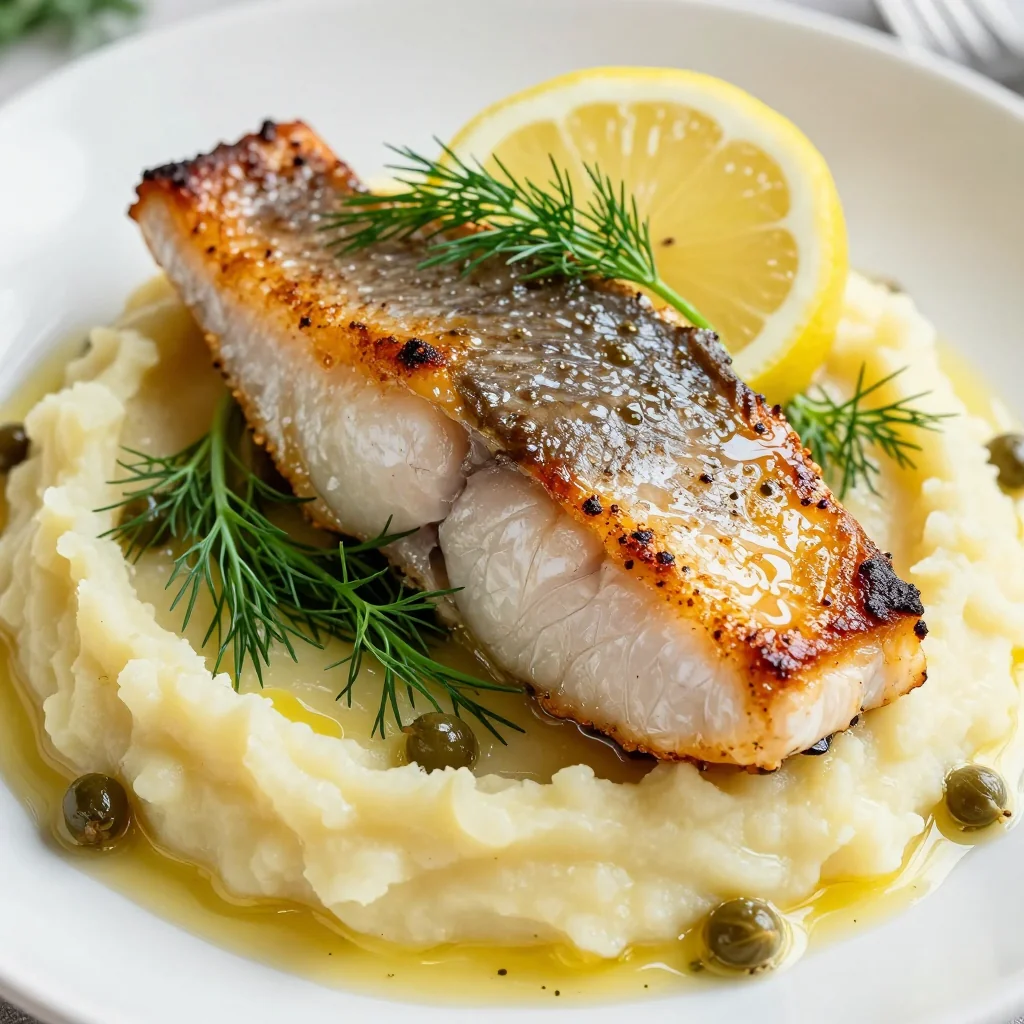
Lemon Dill Baked Trout for a Fresh Winter Dinner Idea
Ingredients
Instructions
- Preheat & Prep: Heat oven to 400 °F. Line a rimmed sheet with parchment. Pat trout dry; season with ½ tsp salt and pepper.
- Make Butter: Mash butter, zest, dill, garlic, and remaining ½ tsp salt until smooth.
- Arrange Veg: Toss parsnip coins with oil, wine, and pinch of salt on hot sheet.
- Top Fish: Slather flesh side with butter mixture; top with lemon slices.
- Bake: Roast 10 minutes; broil 2–3 minutes until skin crisps.
- Serve: Rest 2 minutes; garnish with dill fronds and lemon wedges.
Recipe Notes
For extra-crisp skin, air-dry fillets skin-side up in front of a fan 10 minutes before seasoning. Leftovers keep 3 days refrigerated; reheat gently at 275 °F for 8 minutes.