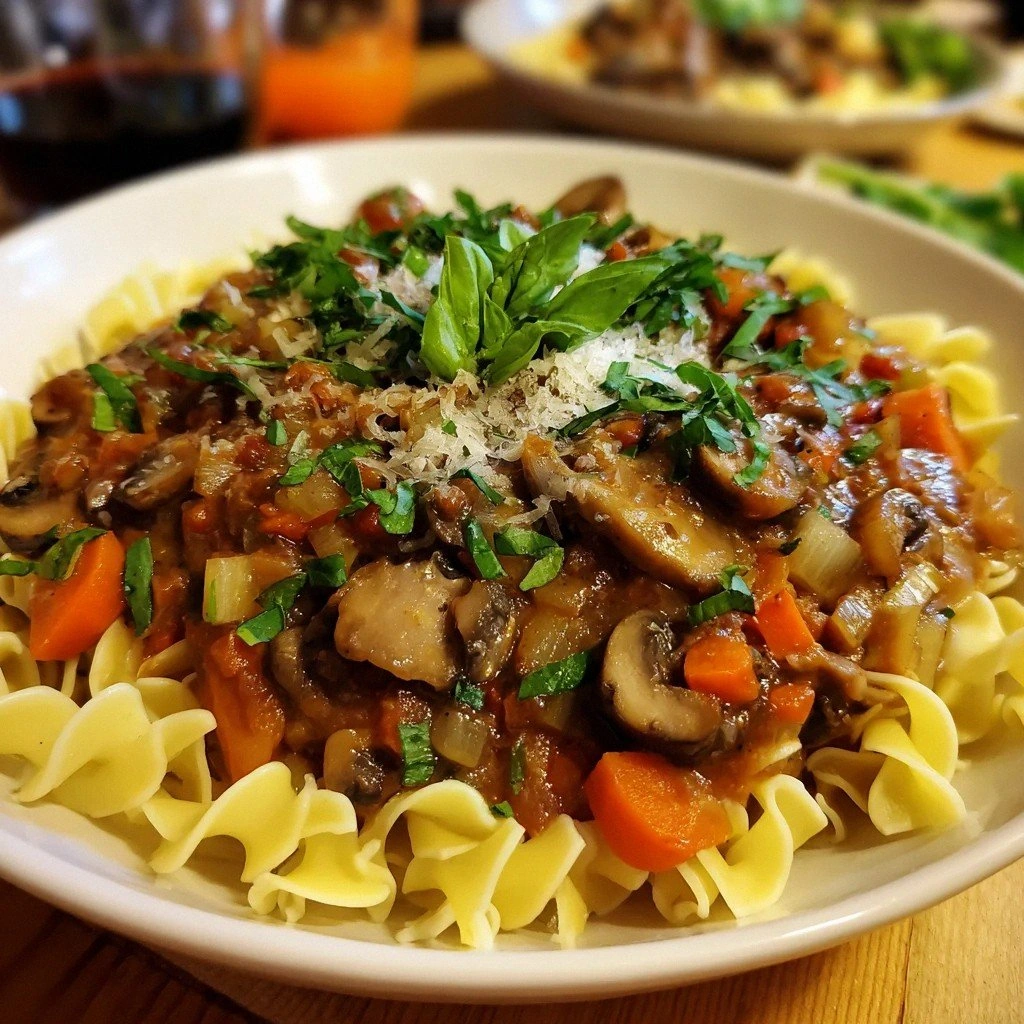
I'm not proud of what happened that Tuesday night, but it led to the silkiest, most umami-blasted mushroom ragu I've ever twirled around a fork. Picture this: I was supposed to be testing a fancy braised-short-rib ragù for a dinner party, except the butcher short-changed me and I came home with a paper packet of...cremini caps. No ribs, no backup plan, and six hungry friends arriving in three hours. The smell of garlic hitting hot olive oil was already in the air, so there was no turning back. I dumped those mushrooms into the pot like a woman possessed, half expecting a kitchen disaster, and ended up licking the wooden spoon over the sink while my cat judged me from the countertop. That accidental sauce was so good I cancelled the short ribs entirely, cooked up three pounds of tagliatelle, and pretended the whole thing was intentional. Spoiler: every guest asked for the recipe before the night ended.
Fast-forward through months of obsessive tweaking—dozens of onion-chopping sessions, a near-fire when the wine flambé got creative, and one unfortunate incident involving grocery-store button mushrooms that tasted like damp cardboard. I've distilled every victory and face-plant into the recipe you're about to meet. This version layers porcini depth, tomato-sweet sunniness, and a whisper of soy for that stealth umami bomb. The texture walks the tightrope between chunky and velvety so the sauce grabs each noodle without sliding off in a watery tantrum. And the whole shebang happens in a single heavy pot while your pasta water comes to a boil—no fancy techniques, no twenty-step soffritto, no babysitting required.
I'll be honest—half the batch rarely makes it to the table. Something about the way mushrooms collapse into mahogany nuggets, bubbling in garlicky tomato and wine, turns me into a one-person quality-control committee. If you've ever stood over the stove "tasting" until the spoon hits bottom, you'll understand. The good news? This recipe doubles like a dream and freezes even better, so you can squirrel some away for emergency midnight cravings or smug desk-lunches that make coworkers jealous.
What you're getting today is restaurant-level flavor with couch-level effort. We're talking ten minutes of knife work, twenty minutes of lazy simmering, and a sauce that tastes like it spent half a day in nonna's kitchen. By the time you drain your pasta, that mushroom ragu will be ready to drape over noodles like edible velvet. Ready to turn humble fungi into a dinner that feels like a warm hug from the inside out? Let me walk you through every single step—by the end, you'll wonder how you ever made it any other way.
What Makes This Version Stand Out
Deep Umami: A stealth teaspoon of soy sauce (or tamari for gluten-free) amplifies the natural glutamates in mushrooms, giving you that long-cooked flavor in under half an hour. It's like slipping a secret bass note into a love song—most people won't name it, but everyone feels it.
Texture Play: We sear mushrooms until their edges crisp like thin ice, then simmer them down into saucy submission. The result? Bits that burst with concentrated meatiness and others that melt into silky gravy, all without a speck of actual meat.
One-Pot Laziness: Everything happens in the same Dutch oven, cutting dishes and maximizing fond (those caramelized brown bits) that deglaze into liquid gold. Less cleanup equals more couch time, and we're all about that life.
Weeknight Speed: Traditional ragù can bubble for three hours; this one hits peak flavor in thirty minutes flat. Perfect for Tuesday night hanger attacks when takeout feels tempting but your bank account says "cook, mortal."
Flexibility Factor: Swap in whatever mushrooms are on sale, use red or white wine, skip wine entirely, or go gluten-free with tamari. The sauce is a playground that plays nice with your pantry and dietary quirks.
Make-Ahead Magic: Flavor intensifies overnight, so Sunday's batch becomes Monday's Insta-worthy lunch without any extra effort. Reheat with a splash of broth and it tastes like you stood at the stove all over again.
Crowd Reactions: I've served this to carnivores who demanded "the meat recipe," toddlers who hate vegetables, and a skeptical Italian nonna who asked for seconds. If that isn't social proof, I don't know what is.
Inside the Ingredient List
The Flavor Base
Olive oil does more than keep things from sticking; it carries fat-soluble flavor compounds into every crevice of mushroom and tomato. Use a decent extra-virgin that still feels like liquid sunshine, not the bottle you found behind the grill from last summer. Onion forms the sweet backbone, collapsing into jammy threads that disappear into the sauce, so picky eaters can't pick them out. Dice it small and cook it patient—translucent, not browned—so the natural sugars bloom like a shy flower. Skip the onion and you'll notice the sauce tastes flat, like a joke without a punchline.
The Texture Crew
Carrots bring quiet sweetness and a pop of color, but their real job is body: they break down and thicken the sauce so you don't need a roux or cornstarch slurry. Celery adds a faint grassy bitterness that keeps the profile from tipping into candyland. Garlic is the aromatic grenade—mince it fine so it melts into the oil within thirty seconds, scenting your kitchen like a trattoria at full swing. Together these three make the soffritto, the Italian holy trinity that turns ordinary into operatic.
The Unexpected Star
Mixed mushrooms are the headliners, each bringing its own vibe: cremini for earthy reliability, portobello for beefy chew, shiitake for that whisper of smoky forest. You can absolutely lean on budget-friendly buttons if that's what your wallet allows; just promise me you'll brown them properly so water evaporates and flavor concentrates. Tomato paste delivers caramelized depth—cook it until it turns from bright red to brick brown, a visual cue that sugars are developing and harsh rawness is bowing out. Dry red wine (optional but glorious) deglazes the pan, lifting every speck of fond into the sauce while adding berry-like acidity and a grown-up vibe. If alcohol isn't your scene, a splash of vegetable broth plus half a teaspoon of balsamic creates similar complexity without the buzz.
The Final Flourish
Vegetable broth loosens the ragù to the perfect nap-time consistency, so it coats pasta without puddling on the plate. Soy sauce or tamari is the covert umami booster—just a teaspoon disappears into the mix, leaving only a sense of "why does this taste so much better than mine?" Dried thyme and oregano echo classic Italian herbs but in gentle doses; fresh basil or parsley showered on at the end lightens the whole bowl with chlorophyll brightness. Salt and pepper are the adjustable dials—taste after simmering and adjust confidently, because mushrooms can handle more seasoning than you think.
Everything's prepped? Good. Let's get into the real action...
The Method — Step by Step
- Warm your Dutch oven over medium heat for ninety seconds—this preheat step prevents mushrooms from sticking and sweating into rubber. Pour in three tablespoons olive oil and swirl so it shimmers like liquid topaz. Add the chopped onion and reduce heat to medium-low; you want a gentle sizzle, not angry popping. Stir occasionally until the onion turns translucent and its edges look like they're melting, about six minutes. Your kitchen should smell like you walked into a cozy trattoria where someone's nonna is already three courses deep.
- Stir in diced carrot and celery, cooking for four minutes until they soften and the colors turn jewel-bright. Add minced garlic and cook just thirty seconds—any longer and garlic burns, turning the whole sauce into bitter regret. Push veggies to the perimeter, creating a bare center stage for the tomato paste. Scrape two heaping tablespoons into the clearing and let it toast, stirring, until it darkens two shades and smells slightly caramelized, about two minutes. This brief tanning session transforms raw metallic tomato into something mellow and complex.
- Turn heat to medium-high and add all the chopped mushrooms at once—yes, the pot will look alarmingly full, but they deflate faster than a soufflé at a rock concert. Let them sit undisturbed for two full minutes so the bottoms sear into nutty goodness. Stir, then leave them alone again; repeat this three times until most mushroom edges look bronzed and the pot sounds drier. You'll notice the mushrooms have thrown off a puddle—keep going until that liquid evaporates and the oil starts sheening again, about eight minutes total.
- Pour in a quarter cup of dry red wine (or broth) and scrape the bottom with a wooden spoon to lift every browned bit—that's pure flavor gold dissolving into your future sauce. Let the liquid bubble away until the pot looks almost dry again, about two minutes. The smell will turn heady, like you've opened a bottle at a cozy dinner party where the laughter is just getting started.
- Stir in vegetable broth, soy sauce, thyme, and oregano. The mixture should bubble gently; reduce heat to maintain a lazy simmer, the kind where an occasional plop rises to the surface. Partly cover and let it party for fifteen minutes, stirring every so often to prevent sticking. During this magic window mushrooms surrender their chewiness and melt into the sauce while still retaining some body. If it looks thick enough to mound, loosen with a splash of broth; if it's soupy, simmer uncovered for a few extra minutes.
- While the ragù lazes, cook your pasta in well-salted water until just shy of al dente—usually a minute less than package time. Reserve a mug of starchy pasta water before draining; that cloudy liquid is the glue that marries sauce and noodles later. Add drained pasta directly into the pot of ragù along with a splash of reserved water. Toss for thirty seconds over medium heat until the sauce sheathes every strand and looks glossy, almost like velvet caught in candlelight.
- Remove from heat and shower with fresh basil or parsley plus a crack of black pepper. Serve immediately in warm bowls so the aroma rises like a comforting whisper. Watch for the first bite silence—that hush when everyone's mouth is too happy to speak. That's when you know you nailed it.
That's it—you did it. But hold on, I've got a few more tricks that'll take this to another level...
Insider Tricks for Flawless Results
The Temperature Rule Nobody Follows
Keep your burner dancing between medium-high for searing and medium-low for simmering; mushrooms fear tepid heat the way cats fear water. If the pot's too cool they'll weep out gray juice, too hot and garlic becomes acrid confetti. Listen for active sizzles during searing, then drop to gentle plops when broth joins the party—your ears are a built-in thermometer and they're free.
Why Your Nose Knows Best
Ignore the clock and trust aroma markers: onions ready when they smell sweet and look like melting snow; tomato paste done when the raw sharpness disappears and you think "mmm, pizza parlor"; mushrooms perfectly browned when the scent shifts from earthy to roasted chestnut. Once you cook by smell instead of minutes, you'll nail this sauce even if your stove runs hot enough to toast marshmallows on the exterior.
The 5-Minute Rest That Changes Everything
After combining pasta and sauce, cover the pot and let it chill for five minutes off heat. During this brief meditation starches finish absorbing flavors, the temperature equalizes, and the whole thing marries into a cohesive dish instead of noodles wearing a saucy coat. A friend once skipped this step and texted me "good but kinda soupy"—don't be that friend.
Browning vs Burning: The Thin Line
Those dark bits on the pot bottom are flavor bombs, but let them go past mahogany to straight black and your sauce tastes like regret. If you see wisps of smoke before the wine deglaze, lower heat immediately and splash a tablespoon of water to lift the color without bitter charcoal. Remember: brown equals nutty complexity, black equals dish-soap-flavored disappointment.
The Pasta Water Insurance Policy
Save more pasta water than you think—at least a full cup. Starches tighten the sauce if it loosens, rescue clumpy noodles, and let you reheat leftovers to silky perfection. I keep a squeeze bottle of it in my fridge like liquid gold for emergency pasta 911 calls at midnight.
Creative Twists and Variations
This recipe is a playground. Here are some of my favorite ways to switch things up:
Creamy Porcini Dream
Soak a handful of dried porcini in hot water for twenty minutes, chop them, and add both mushrooms and soaking liquid to the pot. Finish with a splash of heavy cream and a whisper of nutmeg. The result tastes like you foraged in an autumn forest and somehow bottled it.
Spicy Calabrian Version
Finely dice two Calabrian chilies packed in oil and sauté them with the garlic. Add a pinch of smoked paprika for depth and finish with lemon zest to keep the heat bright. Perfect for chile-heads who want their pasta to give a friendly slap on the back.
Spring Green Revival
Toss in a cup of peas and ribbons of Swiss chard during the last three minutes of simmering. The sweetness of peas counters mushroom earthiness, and chard wilts into silky ribbons that make the dish feel like April on a fork. Top with fresh mint instead of basil for a surprising grassy lift.
Truffle Swank
Keep the base sauce exactly the same but shave a few grams of fresh black truffle over each plated portion, or drizzle with good truffle oil just before serving. It's wallet-friendly luxury because the ragu itself is inexpensive; the truffle becomes the star without requiring a trust fund.
Lentil-Powered Protein
Stir in a cup of cooked green lentils with the broth. They mimic meaty texture and boost protein, turning the dish into a powerhouse that satisfies even the "where's the beef?" crowd at your table.
Asian Umami Bomb
Swap dried thyme for a star anise pod and add a thumb of grated ginger with the garlic. Finish with scallions and a drizzle of toasted sesame oil. Serve over rice noodles or ramen-style spaghetti for a fusion bowl that still feels comfort-food familiar.
Storing and Bringing It Back to Life
Fridge Storage
Let the sauce cool completely, then spoon into airtight glass containers; it keeps up to five days refrigerated. Glass prevents the tomato acid from picking up metallic or plastic flavors, plus you can reheat directly in the vessel. Press plastic wrap against the surface if you're paranoid about oxidation, though honestly it disappears too fast for that to matter in my house.
Freezer Friendly
Portion cooled ragu into freezer bags, press out excess air, and lay flat on a sheet pan until solid—this slab method thaws quickly under running water and stacks like edible Tupperware Tetris. Label with the date; it stays stellar for three months, after which flavors mute slightly but still beat most weeknight options. Pro tip: freeze in one-cup pucks using muffin tins, then pop them out and store in a big bag—easy single-serve flavor bombs ready for instant dinners.
Best Reheating Method
Thaw overnight in the fridge if frozen, then warm gently in a saucepan with a splash of vegetable broth or that saved pasta water. Microwaves work in a pinch, but use 50% power and stir every thirty seconds to prevent volcanic tomato splatter. Once hot, brighten with a squeeze of lemon or an extra handful of fresh herbs and you'd swear it was just cooked.