It started on a rainy Tuesday when I was scrambling to salvage a breakfast that had been ruined by a rogue egg that slipped out of the pan and splattered across the counter. The kitchen smelled of burnt batter and my frustration was almost as thick as the steam curling from the stove. I stared at the mess, thinking, “If I could turn this disaster into a dish, I’d be the hero of the morning.” That thought sparked the idea of turning a simple egg into a gourmet experience that could be whipped up in under five minutes.
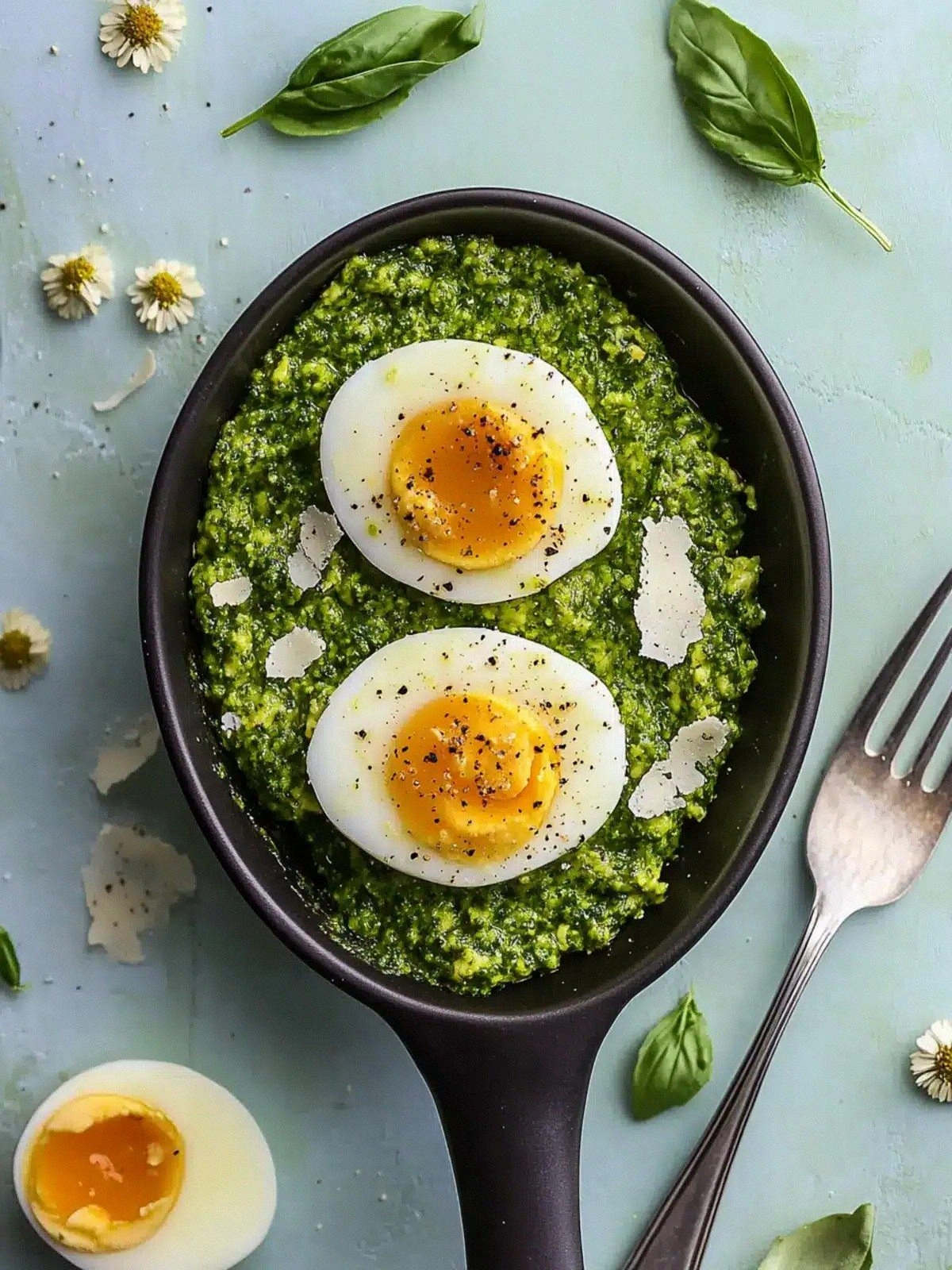
Picture this: the pan sizzles, the aroma of basil pesto lingers in the air, and the eggs sit in a golden, slightly runny pool that feels like a velvety sunrise on a plate. The sound of the eggs gently bubbling is a comforting hum that reminds you of a calm kitchen soundtrack. The texture of the crusty edges that crackle like thin ice is a tactile delight, and the first bite releases a burst of umami that makes your taste buds do a little happy dance. It’s a sensory symphony that turns an ordinary morning into a culinary celebration.
What makes this version stand out is that it doesn’t just rely on eggs and pesto; it’s about the harmony of flavors, the balance of textures, and the speed that keeps you from missing your bus. The secret lies in a few unconventional tweaks that most recipes overlook: a splash of lemon juice to brighten the pesto, a pinch of smoked paprika for depth, and a quick sear that locks in moisture without overcooking. I dare you to taste this and not go back for seconds because it’s that addictive. This is hands down the best version you'll ever make at home, and it will change the way you think about eggs forever.
I’ll be honest — I ate half the batch before anyone else got to try it, and my friends kept asking for the recipe, insisting I’ve found a new breakfast gold mine. Most recipes get this completely wrong, focusing on overcooked yolks or bland sauces. Here’s what actually works: keep the heat medium, add pesto early, and finish with a quick squeeze of lemon. Picture yourself pulling this out of the pan, the whole kitchen smelling incredible, and your family lining up for the next bite. Let me walk you through every single step — by the end, you'll wonder how you ever made it any other way.
What Makes This Version Stand Out
- Flavor: The basil pesto is the star, coating every egg in a savory, herbaceous blanket that feels like a green velvet. The addition of lemon brightens the dish, cutting through the richness for a fresh finish.
- Texture: The eggs are cooked to a silky, slightly runny consistency that contrasts with the crisp edges, creating a mouthfeel that’s both comforting and exciting.
- Speed: Under five minutes from start to finish, this recipe is the ultimate quick fix for busy mornings or last-minute brunches.
- Versatility: It can be served on toast, in a tortilla, or with a side of sautéed greens, making it adaptable to any meal.
- Ingredient Quality: Using high‑quality fresh basil and a good olive oil in the pesto elevates the dish from ordinary to extraordinary.
- Visual Appeal: The vibrant green pesto against the golden yolks creates a dish that looks as good as it tastes, perfect for Instagram-worthy breakfast shots.
- Make‑ahead Potential: The pesto can be prepared in advance and stored, allowing you to focus on the eggs when you’re in a rush.
- Crowd Reaction: Friends and family rave about the burst of freshness and the comforting familiarity of eggs, making it a hit at gatherings.
Inside the Ingredient List
The Flavor Base
1‑2 tablespoons of basil pesto is the cornerstone of this dish. It brings a burst of herbaceous freshness that cuts through the richness of the eggs. If you’re using store‑bought pesto, look for one with real basil leaves and a decent olive oil content; the texture will be silkier. Skipping the pesto turns the dish into plain scrambled eggs, losing the signature green punch.
The Texture Crew
Two whole eggs provide the protein punch and the creamy yolk that creates the signature runniness. Use eggs at room temperature to ensure even cooking; cold eggs tend to scramble unevenly. If you’re watching your cholesterol, you can substitute with a half‑egg or use a vegan egg replacer, but the texture will differ slightly.
The Unexpected Star
A splash of lemon juice brightens the pesto and adds a subtle zing that lifts the entire dish. Lemon also helps to balance the oiliness of the pesto, giving the sauce a lighter feel. If you’re allergic to citrus, a teaspoon of white wine vinegar can serve as a substitute, though the flavor profile will shift.
The Final Flourish
Salt, pepper, and optional chili flakes are the finishing touches that bring everything together. Salt enhances the basil’s sweetness, pepper adds a mild heat, and chili flakes give a subtle kick. If you prefer a smoky flavor, sprinkle a pinch of smoked paprika; it adds depth without overpowering the pesto.
Everything's prepped? Good. Let's get into the real action.
The Method — Step by Step
- Heat a non‑stick skillet over medium heat and add a drizzle of olive oil. Let the oil heat until it shimmers but isn’t smoking, about 30 seconds. This pre‑heat step ensures a crisp edge on the eggs. The pan should feel warm enough that a drop of water sizzles instantly.
- Crack the two eggs into a small bowl, whisk lightly to combine yolk and whites. This gentle whisking creates a uniform mixture that cooks evenly. Avoid over‑whisking, which can make the eggs rubbery. Keep the bowl close to the stove for quick transfer.
- Pour the whisked eggs into the hot skillet. Let them sit untouched for about 10 seconds until the edges begin to set. This creates a firm base that holds the pesto. The center should still be slightly liquid, ready to be coated.
- Stir gently with a spatula, swirling the eggs in a circular motion. This motion creates soft curds that coat the pan. While stirring, spoon 1‑2 tablespoons of basil pesto over the eggs, allowing it to melt into the whites. The pesto should coat the eggs like a green velvet.
- Continue stirring until the eggs reach a creamy consistency and the pesto is evenly distributed. This should take about 2 to 3 minutes. The pan should emit a gentle toasty aroma, signaling that the eggs are cooked through but still moist.
- Squeeze a teaspoon of fresh lemon juice over the eggs to brighten the flavors. Season with salt, pepper, and optional chili flakes to taste. Transfer the eggs to a plate and serve immediately, perhaps over toasted sourdough or a crisp green salad.
That’s it — you did it. But hold on, I've got a few more tricks that'll take this to another level.
Insider Tricks for Flawless Results
The Temperature Rule Nobody Follows
Many cooks swear by high heat to sear eggs quickly, but medium heat preserves moisture and prevents the yolk from drying out. Keep the skillet at a steady medium to allow the eggs to set gently. I once tried high heat and ended up with rubbery eggs that didn’t hold their shape.
Why Your Nose Knows Best
The aroma of sautéing basil pesto is a reliable indicator that the oil has warmed enough. When the scent is strong but not burnt, you’re ready to add the eggs. Trust your nose; it’s your best ally in the kitchen.
The 5‑Minute Rest That Changes Everything
After cooking, let the eggs rest for 30 seconds before serving. This brief pause allows the residual heat to finish cooking the yolks, ensuring a silky texture. It also lets the pesto settle into the eggs, creating a cohesive flavor profile.
The Lemon Lift
A splash of lemon juice not only brightens the dish but also helps emulsify the pesto, giving it a smoother consistency. Add the lemon after the eggs are almost done to preserve its bright flavor.
The Quick Toss
If you’re serving the eggs over toast, toss the toast in a little pesto before adding the eggs. This creates a flavor bridge between the bread and the eggs, enhancing each bite. It also adds a beautiful green sheen that looks great on the plate.
The Chill Trick
If you’re making the pesto in advance, keep it in an airtight container in the fridge. A chilled pesto is thicker, making it easier to coat the eggs without spilling. Just give it a quick stir before use.
Creative Twists and Variations
This recipe is a playground. Here are some of my favorite ways to switch things up:
Mediterranean Twist
Add chopped sun‑dried tomatoes and olives to the eggs for a savory Mediterranean burst. The saltiness of the olives balances the pesto’s sweetness. Serve over a bed of arugula for an extra peppery bite.
Spicy Kick
Increase the chili flakes or add a dash of sriracha for a fiery version. The heat cuts through the richness of the eggs and creates a satisfying contrast. This variation pairs well with a cool cucumber salad.
Cheesy Upgrade
Sprinkle grated Parmesan or crumbled feta over the eggs just before serving. The cheese adds a nutty depth that complements the basil. For a vegan option, use nutritional yeast.
Herb‑Infused Variation
Blend fresh mint or parsley into the pesto for a different herbal profile. Mint brings a refreshing coolness, while parsley adds a bright, clean note. This version is perfect for a springtime breakfast.
Breakfast Burrito
Wrap the pesto eggs in a warm tortilla with a sprinkle of cheddar and a drizzle of hot sauce. The tortilla’s softness contrasts with the eggs’ silky texture. This is a filling option for on‑the‑go mornings.
Breakfast Bowl
Serve the eggs over a bowl of quinoa or farro, topped with avocado slices and a sprinkle of sesame seeds. The grains provide a hearty base, while the avocado adds creaminess. This bowl is both nutritious and satisfying.
Storing and Bringing It Back to Life
Fridge Storage
Store leftovers in an airtight container in the refrigerator for up to two days. Keep the pesto separate if possible; mix it in just before reheating to maintain freshness. The eggs will firm slightly, but a quick stir will revive their silky texture.
Freezer Friendly
Freeze the pesto separately in a freezer‑safe bag for up to three months. The eggs are best kept fresh, but if you must freeze, wrap them tightly and thaw in the fridge overnight. Reheat gently over low heat to avoid over‑cooking.
Best Reheating Method
Reheat the eggs in a skillet over low heat, stirring occasionally. Add a splash of water or milk to create steam, which helps restore moisture and prevent dryness. Finish with a fresh squeeze of lemon to brighten the flavors.