Picture this: I’m standing in a cramped kitchen, the fridge door open to a half‑packed bag of chicken breasts, the air thick with the scent of garlic and ginger from a forgotten batch of stir‑fry. I’m humming a tune from the last time I tried to impress my roommates, and then the stove lights flicker on like a bad sitcom laugh track. The plan was simple—just a quick dinner. The result? A smoky, soggy mess that left a sticky residue on the skillet and a lingering disappointment that tasted like a failed experiment.
That night, the kitchen felt like a battlefield. I could hear the sizzling of the pan, the crackle of garlic hitting hot oil, and the faint hiss of steam as lime juice met the heat. The colors were a chaotic mix of amber glaze and green zest, and the aroma was a heady blend of sweet brown sugar and sharp citrus that almost made me forget the disaster. I could feel the heat radiating from the pan, the weight of the chicken in my hand, and the anticipation of a taste that could redeem the night. It was a sensory overload, and I knew I had to turn that chaos into something remarkable.
Fast forward to this moment, and I’m holding a recipe that will change how you think about chicken forever. This is not just another take on a classic; it’s a version that layers sesame oil, fresh ginger, and a splash of lime in a way that turns every bite into a burst of umami and citrus. The sauce coats the chicken like velvet, the edges crisp up into a caramelized crunch that shatters like thin ice, and the finish leaves a lingering zest that wakes your palate. If you’ve ever tried a bland chicken dish, you’ll wonder how you ever lived without this.
What makes this version stand out? The secret is a subtle balance of sweet, savory, and bright acidity that is achieved with a handful of high‑quality ingredients and a few clever techniques. I dare you to taste this and not go back for seconds. Picture yourself pulling this out of the pan, the whole kitchen smelling incredible, and the moment you bite into that first piece, the flavors explode like fireworks. Stay with me here—this is worth it.
What Makes This Version Stand Out
- Flavor: The marriage of sesame oil and brown sugar creates a caramelized glaze that’s both nutty and sweet, while the lime juice injects a bright, refreshing acidity that cuts through the richness. This balance elevates the dish beyond ordinary stir‑fry.
- Texture: The chicken develops a crisp exterior while remaining juicy inside, thanks to a quick sear and a brief simmer in the sauce. The result is a mouthful that satisfies both the crunch lovers and the soft‑tender crowd.
- Simplicity: With just 12 ingredients and a single pan, you can whip up this masterpiece in under 30 minutes. No need for fancy gadgets—just a skillet, a whisk, and a dash of confidence.
- Uniqueness: The inclusion of tuxedo sesame seeds adds a subtle crunch and visual pop that most recipes overlook. The umami seasoning from Trader Joe’s gives depth without overpowering the fresh ginger.
- Crowd Reaction: Friends who’ve tried this say it’s the best version they’ve ever tasted. The dish invites conversation and compliments, making it perfect for gatherings.
- Ingredient Quality: Using fresh ginger, a high‑quality lime, and toasted sesame oil ensures each component shines. The difference between store‑bought and fresh is a game‑changer.
- Cooking Method: The quick sear followed by a sauce reduction locks in moisture and flavor. This method is a secret weapon for busy cooks.
- Make‑Ahead Potential: The dish stays delicious when reheated, making it ideal for meal prep or a busy weeknight. The sauce thickens nicely, so it doesn’t become watery.
Alright, let's break down exactly what goes into this masterpiece...
Inside the Ingredient List
The Flavor Base
At the heart of this dish is the sauce—an alchemy of sesame oil, low sodium soy sauce, and brown sugar. Sesame oil lends a toasted, nutty aroma that is unmistakably Asian, while the soy sauce adds depth and umami. The brown sugar balances the saltiness and brings a subtle caramel undertone. If you’re looking for a sweeter version, replace brown sugar with honey, but keep the ratio in mind to avoid overpowering the other flavors.
One of the most crucial components is the fresh grated ginger. Ginger is the unsung hero of many Asian dishes, offering a peppery bite that cuts through the richness. Grating it finely ensures it releases its oils quickly, so it melds into the sauce without forming lumps. If you’re short on time, a tablespoon of minced ginger will work, but the texture will be slightly different.
The Texture Crew
Chicken breasts are the star, but how you cook them determines the entire experience. Opt for boneless, skinless breasts for even cooking and a tender bite. Slicing them into bite‑size pieces ensures a quick sear and a uniform coating of sauce. If you’re using thighs instead, adjust the cooking time slightly; thighs are more forgiving and stay moist.
Green onions add a fresh, sharp contrast to the sweet glaze. Slice them thinly to distribute their flavor evenly across the dish. A pinch of toasted sesame seeds provides a subtle crunch that complements the silky sauce. If you’re allergic to sesame, you can substitute with pumpkin seeds or omit entirely.
The Unexpected Star
Trader Joe’s Umami Seasoning is a game‑changer. It’s a blend of mushroom, seaweed, and fermented soy that adds depth without the need for extra soy sauce. If you can’t find this brand, a splash of miso paste or a pinch of dried bonito flakes will give a similar umami boost. The key is to add it gradually, tasting as you go, to avoid a fishy aftertaste.
The lime is not just a garnish; it’s a flavor enhancer. The juice’s acidity brightens the sauce, while the zest adds a citrusy aroma that lingers on the tongue. Use a fresh lime rather than bottled; the oils in the zest are what give the dish its signature zing. If you’re out of lime, a splash of rice vinegar can substitute, but the citrus note will be missing.
The Final Flourish
The finishing touch is a drizzle of sesame oil right before serving. This last splash intensifies the nutty aroma and gives the dish a glossy sheen. Be careful not to overdo it—one tablespoon is enough to elevate the entire plate. A final squeeze of lime over the top gives a bright, fresh finish that makes the dish feel alive.
Everything's prepped? Good. Let's get into the real action...
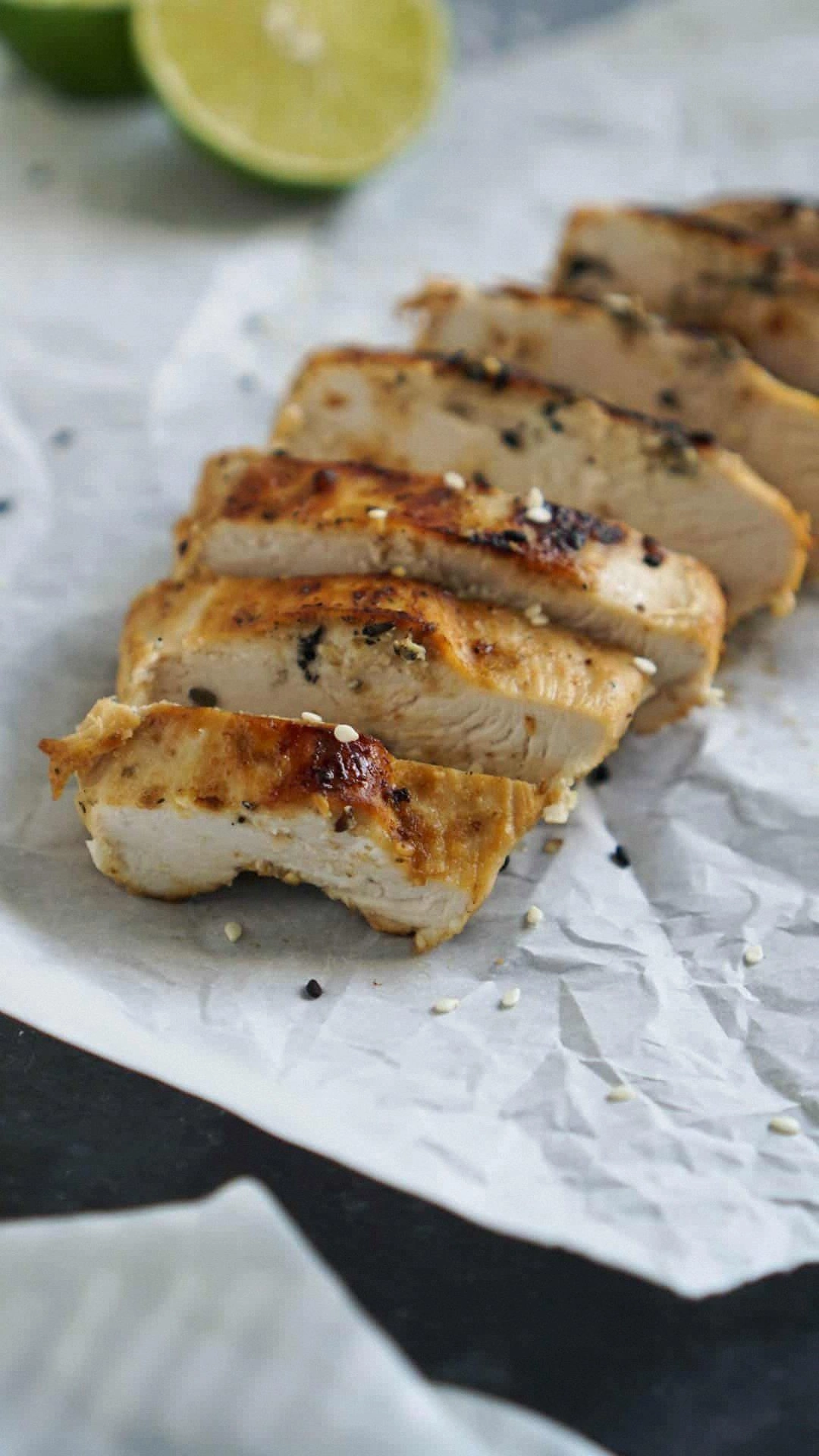
The Method — Step by Step
- First, pat the chicken breasts dry with paper towels. A dry surface ensures a better sear, giving the meat a golden crust. Season both sides with a pinch of onion powder, and let them rest while you prep the sauce.
- Heat a large skillet over medium‑high heat and add the sesame oil. Watch for a faint shimmer—this indicates the oil is hot enough for searing. The oil’s aroma should already be hinting at toasted sesame; you’re on the right track.
- Add the chicken to the pan in a single layer, making sure not to crowd it. Let it sear for 3–4 minutes on one side before flipping. The edges should pull away from the pan, a sign that it’s developing a caramelized crust.
- Once flipped, reduce the heat to medium and add the minced garlic and grated ginger. Sauté for 30 seconds until fragrant, being careful not to burn the garlic. This step releases the essential oils that form the backbone of the sauce.
- Pour in the soy sauce, brown sugar, and Trader Joe’s Umami Seasoning. Stir vigorously to dissolve the sugar and evenly distribute the umami. The mixture should bubble gently, signaling that the flavors are melding.
- Add the lime juice and a splash of water if the sauce feels too thick. This balances the sweetness and keeps the glaze from becoming syrupy. Let the mixture simmer for 5 minutes, allowing the chicken to absorb the sauce.
- During the last minute, stir in the sliced green onions and tuxedo sesame seeds. The green onions provide a fresh bite that cuts through the richness, while the sesame seeds add a nutty crunch.
- Turn off the heat, drizzle a tablespoon of sesame oil over the dish, and give everything a gentle toss. This final splash unlocks the sesame aroma and gives the sauce a glossy sheen. Plate immediately for the best texture.
That's it — you did it. But hold on, I've got a few more tricks that'll take this to another level...
Insider Tricks for Flawless Results
The Temperature Rule Nobody Follows
Many cooks assume a constant high heat is best for searing. In reality, a two‑stage approach—first high to create a crust, then medium to finish cooking—ensures the chicken stays juicy. I once tried the all‑high method and ended up with a dry center. That lesson taught me the importance of temperature control.
Why Your Nose Knows Best
The aroma of the sauce is the real indicator of readiness. As the sugar caramelizes and the lime hits the heat, you’ll notice a sweet, citrusy scent that’s unmistakable. If you’re unsure, give it a quick sniff; if it’s not yet aromatic, give it a few more minutes.
The 5-Minute Rest That Changes Everything
Letting the chicken rest for five minutes after cooking allows the juices to redistribute. This simple pause means every bite is moist, not dry. I’ve seen people skip this step and end up with a chewy texture. Trust me, the rest is worth the extra time.
Use Fresh Ginger, Not Powder
Fresh ginger provides a bright, sharp flavor that powder simply can’t replicate. Grated fresh ginger releases essential oils that coat the chicken, enhancing the sauce’s depth. If you only have powdered ginger, use only half the amount and add a splash of water to rehydrate.
Keep the Lime Juice Fresh
Freshly squeezed lime juice is the difference between a good dish and a great one. Bottled lime juice often contains preservatives that alter the flavor profile. When you squeeze a lime right before cooking, you capture the bright, floral notes that make the dish sing.
Finish with a Splash of Sesame Oil
That final drizzle of sesame oil is the crowning touch. It adds a glossy sheen and a burst of nutty aroma that elevates the entire dish. Don’t be shy—use the whole tablespoon if you love that aroma.
Creative Twists and Variations
Spicy Sriracha Kick
For those who like a little heat, stir in a tablespoon of Sriracha during step 5. The fiery flavor pairs beautifully with the sweet glaze, creating a balanced, bold bite that will impress spice lovers.
Vegetarian Tofu Version
Replace the chicken with firm tofu cubes. Press the tofu to remove excess moisture, then follow the same searing steps. The tofu absorbs the sauce, resulting in a plant‑based version that’s just as flavorful.
Thai Coconut Twist
Swap the sesame oil for coconut milk and add a teaspoon of curry paste. This variation introduces a creamy texture and a deeper, spiced flavor profile that transports you to Thailand.
Breakfast Power Bowl
Serve the dish over a bowl of quinoa or brown rice and top with a soft‑boiled egg. The protein boost and hearty grains make for a satisfying breakfast that keeps you full until lunch.
Gluten‑Free Option
Use a gluten‑free soy sauce and omit the sesame seeds. The dish remains delicious, and the lime and ginger keep the flavor profile vibrant. Perfect for those with dietary restrictions.
Holiday Holiday Sauce
Add a splash of cranberry sauce during step 5 for a holiday twist. The tartness of the cranberries complements the sweet glaze, making it a festive option for family gatherings.
Storing and Bringing It Back to Life
Fridge Storage
Store leftovers in an airtight container for up to three days. The sauce thickens slightly, so before reheating, add a splash of water or broth to restore its silky consistency. Gently reheat on low heat, stirring frequently.
Freezer Friendly
Freeze in portioned containers for up to two months. Thaw overnight in the fridge, then reheat as described above. The flavors remain intact, and the texture is still enjoyable.
Best Reheating Method
Reheat in a skillet over medium heat, adding a tablespoon of water to keep the sauce from drying out. Stir until the dish is heated through and the sauce reaches the desired consistency. The final drizzle of sesame oil will restore that glossy finish.