Love this? Pin it for later! 📌
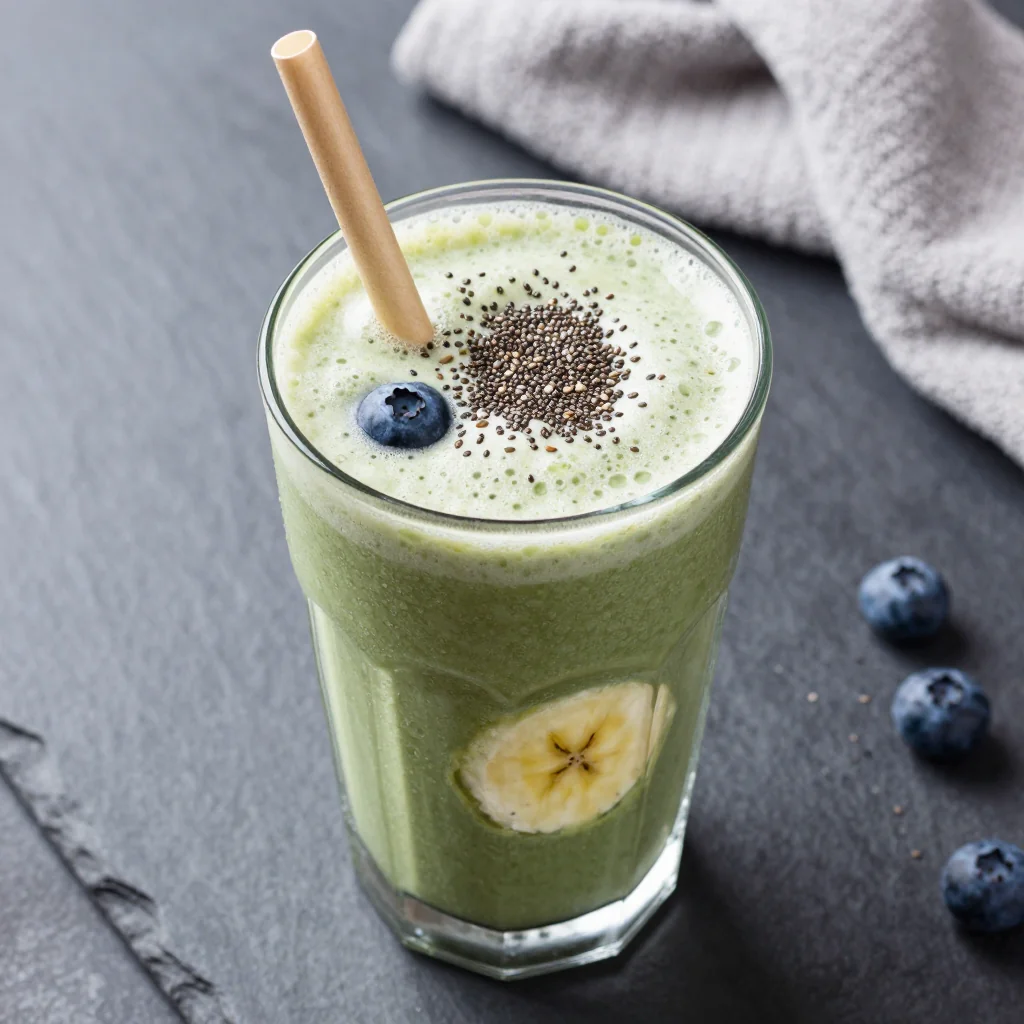
There’s a moment—right after the final rep, the last sprint, the satisfying clink of weights returning to the rack—when your body is simultaneously triumphant and begging for mercy. I used to stagger out of the gym feeling invincible… until the tremble in my quads reminded me I hadn’t refueled properly and the afternoon slump hit like a wall. Everything changed the morning I blitzed together this recovery smoothie on a whim: frozen mango for quick-digesting carbs, Greek yogurt for leucine-rich protein, a handful of spinach I promised myself I’d taste, and a drizzle of honey because—well—I’d earned it. One creamy sip and I was hooked: no chalky after-taste, no sugar-crash, just bright tropical flavor that tasted like vacation while quietly delivering 32 g of complete protein. Now I pre-portion the fruit in silicone bags so my “post-workout self” can blend, pour, and be out the door in 90 seconds flat. Whether you’re training for a marathon or simply trying to survive leg day, this smoothie is the delicious high-five your muscles are waiting for.
Why This Recipe Works
- Complete Amino Acid Profile: Greek yogurt + hemp seeds deliver all nine essentials for optimal muscle repair.
- 3:1 Carb-to-Protein Ratio: Science-backed proportion that accelerates glycogen re-synthesis without excess sugar.
- Anti-Inflammatory Boost: Ginger and turmeric tame post-workout inflammation so you wake up ready to move again.
- Electrolyte Replenishment: Coconut water provides potassium and sodium to replace what you just sweated out.
- Quick-Blend Convenience: Frozen fruit eliminates ice shards and shaves precious minutes off your routine.
- Barista-Level Creaminess: A pinch of xanthan gum whips air into the smoothie for that thick, spoon-able texture.
Ingredients You'll Need
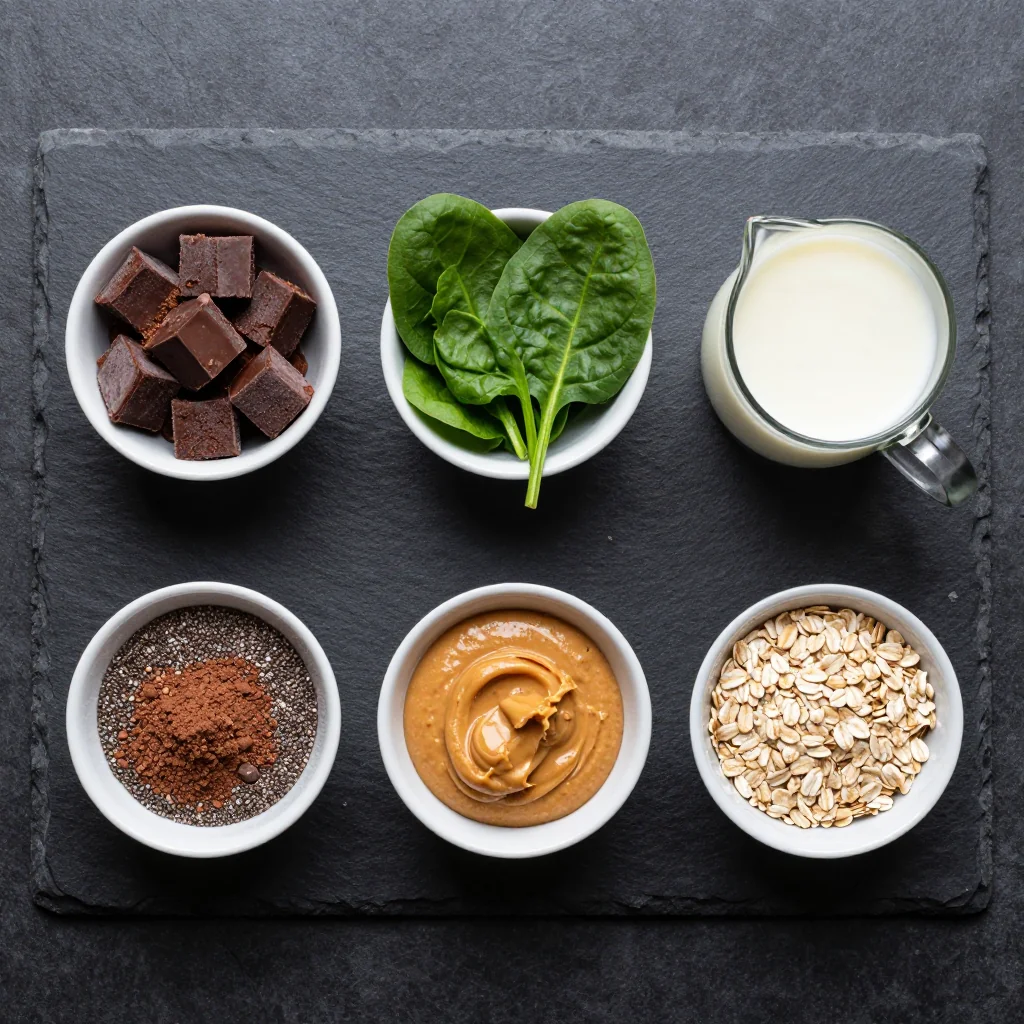
Below is the ingredient roster that turns an ordinary blender into a recovery powerhouse. Each component pulls double duty—flavor plus function—so read through for my favorite shopping tips and smart substitutions.
Frozen Mango Chunks (1 cup): Naturally sweet, quick to digest, and packed with vitamin C to combat oxidative stress from intense training. Buy bags of pre-cut fruit without added syrup; look for bright orange pieces that feel loose, not clumped (a sign of thaw-refreeze). No mango? Peaches or pineapple work equally well.
Ripe Banana (½ medium): Adds creaminess and fast-acting glucose to spike insulin, helping shuttle amino acids into muscle cells. The riper, the sweeter—freckled skins equal higher antioxidant levels. Freeze peeled halves on a tray, then transfer to a container so you always have portions ready.
Plain Greek Yogurt (¾ cup): My go-to for 18 g of casein-rich protein that digests steadily. Opt for 2 % milkfat; the small amount of fat slows gastric emptying just enough to extend the anabolic window without feeling heavy. Plant-based? Swap for an unsweetened soy yogurt fortified with calcium.
Unsweetened Coconut Water (½ cup): Nature’s sports drink—delivers 300 mg potassium per serving plus trace sodium for fluid balance. Seek brands that list only coconut water and avoid “from concentrate” versions which can taste metallic. Regular water is fine if you’re watching carbs.
Hemp Hearts (2 Tbsp): Buttery, nutty, and loaded with omega-3 ALA to support joint health. Store them in the freezer to protect delicate fats. If you need a nut-free option, pumpkin seeds give similar magnesium and protein.
Fresh Baby Spinach (1 cup loosely packed): Virtually flavorless once blended but rich in iron and folate for red-blood-cell regeneration. Buy pre-washed organic leaves; older spinach equals stronger “green” taste. Kale works, yet remove fibrous ribs first.
Fresh Ginger (½ tsp grated): Gingerol compounds inhibit COX-2 enzymes, reducing next-day soreness. Peel with the edge of a spoon and grate finely—powerful stuff, so a little goes far. Ground ginger is acceptable in a pinch; use ¼ teaspoon.
Ground Turmeric (⅛ tsp): Curcumin quells inflammation; pair with black pepper (a micro pinch) to enhance bioavailability up to 2,000 %. Choose vibrant saffron-colored powder; dull yellow indicates age.
Pure Honey or Maple Syrup (1 tsp, optional): Adds rapid carbs if your session exceeded 90 minutes or you train fasted. For low-GI sweetness, soak two pitted Medjool dates in hot water for 5 minutes, then blend.
Ice-Cold Almond Milk (¼ cup): Provides fluidity without excess calories. Look for varieties fortified with vitamin D and B12—nutrients many athletes under-consume. Oat milk yields a naturally sweeter profile if you prefer.
Xanthan Gum (⅛ tsp, optional but magical): Food-science secret that binds water and air, creating the velvety mouthfeel of a $12 juice-bar smoothie. A tiny jar lasts years; skip if you like a thinner drink.
How to Make Protein-Packed Recovery Smoothie After Gym Session
Prep Your Add-Ins
Measure yogurt, hemp hearts, spices, and optional honey into the blender carafe first. Placing heavier, protein-rich ingredients closest to the blades jump-starts the vortex and prevents dry powders from clumping on the sides.
Layer Frozen Elements
Add frozen mango and banana chunks next, followed by spinach. Keeping greens in the middle insulates them from heat generated at the blade, preserving vitamin C and folate.
Pour Liquids Last
Add coconut water and almond milk. The liquid weight pushes solids toward the blades, ensuring even blending without the dreaded air pocket. If you like a thinner consistency, reserve 2 Tbsp liquid and add after the first pulse.
Start Low, Finish High
Secure the lid and begin on the lowest setting for 15 seconds to crush large pieces, then ramp to high for 45–60 seconds. Listen for the motor pitch to even out—this signals the vortex is fully established.
Texture Check
Remove the lid plug and inspect. If you see flecks of spinach or mango fibers, blend another 10 seconds. For ultra-silkiness, add xanthan gum now and pulse on high for 5 seconds—watch it swell like magic.
Serve Immediately
Pour into a chilled stainless-steel or insulated glass to keep temperature below 40 °F, preserving probiotics in the yogurt. Top with a sprinkle of extra hemp hearts for visual flair and omega-3 punch.
Expert Tips
Chill Your Glassware
Pop your smoothie cup in the freezer while you train. An ice-cold vessel prevents condensation that can water down flavor and keeps the drink frosty on sweltering summer commutes.
Blend in Stages for Volume
If your blender is smaller than 600 W, blend half the frozen fruit first, then add the rest. This prevents over-working the motor and yields a lighter, fluffier texture.
Consume Within 30 Minutes
Research shows muscle-cell insulin sensitivity peaks right after exercise. Drinking within the half-hour window maximizes nutrient uptake and speeds recovery.
Rotate Your Greens
Alternate spinach with Swiss chard or beet greens weekly. Each plant offers unique phytonutrients—chard for magnesium, beet tops for nitrates—keeping your recovery diverse and complete.
Track Macros Accurately
Weigh yogurt and fruit on a kitchen scale once, then use consistent scoops to hit the same protein target every time—no surprises when you log your fitness app.
Night-Shift Hack
Train late? Replace half the coconut water with cold brew coffee for a gentle caffeine boost that won’t interfere with sleep thanks to the calming carbs and magnesium.
Variations to Try
-
Tropical + Collagen
Swap hemp hearts for 1 scoop unflavored marine collagen peptides to target joint-tendon repair and create a lighter mouthfeel.
-
Chocolate Peanut Butter
Replace mango with frozen zucchini chunks, add 1 Tbsp natural cocoa powder and 1 Tbsp peanut butter. Flavor profile: Reese’s cup but macro-friendly.
-
Berry Beet Recovery
Trade banana for roasted beet cubes and use mixed berries. The nitrates in beets enhance blood flow, amplifying nutrient delivery to recovering muscles.
-
Keto Green
Cut mango and banana; use avocado and frozen cauliflower rice. Add 1 scoop vanilla whey isolate and increase almond milk to ¾ cup. Net carbs drop to 9 g while fat rises for sustained energy.
-
Spiced Apple Pie
Sub frozen apple slices for mango, add ¼ tsp cinnamon and a splash of unsweetened apple cider. Tastes like autumn while still hitting the 30 g protein mark.
Storage Tips
Fridge: Pour leftovers into an airtight shaker bottle and refrigerate up to 24 hours. Separation is natural—shake vigorously before drinking. Note that vitamin C content declines by roughly 20 % after 12 hours, so consume sooner for peak antioxidant benefit.
Freezer: Blend a double batch, pour into silicone muffin cups, and freeze into pucks. Transfer pucks to a zip bag; they’ll keep 2 months. When ready, combine 3 pucks with ½ cup milk of choice and re-blend for 30 seconds—tastes freshly made.
Meal-Prep Packs: In quart-size bags, portion mango, banana, spinach, and spices. Vacuum-seal or press out air to prevent freezer burn. Store flat; stack like books to save space. In the morning, dump contents into the blender, add liquids, and whirl—breakfast in under a minute.
Travel Tip: If you commute straight from gym to office, pre-fill a stainless blender bottle with dry ingredients and pack liquids separately in a small thermos. Combine and shake when you’re ready—no blender required thanks to pre-softened freeze-dried fruit powders.
Frequently Asked Questions
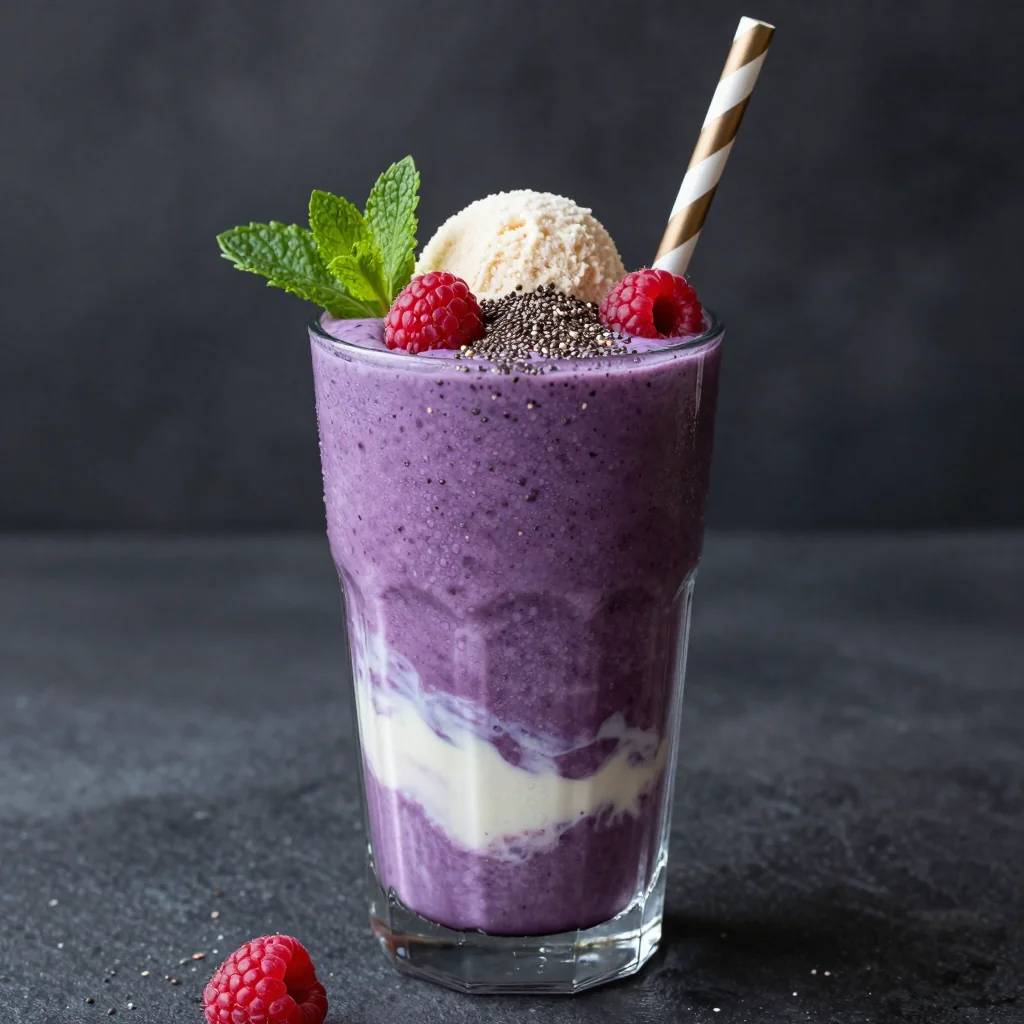
Protein-Packed Recovery Smoothie After Gym Session
Ingredients
Instructions
- Load Base: Add yogurt, hemp hearts, ginger, turmeric, xanthan gum, and honey to blender.
- Layer Frozen: Top with frozen mango, banana, and spinach.
- Add Liquids: Pour coconut water and almond milk last.
- Blend: Start on low 15 s, then high 45–60 s until smooth.
- Adjust: If too thick, add 2 Tbsp cold water and pulse. Taste; sweeten if desired.
- Serve: Pour into a chilled glass, sprinkle extra hemp hearts, and enjoy immediately.
Recipe Notes
For a vegan version, use soy yogurt and maple syrup. If you train twice daily, double the recipe and freeze half into popsicle molds for a recovery dessert.