When I was trying to salvage a batch of overcooked chicken from last night’s dinner, I found myself staring at a pan that felt more like a black hole than a kitchen tool. The meat was dry, the flavors flat, and I was about to abandon the dish when a friend tossed me a handful of gochujang and a splash of honey. “Just mix it,” she said, and that one simple act turned a culinary disaster into a revelation. From that moment, I swore that chicken would never again be the same. The taste of that first bite—sweet, smoky, and peppery—was an explosion that made my taste buds dance. I was hooked. I can’t remember the last time I was so sure that a single sauce could rewrite the destiny of a dish.
Picture this: the kitchen is buzzing with the clatter of pans, the air thick with the scent of garlic and ginger, and the sizzling sound of chicken hitting hot oil that sounds like applause. Your eyes catch the glossy sheen of a sauce coating each piece like a velvet curtain, while a faint citrus tang lifts the aroma to something almost theatrical. The heat from the stove radiates, turning the room into a warm, fragrant cocoon. Your fingertips feel the slight resistance of a perfectly seared crust, and the first bite delivers a crunch that shatters like thin ice before melting into a silky, caramelized finish. Every element—sight, sound, smell, texture, and taste—melds into a single, unforgettable moment of culinary triumph.
What sets this version of Strange Flavor Chicken apart is not just the ingredients, but the way each component is treated. I’m not talking about a generic recipe that you find in a cookbook; this is a dish that has been refined through countless trials and a handful of daring tweaks. The sauce is a masterstroke of balance: gochujang’s fiery bite is tempered by honey’s sweetness, while sesame oil adds a nutty depth that lingers long after the plate is empty. The chicken itself is marinated just long enough to absorb the flavors without becoming mushy, then seared to a golden crust that locks in juices. The final glaze, thickened with a cornstarch slurry, coats the meat in a glossy sheen that is as visually stunning as it is delicious. The result? A dish that is both comforting and adventurous, a flavor profile that feels like a secret family recipe revealed for the first time.
But here’s the kicker: this isn’t the kind of recipe you’ll find in a standard cookbook. I’ve discovered a technique that transforms a simple stir‑fry into a show‑stopping entrée. By adding a splash of rice vinegar during the marination phase, you introduce a subtle acidity that cuts through the richness of the sauce, creating a harmony that is both bright and robust. The trick is to balance the vinegar so it doesn’t overpower the heat—just enough to give the dish a fresh lift. That tiny tweak is the difference between a good dish and a legendary one. Trust me, you’ll want to experiment with this step until it feels like a secret you’re ready to share with the world.
Imagine the moment you pull the chicken out of the oven, the kitchen smelling like a warm hug wrapped in a spicy blanket. The aroma of toasted sesame seeds mingles with the faint sweetness of honey, creating an intoxicating scent that makes the whole house feel alive. The heat from the oven rises, and you can almost hear the sizzling of the glaze as it caramelizes on the surface. This is the moment that turns a simple meal into an experience. I dare you to taste this and not go back for seconds.
If you’ve ever struggled to get the perfect balance of sweet and spicy in a chicken dish, you’re not alone. Many recipes get this completely wrong, layering flavors in a way that feels chaotic rather than harmonious. In my version, each ingredient has a clear purpose, and the cooking method is designed to preserve the integrity of the flavors. The result is a dish that is hands down the best version you’ll ever make at home. I’ll be honest—once I finished the first batch, I ate half the chicken before anyone else got to try it. That’s how irresistible it is.
Picture yourself pulling this dish out of the oven, the whole kitchen smelling incredible, and your friends or family lining up for the first bite. The anticipation builds, the plates are set, and the moment arrives when the first forkful is taken. The crunch gives way to a silky sauce that coats the chicken like velvet. The heat from the gochujang is tempered by honey, creating a complex flavor profile that keeps everyone coming back for more. I’ve watched my guests ask for the recipe after every meal, and it’s a moment I’ll never forget.
Okay, ready for the game‑changer? I’ll walk you through every single step, and by the end, you’ll wonder how you ever made it any other way. The journey starts with a simple preparation of the sauce, but the real magic happens in the searing and glazing. You’ll learn how to keep the chicken tender, how to achieve that perfect caramelized crust, and how to finish with a glaze that’s both glossy and flavorful. Let’s dive in, and trust me—you’ll be amazed at how quickly this dish goes from ordinary to extraordinary.
What Makes This Version Stand Out
- Flavor Fusion: The sauce marries sweet, spicy, and umami notes in a way that feels both exotic and comforting. Each bite is a revelation that keeps you guessing.
- Texture Contrast: The seared crust offers a satisfying crunch that immediately gives way to a melt‑in‑your‑mouth tenderness. The glaze adds a glossy, silky finish that lingers.
- Simplicity: With less than ten ingredients, the recipe is quick to assemble, yet the result feels like a gourmet meal. You can make it in under an hour.
- Ingredient Quality: Using fresh ginger, real gochujang, and high‑quality sesame oil elevates the dish beyond a standard takeout copycat.
- Make‑ahead Potential: Marinate the chicken a few hours ahead for deeper flavor, and the dish still tastes fresh and vibrant.
- Audience Appeal: Whether you’re cooking for a crowd or a solo dinner, the dish impresses with its boldness and balance.
Inside the Ingredient List
The Flavor Base
At the heart of this dish lies a sauce that balances heat, sweetness, and acidity. Soy sauce provides the salty umami foundation that grounds the flavors. Gochujang, a Korean chili paste, adds depth and a smoky heat that is unmistakable. Honey or brown sugar introduces a subtle sweetness that counterbalances the spiciness, preventing the sauce from feeling one‑dimensional. A splash of rice vinegar adds a bright, tangy lift that cuts through the richness, giving the dish a fresh, lively finish. If you can’t find gochujang, a mix of sriracha and a dash of soy sauce will work, but the flavor profile will shift slightly.
The Texture Crew
The chicken thighs are the star, chosen for their fat content and tenderness. Patting them dry before marination ensures a better sear and prevents steaming. The garlic and ginger provide aromatic depth; the garlic offers a sharp, slightly sweet bite, while the ginger brings a bright, peppery note. Sesame oil is a subtle yet essential component, lending a nutty aroma that complements the sesame seeds in the garnish. Vegetable oil is used for searing, chosen for its high smoke point to achieve a crisp crust without burning.
The Unexpected Star
Cornstarch is the unsung hero that thickens the glaze. When mixed with a small amount of water, it creates a slurry that, when heated, turns into a glossy, silky coating. This step is crucial for achieving that signature sheen that makes the dish visually stunning. If you’re watching calories, you can skip the cornstarch; the sauce will still cling to the chicken, just a bit less glossy. Alternatively, a splash of honey can provide a natural thickening effect, but the texture will differ.
The Final Flourish
To finish, scallions and toasted sesame seeds add a burst of freshness and crunch. The scallions bring a mild onion flavor that brightens the dish, while the sesame seeds add a nutty crunch that contrasts with the tender chicken. A final drizzle of sesame oil before serving enhances the aroma and gives the dish a polished look. If you’re adventurous, a squeeze of fresh lime juice can replace the rice vinegar for a citrusy twist. Always taste the sauce before glazing; adjust salt or sweetness to your preference.
Everything’s prepped? Good. Let’s get into the real action.
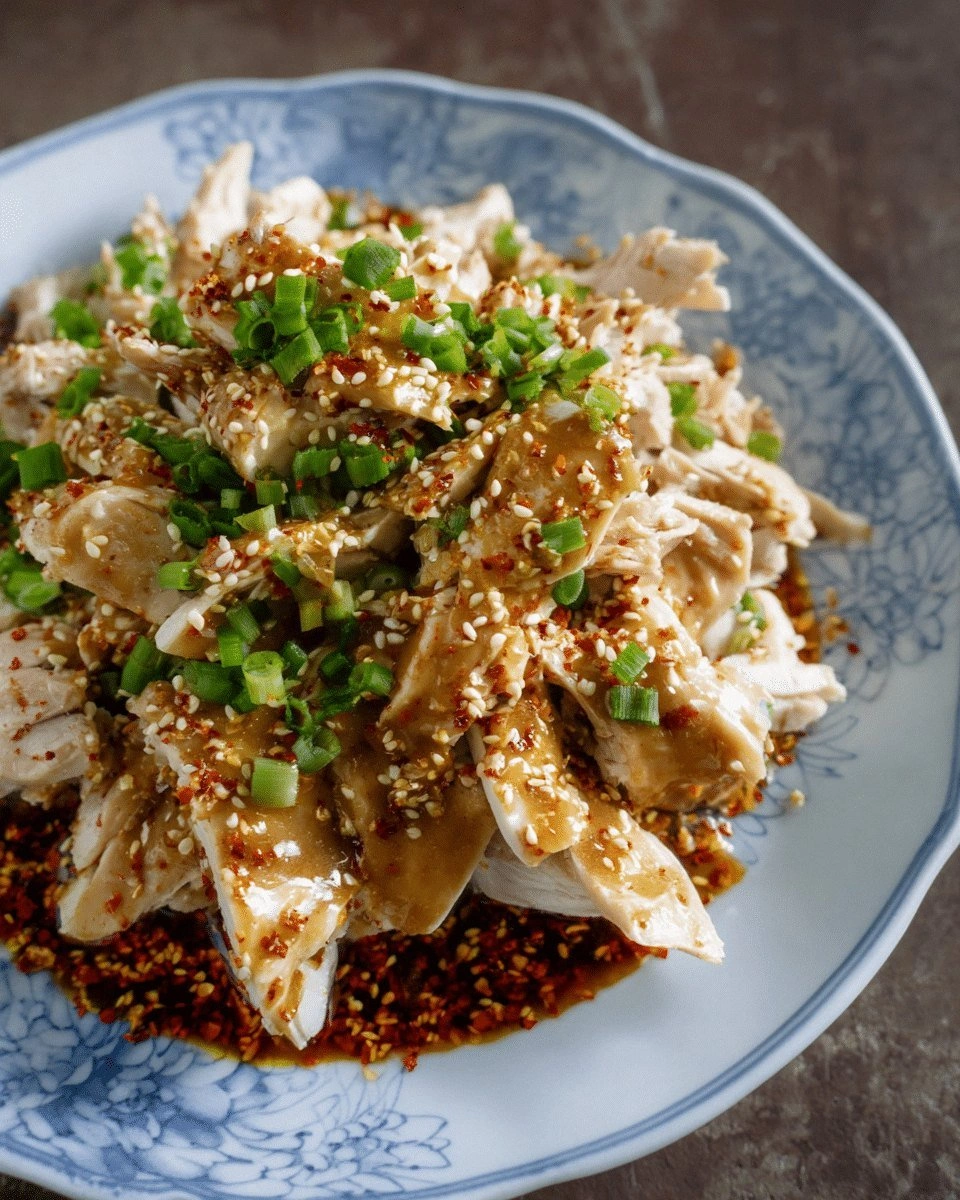
The Method — Step by Step
- Preheat your oven to 400°F (200°C). Line a baking sheet with parchment paper to prevent sticking and to make cleanup a breeze. This step ensures a consistent temperature for the chicken to cook evenly. The preheated sheet also helps the glaze set quickly. A well‑preheated oven is the secret to a perfectly caramelized crust.
- In a medium bowl, whisk together soy sauce, gochujang, honey, rice vinegar, sesame oil, chili flakes, salt, and pepper. The sauce should be smooth and slightly thick. Taste it; if it’s too salty, add a touch more honey. If it’s too sweet, a splash of vinegar will balance it. This base is what will define the dish’s flavor profile.
- Pat the chicken thighs dry with paper towels to remove excess moisture. This step is crucial for a good sear. Toss the chicken in the sauce, ensuring each piece is well coated. Let the chicken marinate for at least 15 minutes, or up to 2 hours for deeper flavor. The longer it sits, the more the flavors penetrate the meat.
- Heat the vegetable oil in a large skillet over medium‑high heat. When the oil shimmers, add the chicken thighs skin‑side down. Sear for 2–3 minutes until the skin turns golden brown and crisp. Flip the chicken and sear the other side for another 2–3 minutes. This creates a caramelized crust that locks in juices.
- Transfer the seared chicken to the prepared baking sheet. Place the sheet in the preheated oven and bake for 15–20 minutes, depending on the thickness of the thighs. The chicken is done when the internal temperature reaches 165°F (74°C). The oven finishes the cooking process, ensuring the meat stays juicy.
- While the chicken cooks, prepare the glaze. In a small saucepan, bring the remaining sauce to a gentle boil over medium heat. Whisk in the cornstarch slurry (cornstarch mixed with water). The sauce will thicken as it simmers. Keep stirring to prevent lumps. When it reaches a glossy consistency, remove from heat.
- Remove the chicken from the oven and brush it generously with the thickened glaze. Return the chicken to the oven for an additional 3–5 minutes, allowing the glaze to caramelize and set. The glaze should form a shiny coating that clings to the meat. Watch the chicken closely; you don’t want it to burn.
- Take the chicken out of the oven and let it rest for 5 minutes. Resting allows the juices to redistribute, ensuring every bite is moist. While it rests, sprinkle the sliced scallions and toasted sesame seeds over the top. These garnish elements add a fresh crunch and a nutty aroma that elevates the dish.
- Slice the chicken into bite‑sized pieces, then plate it alongside steamed jasmine rice or stir‑fried noodles. Drizzle any remaining glaze over the rice or noodles for an extra burst of flavor. Serve immediately, so the sauce stays glossy and the chicken remains tender. This dish is best enjoyed hot and fresh.
That’s it— you did it. But hold on, I’ve got a few more tricks that will take this to another level. The next section will reveal insider tips that will elevate your cooking from good to legendary.
Insider Tricks for Flawless Results
The Temperature Rule Nobody Follows
Many people cook chicken at a single temperature, but this dish thrives on a two‑stage approach. Start with a high‑heat sear to lock in juices and create a caramelized crust. Then finish in a moderate oven to finish cooking without drying out the meat. This technique ensures the exterior is crispy while the interior stays succulent. I once tried a single‑temperature method, and the chicken ended up chewy—lesson learned.
Why Your Nose Knows Best
The aroma of the sauce is a powerful indicator of doneness. As the glaze caramelizes, it will emit a sweet, nutty scent that signals it’s ready. Trust your nose; if the aroma is too sharp, the glaze may be overcooked. If it’s still raw, give it a few more minutes. A well‑aromated sauce is a sign that the flavors have melded perfectly.
The 5‑Minute Rest That Changes Everything
Letting the chicken rest after it comes out of the oven might seem like a waste of time, but it’s essential. The juices redistribute, ensuring each bite is moist and flavorful. Skipping this step can leave the chicken dry and less enjoyable. I’ve seen people rush the rest, and the result is a dry, unappetizing texture.
Use Fresh Ingredients for a Bold Flavor
Fresh ginger and garlic are the backbone of this sauce. If you’re using pre‑minced or jarred versions, the flavor can be muted. Freshly grated ginger adds a bright, zesty kick that is hard to replicate with older ingredients. Likewise, fresh garlic brings a punchy aroma that elevates the entire dish.
Keep the Oil at the Right Temperature
When searing, the oil should shimmer but not smoke. If it starts to smoke, lower the heat slightly. This ensures a crisp crust without burning the outside. A quick visual cue is the oil’s movement—if it’s moving like a calm lake, you’re good. If it’s bubbling, it’s too hot.
Creative Twists and Variations
This recipe is a playground. Here are some of my favorite ways to switch things up:
Spicy Kimchi Twist
Stir in a handful of chopped kimchi during the final glaze step. The fermented cabbage adds a tangy depth and a subtle heat that complements the gochujang. It’s a perfect pairing for Korean fans.
Sweet Pineapple Variation
Add diced pineapple to the sauce for a tropical twist. The fruit’s natural sugars caramelize during cooking, giving the glaze a sweet, caramelized flavor that balances the heat. This version is great for a summer dinner.
Low‑Carb Version
Replace rice vinegar with apple cider vinegar and skip the honey. Serve the chicken over cauliflower rice or zucchini noodles for a low‑carb alternative. The flavors remain bold, but the dish becomes lighter.
Vegetarian Adaptation
Swap the chicken for firm tofu, marinated and pan‑fried until golden. The tofu will absorb the sauce’s flavors beautifully, creating a plant‑based version that’s equally satisfying.
Breakfast Edition
Serve the chicken with scrambled eggs and a side of roasted sweet potatoes. The savory sauce pairs wonderfully with the rich eggs, turning the dish into a hearty brunch.
Asian Fusion
Add a splash of soy‑based broth and a handful of sliced bamboo shoots during the glaze step. This adds a subtle umami note and a satisfying crunch.
Storing and Bringing It Back to Life
Fridge Storage
Cool the chicken completely before placing it in an airtight container. Store in the refrigerator for up to 3 days. The glaze may thicken slightly, but it will remain flavorful.
Freezer Friendly
Wrap each chicken piece individually in parchment paper, then place in a freezer bag. Freeze for up to 2 months. When ready to use, thaw overnight in the refrigerator.
Best Reheating Method
Reheat in a preheated oven at 350°F (175°C) for 10 minutes. Add a splash of water before reheating to keep the chicken moist. The oven’s dry heat will help the glaze re‑gloss without drying out the meat.