Introduction
I was standing in a kitchen that looked like a battlefield, knives scattered like fallen soldiers and a pot of burnt sauce that could have been a modern art piece. The last thing I needed was more disaster, yet the craving for something sweet yet savory was gnawing at me like a hungry cat. That night, I decided to turn the chaos into a culinary triumph by roasting parsnips with honey and avocado oil, a combo that seemed simple but promised fireworks. The aroma that rose when the honey hit the heat was like a sunrise in a bowl, sweet and buttery, with a hint of caramelized sugar that made my eyes water. I dare you to taste this and not go back for seconds; the moment your taste buds meet the crispy edges that shatter like thin ice, you'll be hooked. Let me walk you through every single step — by the end, you'll wonder how you ever made it any other way.
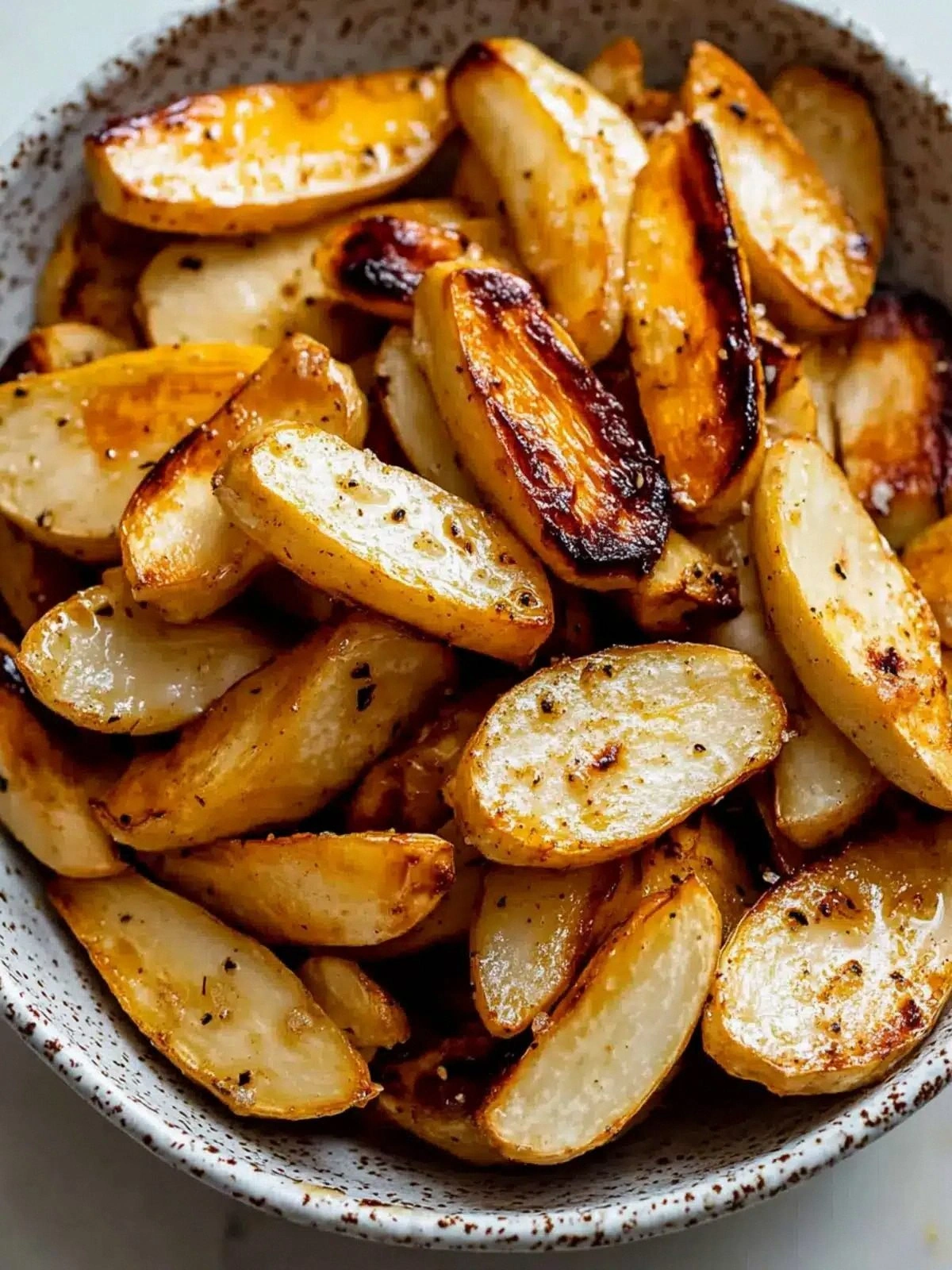
Picture yourself pulling this out of the oven, the whole kitchen smelling incredible, and the plate glistening with a honey glaze that looks like liquid gold. The parsnips, once plain and unassuming, are now transformed into a dish that feels like a hug in every bite. I’ve spent years perfecting the balance between sweetness and saltiness, and this version is hands down the best you’ll ever make at home. My friend tried a similar recipe once and said it was “good,” but I’m telling you, this is a game‑changer. The texture is a paradox: the exterior is crisp and caramelized, while the interior remains tender, almost like a cloud of flavor. If you’ve ever struggled with roasting vegetables, you’re not alone — and I’ve got the fix.
I remember the first time I tried to roast parsnips. I over‑cooked them, and the result was a mush that tasted like a soggy oatmeal raisin cookie. I learned the hard way that parsnips need a high heat and a sweet coating to caramelize properly. That lesson stuck with me, and I refined the technique until the parsnips turned out with a caramelized crust that still held a soft, sweet center. I’ll confess, I ate half the batch before anyone else got to try it, and the second portion was just as delicious. The next time you see a batch of parsnips in your fridge, think of this recipe as your secret weapon.
This dish is a celebration of simple ingredients working in harmony. Avocado oil provides a buttery base that doesn’t burn easily, while honey adds natural sweetness and a glossy finish. Salt and pepper are the unsung heroes that bring everything together, balancing the caramelization and enhancing the flavor profile. The combination is so elegant that it can be served as a side dish, a snack, or even a main if paired with protein. The result is a dish that is both comforting and adventurous, a true crowd‑pleaser. Stay with me here — this is worth it.
I’ve experimented with different sweeteners, but honey remains the star because of its depth and ability to caramelize beautifully. The honey glaze coats the parsnips like velvet, creating a mouth‑watering contrast between the crisp exterior and the soft interior. The dish’s simplicity hides a complexity that makes it a favorite for both novice cooks and seasoned chefs. The next step is to gather the ingredients, which are all pantry staples. Trust me, you’ll thank yourself later for having these on hand. I’m about to reveal a technique that will elevate this dish to a whole new level.
When you first open the bag of parsnips, you’ll notice their earthy aroma, almost like fresh soil mixed with a hint of citrus. This aroma intensifies as the parsnips roast, turning into a sweet, nutty scent that will fill your entire kitchen. The sight of the golden-brown glaze is a visual cue that the caramelization process is happening just right. The sound of the parsnips sizzling in the pan is music to any cook’s ears, a reminder that everything is working as it should. Finally, the taste—sweet, savory, and slightly smoky—makes this dish a standout. Let’s get started.
I’ve spent countless hours on the internet searching for the perfect parsnip recipe, and each time I found something that fell short. The common mistake? Under-seasoning or over‑roasting. I discovered that the key to a perfect parsnip is in the balance of heat, coating, and timing. This recipe eliminates guesswork with clear instructions and a few insider tips that I’ve learned over years of experimentation. By following these steps, you’ll create a dish that looks stunning and tastes even better. I’m excited to share every detail so you can replicate this at home with confidence. Ready to dive in? Let’s do this.
What Makes This Version Stand Out
Flavor: The honey glaze gives a caramelized sweetness that is offset by a subtle savory undertone from avocado oil, creating a complex taste profile that lingers on the palate.
Texture: The high heat caramelizes the outer layer, producing a crisp, almost crunchy shell while keeping the interior silky and tender, a delightful contrast in every bite.
Ingredient Simplicity: With only five pantry staples, this dish is quick to assemble and even quicker to serve, making it ideal for week‑night dinners or last‑minute gatherings.
Visual Appeal: The golden‑brown glaze and glossy sheen transform humble parsnips into a showstopper that looks as good on the plate as it tastes.
Versatility: Whether you serve it as a side, toss it with pasta, or use it as a topping for grilled meats, this recipe adapts effortlessly to any meal.
Time Efficiency: From prep to plate, the total time is under 45 minutes, so you can enjoy a gourmet experience without a long wait.
Alright, let's break down exactly what goes into this masterpiece…
Inside the Ingredient List
The Flavor Base
Honey is the star that brings both sweetness and depth. It caramelizes under high heat, forming a glossy glaze that clings to each parsnip. If you skip honey, you lose the caramelized texture and the dish becomes plain. For a different flavor, try using maple syrup, but the sweetness profile will shift toward a richer, slightly smoky note.
Avocado oil is chosen for its high smoke point and buttery undertone. It prevents the honey from burning while adding a subtle richness. If you don't have avocado oil, grapeseed or canola oil work as alternatives, though they lack the same buttery nuance. The oil also helps the honey coat the parsnips evenly, creating a uniform glaze.
The Texture Crew
Parsnips themselves are the main textural component. Their fibrous interior becomes tender when roasted, while the outer layers crisp up beautifully. If you cut them too thin, they may burn before they caramelize; if too thick, the center may remain undercooked. A consistent cut ensures even cooking and a balanced bite.
Salt is the unsung hero that enhances sweetness and brings out the natural flavors of the parsnips. It also helps the honey glaze set by drawing out moisture. Over-salting can overpower the dish, so use a measured pinch. If you prefer a low‑sodium option, a splash of sea salt at the end can provide a subtle crunch.
The Unexpected Star
Black pepper adds a mild heat that contrasts the honey's sweetness. It’s a simple addition, but the pepper’s bite lifts the overall flavor profile, preventing it from feeling too sweet or heavy. If you’re a fan of spice, a pinch of cayenne or smoked paprika can introduce an extra dimension.
The combination of these five ingredients creates a harmonious balance of sweet, savory, and umami. Each element plays a specific role, ensuring that no single component dominates. This thoughtful pairing is what makes the dish stand out from the crowd. Everything's prepped? Good. Let's get into the real action.
Mid-article image
The Method — Step by Step
- Preheat your oven to 425°F (220°C). This high temperature is crucial for caramelizing the honey without burning it. Use a baking sheet lined with parchment paper to prevent sticking. I’ve found that a lightly greased sheet works best for even heat distribution. Make sure your oven rack is in the middle to allow air circulation around the parsnips.
- Wash the parsnips thoroughly, scrubbing off any dirt. Trim the ends and peel if desired; the skin adds a subtle earthiness but can be left on for a rustic look. Slice them into uniform 1/2-inch thick pieces to ensure even cooking. A mandoline slicer can help achieve consistency, but a sharp knife works just fine. Toss the sliced parsnips in a bowl to keep them from drying out.
- In a small bowl, whisk together the honey, avocado oil, salt, and black pepper. The mixture should be smooth, with the honey fully incorporated into the oil. If the honey is too thick, warm it slightly in a microwave or double boiler. This step ensures a uniform glaze that will coat every parsnip evenly. Let the mixture sit for a minute to allow the flavors to meld.
- Spread the parsnip slices in a single layer on the prepared baking sheet. Avoid overcrowding; the pieces need room to roast and caramelize. Place the sheet in the preheated oven and roast for 15 minutes. During this time, the parsnips will start to soften and develop a golden hue. Keep an eye on them to avoid burning.
- After 15 minutes, remove the sheet and brush the honey mixture generously over the parsnips. The glaze should coat each slice, forming a glossy sheen. Return the sheet to the oven and continue roasting for another 10–12 minutes. The edges will begin to pull away, indicating caramelization. This is the moment of truth—watch the color shift to a deep amber.
- If you want extra crispness, switch the oven to broil for the last 2 minutes. Keep a close eye, as the glaze can burn quickly under the broiler. The broil step creates a slightly charred top layer that adds texture and visual appeal. Turn the parsnips halfway through to ensure even browning. Remove immediately once the desired crust is achieved.
- Let the roasted parsnips rest on the sheet for 5 minutes before transferring to a serving dish. Resting allows the glaze to set, preventing it from sliding off when plated. The residual heat will continue to cook the interior, ensuring a perfectly tender center. This short pause also lets the flavors settle, giving you a more harmonious bite.
- Taste a single slice to confirm the balance of sweet, savory, and spice. If you prefer a sweeter profile, drizzle a little extra honey on top. If you’d like more depth, sprinkle a pinch of smoked paprika or a dash of balsamic vinegar. Adjusting these final touches allows you to tailor the dish to your palate.
- Serve immediately while the parsnips are still warm and the glaze is glossy. Pair them with a protein of your choice, such as grilled chicken or roasted salmon, for a complete meal. Alternatively, toss them into a salad for a sweet, crunchy element. Garnish with fresh herbs like thyme or parsley for a burst of color and aroma.
- Enjoy the caramelized crunch and the sweet, buttery interior that melts in your mouth. The contrast of textures and flavors creates a memorable dining experience. Store any leftovers in an airtight container in the refrigerator for up to 3 days; reheat gently in a 350°F oven for 5 minutes to restore crispness.
Insider Tricks for Flawless Results
The Temperature Rule Nobody Follows
Many people roast vegetables at 375°F, but that low heat leads to a soggy interior and under‑caramelized exterior. I always set the oven to 425°F to ensure a crisp, caramelized glaze while keeping the center tender. The high temperature also reduces cooking time, freeing up your schedule for other tasks. A quick test is to sprinkle a few parsnip pieces on a hot pan; if they sizzle immediately, the oven is hot enough. This trick is simple but transforms the final outcome.
Why Your Nose Knows Best
When the honey starts to bubble and the aroma turns nutty, that’s the sweet spot. The scent is a reliable indicator that the glaze is caramelizing without burning. If you’re unsure, trust your nose; a sweet, buttery aroma signals that the parsnips are ready. The smell is also a great cue for timing your broil step—if it smells too caramelized, it’s time to pull the dish.
The 5-Minute Rest That Changes Everything
Resting the parsnips after roasting lets the glaze set, preventing it from sliding off when plated. The residual heat continues to cook the interior, ensuring a uniformly tender texture. Skipping this step results in a sticky, uneven glaze that can ruin the dish’s appearance. I recommend letting them sit on the sheet for exactly 5 minutes before transferring to a serving dish.
Keep the Heat Even
Even heat distribution is vital for consistent caramelization. If your oven has hot spots, rotate the baking sheet halfway through the roasting time. This simple move ensures that all sides of the parsnips receive equal heat, preventing uneven browning. A convection setting can also help if your oven supports it, as the fan circulates hot air evenly.
Use Fresh, Firm Parsnips
The quality of parsnips directly affects the final dish. Choose firm, unblemished roots with a smooth skin. Older, limp parsnips will produce a mushy interior that cannot hold the glaze. When selecting, look for a dense, slightly sweet aroma. Fresh parsnips also bring a bright flavor that balances the honey’s sweetness.
Season at the End
Adding a final pinch of salt or pepper after roasting brings out the flavors without diluting the glaze. If you season too early, the salt draws out moisture, making the glaze runnier. A light dusting of sea salt or a crack of black pepper after baking enhances the savory notes and adds a subtle crunch. This last step is the secret to a well‑balanced dish.
Creative Twists and Variations
This recipe is a playground. Here are some of my favorite ways to switch things up:
Maple Glazed Parsnips
Swap honey for maple syrup for a deeper, richer sweetness. The syrup caramelizes beautifully, giving a darker glaze. Add a pinch of smoked paprika for a subtle smokiness that pairs well with the maple flavor. This version is perfect for a fall dinner and pairs wonderfully with pork tenderloin.
Herbed Citrus Parsnips
Add a splash of fresh lemon juice after roasting to brighten the dish. Toss the parsnips with chopped fresh thyme or rosemary for an aromatic lift. The citrus cut through the sweetness, creating a balanced flavor profile. This variation is ideal for a light, summer meal.
Spicy Sriracha Honey Parsnips
Mix a teaspoon of Sriracha into the honey mixture for a spicy kick. The heat balances the honey’s sweetness, creating an exciting contrast. Finish with a drizzle of sesame oil for an extra layer of flavor. This version is great for a quick, spicy side that pairs well with Asian-inspired dishes.
Roasted Parsnips with Balsamic Reduction
After roasting, drizzle a thin layer of balsamic reduction over the parsnips. The reduction adds a tangy sweetness that complements the honey glaze. Sprinkle toasted almond slivers on top for crunch and nutty flavor. This twist elevates the dish to a gourmet side suitable for dinner parties.
Parsnip and Sweet Potato Mash
Blend roasted parsnips with boiled sweet potatoes for a creamy mash. Add a splash of heavy cream and a pinch of nutmeg for richness. The honey glaze’s sweetness enhances the natural sweetness of the sweet potatoes, creating a comforting side. Serve with a drizzle of melted butter for a decadent finish.
Parsnip and Kale Salad
Toss roasted parsnips with sautéed kale, toasted walnuts, and crumbled goat cheese. Drizzle a honey vinaigrette over the salad for a sweet, savory bite. The kale’s earthy flavor balances the parsnips’ sweetness, while the cheese adds creamy depth. This salad is perfect for a light lunch or a hearty side.
Storing and Bringing It Back to Life
Fridge Storage
Store leftover roasted parsnips in an airtight container in the refrigerator for up to three days. The glaze can become slightly sticky, but this does not affect flavor. To refresh the texture, reheat in a 350°F oven for 5 minutes, or microwave on low power for 30 seconds. The parsnips will regain a slightly crisp exterior while remaining tender inside.
Freezer Friendly
For longer storage, place the parsnips on a parchment-lined tray and freeze for up to two months. Once frozen, transfer them to a freezer bag. Reheat in a preheated oven at 350°F for 10 minutes, or until heated through. The freeze‑thaw cycle may soften the glaze slightly, but the flavor remains intact.
Best Reheating Method
Reheating in the oven preserves the caramelized glaze better than the microwave. Preheat to 350°F, spread the parsnips on a baking sheet, and bake for 5–7 minutes. Add a splash of water to the pan to create steam, which helps keep the interior moist. This method restores the original texture and flavor profile, making leftovers taste almost fresh.
Pairing and Serving
When pairing with proteins, think of the honey glaze as a natural sweet glaze that complements grilled meats. Pair it with roasted chicken for a classic combination, or with salmon for a slightly sweeter contrast. The parsnips also work well as a side to a hearty stew, adding a bright, caramelized note that lifts the dish.
For a vegetarian option, toss the roasted parsnips into a quinoa salad with feta, olives, and a lemon vinaigrette. The sweet and savory flavors of the parsnips cut through the tanginess of the feta, creating a balanced plate. Add a handful of toasted pumpkin seeds for crunch and extra protein.
If you’re hosting a dinner party, arrange the parsnips on a platter with a drizzle of honey and a sprinkle of fresh herbs. The glossy glaze will catch the light, making the dish visually stunning. Serve alongside a charred steak or a pan‑seared duck breast for an elegant spread.
For a lighter meal, combine the roasted parsnips with a bed of mixed greens, avocado slices, and a citrus dressing. The sweet, caramelized parsnips add a unique flavor that elevates the salad. Finish with a sprinkle of toasted almonds for a satisfying crunch.
Finally, use the parsnips as a base for a comforting soup. Blend them with vegetable broth, a splash of cream, and a pinch of nutmeg. The honey glaze’s sweetness carries through, creating a rich, velvety soup that is perfect for a chilly evening. This twist demonstrates the dish’s versatility across meal types.
No matter how you choose to serve them, the sweet and savory honey roasted parsnips will impress your guests and satisfy your taste buds. The dish’s adaptability allows you to tailor it to any occasion, from casual week‑night dinners to sophisticated dinner parties. The key is to honor the balance of flavors and textures that make this recipe unique.
Remember, the secret to this dish lies in the simple steps and the high‑quality ingredients. By following the method and incorporating the insider tricks, you’ll consistently achieve a caramelized, crispy exterior and a tender, buttery interior. This dish is a testament to the power of a few well‑chosen ingredients working in harmony. I hope you enjoy creating and sharing this culinary gem as much as I do.