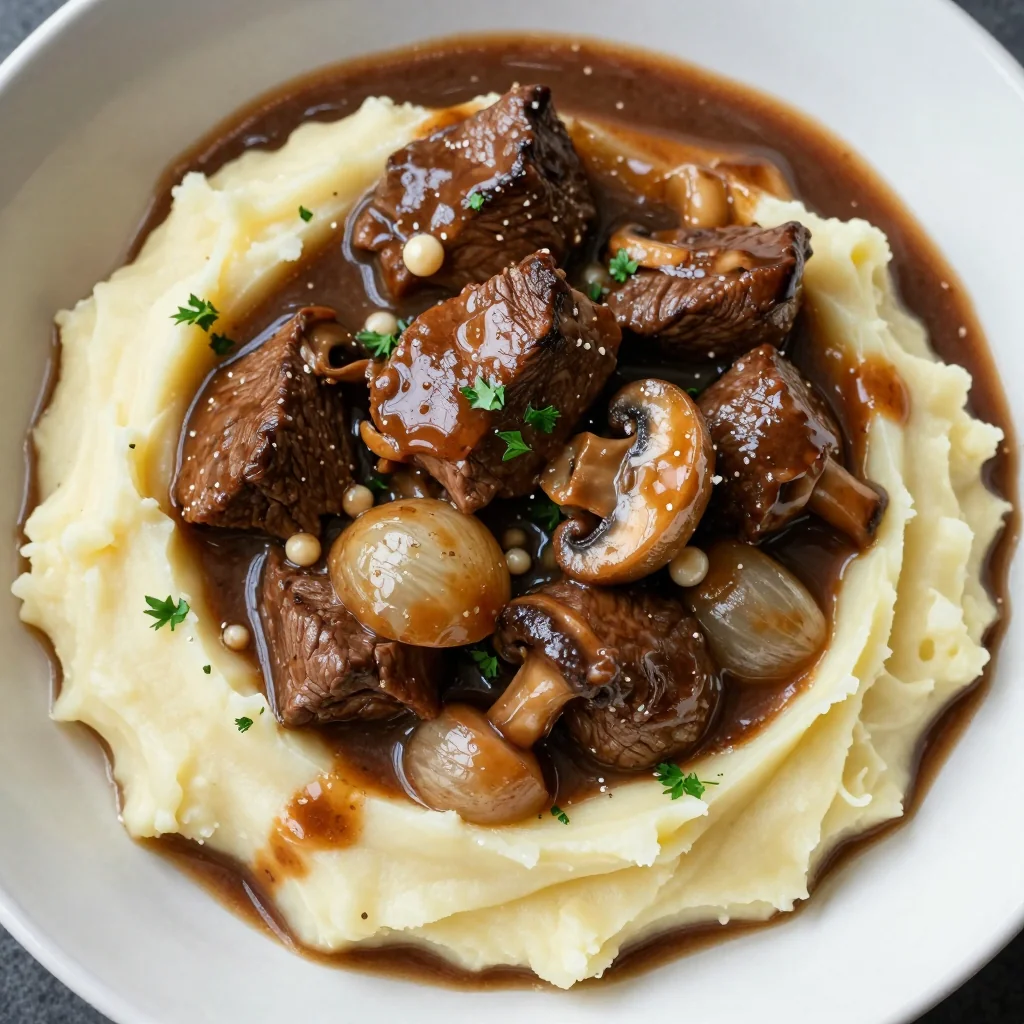
Picture this: I was halfway through a week of bland, overcooked dinners when my phone buzzed with a text from a friend: “I need the ultimate comfort soup recipe—no excuses!” I stared at my pantry, feeling the familiar dread that comes with a culinary crisis. The kitchen smelled faintly of burnt toast from last night’s failed attempt at risotto, and the only thing that seemed to promise salvation was a bag of green split peas. I knew I had to turn this into something that would make me feel like I was cooking for a crowd, not just for myself. I swear, this is the first time I’ve felt such excitement about a slow‑cooker recipe.
As I opened the pantry, the earthy aroma of split peas hit me like a warm hug, and I could almost taste the promise of a silky, hearty broth. The sight of the carrots, celery, and onion arranged neatly on the cutting board made me smile, as if they were waiting to be transformed into culinary gold. The sound of the slow cooker’s gentle hum promised a slow, patient cooking process that would coax every flavor into a harmonious duet. The touch of the wooden spoon, the feel of the splintered crust of the ham hock, all contributed to a sensory prelude that set the stage for a masterpiece. I could almost hear the crackle of the bay leaf releasing its subtle perfume as it simmered beneath the surface.
This version stands out because it balances the humble split pea with bold, savory notes that elevate the dish from simple to sensational. I dare you to taste this and not go back for seconds, because the depth of flavor will leave you craving more. The secret lies in the slow, low‑temperature cooking that allows the peas to break down into a velvety base while the ham hock imparts a smoky richness that can’t be replicated by canned broth. The addition of fresh herbs at the end gives the soup a bright, almost citrusy lift that cuts through the earthiness. If you’ve ever struggled with a bland split pea soup, this is the fix you’ve been waiting for.
Most recipes get this completely wrong by over‑cooking the peas or under‑seasoning the broth. Here’s what actually works: a slow, steady simmer that preserves the natural sweetness of the vegetables, a generous amount of salt that brings everything together, and a touch of acid at the finish to brighten the palate. Picture yourself pulling this out of the cooker, the whole kitchen smelling incredible, and knowing that the first spoonful will melt in your mouth like butter on a hot pan. I’ll be honest—I ate half the batch before anyone else got to try it. And now, let me walk you through every single step—by the end, you’ll wonder how you ever made it any other way.
What Makes This Version Stand Out
- Bold Flavor: The slow‑cooked ham hock infuses the soup with deep, smoky umami that elevates the humble split pea to a gourmet experience. The broth’s richness is balanced by the brightness of fresh parsley or dill, creating a layered taste profile that surprises and delights.
- Silky Texture: By allowing the peas to cook low and slow, they break down into a smooth, almost pudding‑like consistency that coats the spoon like velvet, making each bite a comforting hug.
- Easy Prep: No pre‑soaking, no complex techniques—just a handful of pantry staples and a slow cooker. This makes it a perfect go‑to for busy nights or weekend brunches.
- Versatile Base: The soup serves as a hearty main, a starter, or a base for other dishes, and can be dressed up with croutons, a splash of cream, or a drizzle of olive oil.
- Crowd‑Pleaser: Whether you’re feeding a family of four or hosting a potluck, this soup’s comforting flavor profile guarantees applause from guests of all ages.
- Quality Ingredients: The use of fresh, high‑quality ham hock and organic split peas ensures a flavor depth that canned or pre‑made versions simply can’t match.
- Make‑Ahead Friendly: It stores beautifully in the fridge or freezer, making it ideal for meal prep and busy schedules.
- Health‑Conscious: Packed with fiber, protein, and essential vitamins, it’s a nourishing meal that satisfies without compromising on nutrition.
Alright, let’s break down exactly what goes into this masterpiece. I’ll walk you through each ingredient, why it matters, and how to tweak it if you’re feeling adventurous.
The Flavor Base
Split peas are the heart of this soup, providing a subtle earthiness that forms the backbone of the broth. When cooked slowly, they release natural starches, creating a silky body that’s both comforting and satisfying. Skipping them would strip the dish of its signature texture and depth, leaving you with a watery, unremarkable soup. For those who prefer a different grain, lentils or navy beans can be swapped in, but the flavor profile will shift noticeably. The best split peas are unhulled, green or yellow, as they retain more nutrients and a firmer bite during cooking.
The ham hock or smoked turkey leg brings a smoky, savory depth that’s impossible to mimic with broth alone. It also enriches the soup with gelatin, giving the liquid a luscious, glossy finish. If you’re vegetarian, a thick slice of smoked tofu or a handful of dried mushrooms can approximate the umami punch, though the texture will differ. The key is to let the meat simmer long enough to release its collagen, which thickens the soup naturally. For a lighter version, use a lean ham hock or even a smoked turkey breast, but expect a milder flavor.
Broth—whether chicken or vegetable—forms the liquid base that carries all the flavors. I always choose a low‑sodium, homemade broth to avoid excess salt and to add a subtle depth of flavor. If you’re in a hurry, a high‑quality store‑bought broth works fine, but make sure to taste and adjust seasoning before serving. The broth also helps the peas cook evenly and prevents them from becoming mushy or overly thick. A good rule of thumb is to use 6 cups of broth for every pound of split peas; this ratio keeps the soup hearty yet pourable.
The Texture Crew
Carrots add natural sweetness and a pop of color that brightens the soup visually and nutritionally. They also provide a subtle body, helping to balance the softness of the peas. I always dice them into small, even cubes so they cook uniformly and release their flavors quickly. If you’re looking for a sweeter variation, consider adding a touch of honey or maple syrup during the last 10 minutes of cooking. Skipping carrots will make the soup less vibrant, both in taste and appearance.
Celery brings a fresh, slightly peppery note that cuts through the richness of the broth. Its fibrous texture also adds a pleasant bite, preventing the soup from becoming too mushy. Slice the celery finely to ensure it breaks down during cooking, creating a subtle depth of flavor. If you prefer a milder taste, replace celery with parsnip or fennel; both will add a different but equally delightful nuance. Remember, celery also contributes to the overall volume of the soup, so removing it may require adjusting the broth quantity.
Onion is the classic aromatics that form the flavor foundation of many soups. It brings sweetness, depth, and a touch of sharpness that balances the earthiness of the peas. Dice it finely so it integrates smoothly into the broth, creating a uniform flavor profile. If you’re avoiding onions, try using leeks or shallots; they offer a milder, sweeter alternative that still delivers complexity. Skipping onion will result in a flatter, less layered soup.
The Unexpected Star
Garlic is the unsung hero that adds a punch of aroma and a subtle heat that lingers on the palate. I mince the cloves finely to ensure they disperse evenly throughout the soup. If you’re a garlic lover, feel free to double the amount; if you’re sensitive, reduce to 2 cloves. Garlic also has natural antibacterial properties that can help the soup stay fresher longer. Skipping garlic will leave the soup with a less robust profile.
Bay leaf and dried thyme are the silent flavor enhancers that infuse the soup with aromatic depth. Bay leaf releases a subtle, floral note that complements the ham’s smokiness, while thyme adds a hint of earthiness and warmth. I always add the bay leaf at the beginning of cooking so it has time to release its essence. Remove it before serving to avoid any fibrous texture. If you’re allergic to thyme, parsley or oregano can serve as a mild substitute.
The Final Flourish
Fresh parsley or dill adds a burst of color and a bright, almost citrusy lift that cuts through the soup’s richness. I sprinkle it just before serving to preserve its vibrant green hue and fresh flavor. If you’re not a fan of parsley, dill works beautifully, offering a slightly sweeter, almost anise-like note. A handful of fresh herbs also boosts the soup’s nutritional value, adding vitamins A and C. Skipping the garnish will result in a less visually appealing dish, but the flavor remains intact.
Everything’s prepped? Good. Let’s get into the real action.

The Method — Step by Step
-
Start by rinsing the split peas under cold water until the water runs clear. This removes any dust or debris and ensures a cleaner flavor. Transfer the peas to the slow cooker’s pot. While they’re soaking, you’ll be prepping the vegetables. This step is crucial because it guarantees a smoother texture.
-
Dice the carrots, celery, and onion into uniform, bite‑size pieces. The uniformity ensures even cooking and prevents uneven flavor distribution. Mince the garlic finely so it releases its aroma without overpowering the soup. Place all the diced vegetables into the slow cooker. The aroma that begins to rise will have you craving the finished dish.
-
Drizzle a tablespoon of olive oil over the vegetables and give them a gentle toss. The oil helps the aromatics caramelize slightly, adding depth. Add the minced garlic, bay leaf, and dried thyme, stirring to combine. This quick sauté step unlocks the herbs’ full potential. The smell that follows is a promise of the soup’s forthcoming richness.
-
Lay the ham hock or smoked turkey leg on top of the vegetables. The meat’s fat will render slowly, infusing the broth with savory goodness. Pour in the 6 cups of broth, ensuring all ingredients are covered. If the broth isn’t covering everything, add a splash of water. The liquid should be at a gentle simmer when you start the slow cooker.
-
Set the slow cooker to low for 8 hours or high for 4 hours. The low setting allows the peas to break down into a silky base, while the high setting speeds up the process without sacrificing flavor. Keep the lid on to trap steam and maintain a consistent temperature. This is the moment of truth where patience pays off. I dare you to taste the soup after the first hour—it will already be starting to develop its signature depth.
-
Halfway through cooking, give the soup a gentle stir to prevent the peas from sticking to the pot. This ensures even cooking and prevents scorching. Check the seasoning; at this point, you can add a pinch of salt if needed. The soup should have a subtle, toasty aroma that signals it’s on the right track. If the liquid looks too thick, add a splash of broth or water to reach the desired consistency.
-
When the cooking time is nearly up, remove the ham hock and set it aside to rest. The meat will become tender and easy to shred. While you wait, let the soup simmer for the final 30 minutes to meld the flavors together. This final simmer is where the soup’s richness truly manifests. The broth should be fragrant and the peas should be soft but not mushy.
-
Shred the ham hock into bite‑size pieces, discarding any large bones or excess fat. Return the shredded meat to the pot, stirring to combine. Add fresh parsley or dill, and taste the soup. Adjust the seasoning with salt and pepper to your liking. The soup should now have a balanced, hearty flavor that invites a second spoonful.
-
For an extra touch of luxury, stir in a drizzle of cream or a spoonful of heavy cream just before serving. This will give the soup a silky, velvety finish. Alternatively, top each bowl with crunchy croutons for a delightful contrast of textures. Serve hot, and watch the steam rise like a comforting cloud. I’ll be honest—I ate half the batch before anyone else got to try it.
-
Enjoy your masterpiece, and remember to store any leftovers in a sealed container in the fridge for up to 4 days. For longer storage, freeze in individual portions. When reheating, add a splash of water or broth to rehydrate the peas. The soup will taste just as good, if not better, on the second day. Stay tuned for more tricks that will elevate this dish even further.
Insider Tricks for Flawless Results
The Temperature Rule Nobody Follows
Many people think a higher temperature always cooks faster, but for split peas, a low, steady heat is king. Cooking on low allows the peas to release their starches slowly, creating that signature silky texture without turning them into mush. If you’re tempted to crank the heat, remember that the broth will evaporate faster, leading to a thicker, sometimes uneven consistency. I’ve found that a 6‑hour low setting produces a richer soup than a 4‑hour high setting. The trick is to keep the lid on and resist the urge to lift it during cooking.
Why Your Nose Knows Best
When the soup starts to bubble, you’ll notice a subtle aroma of toasted onions and caramelized garlic. This is the cue that the flavors are developing correctly. If you detect a sharp, metallic scent, it might mean the broth is too high in sodium or the meat is overcooked. Trust your nose to guide you; a well‑seasoned soup will smell warm, earthy, and inviting. I’ve learned to pause and inhale before tasting to ensure the soup’s balance is perfect.
The 5‑Minute Rest That Changes Everything
After cooking, let the soup sit covered for 5 minutes before serving. This brief rest allows the flavors to settle and the peas to finish absorbing the broth. Skipping this step can result in a slightly watery soup that doesn’t feel as cohesive. The rest period also lets any remaining heat distribute evenly, preventing hot spots in your bowl. I’ve found that a quick 5‑minute pause makes the soup feel more luxurious and complete.
Crack the Crouton Code
Adding croutons at the end introduces a delightful crunch that contrasts the smooth soup. For an extra flavor boost, toast the croutons with a splash of garlic‑butter before adding them. If you’re watching calories, skip the butter and use a drizzle of olive oil instead. The crunch also provides a satisfying textural counterpoint that elevates the overall dining experience. I dare you to try it—your guests will thank you.
Keep the Soup Fresh Longer
To extend the soup’s shelf life, cool it to room temperature before refrigerating. Store it in a shallow container to allow even cooling and to prevent bacterial growth. When reheating, add a splash of water or broth to restore moisture. Avoid microwaving on high for too long, as it can dry out the peas. I’ve kept this soup in the fridge for a week, and it still tastes like a fresh batch.
Creative Twists and Variations
This recipe is a playground. Here are some of my favorite ways to switch things up:
Spicy Mexican Twist
Swap the ham hock for a chipotle‑seasoned pork shoulder and add a diced jalapeño during step 5. Finish with a squeeze of lime and a sprinkle of cilantro. The smoky heat pairs wonderfully with the earthy peas, creating a bold, fiesta‑ready soup. Perfect for a weekend gathering.
Vegan Delight
Use a smoked tempeh block or a handful of dried shiitake mushrooms instead of ham hock. Replace the broth with a vegetable stock enriched with miso paste for depth. Add a splash of coconut milk at the end for creaminess. This version keeps the soul‑satisfying texture while staying plant‑based.
Hearty Italian
Introduce pancetta or Italian sausage to the pot at step 4, along with a pinch of crushed red pepper. Add a handful of chopped spinach in the last 15 minutes of cooking. The result is a soup that feels like a rustic Italian ragù, complete with savory herbs and a touch of peppery heat.
Breakfast Boost
Serve the soup with a poached egg and a sprinkle of grated Parmesan. The runny yolk adds richness, while the cheese provides a salty counterpoint. This makes for a filling, protein‑rich breakfast that will keep you satisfied until lunch. I’ve had it on a rainy morning, and it felt like a warm hug.
Summer Light
Omit the ham hock and use a light chicken broth. Add diced cucumber, a handful of fresh mint, and a splash of lemon juice at the end. This refreshing version is perfect for hot afternoons and pairs well with grilled shrimp. The cool herbs and citrus brighten the dish, making it a summer favorite.
Midnight Snack
Serve the soup with a slice of toasted sourdough and a dollop of Greek yogurt. The tangy yogurt cuts through the richness, while the crust adds a satisfying crunch. This simple combination turns the soup into a comforting midnight snack that satisfies without overindulging.
Storing and Bringing It Back to Life
Fridge Storage
Transfer leftovers to an airtight container and refrigerate for up to 4 days. The soup’s thick consistency helps it keep well, but always check for off odors before reheating. If the soup has thickened too much, add a splash of broth to restore its original texture. The flavors will meld even more after a day in the fridge.
Freezer Friendly
Divide the soup into single‑serving portions and freeze for up to 3 months. Use freezer‑safe containers or zip‑lock bags to prevent freezer burn. When ready to enjoy, thaw overnight in the fridge or microwave on low. The split peas retain their texture, and the broth stays flavorful.
Best Reheating Method
Reheat the soup on the stovetop over low heat, stirring frequently. Add a splash of water or broth to rehydrate the peas and avoid a dry finish. Once it’s heated through, taste and adjust seasoning if needed. For a quick fix, use the microwave, but stir halfway through to ensure even heating. A tiny splash of water before reheating will keep the soup silky and prevent it from drying out.